Choosing the Right Hook and Swivel for Lifting

All Categories

hook and swivel

Choosing the right  hook and swivel is critical for  any lifting operation, whether in construction, marine engineering,  or transportation. These  components are essential for connecting chains  or wire ropes to lifting devices, ensuring safe and efficient load handling. As  a B2B buyer, understanding  your specific  lifting  needs, the  applications for  which these products will be used, and  the quality  standards required is paramount. This article will guide you  through  essential considerations when sourcing  hook and swivel  products, helping you  make informed purchasing  decisions.


Key Specifications to Consider When Sourcing Hook and Swivel

When  sourcing hook and swivel products, several key specifications should be evaluated:

Load  Capacity:  Always confirm the maximum load  capacity the hook and swivel can  handle. This  includes both the working load limit (WLL) and the ultimate load limit (ULL).  The WLL  should exceed the  maximum  load you expect during use, while the  ULL provides a safety margin.

Material and Finish: The choice of material  affects strength,  weight, and resistance to environmental factors. Common materials include carbon steel, alloy steel, and stainless steel. Each has its advantages based on the application, such as corrosion resistance for marine environments.

Dimensions: Hook and swivel sizes must be compatible with the chains or wire ropes used in lifting operations. Measure the width, length, and opening diameter to ensure proper fit and functionality. 


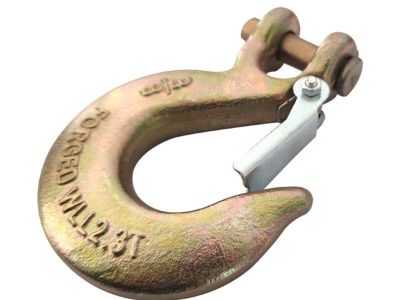
Safety Features: Look for hooks with safety latches or locking  mechanisms to prevent accidental disengagement during lifting. This is  a  critical feature, especially in dynamic lifting environments.

Certification  and Compliance: Ensure that the products meet relevant safety standards  and  certifications, such as CE and ISO, which indicate adherence to quality and safety regulations.
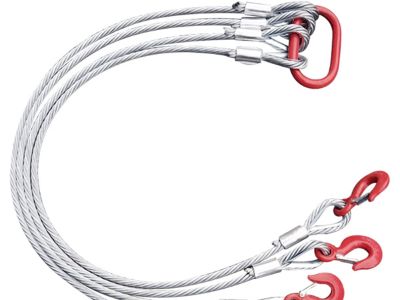
Evaluating the Quality of Hook and Swivel Products for Safety

The  quality of hook and swivel products is paramount for ensuring safety during lifting operations. Buyers should conduct thorough evaluations based on the following criteria:

Inspection Reports: Request inspection reports from  the  manufacturer, detailing material integrity  and performance tests  conducted during production. This helps  verify that the products meet specified safety standards.

Manufacturing Processes: Understand the  manufacturing processes used, such  as heat treatment and surface finishing. These processes can significantly enhance the strength and durability  of  hook  and swivel products.

End-User Feedback: Gather  feedback from current users of the products. This can provide insights into the  real-world  performance and reliability of the  components under similar operational conditions.

Warranty and Support: A reputable manufacturer should  offer warranties  and support  for their products. This indicates  confidence  in the quality and provides buyers with recourse should issues arise.

Common Problems with Hook and Swivel and Their Solutions

Despite their crucial  role in lifting applications, hook and swivel products can encounter several common issues:

Wear  and Tear: Over time, hooks and  swivels can experience wear that affects their  load  capacity. Regular inspections are  essential to identify signs of wear, such as deformation, cracks, or corrosion. Implementing a routine maintenance schedule can help extend  the lifespan of these  components.

Incorrect Sizing: Using improperly sized hooks  or swivels can lead to operational failures. When sourcing,  ensure that all components are compatible with the lifting equipment. Conducting a fit test with samples before mass  production can prevent costly mistakes.

Corrosion: In harsh  environments, corrosion can  compromise  the integrity of hooks and swivels. Select materials that offer corrosion resistance, and consider protective coatings for added  durability.

Misalignment: Misalignment  during lifting can lead  to uneven  loading  and potential failure. Training operators on  proper usage and alignment techniques can mitigate this risk.

Material Advantages of High-Quality Hook and Swivel Products

The  materials used in hook and swivel manufacturing significantly influence their performance and suitability  for various  applications:

Carbon Steel: Often used for general lifting, carbon steel provides a good balance  of strength and weight. However, it is prone to corrosion  unless adequately treated.

Alloy Steel:  Alloy steel hooks and swivels are designed for heavy-duty applications,  offering enhanced  strength and impact resistance. They are ideal for industrial lifting where safety and reliability are critical.

Stainless Steel: For  marine engineering and applications  exposed to moisture, stainless steel is the preferred  choice due to its excellent corrosion resistance.  It maintains its integrity even in harsh environments.


Special Coatings: Some manufacturers apply specialized coatings  to enhance corrosion resistance and improve wear resistance. Understanding the benefits of  these coatings can help buyers select products that  align with their operational needs.

By considering these factors when sourcing hook and swivel  products, buyers can ensure they select  components that not  only meet their lifting needs but also  adhere to safety and quality standards. Proper evaluation and understanding of the specifications, materials, and common issues will facilitate informed purchasing decisions, ultimately leading to safer and more efficient lifting operations.

Choosing the Right Hook and Swivel for Your Lifting Needs

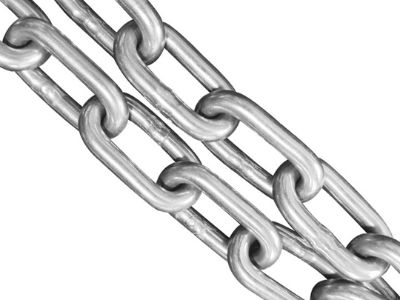
Selecting the  appropriate hook and  swivel involves understanding the specific applications and  environments in which they will be used. Consider the load capacity required  for your operations;  hooks and swivels  come in various sizes and strengths, so it’s crucial to match these specifications to your lifting tasks. For optimal performance, consider using Link Chains that complement your lifting equipment.


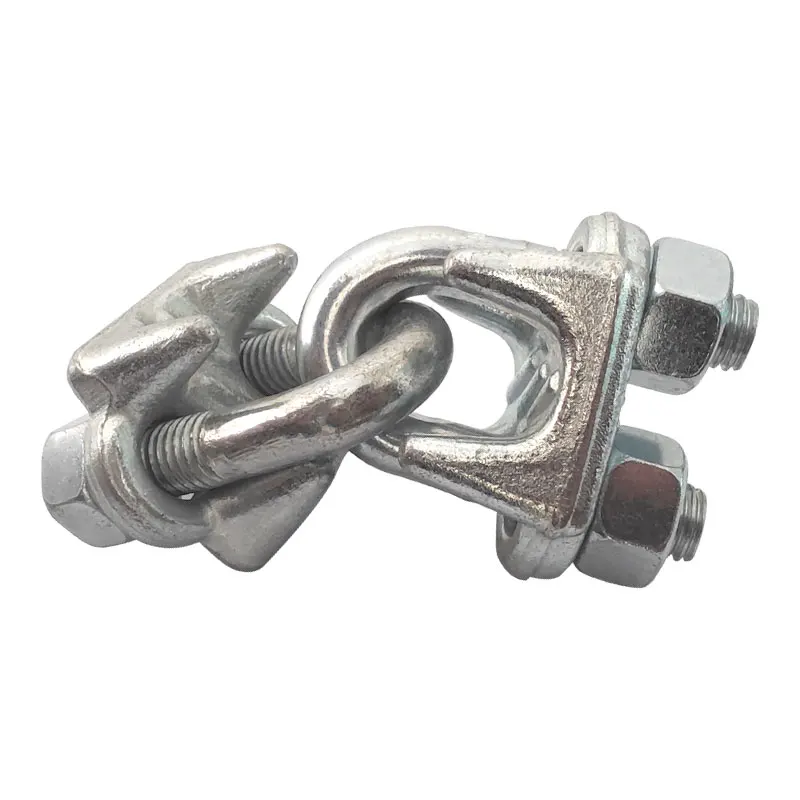
In addition to load capacity, assess the operational environment. For example,  if the components will be used in marine applications, corrosion-resistant materials such as stainless steel or specialized coatings are essential. Conversely, if your  application involves  heavy  industrial lifting, hooks  and  swivels with  enhanced strength and durability are critical. Utilizing Steel Wire Rope & Fittings can further enhance the reliability of your lifting operations.

Another important factor  is the type of connection  your  lifting equipment requires. Different designs accommodate various attachment methods, such as clevis, latch,  or eye connections.  Ensuring compatibility with existing equipment can prevent operational issues  and enhance safety.

Why choose LoadStar hook and swivel

Professional service team

When you make your order, our expert service staff can customise products according to your 2 leg wire rope sling After the conclusion of product production our professional team is available to check the quality of products packaging, delivery and quality inspection to ensure your satisfaction.

We own our own factory

Own factory ensures that every link from raw materials to wire rope sling of product production can be controlled. Owned factories allow businesses to directly manage and control the process of production, thus cutting production costs in a more efficient manner.

We company produced are sold to more than 30 countries

the products of the company are of 3 8 galvanized chain quality with complete specifications models the products are well-loved in more than 30 countries such as china iran pakistan saudi arabia the united arab emirates the united states the united kingdom australia argentina egypt

We have many years of production experience, products in line with national certification standards

our products have passed ce certification covering g30 Chain link galvanized g70 g80 g100 and meet the standards we are committed to providing high quality products that meet international standards to meet the growing needs of our customers our products are used in engineering construction in various countries and they still maintain their strength and quality after many years of use

Our Blog Posts

What Are the Benefits of Using Wire Rope Over Chain for Lifting?

07

Apr

What Are the Benefits of Using Wire Rope Over Chain for Lifting?

We also lift heavy things with Wire rope is a strong tool. Better than chain for lifting. Wire rope from LoadStar, it is great for lifting learn why.Heavy Duty: Strong and Durable for Heavy Lifting:Wire rope is very strong, one of the big reasons to ...
View More
What Are the Best Applications for a Double-Ended Snap Hook?

23

Jul

What Are the Best Applications for a Double-Ended Snap Hook?

Double Ended Snap Hook  A great item by Webrings Double ended snap hooks are extremely handy for a wide range of uses(JH4C). They’re handy for tying things up or bringing things together and simplifying jobs. LoadStar has some of the best double...
View More
Are Your Lifting Operations Compliant? A Guide to Certified Eye Bolt & Nut Use

25

Sep

Are Your Lifting Operations Compliant? A Guide to Certified Eye Bolt & Nut Use

When you’re lifting heavy things around at a construction site or a factory, it’s really important to use the right tools. Eye bolts and also nuts are tiny, however they play a major duty in ensuring things can be lifted securely. LoadStar, our compa...
View More
Is an Incorrectly Sized Eye Bolt & Nut Compromising Your Project's Safety?

02

Oct

Is an Incorrectly Sized Eye Bolt & Nut Compromising Your Project's Safety?

Is a Over/Under Sized Eye Bolt & Nut Costing You Your Job? The safety of any equipment used is paramount when carrying out any work. That includes the little things like eyebolts and nuts  which are just as important as the big sights to th...
View More

Related product categories