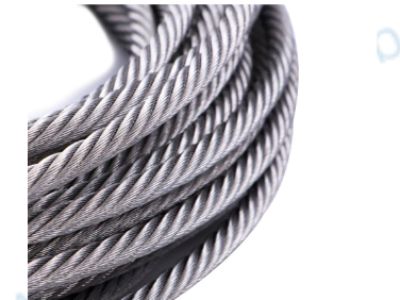
Understanding Hook and Eye Fastenings for Safety

All Categories

hook and eye fastening

Hook  and eye fastenings are essential components in  various industrial applications, providing secure  connections for lifting and rigging tasks.  As a B2B buyer,  understanding  the specifics of  these fastenings is critical for  ensuring safety  and  reliability  in  your operations.  This article will help you navigate the  complexities of hook and  eye fastenings, addressing  common purchasing  concerns and providing insights into  their  installation, materials, and  suitability for different applications.

Hook and Eye Fastening Details

Hook and eye fastenings consist  of two parts: a hook and an eye. The hook is  typically made  from high-strength  materials, designed to latch  securely into the eye, which is often a loop formed  in a  strap or wire. The dimensions and material selection of these components are crucial, as they determine the load capacity and overall performance.


Common materials for hook and eye fastenings include carbon steel, stainless  steel, and  alloy steel. Each material has distinct  advantages; for instance, stainless steel offers excellent corrosion resistance, making it ideal for  marine applications, while  carbon  steel provides high tensile strength for heavy lifting. When evaluating a specific hook and eye fastening, consider factors such as:

Load Capacity: Ensure the fastening can  handle the expected load without failure. Dimensions: Verify that the hook  and  eye  dimensions are compatible  with your application. Surface Treatment: Look for  coatings or treatments that enhance corrosion resistance, especially in harsh environments.
Installation Tips for Hook and Eye Fastenings in Industrial Settings

Proper installation of hook and eye fastenings is essential to maximize their effectiveness and safety. Here are some practical tips for installation in industrial settings:

Assess Compatibility: Before installation, ensure that the hook and eye fastenings are  compatible  with the equipment and materials they will be used with. This  includes checking  the dimensions and load  ratings.

Follow Manufacturer Guidelines: Always  adhere to the installation guidelines provided by  the manufacturer.  This  not only ensures the correct use of the fastenings but also helps maintain compliance with safety standards.

Regular Inspections: After  installation, routinely inspect the fastenings for wear, corrosion, or any signs of damage.  This is particularly important in  high-stress  applications where failure can lead to serious  safety hazards.

Use  Proper Tools:  Employ the correct tools  for installation to prevent damaging the fastenings. Over-tightening can  deform the components, leading to potential failures.

Training for Personnel: Ensure that all personnel involved in  the installation are adequately trained in  the proper techniques and safety protocols.

Comparing Different Hook and Eye Fastenings for Your Needs

Not all hook and  eye fastenings are  created equal, and choosing the right type depends on the specific requirements  of your application. Here are some considerations for comparing different types:

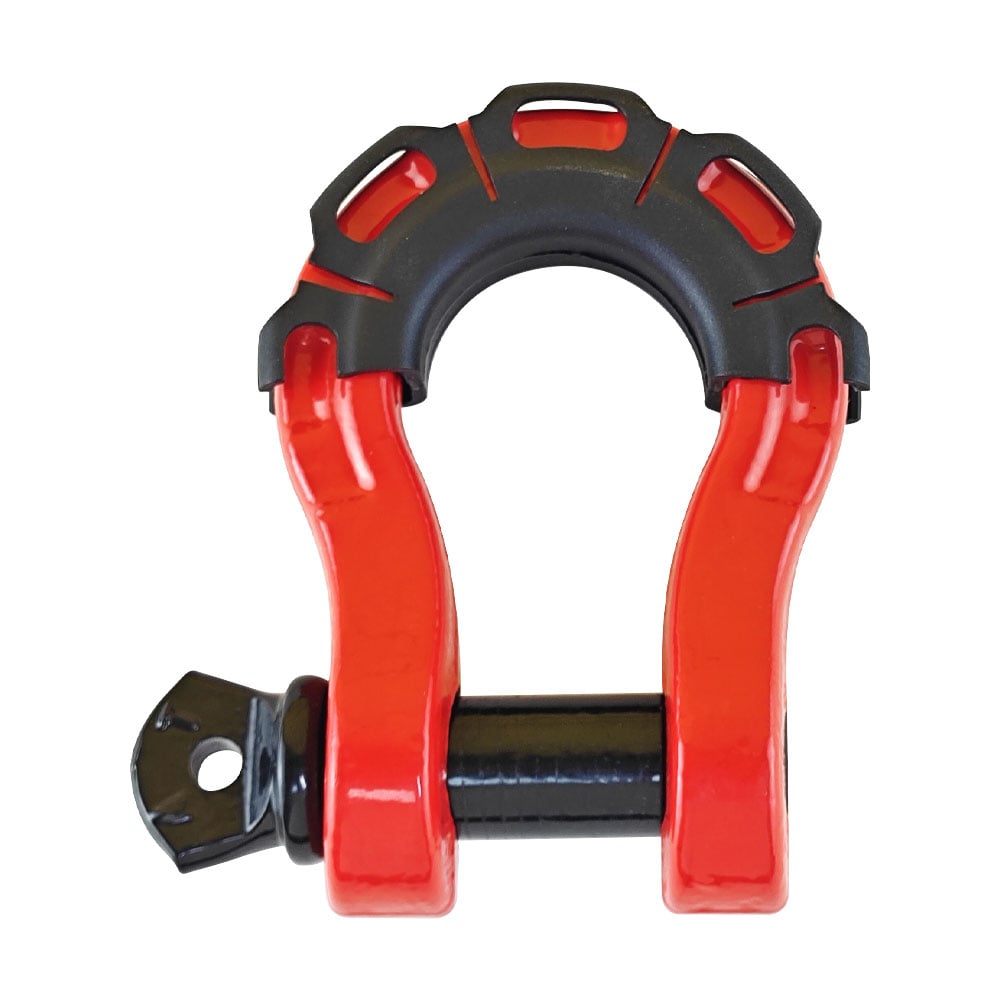
Material Strength: Depending on the application, you may need different material strengths. For example, heavy-duty applications might require alloy steel for  higher tensile strength, while lighter  applications could use carbon  steel. Additionally, consider using Shackles for enhanced safety in rigging applications.

Size and Shape: The size of the hook  and eye can impact their performance.  Larger hooks may provide better grip but could be incompatible with smaller rigging  systems.

Type  of Eye: Eyes can come  in various forms, including open  and closed loops. Closed loops are generally more secure  for lifting applications, while open loops may  provide easier access for quick connections.

Finish and Coating: The finish of the fastenings can affect their performance in different environments. A galvanized or powder-coated finish can  provide additional  protection against  corrosion, which is crucial in outdoor or marine applications.

When requesting  quotes from suppliers, provide detailed specifications, including load requirements, dimensions, and any specific environmental conditions the  fastenings will be  exposed to.

Material Advantages of Our Hook and Eye Fastenings Explained

The choice of material is a critical factor in the performance and longevity of hook and eye fastenings. Here’s a breakdown  of  the advantages  of various materials:

Carbon  Steel: Known for its high strength and affordability, carbon steel is ideal for standard lifting applications. However, it is prone to corrosion,  so  consider protective coatings for outdoor use.

Stainless Steel: This material  offers superior resistance to corrosion and oxidation, making it suitable for marine  and chemical environments. Stainless steel fastenings maintain their integrity over time, reducing the  need for frequent replacements.

Alloy Steel:  For  applications requiring maximum  strength and durability, alloy steel is a preferred choice.  It can withstand extreme loads and  is often used in heavy lifting scenarios.

Coated Finishes: Fastenings with specialized coatings (like zinc plating or powder coating) provide additional  protection against the elements, enhancing their lifespan  in demanding  environments.

Selecting the appropriate material for your hook and eye  fastenings should be based on the specific conditions they will face, including  exposure to moisture, chemicals, and extreme temperatures. Confirm the material specifications with your  supplier to ensure they meet your application needs.

By understanding the intricacies of hook and eye fastenings, including supplier reliability, installation practices, product specifications, and material advantages, you can make informed decisions that enhance safety and efficiency in your operations.

Reliable Suppliers of Hook and Eye Fastenings

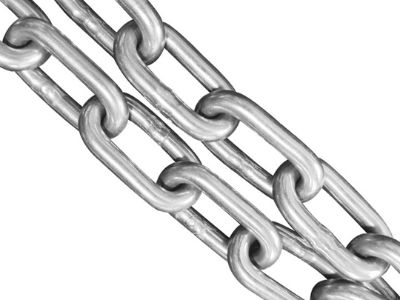
When sourcing hook  and eye fastenings, it is vital to partner  with suppliers who have  a proven track  record  in  manufacturing high-quality rigging and lifting equipment.  Shandong Lisheng Machinery,  for instance, is known for its  commitment to quality, utilizing advanced production technologies and adhering to strict  CE and ISO certifications. One of the products they offer includes Galvanized iron chain DIN766 2mm to 32mm welding galvanized link chain.


Buyers should assess suppliers based on their manufacturing capabilities, quality control processes, and  compliance  with  industry standards. Requesting product samples for inspection can also help verify the quality and durability of the fastenings.  Additionally,  inquire about the supplier’s experience in your specific industry, as  this  can indicate their ability  to meet your unique requirements.


Why choose LoadStar hook and eye fastening

Professional service team

Before you place an order, our knowledgeable service staff can customise items to suit your specific requirements and after the successful Galvanized chain of the production process we have a team of professionals to inspect the quality of the product along with packaging and delivery to ensure your satisfaction.

We own our own factory

The ownership of a factory allows businesses to oversee and control the entire process of hot dipped galvanized chain. This helps reduce production costs.

We company produced are sold to more than 30 countries

the products of the company are of high-quality are fully-specified designs they have a good reputation across more than Galvanized chain including china iran pakistan saudi arabia the united arab emirates

We have many years of production experience, products in line with national certification standards

our wire rope sling with hook have passed ce certification covering g30 g43 g70 g80 g100 and meet the standards we are committed to providing high quality products that meet international standards to meet the growing needs of our customers our products are used in engineering construction in various countries and they still maintain their strength and quality after many years of use

Our Blog Posts

Why Is It Important to Regularly Inspect Eye Bolt & Nut?

08

Apr

Why Is It Important to Regularly Inspect Eye Bolt & Nut?

The eye bolt and nut– you see these on your equipment and probably don’t give them much thought. These parts are tiny, but they're critical for ensuring safety. This is why you should check these parts regularly to ensure that they run smoothly.Regul...
View More
What Are the Best Applications for a Double-Ended Snap Hook?

23

Jul

What Are the Best Applications for a Double-Ended Snap Hook?

Double Ended Snap Hook  A great item by Webrings Double ended snap hooks are extremely handy for a wide range of uses(JH4C). They’re handy for tying things up or bringing things together and simplifying jobs. LoadStar has some of the best double...
View More
Why a Heavy-Duty Wire Rope Thimble is Essential for Extending Rope Life

27

Oct

Why a Heavy-Duty Wire Rope Thimble is Essential for Extending Rope Life

Heavy Duty Wire Rope Thimbles - Protect You Cable Longer with a Quick FixLoadStar understands that when it comes to prolonging the life of your rope – a heavy duty wire (cable) rope thimble is vital. These thimbles are made to prevent rope wear and e...
View More
Why a wide body shackle increases the safety margin of your rig

28

Apr

Why a wide body shackle increases the safety margin of your rig

Wide body shackles is special tools that help keep things safe during lifting heavy loads. They made wider than normal ones, which give them some big benefits. At LoadStar, we know safety matter a lot in lifting and rigging. Using wide body shackles ...
View More