 EN
EN
 AR
AR
 BG
BG
 HR
HR
 CS
CS
 DA
DA
 NL
NL
 FI
FI
 FR
FR
 DE
DE
 EL
EL
 HI
HI
 IT
IT
 JA
JA
 KO
KO
 NO
NO
 PL
PL
 PT
PT
 RO
RO
 RU
RU
 ES
ES
 SV
SV
 TL
TL
 IW
IW
 ID
ID
 LT
LT
 SR
SR
 SL
SL
 SQ
SQ
 HU
HU
 TH
TH
 TR
TR
 FA
FA
 AF
AF
 MS
MS
 HY
HY
 AZ
AZ
 BN
BN
 SO
SO
 KK
KK
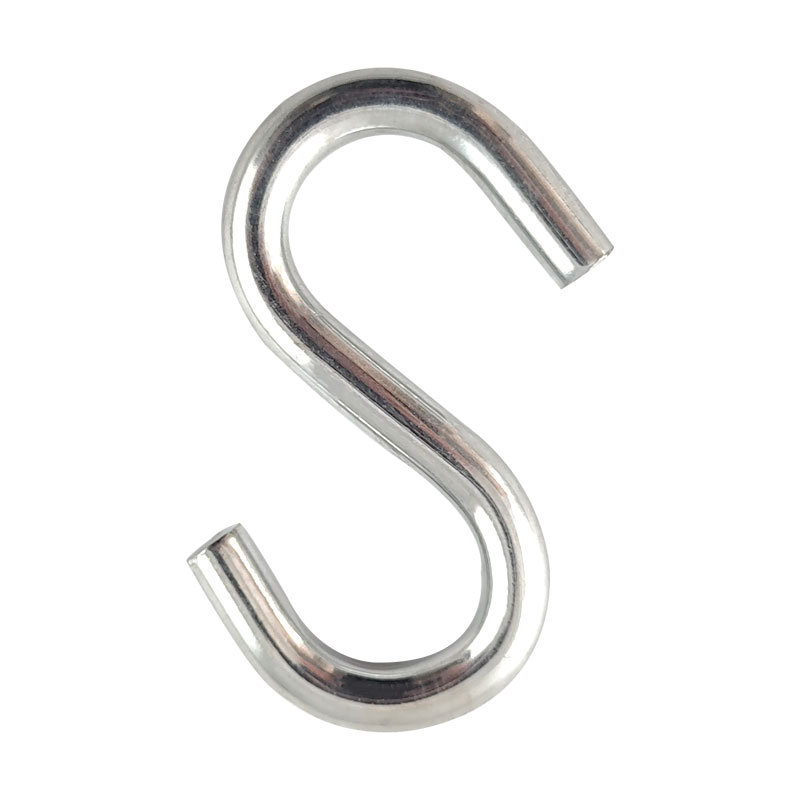
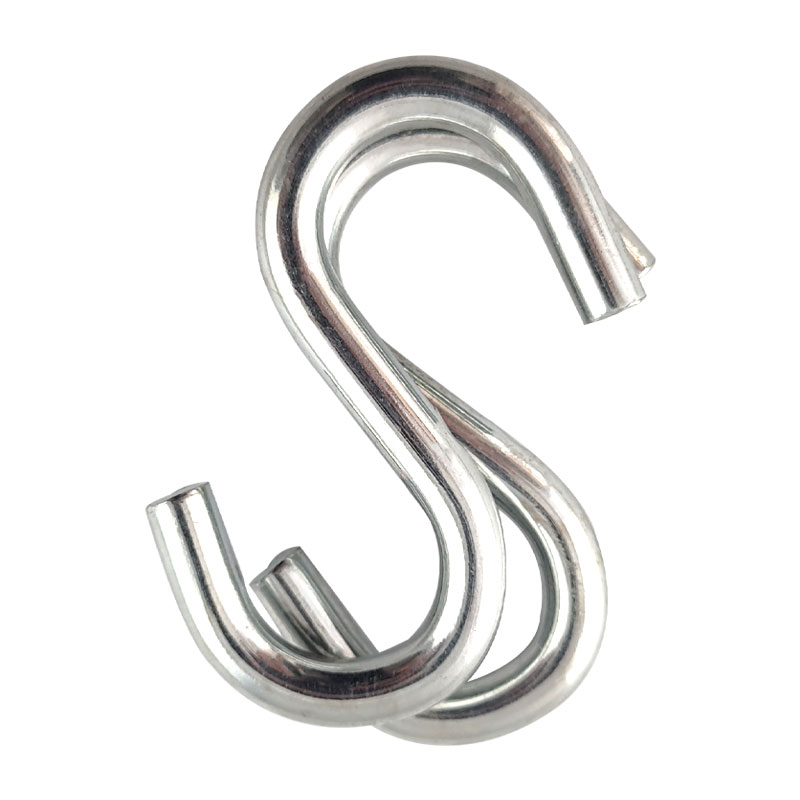
Swivel S hooks are versatile lifting accessories that play a crucial role in rigging and securing loads across various industries, including construction and marine engineering. As a B2B buyer, understanding the specifications, quality control measures, and applications of swivel S hooks is essential for making informed purchasing decisions. This article will delve into key aspects of swivel S hooks, helping you evaluate their suitability for your needs and ensuring you choose high-quality products from reputable manufacturers.
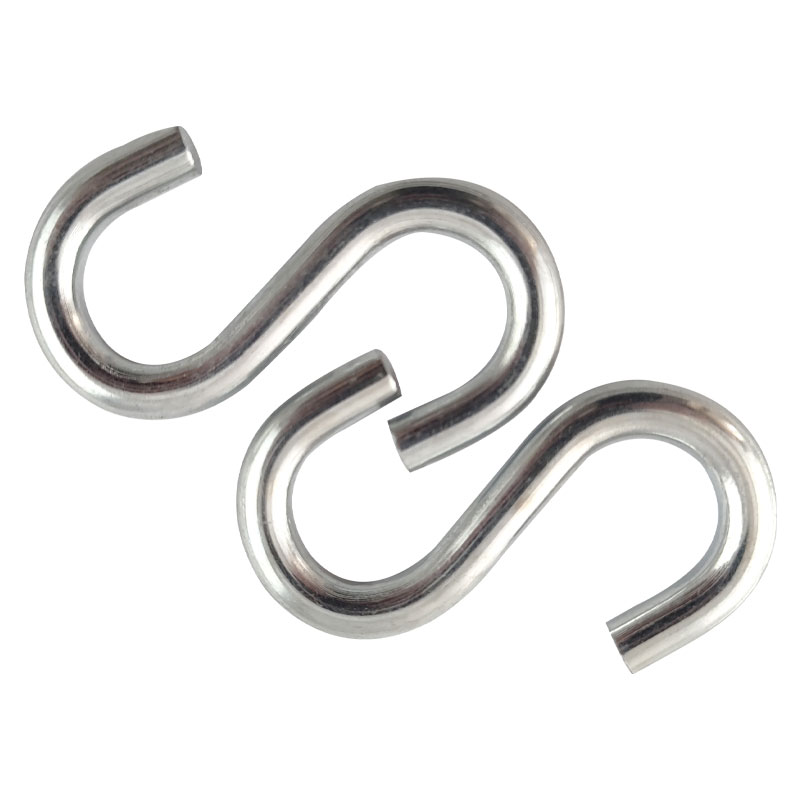
Installation Guidance for Swivel S Hooks in Various Applications
Proper installation of swivel S hooks is crucial for maximizing their performance and safety. Here are some key guidelines for different applications:
Construction: When used in construction, ensure that the swivel S hook is securely attached to a strong anchor point, such as a beam or a concrete structure. The load should be evenly distributed, and the hook should be positioned to allow for rotation without binding.
Marine Engineering: In marine applications, it's essential to consider the environmental factors, such as saltwater exposure. Ensure that the swivel S hook is made from corrosion-resistant materials. Install the hook in a way that minimizes movement and prevents wear from constant friction against other components.
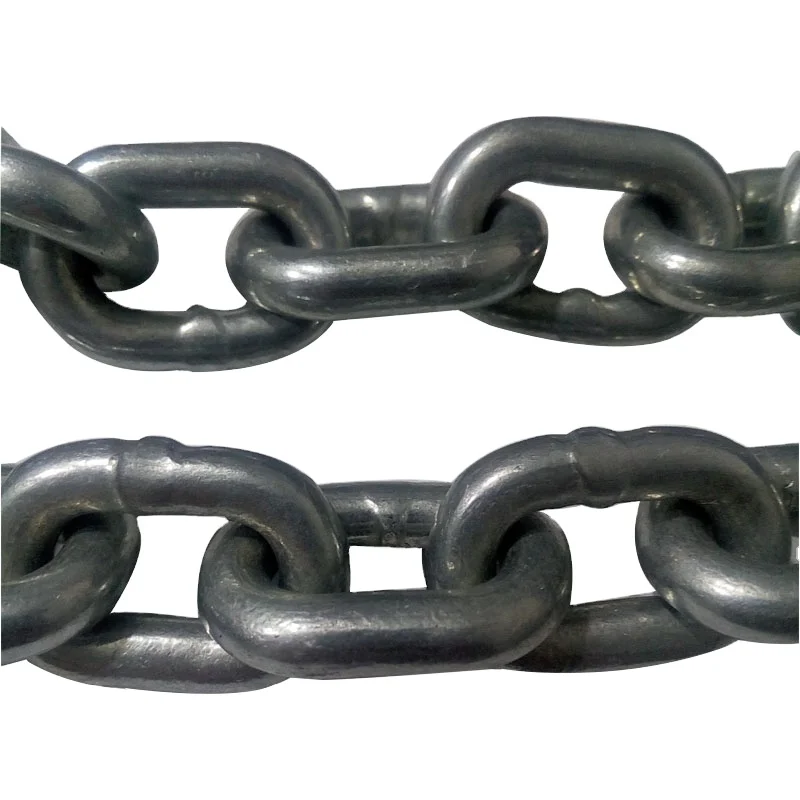
Transportation: For transporting goods, the swivel S hook should be used in conjunction with chains or straps. Ensure that the hook is properly clipped to the load and that there is no slack in the harness. Regularly check the installation for signs of wear or loosening during transport.
To enhance the effectiveness of swivel S hooks, always follow the manufacturer's recommendations for installation practices and load limits.