Swivel Hook Specifications and Solutions for Safety

All Categories

swivel hook

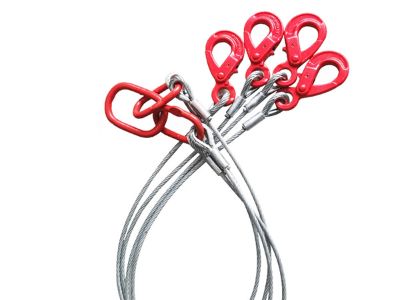
Swivel hooks are  essential components in lifting and rigging applications across various industries, particularly in construction, marine engineering, and  transportation.  These  versatile connectors allow for  rotation  and movement while securing  loads, making them invaluable for safe and efficient  operations.  However,  as  a  purchasing manager or engineer, you may have  specific concerns regarding specifications,  quality, and installation. This  article aims to  provide insights into these aspects, helping you  make informed  decisions when sourcing  swivel hooks  for your projects. For more information on related equipment, check out our section on Hoisting & Lifting Equipment.

Common Problems with Swivel Hooks and Effective Solutions

Swivel hooks can experience a few common issues during use. Understanding these problems and their solutions is vital for ensuring safety and efficiency in lifting operations:

Misalignment: If the  hook is not properly aligned, it can cause undue stress on both  the hook and the load. Ensuring that the hook is compatible with  the rigging and that it is  correctly positioned can mitigate this  issue. Wear and Tear: Over time, swivel  hooks can experience wear, particularly  if used frequently or in harsh conditions. Regular  inspection is essential. Implement a program for periodic checks and replace hooks  that show signs of significant wear. Overloading: Exceeding the load  capacity of a swivel hook can lead to catastrophic failure. Always adhere to the  manufacturer's  load ratings and consider using hooks with higher  capacities than your  anticipated loads. Corrosion:  In environments with high moisture or exposure to chemicals, hooks can corrode. Select hooks with appropriate protective finishes and conduct regular  maintenance checks  to ensure their integrity.

Addressing these issues proactively can help maintain the safety and functionality  of swivel  hooks in your  operations.
Cost Factors to Keep in Mind When Buying Swivel Hooks Wholesale

Understanding the cost factors  involved in purchasing swivel  hooks is essential for  budget management. Here are some key aspects to consider:

Material Costs: The type of material used in manufacturing the swivel hooks significantly  affects their price. Higher-quality  materials may have a higher upfront cost but often provide better  durability and safety.  Volume Discounts: Purchasing  in bulk usually results in lower per-unit prices. Check with manufacturers like  Shandong Lisheng Machinery for minimum  order quantities (MOQ) that  can  qualify  for discounts. Shipping and Handling: Consider logistics costs associated with transportation. Freight charges can vary based on the hook size and weight, as well as  the shipping distance. Quality Assurance: Higher-priced hooks may include rigorous quality  control  processes, ensuring that they meet safety standards. Investing  in quality can prevent future costs  associated with accidents  or equipment failure. Customization: If your project requires specific modifications, be prepared for additional costs. Customization can enhance the hook's functionality but may also extend lead times.

By evaluating these cost factors, you can make informed purchasing decisions that  align with your budget and project requirements.

Installation Guidance for Swivel Hooks in Construction Projects

Proper installation of swivel hooks is critical to ensure safety and performance in construction projects. Here are some guidelines to follow:

Compatibility Check: Before  installation, verify that the swivel hook is compatible with the lifting equipment (such  as chains or wire ropes) and the load being lifted. Mismatches can result in equipment  failure. Secure  Mounting: Ensure that  the swivel hook  is securely mounted to the lifting apparatus.  Loose fittings can lead to  accidents.  Use appropriate fasteners and follow manufacturer recommendations for  torque  specifications. Testing: Prior  to  full-scale  use, conduct a load test with the fully assembled setup to confirm  that the installation is  secure and functional. Check for any unusual movements or  signs of stress during the test. Operator Training:  Ensure that operators  are trained on the correct use of swivel hooks, including how to inspect them regularly for wear or damage. Empowering your team with knowledge  can prevent mishaps.

Following these installation guidelines helps ensure that swivel hooks function safely and effectively in construction environments.

Material Advantages of Swivel Hooks for Heavy-Duty Applications

The choice of  material for swivel hooks is crucial,  especially in heavy-duty applications. Here are some advantages of commonly used materials:

Carbon Steel: This material is known for its good tensile strength  and is often  used in general lifting applications. It is cost-effective  and provides adequate performance for many standard uses. Alloy Steel: For heavy-duty applications, alloy steel is often the material of  choice due to its enhanced  strength and fatigue resistance. It can handle  higher loads without deforming, making it  ideal for demanding environments. Stainless Steel: In applications where corrosion  resistance is critical, stainless steel swivel hooks are preferred. They are suitable for marine environments or any setting where moisture  and chemicals  are prevalent. Weight  Considerations: The material's weight also  affects handling and transport. While heavier materials like steel provide strength, they can also increase the overall weight  of the lifting system. Consider the balance between strength and  weight  when selecting materials for your swivel  hooks.

By understanding the material advantages of swivel hooks, you can select  the best option for your heavy-duty applications, ensuring safety and  efficiency in your operations.

Specifications to Compare for Swivel Hooks in Industrial Applications

When selecting swivel hooks, it's crucial to compare specifications that directly impact performance and safety. Key specifications include:

  Load Capacity: This indicates the maximum weight the hook can safely handle. Ensure that the load capacity exceeds the  heaviest load you plan to lift, factoring in  safety margins. Material: Common  materials  include carbon steel and alloy steel.  Carbon steel offers good strength for general applications, while alloy steel is often preferred for  heavy-duty uses  due  to its enhanced strength and resistance to wear.  Size  and Dimensions: The hook's dimensions, including the throat  width and overall length, should match the lifting equipment and load requirements. A mismatch can lead to operational  inefficiencies  or safety hazards. Finish: Surface treatments such as galvanization or powder coating can enhance corrosion resistance, particularly in marine or  outdoor environments. Certification: Look for CE  and ISO certifications, indicating that the product meets specific  safety and quality standards. This is  vital for compliance  in regulated industries.

By focusing on these specifications, buyers can ensure that they select the  right swivel hooks for their specific applications, including options like Lifting Webbing Slings & Tie Downs.

Why choose LoadStar swivel hook

Professional service team

Once the product has 4 leg wire rope sling created, professional personnel will inspect it for quality, pack it, and then deliver it to you.

We own our own factory

Own factory ensures that every link from raw materials to Wire rope hoist of product production can be controlled. Owned factories allow businesses to directly manage and control the process of production, thus cutting production costs in a more efficient manner.

We company produced are sold to more than 30 countries

the products of the company are of wire rope sling with hook quality with complete specifications models the products are well-loved in more than 30 countries such as china iran pakistan saudi arabia the united arab emirates the united states the united kingdom australia argentina egypt

We have many years of production experience, products in line with national certification standards

our products have passed ce certification covering g30 g43 g70 g80 5 16 galvanized chain and meet the standards we are committed to providing high quality products that meet international standards to meet the growing needs of our customers our products are used in engineering construction in various countries and they still maintain their strength and quality after many years of use

Our Blog Posts

Best 4 G2130 Bow Shackle Manufacturers in The Middle East

17

Mar

Best 4 G2130 Bow Shackle Manufacturers in The Middle East

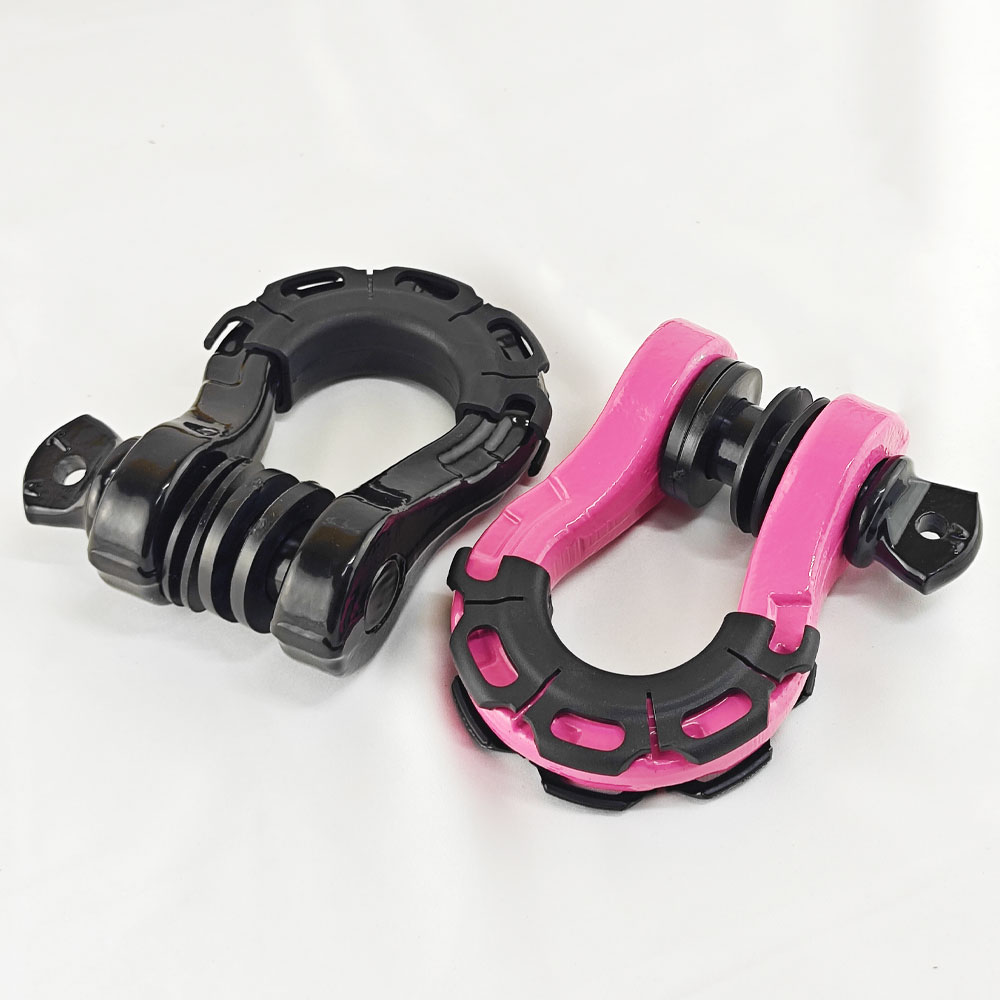
In Middle East, many companys produce good quality 4 G2130 bow shackles. These shackle are key for lifting and shift heavy loads safely. When choose a bow shackle, its important to pick reliable maker. LoadStar is one company known for they quality p...
View More
How Can Snap Hooks Enhance Safety in Everyday Lifting Tasks?

26

Mar

How Can Snap Hooks Enhance Safety in Everyday Lifting Tasks?

If you have snap hooks, which are pretty much required gear for raising things respectably. They spares us even more pain as we work. They are such excellent safety helpers when we hoist heavy things up — LoadStar snap hooks.Snap-hooks are used to ke...
View More
How Can Aluminium Ferrules Improve the Performance of Lifting Equipment?

31

Mar

How Can Aluminium Ferrules Improve the Performance of Lifting Equipment?

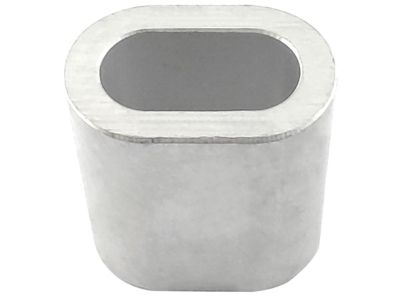
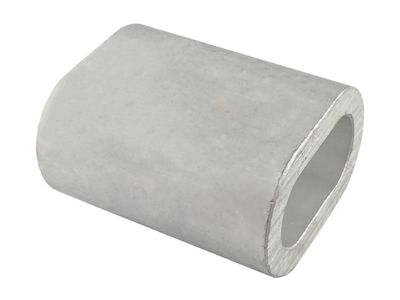
These tiny yet potent components contribute to enhancing the quality and safety of a myriad of lifting equipment. At LoadStar, that means using quality materials to ensure our products last longer & perform better. So, let us see how aluminum fe...
View More
How Proper Swaging of Aluminium Ferrules Ensures Lifting Safety

28

Jul

How Proper Swaging of Aluminium Ferrules Ensures Lifting Safety

That is where swaging becomes critical in moving heavy objects in a safe manner. When using aluminum ferrule, care should be taken to ensure that the correct swaging techniques are employed in order to avoid damage to the lifting machinery.The signif...
View More