 EN
EN
 AR
AR
 BG
BG
 HR
HR
 CS
CS
 DA
DA
 NL
NL
 FI
FI
 FR
FR
 DE
DE
 EL
EL
 HI
HI
 IT
IT
 JA
JA
 KO
KO
 NO
NO
 PL
PL
 PT
PT
 RO
RO
 RU
RU
 ES
ES
 SV
SV
 TL
TL
 IW
IW
 ID
ID
 LT
LT
 SR
SR
 SL
SL
 SQ
SQ
 HU
HU
 TH
TH
 TR
TR
 FA
FA
 AF
AF
 MS
MS
 HY
HY
 AZ
AZ
 BN
BN
 SO
SO
 KK
KK
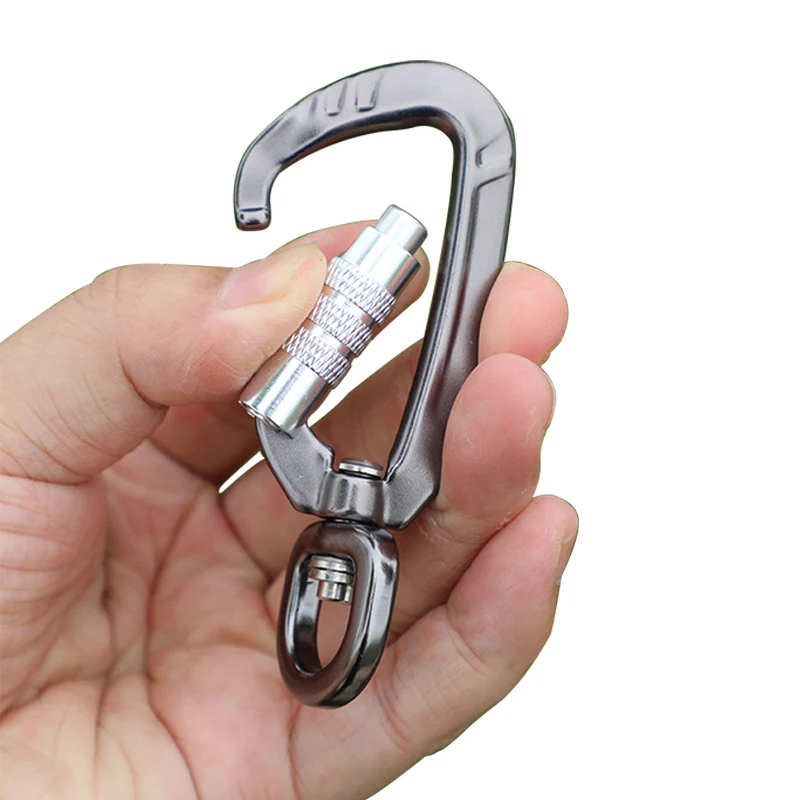
Swivels with hooks are essential components in various lifting and rigging applications, providing flexibility and safety in load handling. For B2B buyers—such as purchasing managers, engineers, and project managers—understanding the nuances of these products is crucial for making informed decisions. This article will delve into sourcing options, key specifications, quality evaluations, installation guidance, and applications of swivels with hooks, ensuring you have the necessary insights to choose the right solution for your needs.
Key Specifications to Consider for Swivel with Hook Selection
Selecting the right swivel with hook involves understanding specific key specifications. Here are some critical factors to consider:
Load Capacity: Assess the maximum weight the swivel and hook must handle. The load capacity should align with your application requirements to ensure safety and effectiveness.
Material Composition: Common materials include steel, stainless steel, and alloy materials. Steel provides strength and durability, while stainless steel offers resistance to corrosion, making it suitable for marine applications. For applications requiring robust solutions, Steel Wire Rope & Fittings may also be relevant.
Dimensions: The size of the swivel and hook must be compatible with the rigging system. A mismatch can lead to inefficiencies or safety hazards.
Working Load Limit (WLL): This specification indicates the maximum safe load that the swivel can handle in varied conditions. Ensure the WLL exceeds the anticipated load for safety margins.
Design Features: Consider features such as locking mechanisms, swivel rotation angles, and hook shapes, which can affect performance and ease of use.
By confirming these specifications with your supplier, you can ensure that the selected product meets your operational needs effectively.