Hook Rigging: Key Considerations for Safe Use

All Categories

hook rigging

Hook rigging  is  a fundamental aspect  of  lifting operations, crucial for ensuring safety and efficiency in various industrial  applications.  As  a purchasing manager  or engineer, your  primary concerns likely revolve around  selecting the right products, ensuring compliance  with safety standards,  and understanding the technical specifications  that meet your  specific needs. This  article will delve  into essential aspects  of hook rigging, from  supplier reliability to installation guidance, helping you make  informed decisions for your projects.


Understanding Specifications for Hook Rigging Applications

Hook  rigging specifications play a crucial role in  ensuring that the products meet the  demands of your specific applications. Key specifications to consider include load capacity, material type, and dimensions.

Load Capacity: This indicates the maximum weight that the rigging can safely handle.  It  is essential to  select a rigging system with  a load capacity that  exceeds  your  typical working loads to ensure safety and account for potential overloads.


Material Type: The material used in hook rigging  affects durability and application suitability. Common materials  include high-tensile steel, which offers strength and resistance to deformation. However, for environments with corrosive elements, stainless steel or coated options may be  necessary to prevent rust and  extend the product's lifespan. Products like Wire Rope Clamp Din741 Rigging Hardware Wire Rope Clip are designed with such considerations in mind.

Dimensions: Proper dimensions  are critical  for ensuring compatibility with other equipment and for the safe handling of loads. Buyers should verify that the hook dimensions match the specifications of the lifting equipment being  used, as discrepancies can lead to operational failures.


Evaluating these specifications in relation to your specific application requirements will help ensure that the  selected rigging performs effectively and safely.
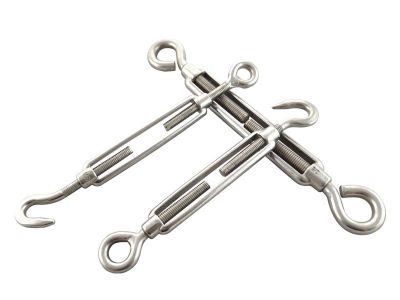
Comparing Cost Factors in Hook Rigging Purchases

Cost is a significant  factor when purchasing hook rigging, but it shouldn't be the only  consideration. The total cost of ownership  includes  not just the initial purchase price but also factors such as maintenance, durability, and operational efficiency.

Initial Purchase Price: While it may be tempting to select the  lowest-priced option, consider the quality and reliability of the product. Higher-quality rigging may come at  a premium but can save  costs in  the  long run  due to  reduced failure rates and less frequent replacements.

Maintenance  Costs: Some  materials require more upkeep than others. For instance, while a lower-cost option may seem attractive, if it needs frequent replacements or repairs due to wear and tear, the long-term costs can accumulate rapidly.

Operational Efficiency: A well-designed rigging  system  can enhance operational efficiency, reducing downtime and improving workflow. Investing in  higher-quality rigging can lead to better performance,  translating to cost savings over time. A good example of this is the G80 ALLOY STEEL LIFTING RIGGING, which is known for its durability and efficiency.

Ultimately, consider the  complete cost picture,  including potential risks associated with  lower-quality products, to make a more informed decision.

Installation Guidance for Efficient Hook Rigging Use

Proper installation of hook rigging is essential for ensuring safety and  functionality during lifting operations. Here are some key considerations for installation:

Site Assessment: Before installation, conduct a thorough assessment  of the site. Understand the  load paths, clearance  requirements, and any potential hazards that may affect the  rigging operation.

Correct  Assembly: Follow the manufacturer's  instructions for assembly. Ensure that all  components  are correctly fitted and that safety  features, such as locking  mechanisms,  are engaged. Using a qualified technician for installation can help mitigate risks associated with improper setup.

Testing: After installation, conduct  load testing to ensure that the rigging can  safely handle the  expected loads. This can  help identify any weaknesses in the rigging setup before it is put to  regular use.

Training: Ensure  that all personnel involved in lifting operations are adequately trained in using the rigging equipment. This includes understanding load limits, proper handling techniques, and safety  protocols.

By following these guidelines, you can  enhance safety and efficiency throughout the rigging operation.

Common Problems with Hook Rigging and Effective Solutions

Despite the best  planning and execution, issues can arise during the use of hook rigging. Here are some common problems and effective solutions:

Wear and Tear: Rigging equipment  is subject to wear over  time, which can  lead to failure if not monitored. Regular inspections  should be  conducted to identify signs of  wear, such as frayed wires or deformed  hooks. Establish a routine maintenance schedule, and replace components as necessary to prevent accidents.

Overloading: One of the leading  causes of rigging failure is exceeding load limits. Educate all team members on the importance  of adhering to specified load capacities. Implementing a system for load monitoring can help prevent accidental overloads.

Corrosion: In environments where moisture or chemicals are present, corrosion can significantly reduce the lifespan  of rigging. Selecting corrosion-resistant materials and  applying protective coatings can mitigate  these risks. Regular cleaning and maintenance should  also be part  of your operational procedures.

Improper Usage: Using  rigging  equipment for unintended purposes can  lead to failure. Ensure that all  users understand the correct applications for the rigging and provide training on safe practices.

Addressing these common issues proactively can enhance the safety  and longevity of your hook rigging systems.

Reliable Suppliers for Hook Rigging

When  sourcing hook rigging, the reliability of your supplier  is vital. Look for manufacturers, like Shandong Lisheng Machinery, who have a proven track  record of producing high-quality lifting  solutions. Key indicators  of reliability include CE and ISO certifications, which  demonstrate  compliance  with international safety and quality standards. Additionally, assess the supplier's  manufacturing capabilities, including their use of advanced production equipment and technology. A  strong  quality control process is essential to  ensure that  every product meets the required specifications before it leaves the factory.

Moreover, consider the supplier's experience in your specific industry, whether it  be construction, marine engineering, or  transportation. An  experienced  manufacturer will understand the unique  challenges and requirements of your application, allowing for a more tailored solution. Finally, explore their  customer support and after-sales service;  a reliable supplier should be responsive and provide guidance post-purchase, ensuring that any potential issues are addressed promptly. For example, companies that provide products like Galvanized iron chain DIN766 2mm to 32mm welding galvanized link chain often have robust support systems in place.

Why choose LoadStar hook rigging

We company produced are sold to more than 30 countries

the products offered by the company are top-quality with complete specifications Chain link galvanized they are well-known across more than 30 countries including china iran pakistan saudi arabia the united arab emirates

We own our own factory

A Chain link galvanized owned by the owner ensures that every link between raw materials and the finalization of the product can be controlled. Owned factories allow companies to directly oversee and control the manufacturing process, thereby cutting production costs in a more efficient manner.

Professional service team

Prior to placing your order, our expert service personnel can customize products according to your specifications and, after the completion of the production process we have a team of professionals to inspect the quality of the product hot dipped galvanized chain, delivery and quality inspection to ensure that you are satisfied.

We have many years of production experience, products in line with national certification standards

our products have passed ce certification covering g30 g43 g70 g80 5 16 galvanized chain and meet the standards we are committed to providing high quality products that meet international standards to meet the growing needs of our customers our products are used in engineering construction in various countries and they still maintain their strength and quality after many years of use

Our Blog Posts

Why Is It Important to Choose the Right Eye Bolt & Nut for Your Project?

04

Apr

Why Is It Important to Choose the Right Eye Bolt & Nut for Your Project?

Eye bolts, and nuts are no doubt the essential material for your projects. They provide security and safety. By using the proper eye bolt with nut, it is possible to make your project secure and solid.Why Is It Important to Choose the Right Eye Bolt ...
View More
How Proper Swaging of Aluminium Ferrules Ensures Lifting Safety

28

Jul

How Proper Swaging of Aluminium Ferrules Ensures Lifting Safety

That is where swaging becomes critical in moving heavy objects in a safe manner. When using aluminum ferrule, care should be taken to ensure that the correct swaging techniques are employed in order to avoid damage to the lifting machinery.The signif...
View More
Understanding the safety factor requirements of an Industrial Snap Hook

13

Jan

Understanding the safety factor requirements of an Industrial Snap Hook

In a lot of workplaces there are heavy things that need to be lifted and/or transported in some way. Industrial snap hooks are the tools that make this possible. They hold various pieces of equipment together firmly. Safety factors especially must be...
View More
Impact of steel price fluctuations on Industrial Snap Hook procurement

13

Jan

Impact of steel price fluctuations on Industrial Snap Hook procurement

Steel prices fluctuate quite a bit, and this impacts many industries. One such product that is subject to these modifications is the industrial snap hook. Our company, LoadStar works with steel to create strong snap hooks which are suitable for can u...
View More