Where to Source High-Quality Swivel Lifting Hooks

All Categories

swivel lifting hooks

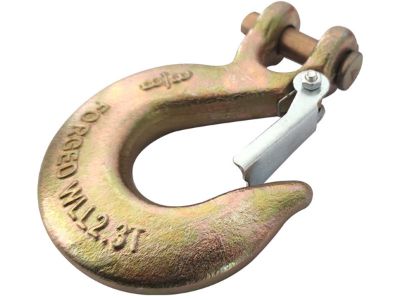
Swivel  lifting hooks are essential components  in various lifting applications, designed to  provide flexibility and safety when handling  heavy  loads. For  B2B  buyers,  the primary concerns often revolve around sourcing high-quality  products, ensuring compliance with safety standards, and  understanding their suitability for specific applications. This  article aims  to  guide purchasing  managers, engineers,  and other industry  professionals  through the essential aspects of swivel lifting hooks, from sourcing and quality evaluation to  installation  and application  considerations.
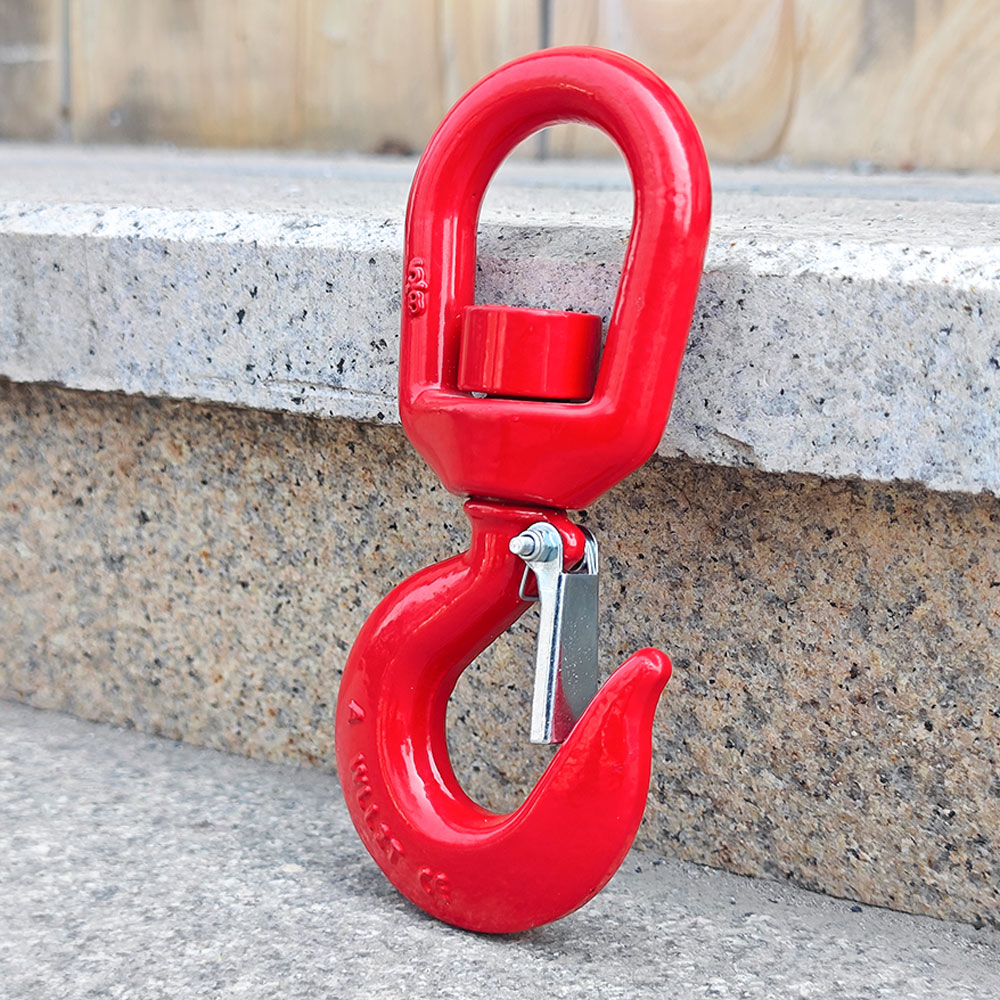
Evaluating the Quality of Swivel Lifting Hooks for Bulk Orders

Evaluating the Quality of Swivel Lifting Hooks for Bulk Orders

Quality evaluation is critical when ordering swivel  lifting hooks in bulk. Here are several factors to consider:

Material  Specifications: Swivel lifting  hooks are typically made from high-strength steel.  Verify the material type and ensure it meets your load capacity requirements.  The  material should also have resistance to corrosion, especially for applications in marine or outdoor environments.

Load Ratings: Each hook is rated for specific load  capacities. Confirm that the hooks you are considering meet or exceed the operational load limits you expect. This includes understanding the dynamic and static load ratings.

Safety Features: Look for features such as locking mechanisms that prevent accidental disengagement of the load. Quality products will often include  these safety enhancements.

Surface Finish: The  hooks should  have a surface treatment that enhances durability and  resistance to environmental  factors. For  example, a galvanized  finish can provide better corrosion resistance.

Inspection Reports:  Request inspection and testing reports  from  the manufacturer to understand their quality assurance processes. Conducting your quality checks during the initial order can help avoid issues in subsequent bulk orders.

By carefully evaluating  these factors,  buyers can ensure they select high-quality swivel lifting hooks that meet their application needs.
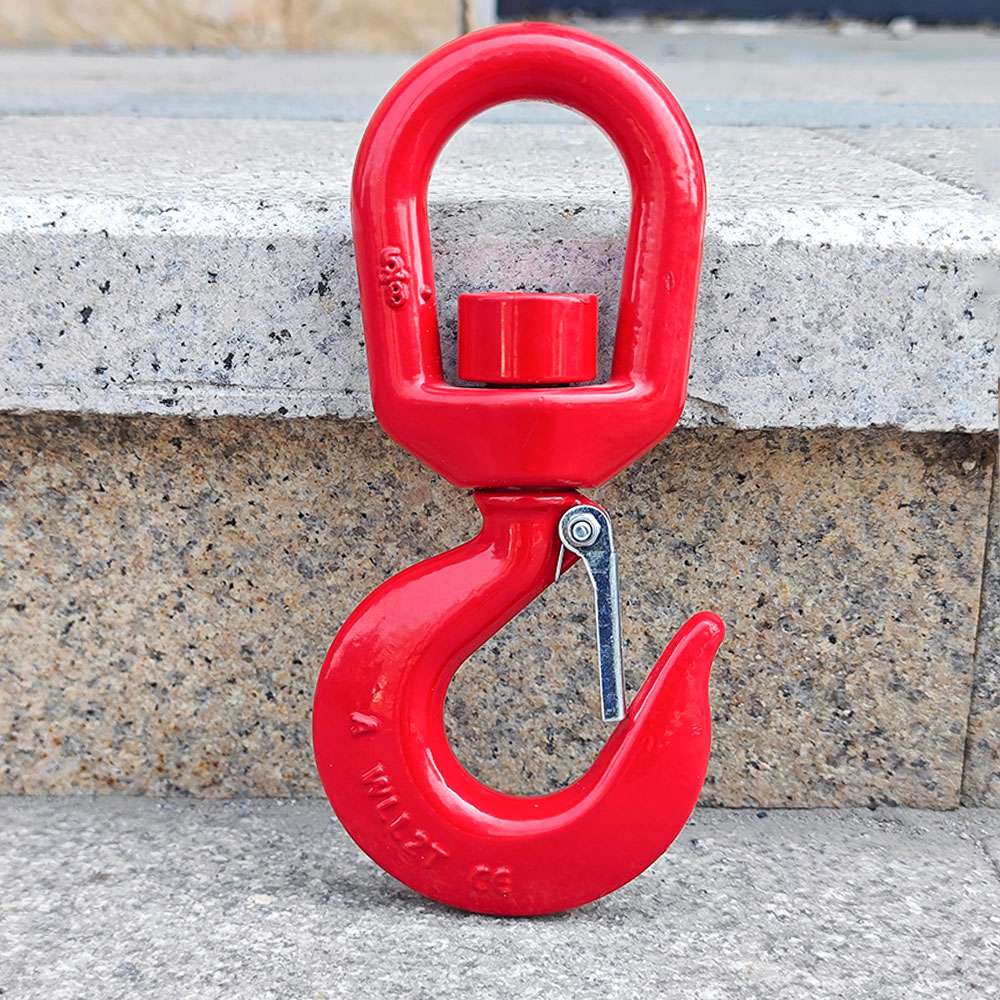
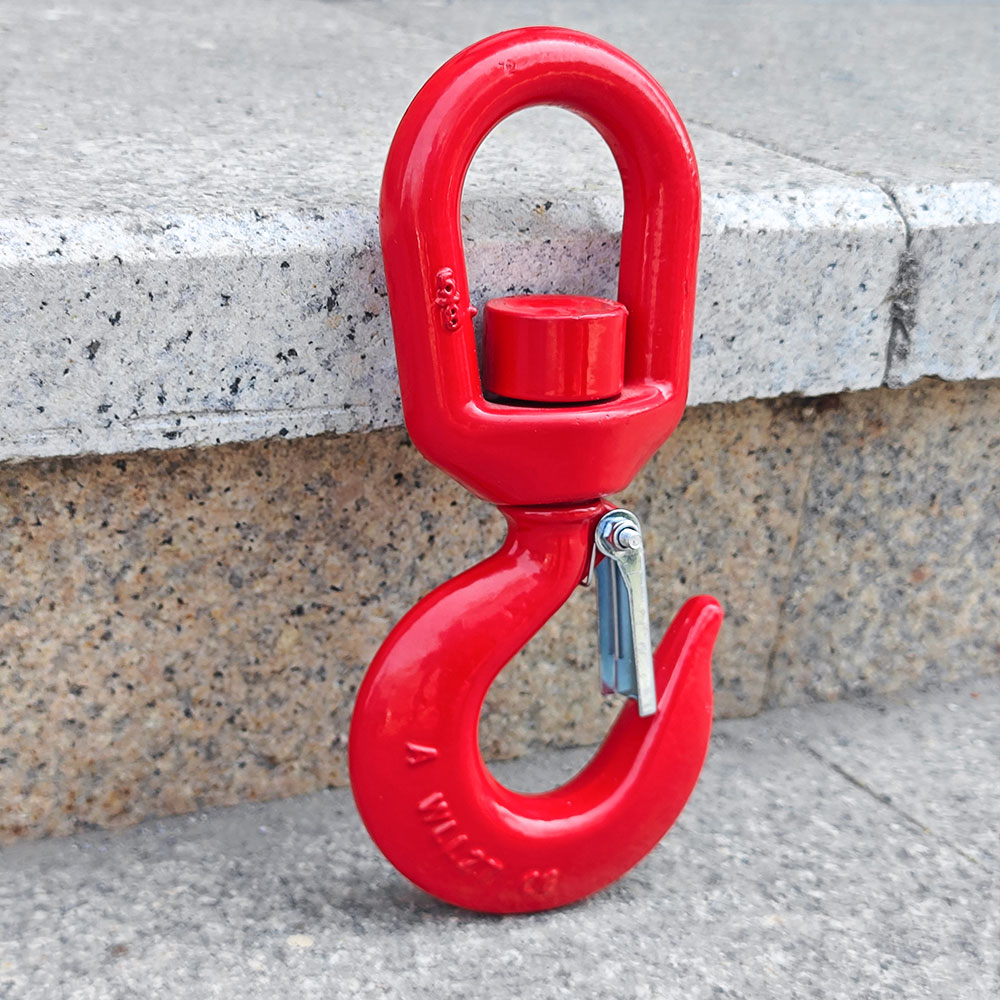
Cost Factors to Consider for Swivel Lifting Hooks Purchasing

Cost Factors to Consider for Swivel Lifting Hooks Purchasing

Understanding the cost structure of swivel lifting hooks is  vital  for effective  budgeting.  Key  cost factors include:

Material Costs: The choice  of materials directly influences the price. High-strength steel  may  be more expensive, but it offers better durability and safety. Manufacturing Processes: Costs can vary based on the complexity of the design and the production methods used. Advanced manufacturing techniques may yield higher-quality products but could increase  costs. Customization Needs: Custom features or finishes can  add to the price. Be clear  about your requirements and discuss these with the supplier to  get  accurate quotes. Shipping and Handling: Consider logistics costs, especially if sourcing from overseas manufacturers.  Shipping fees can vary based on the destination and the weight of the order. Volume Discounts: Many suppliers offer discounts for larger orders. Evaluating  your needs and potential savings is smart  when  planning your purchases.

Discuss these  cost factors  with potential suppliers to gain a comprehensive understanding of what influences pricing. This will  help you make informed purchasing decisions.

Installation Guidance for Swivel Lifting Hooks in Various Applications

Installation Guidance for Swivel Lifting Hooks in Various Applications

Installing swivel lifting hooks correctly is crucial for safety and performance. Here are essential guidelines for effective installation:

Compatibility Check: Ensure that the swivel lifting hooks are compatible  with the lifting equipment and rigging systems you are  using. This includes checking dimensions  and attachment mechanisms.

Load Path Alignment: When  installing, confirm that the load path is aligned correctly. Misalignment can  lead to uneven loading and potential failures.

Use  of  Safety Devices:  Always use safety devices as recommended  by the manufacturer. This can include safety pins or locks that prevent accidental release during operation.

Regular Inspections: After installation, establish a routine inspection schedule  to  check for  wear and tear, ensuring  the hooks remain in safe working condition.

Training for Operators: Provide training for operators on using  and inspecting swivel lifting hooks. Knowledge of proper handling techniques  can  significantly reduce the risk of  accidents.

By adhering to these  installation guidelines, companies can enhance safety and efficiency  in their lifting  operations.

Understanding the Applications of Swivel Lifting Hooks in Industry

Swivel lifting hooks have a wide range of applications across various industries due to their versatility and  safety features. Here are some common applications:

Construction: In construction, swivel lifting  hooks are used to move heavy  materials like steel beams and concrete blocks. Their ability to rotate under load minimizes the risk of accidents during lifting operations.

Marine Engineering: In marine applications, such as shipbuilding and offshore platforms, these hooks  play a  vital role in moving heavy equipment and materials. Their corrosion-resistant  properties are particularly beneficial in  harsh marine environments.

Transportation and Logistics: Swivel lifting hooks are crucial in the  transportation sector  for loading and  unloading goods. Their design allows for easy maneuverability, which is essential in busy logistics  environments.

Manufacturing: In manufacturing settings, they enable  the efficient movement of heavy machinery and components. This flexibility helps streamline production processes. For optimal lifting performance, consider using high-strength rock climbing carabiners along with the hooks.

Understanding these applications helps buyers select the right  swivel lifting  hooks for their  specific needs, ensuring optimal performance and safety in their operations.

By  taking these considerations into account, purchasing managers and  engineers can make informed decisions regarding swivel lifting hooks, enhancing safety  and efficiency in their  operations.

Where to Source High-Quality Swivel Lifting Hooks Wholesale

When sourcing swivel lifting hooks, reliability and quality are paramount. Buyers should consider established manufacturers like Shandong  Lisheng Machinery, known  for producing high-quality lifting rigging and accessories.  Look for suppliers that  offer  CE  and ISO certifications,  which indicate  compliance with international  safety and quality standards.

To ensure you're sourcing effectively, consider  these points:

Manufacturer Experience: Choose manufacturers with a strong industry presence  and experience in  producing lifting equipment. Production Capabilities: Evaluate their manufacturing processes and capabilities, especially regarding advanced production technology that can ensure consistent quality. Customization Options: Some applications may require specific designs or load capacities;  ensure the  supplier can accommodate customization requests. Minimum Order Quantities  (MOQ): Understand  the  supplier’s MOQ to align with your purchasing needs without overcommitting.

Engaging with suppliers who have a robust quality control process will  help in obtaining products that meet your operational requirements. For instance, when considering galvanized iron chains for your lifting operations, ensure they are sourced from reputable manufacturers.

Why choose LoadStar swivel lifting hooks

Professional service team

After the product is produced Chain link galvanized will examine it for quality, pack it and ship it to you.

We company produced are sold to more than 30 countries

the 5 16 galvanized chain of the company are top-quality with complete specifications models they are sold in over 30 countries including china iran pakistan saudi arabia the united arab emirates

We have many years of production experience, products in line with national certification standards

our products have passed ce certification covering 4 leg wire rope sling g43 g70 g80 g100 and meet the standards we are committed to providing high quality products that meet international standards to meet the growing needs of our customers our products are used in engineering construction in various countries and they still maintain their strength and quality after many years of use

We own our own factory

A factory is a place 2 leg wire rope sling companies to control and manage the entire process of production. This helps reduce production costs.

Our Blog Posts

How to Choose the Right Snap Hook for Your Fall Protection Systems

29

Jul

How to Choose the Right Snap Hook for Your Fall Protection Systems

Snap Hooks and What They are Used forA snap hook is a critical piece of fall arrest devices and systems that are necessary for protecting workers who perform tasks at elevated heights. There are different sorts of snap hooks in the market and each ha...
View More
What are the Tensile Strength Ratings of a Standard Eye Bolt & Nut

19

Mar

What are the Tensile Strength Ratings of a Standard Eye Bolt & Nut

Eye bolts and nuts are vital pieces of equipment that are used to secure or hoist heavy objects. They must be quite robust so that they don’t crack under pressure. One way to get an idea of how strong they are is to check their t...
View More
Selecting heavy duty Eye Bolt & Nut for mold and die handling

13

Jan

Selecting heavy duty Eye Bolt & Nut for mold and die handling

Eye bolt is the lifting of heavy objects indispensable tool, because they are mainly used in factories for molding and some other production areas. At LoadStar, we understand that you need the right heavy duty eye bolt and nuts to ensure both safety ...
View More
The importance of proof testing a large wide body shackle

02

May

The importance of proof testing a large wide body shackle

Proof testing large wide body shackles is a really important task for safety and reliability. A shackle is actually a connecting device, it is used to link two items like ropes and chains together. If a shackle is used and it breaks while it's under ...
View More

Related product categories