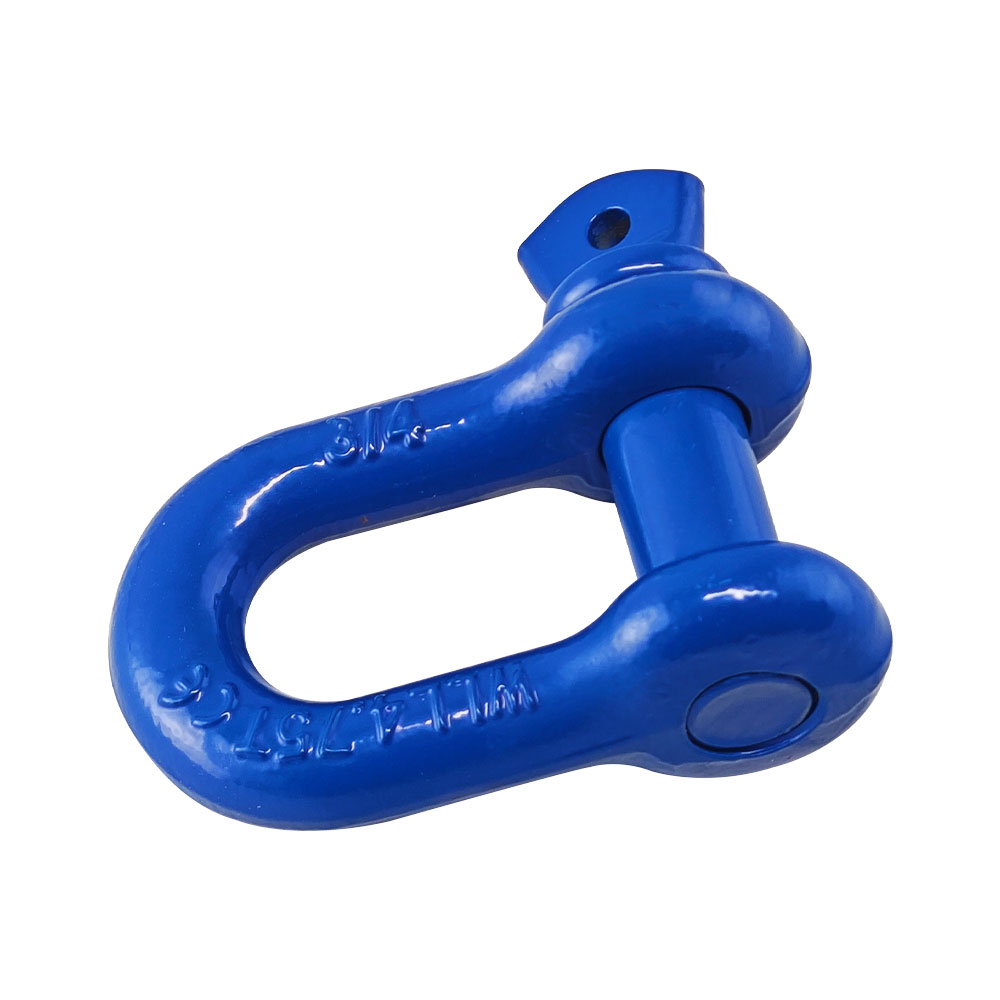
Choosing the Right Lever Load Binders

All Categories

lever load binders

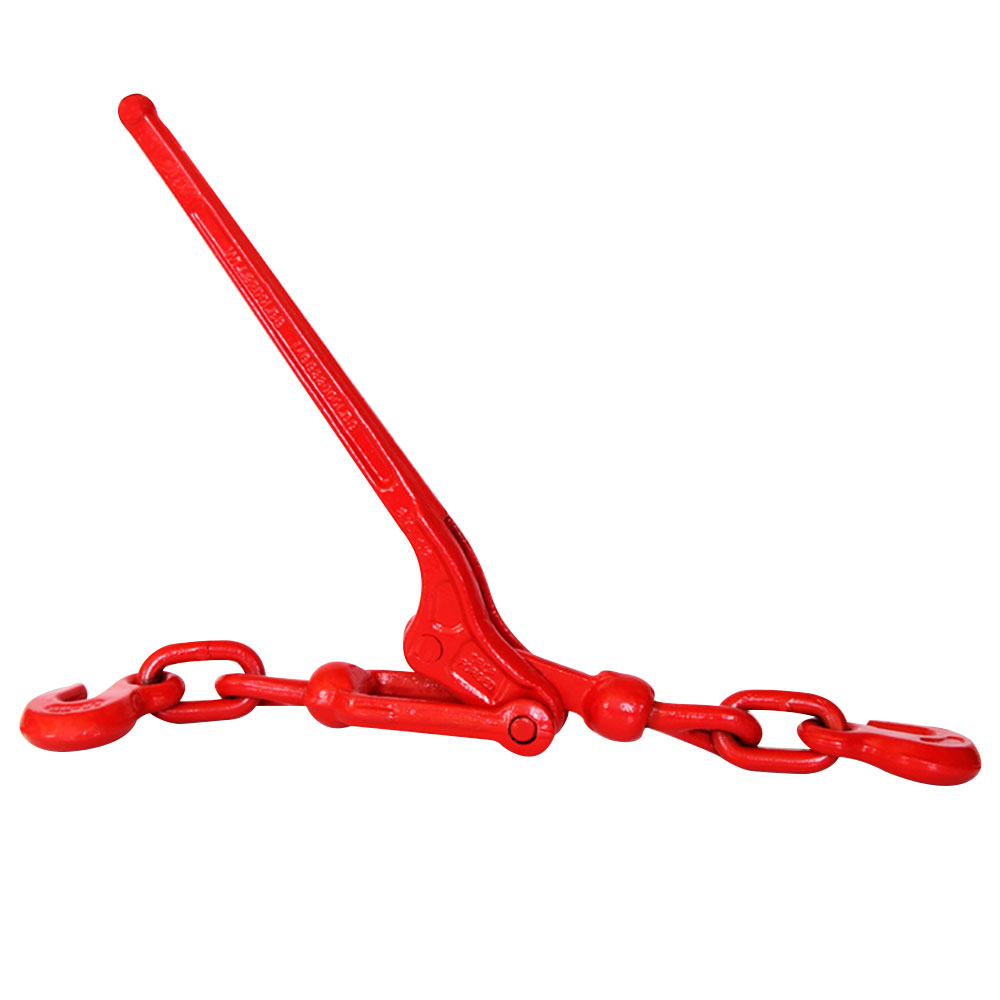
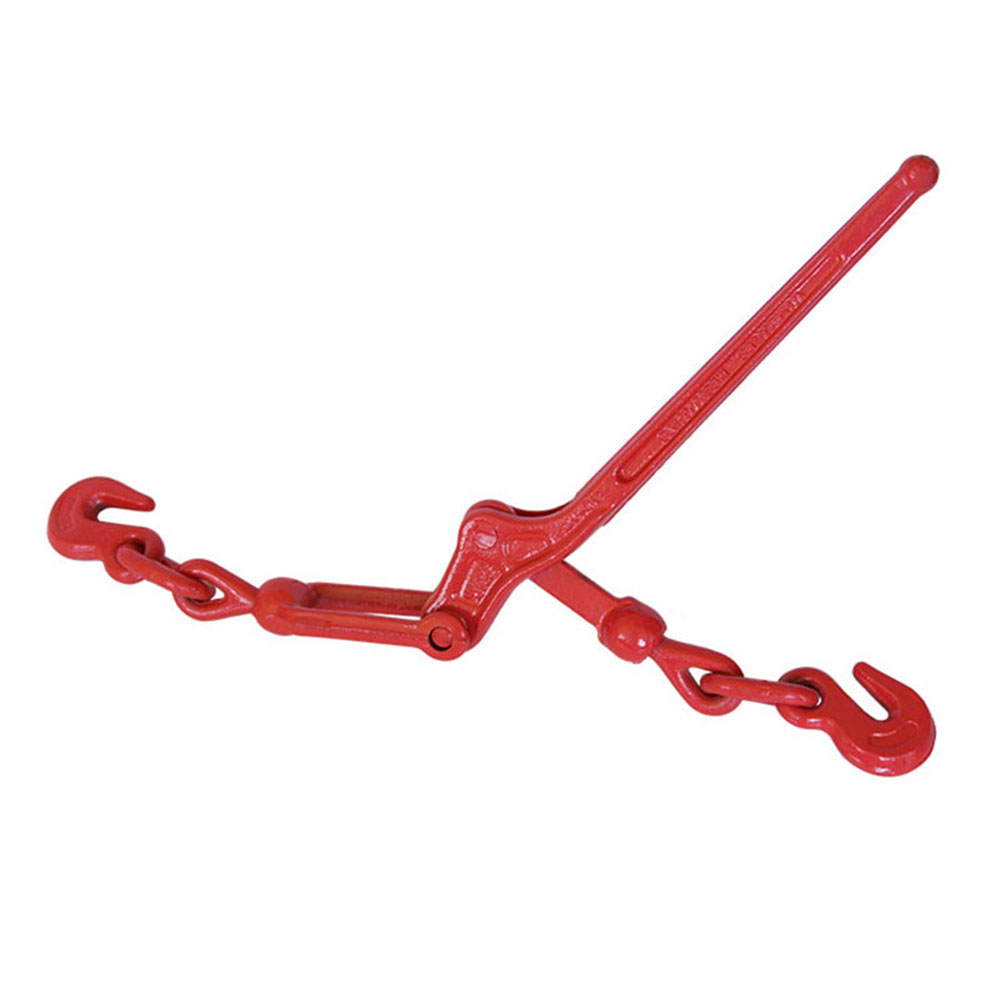
Lever load binders  are  essential tools used in various industries for securing  loads during  transportation or storage. These devices allow for  quick and efficient tightening  of chains and  straps, ensuring that cargo remains stable and  secure.  For  B2B  buyers such as purchasing managers  and engineers, the choice of lever load binders can significantly  impact safety, efficiency, and overall project success. This article  will guide  you through the critical aspects of selecting  lever load binders, evaluating suppliers, understanding key  specifications, following best practices,  and providing a buyer’s checklist  to streamline your purchasing process. Additionally, consider exploring our range of Lifting Webbing Slings & Tie Downs for more options in securing loads effectively.
 
Finding Reliable Suppliers of Lever Load Binders

Finding Reliable Suppliers of Lever Load Binders

Finding a dependable supplier for lever load binders involves  careful research and evaluation. Start by looking  for manufacturers with a solid reputation  in the industry, such as Shandong Lisheng Machinery, known for high-quality lifting rigging and  accessories.  Verify that  the supplier is CE and ISO certified, indicating compliance with international safety and  quality standards.

Request references or  case studies  from potential suppliers to assess their reliability and customer service. It  can  also be beneficial to inquire about their production capabilities, including the technology and equipment they use, as  these factors play a significant role  in product quality and consistency.  


Furthermore, consider suppliers  that offer customization options  to meet  specific project requirements.  A supplier's willingness to  accommodate custom specifications can be a significant advantage,  particularly for unique applications.
Key Specifications for High-Quality Lever Load Binders You Should Know

Key Specifications for High-Quality Lever Load Binders You Should Know

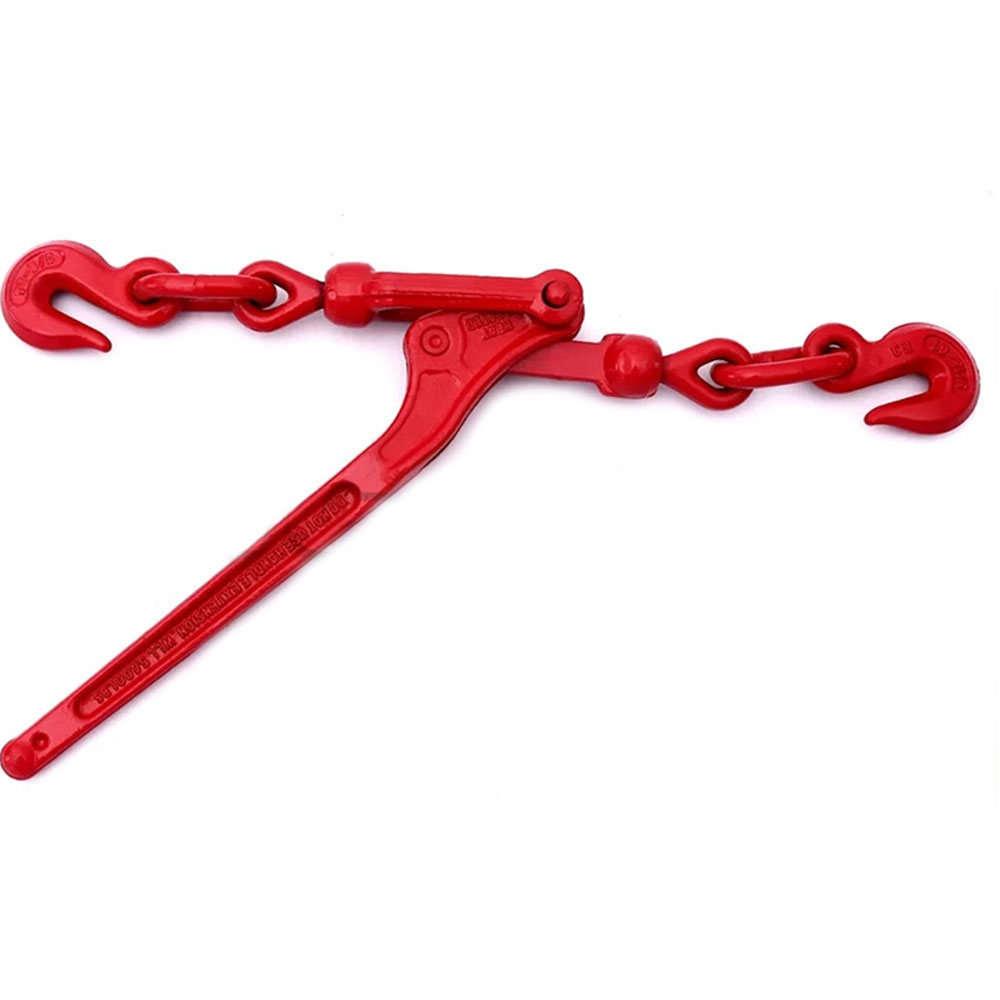
When evaluating lever load binders,  focus on several key  specifications: 

Working Load Limit (WLL): This rating indicates the  maximum  load the binder can  safely handle. Always verify that this matches your project needs.


Material: As mentioned, binders are often made from  steel or aluminum. Ensure that the chosen  material is suitable for  your application, considering weight, durability, and  environmental  conditions.

Dimensions: The size of the binder is critical for  compatibility with  your rigging system. Confirm that the  binder dimensions align with the chains or straps you plan to use.

Finish: A good finish, such as powder coating or galvanization, can enhance corrosion resistance, especially in harsh environments.


Design Features: Look for  features that  can  improve usability, such as a comfortable grip or an easy-to-operate lever mechanism.

By focusing  on these specifications, you can select  lever load binders that will perform reliably in your specific applications.

Best Practices Explained

Best Practices Explained

To ensure the effective use of lever load binders,  consider the following best practices: 

Proper Inspection: Before use, inspect the binders for  any signs of damage, wear, or corrosion. Regular inspections can prevent failures during  operation.


Correct Installation: Follow proper installation  techniques to  ensure that the binder  is correctly  engaged  with the  load.  Misalignment can lead to inefficient load security and potential accidents.

Avoid Overloading: Always adhere to the WLL  guidelines. Overloading can compromise the  integrity of both  the binder and the load, posing safety risks.

Training: Ensure that  all personnel are trained in the proper use of lever  load binders. Understanding how to operate the binders safely and effectively can reduce accidents and improve overall efficiency.

Documentation: Keep records of inspections, maintenance, and usage. This documentation can be  valuable  for audits and ensuring  compliance with safety regulations.

By following these best practices,  you can enhance the safety and reliability of your load securing processes.

A Buyeru2019s Checklist

When preparing to  purchase lever  load binders, use the following checklist  to  ensure  you have all  necessary information: 

Product  Type: Specify the type  of lever load binder required for your application. Model and Specifications: Confirm the model number, WLL, dimensions, and material  specifications. Quantity: Determine the number of units needed, considering future projects as well. Application Details: Provide information  on the load type and environment where the binder will be used. Customization Requirements: Identify any specific features or modifications needed. Packaging Preferences: Discuss packaging options  to ensure safe  transportation  and storage. Delivery Location:  Confirm the shipping address and any requirements for delivery.

By using  this checklist, you can streamline your purchasing process and ensure that you gather all necessary information for a successful  transaction.

Selecting the right lever load binders involves understanding your specific needs, evaluating suppliers, and  recognizing  key specifications.  By following best practices and utilizing the buyer’s checklist,  you can make informed decisions that enhance safety and efficiency in your operations.

What to Consider When Choosing Lever Load Binders for Your Projects

When selecting lever load  binders, the first consideration should be the weight and type of  load  you intend to secure. Heavy-duty binders are crucial for larger, heavier cargo, while lighter options may suffice for smaller loads. Additionally, consider the working load limit (WLL) of the binder; this specification indicates the maximum load the  binder can safely  handle. It  is essential to  ensure that the WLL aligns  with your load requirements to prevent accidents and equipment failure.

Material selection  is another critical factor. Lever  load binders are typically made from steel or aluminum, with steel offering  greater strength and durability for heavy loads, while aluminum provides a lighter option for less demanding applications. Depending on your work environment,  corrosion resistance may also be necessary; look for  binders with protective coatings or made from stainless  steel for  marine or outdoor applications. For those in marine industries, consider our Marine & Anchor Equipment that complements load securing solutions.

Lastly, evaluate the ease of use and ergonomics. A well-designed  lever load binder should allow for quick operation and  require minimal  manual effort, which can be  especially important  for large crews working in tight timelines.

Why choose LoadStar lever load binders

Professional service team

When you make an wire rope sling with hook, our skilled service staff can customise products to meet your requirements and, after the completion of production our professional team is available for product quality inspection packaging, delivery and quality inspection to ensure your satisfaction.

We own our own factory

A factory is a place for companies to manage and control the wire rope sling with hook of production. This reduces production costs.

We company produced are sold to more than 30 countries

the products made by the company are high-end with complete specifications designs they are well-known in over 30 countries includes wire rope sling iran pakistan saudi arabia the united arab emirates

We have many years of production experience, products in line with national certification standards

our products have passed ce certification covering g30 Galvanized chain g70 g80 g100 and meet the standards we are committed to providing high quality products that meet international standards to meet the growing needs of our customers our products are used in engineering construction in various countries and they still maintain their strength and quality after many years of use

Our Blog Posts

How Does a Snap Hook Contribute to Efficient Load Management?

03

Apr

How Does a Snap Hook Contribute to Efficient Load Management?

Snap hooks are valuable tools used to safely handle, manipulate and control heavy objects. A snap hook is a spring-loaded metal hook that snaps shut to quickly latch on to an object. Snap hooks are widely used in load management to attach ropes, chai...
View More
The Importance of Proper Thread Engagement for an Eye Bolt & Nut

26

Jul

The Importance of Proper Thread Engagement for an Eye Bolt & Nut

When it comes to eye bolts and nuts, thread engagement is a very important factor. It will help keep things in order and secure on your Mac. Improper thread engagement can cause an accident or injury. This is why it is so crucial to ensure that the e...
View More
How Proper Swaging of Aluminium Ferrules Ensures Lifting Safety

28

Jul

How Proper Swaging of Aluminium Ferrules Ensures Lifting Safety

That is where swaging becomes critical in moving heavy objects in a safe manner. When using aluminum ferrule, care should be taken to ensure that the correct swaging techniques are employed in order to avoid damage to the lifting machinery.The signif...
View More
Lead time considerations when ordering a custom wide body shackle

28

Apr

Lead time considerations when ordering a custom wide body shackle

When you think about ordering a custom wide body shackle from LoadStar, its good to know how long it take to get it. Lead time mean the period from placing your order until you receive the product. This time can be influence by various things. Unders...
View More