 EN
EN
 AR
AR
 BG
BG
 HR
HR
 CS
CS
 DA
DA
 NL
NL
 FI
FI
 FR
FR
 DE
DE
 EL
EL
 HI
HI
 IT
IT
 JA
JA
 KO
KO
 NO
NO
 PL
PL
 PT
PT
 RO
RO
 RU
RU
 ES
ES
 SV
SV
 TL
TL
 IW
IW
 ID
ID
 LT
LT
 SR
SR
 SL
SL
 SQ
SQ
 HU
HU
 TH
TH
 TR
TR
 FA
FA
 AF
AF
 MS
MS
 HY
HY
 AZ
AZ
 BN
BN
 SO
SO
 KK
KK
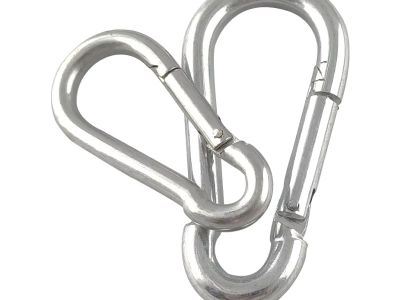
S hook carabiners are essential components in various lifting and rigging applications, providing reliable connections for securing loads. As a B2B buyer, understanding how to select the right S hook carabiner is crucial for ensuring safety, efficiency, and compliance with industry standards. This article will help you navigate the key factors to consider when purchasing S hook carabiners, from specifications and quality standards to common problems and applications in the manufacturing industry.
Key Specifications to Evaluate When Selecting S Hook Carabiners
When evaluating S hook carabiners, several key specifications should guide your decision-making:
Load Rating: Always check the maximum load capacity, typically expressed in kilograms or pounds. This rating determines how much weight the carabiner can safely support.
Material Type: S hook carabiners can be made from various materials, including stainless steel, carbon steel, and aluminum. Each material offers distinct advantages in terms of strength, weight, and corrosion resistance.
Dimensions: The size of the carabiner affects its fit in your rigging system. Measure the width and length to ensure compatibility with hooks, chains, or other attachments.
Weight: Consider the weight of the carabiner itself, especially if it will be used in applications where minimizing weight is crucial, such as climbing or aerial work.
Finish: Surface treatments, such as anodizing for aluminum or powder coating for steel, can enhance corrosion resistance and durability, particularly in harsh environments. Using high-quality materials can also be beneficial, such as those found in our Wire Rope Clamp Din741 Rigging Hardware Wire Rope Clip.
Understanding these specifications will help you select a carabiner that not only meets your project's requirements but also ensures safety and reliability during use.