Carabiner Hook Quality and Installation Guidelines

All Categories

carabiner hook

Carabiner hooks are essential components  in  various lifting  and  rigging applications,  providing  reliable connections for securing loads. As a  B2B buyer, you'll want to  understand how to  assess carabiner  hooks  regarding  quality, material, and application  suitability. This article  will guide  you through the sourcing process, quality comparisons, installation guidelines, common problems, and the material  advantages of carabiner hooks to help you  make  informed  purchasing  decisions. For further information on relevant tools, consider exploring our Tools & Safety Products.

How to Compare Carabiner Hook Quality for Bulk Orders

Quality  assessment of carabiner  hooks involves several key specifications that you must compare across different suppliers:


Material: Common materials for carabiner hooks include aluminum, steel, and  stainless steel. Each material offers unique strengths; for instance, aluminum is lightweight but may not support heavy loads as effectively as steel.

Load Capacity: Check the manufacturer's  specifications for the  maximum  load each carabiner hook can safely support. This is crucial, especially for  applications involving heavy lifting.

Finish  and Treatment: Look for hooks that have  undergone surface  treatments, such as anodizing or galvanization, which enhance corrosion resistance and durability.

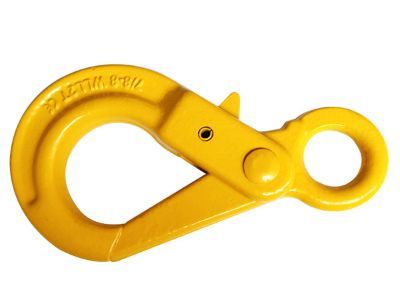
Design Features: Evaluate  designs  that include safety locks or additional features that prevent accidental disengagement.

Testing Standards:  Ensure that the hooks have been  tested according to relevant industry standards, which can provide assurance  of their performance and safety.


By comparing these aspects, you can make  better-informed decisions  when placing bulk orders for carabiner hooks.
 

Installation Guidelines for Carabiner Hooks in Various Applications

Proper installation  of carabiner hooks is critical to ensure safety and functionality in any application. Here  are some general guidelines:

Load Alignment: Ensure that the load is aligned  with the carabiner hook's spine to avoid cross-loading, which can lead to  failure.


Secure Connections:  Always close the carabiner securely after attaching it to ensure that it does not accidentally disengage. For  hooks with locking mechanisms,  verify that the  lock is fully  engaged.

Environmental Considerations: Take into account the operating environment. For  marine applications, selecting  stainless steel hooks can prevent rust  and corrosion.

Regular  Inspections: Implement a routine  inspection protocol to check  for wear and tear,  especially after heavy use. Look for signs such as deformation, cracks, or corrosion.

Application-Specific Needs: If the carabiner hook is to be used in dynamic loading conditions, ensure that the selected hook is rated for such use. Consult with the manufacturer for insights  on specific  installation practices.

By  following these guidelines, you can enhance the safety and reliability of carabiner hooks in your operations.

Common Problems with Carabiner Hooks and Their Solutions

Despite  their reliability, carabiner hooks can encounter issues that buyers should be aware of:

Wear and Tear: Frequent use can  lead  to wear, especially on the locking mechanism or  the hook’s opening. Regularly inspect hooks and replace them if significant wear is detected.


Corrosion: Hooks made of non-stainless materials may rust in humid or wet conditions. To mitigate this, opt for  corrosion-resistant materials like stainless steel or apply protective coatings.

Cross-Loading:  This occurs when the load is applied  to  the side of the carabiner rather than the spine, which  can lead  to failure. Buyers should ensure correct usage and educate personnel on proper  loading techniques.

Misalignment: Misalignment during installation can  lead  to inefficient load  distribution. Always install hooks in a manner that maintains correct alignment with  the load.

By understanding these  common problems and their  solutions, buyers can minimize risks and  ensure the longevity of their  carabiner hooks.

Material Advantages of Carabiner Hooks for Industrial Use

The choice of material for carabiner hooks significantly impacts their performance in industrial applications.  Here are some advantages of commonly used  materials:

Aluminum: Lightweight and resistant to corrosion, aluminum carabiner hooks are ideal for applications where  weight is a concern, such as climbing  gear or equipment handling.  However, they may have lower load capacities compared to steel.

Steel: Known for its strength and durability, steel carabiner hooks  are suitable for heavy-duty  applications, such as construction and rigging. Galvanized or  stainless steel  options add corrosion  resistance for outdoor or marine  environments.

Composite Materials:  Some carabiner hooks are made from high-strength composite  materials that offer a balance between weight  and strength, making them suitable for specific applications where traditional  metals may not be ideal.

Temperature Resistance: For applications involving extreme temperatures, special materials  can be selected. For instance, certain steel alloys retain strength at  high temperatures, while others may be designed to withstand low temperatures without brittleness.

Selecting the appropriate material based on your  specific application requirements can enhance  the performance and reliability of carabiner hooks in your operations. Always consult with manufacturers to determine the best material options based on  your needs.

Sourcing Made Easy

When sourcing  carabiner hooks, it's essential  to identify  a reliable  manufacturer that can meet your specific needs.  Start  by evaluating potential suppliers  based on their certifications, such as CE and ISO, which  indicate adherence to quality and safety  standards. Additionally, consider the manufacturer's production capabilities, including their equipment and  technology, to ensure they can deliver consistent  quality. Many manufacturers also offer a range of products like Lifting Webbing Slings & Tie Downs that may complement your needs.

It's also beneficial to request samples before placing  bulk orders. Samples allow you to inspect the product's dimensions, weight tolerances, and overall quality. When communicating  with suppliers, provide  detailed information about your application requirements,  such as load  capacity and environmental conditions,  to  ensure  they can recommend the best options.


Why choose LoadStar carabiner hook

We own our own factory

Galvanized chain a factory permits companies to oversee and control the entire production process. This can reduce the cost of production.

Professional service team

Before you place an order, our knowledgeable service staff can customise items to suit your specific requirements and after the successful Galvanized chain of the production process we have a team of professionals to inspect the quality of the product along with packaging and delivery to ensure your satisfaction.

We company produced are sold to more than 30 countries

the 5 16 galvanized chain of the company are top-quality with complete specifications models they are sold in over 30 countries including china iran pakistan saudi arabia the united arab emirates

We have many years of production experience, products in line with national certification standards

our 2 leg wire rope sling have passed ce certification covering g30 g43 g70 g80 g100 and meet the standards we are committed to providing high quality products that meet international standards to meet the growing needs of our customers our products are used in engineering construction in various countries and they still maintain their strength and quality after many years of use

Our Blog Posts

Best 5 Manufacturers for Chain connecting link

26

Mar

Best 5 Manufacturers for Chain connecting link

Choosing right chain connecting links are important for machines and tools. These links help keep things together and working smooth. When finding best makers, you want ones with strong, reliable products. LoadStar is top choice in industry. They kno...
View More
What Are the Best Practices for Using Eye Bolt & Nut in Construction?

19

Mar

What Are the Best Practices for Using Eye Bolt & Nut in Construction?

Eye bolts and nuts are used in construction. They are responsible for establishing and maintaining safety at the worksite. Proper installation of eye bolts and nuts is critical to their performance and to the safety factor of all. By t...
View More
What Are the Safety Standards for Using Wire Rope in Lifting?

07

Apr

What Are the Safety Standards for Using Wire Rope in Lifting?

Wire rope is used to lift heavy objects under controlled safe conditions. The following manual for safety rules is very important when working with wire rope. In this article, we will explore why safety guidelines are essential when wire rope is invo...
View More
Logistics strategies for importing heavy Industrial Snap Hook containers

13

Jan

Logistics strategies for importing heavy Industrial Snap Hook containers

These tubes are frequently required for building, safety and other heavy duty applications. At LoadStar, we understand the value in doing so correctly. Through good logistics planning, money and time can be saved, and the containers will reach their ...
View More

Related product categories