 EN
EN
 AR
AR
 BG
BG
 HR
HR
 CS
CS
 DA
DA
 NL
NL
 FI
FI
 FR
FR
 DE
DE
 EL
EL
 HI
HI
 IT
IT
 JA
JA
 KO
KO
 NO
NO
 PL
PL
 PT
PT
 RO
RO
 RU
RU
 ES
ES
 SV
SV
 TL
TL
 IW
IW
 ID
ID
 LT
LT
 SR
SR
 SL
SL
 SQ
SQ
 HU
HU
 TH
TH
 TR
TR
 FA
FA
 AF
AF
 MS
MS
 HY
HY
 AZ
AZ
 BN
BN
 SO
SO
 KK
KK
Understanding hook carabiners is crucial for professionals involved in lifting and rigging applications. These essential accessories facilitate secure connections between ropes, chains, and other equipment. When sourcing hook carabiners, B2B buyers often have concerns about specifications, materials, and supplier reliability. This article will explore where to find reliable suppliers, the important specifications to consider, common problems and solutions, material comparisons, and how to ensure supplier reliability when purchasing hook carabiners.
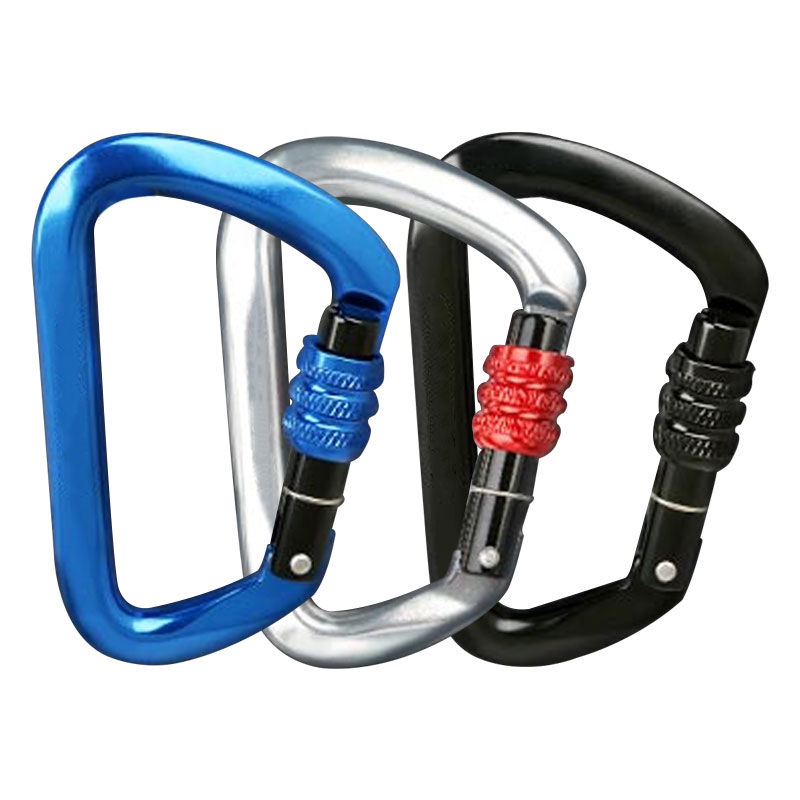
Understanding Hook Carabiner Specifications for Better Decision-Making
When evaluating hook carabiners, several specifications are critical to ensure performance and compatibility with your application. Key specifications include:
Load Capacity: This indicates the maximum weight the carabiner can safely handle. It is essential to choose a carabiner with a load capacity that exceeds your expected usage to ensure safety.
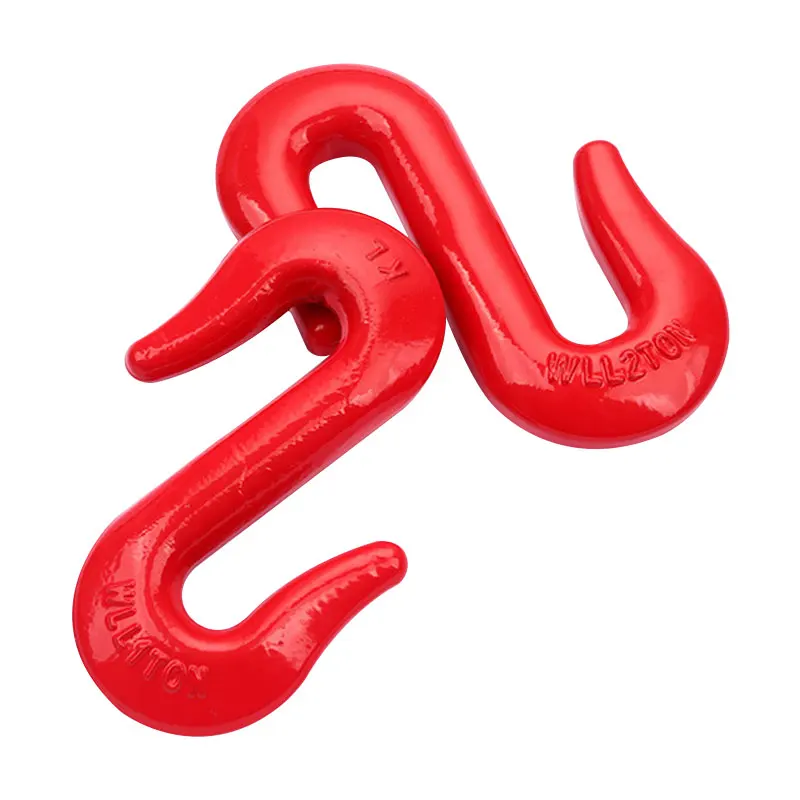
Material: Hook carabiners can be made from various materials, including aluminum and steel. Each material has different strengths, weights, and corrosion resistance properties, which impact their suitability for specific applications. For high-strength options, consider G100 Alloy Steel Lifting Rigging for your needs.
Dimensions: The size and shape of the carabiner affect how it fits into your rigging system. Ensure that the dimensions are compatible with the ropes or chains you are using.
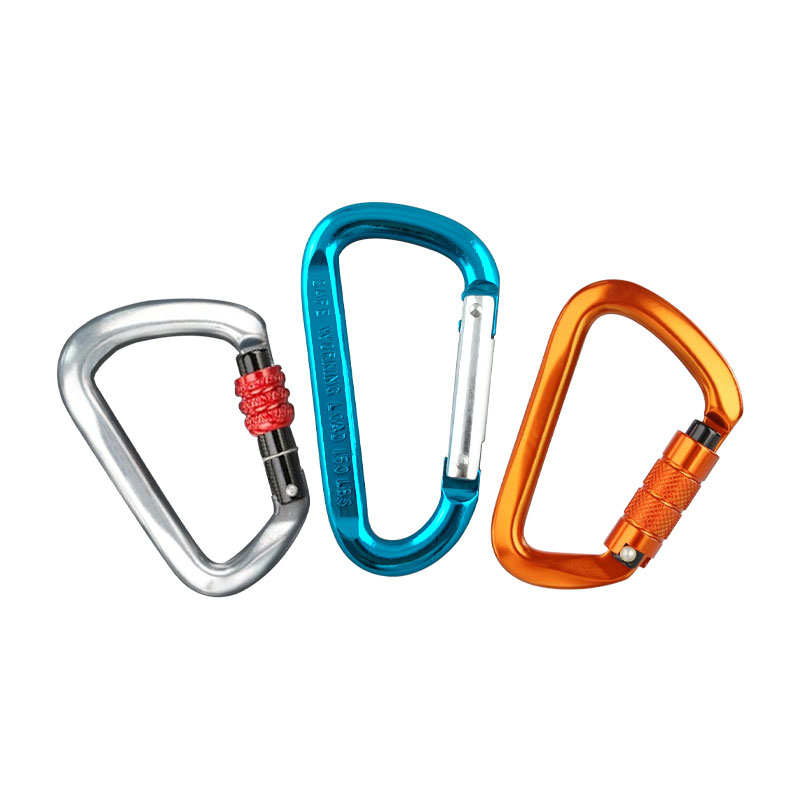
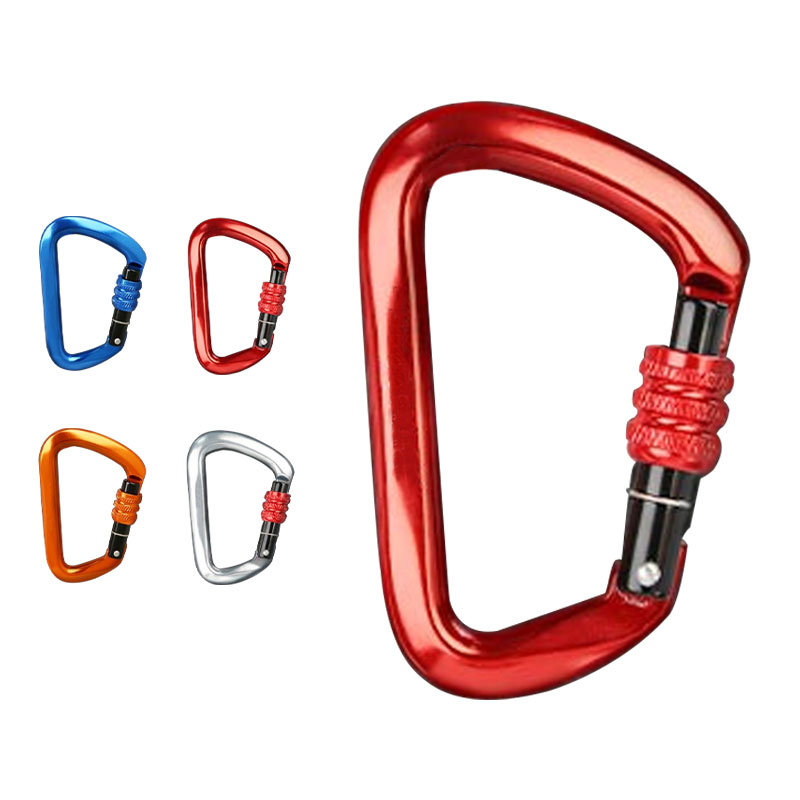
Gate Type: Different gate mechanisms (screw-lock, auto-lock, or non-locking) provide varying levels of security and ease of use. Consider the operational environment when selecting a gate type.
Understanding these specifications will help you select the right hook carabiner for your lifting needs and ensure safe and efficient operations.