Chain Turnbuckles: Key Specifications and Buying Tips

All Categories

chain turnbuckle

Chain  turnbuckles  are essential components  in the lifting and rigging industry,  used to adjust the tension or length  of a  chain or wire rope. As  a B2B buyer, understanding their  specifications  and applications  is crucial for  ensuring  safety and efficiency  in operations. This article will provide insights  into  key specifications  to consider when purchasing chain turnbuckles, essential buying considerations, common issues, cost  factors for bulk purchases, and  a comparison  of different materials used in their manufacture.


What Buyers Should Know

As  a buyer, it’s essential to understand  the broader context of your procurement needs. Here are some critical considerations:

Application and  Environment: Identify the specific use case for the turnbuckle  and the environmental conditions it will face. This will influence material selection, design, and any additional protective coatings that may  be needed.

Quality Certifications: Look for products  that  are CE  and ISO certified, which indicate  that they meet international safety  and quality standards. These certifications can offer peace  of mind regarding product reliability.

Customization Options: If your application has unique requirements, inquire about customization  options. Manufacturers like Shandong Lisheng Machinery may offer tailored solutions to meet specific  needs, such as unique sizes or materials.

Supplier Reputation: Research potential suppliers to ensure they have a track record of reliability and quality. Reviews, testimonials, and  case studies can  provide insights  into their performance  and customer service.

By addressing these  considerations,  buyers can make informed decisions that align with their  operational needs and safety requirements.
Common Problems with Chain Turnbuckles and Their Solutions

While chain turnbuckles are generally reliable, buyers should be aware  of common issues that can arise:

Corrosion:  Exposure to moisture  or chemicals can lead to  rust and degradation, particularly in non-stainless materials. To  mitigate this, select corrosion-resistant materials and  consider protective  coatings.

Thread Damage: Improper installation  or excessive  force can damage  the  threads, leading to failure. Regular inspection and proper  installation techniques  can help avoid this issue.

Misalignment: If the turnbuckle is  not aligned correctly with the load, it can lead to uneven tension and potential failure. Ensuring proper alignment during installation is critical.

Wear and Tear: Over time, turnbuckles can experience wear,  especially in high-use applications. Regular maintenance,  including inspections and timely replacements, is essential to ensure  safety.

By being proactive in identifying  and addressing these  issues, buyers can enhance  the longevity and reliability of their chain turnbuckles.

Cost Factors When Buying Chain Turnbuckles in Bulk

When purchasing chain  turnbuckles in bulk, several cost factors should be considered:

Unit  Price:  Bulk  purchases often come with discounted unit prices. However,  it’s  essential  to balance cost with quality  to avoid long-term  expenses from inferior products.

Shipping  Costs: Large orders can incur  significant shipping fees. Understanding  the logistics involved, including shipping methods and destinations, can help manage overall costs.

Lead Time: Custom  or bulk orders may have longer  lead times.  It's important to factor this into  project timelines,  as  delays can impact overall operations.

Minimum  Order Quantities (MOQ): Some suppliers may have MOQs that could affect purchasing decisions. Knowing the MOQ upfront can help in planning your orders.

By weighing these  factors, buyers can make cost-effective decisions that align with their operational budgets and timelines.

Comparing Different Chain Turnbuckle Materials and Their Benefits

The material of a chain turnbuckle significantly influences its performance and application suitability. Here are the most common materials used:

Steel: Known  for its high  strength and durability,  steel is a popular choice for applications requiring robust support.  However, it is susceptible to corrosion if not  properly coated or  maintained.

Stainless Steel: This material offers excellent  corrosion resistance, making it ideal for marine and outdoor applications. While  it may be slightly more expensive, its longevity and reliability often justify the cost.

Aluminum: Lightweight and resistant to corrosion, aluminum turnbuckles are suitable for  applications where weight is a concern. However, they may not be suitable for  extremely heavy loads due  to lower strength compared to steel.

Plastic/Composite Materials: Emerging as alternatives for specific applications,  plastic or composite turnbuckles are lightweight and  resistant  to corrosion. However, they typically have lower load capacities and  are best suited for non-critical applications.


When selecting a material, consider the specific  requirements of your application, including load capacity, environmental exposure, and any weight restrictions. Each material offers unique benefits, so aligning your choice with operational needs is  essential  for optimal  performance.

Key Specifications to Consider in Chain Turnbuckles

When evaluating chain turnbuckles,  several specifications are critical for determining their suitability for specific applications. Key factors to consider include:


Load Capacity: Ensure the turnbuckle can handle  the maximum load expected in your application. This is  typically defined in terms of working load limit  (WLL). Exceeding this limit  can lead to catastrophic failure.

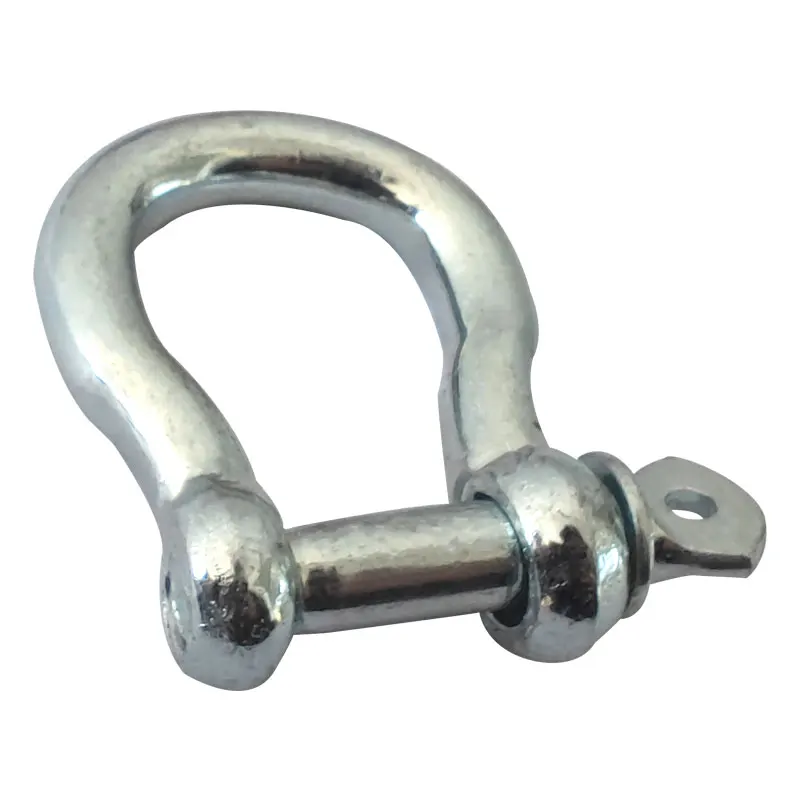
Material:  The material affects strength,  weight, and corrosion  resistance. Common materials include steel, stainless steel, and aluminum, each offering different performance characteristics. For marine or outdoor applications,  stainless steel  is often preferred due to  its resistance to corrosion. You can find high-quality Rigging Hardware 304 Stainless Steel European Type D Shackles that are ideal for such uses.

Dimensions:  The size of the turnbuckle, including the length and diameter, must match the  rigging components it will connect to. An incorrect size can lead to improper tensioning and increased wear.

Thread Type: Turnbuckles typically feature either left-hand or  right-hand threads. Understanding the threading is essential for proper installation  and adjustment.


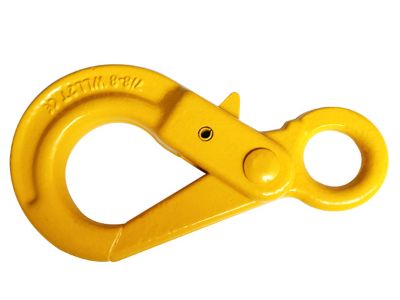
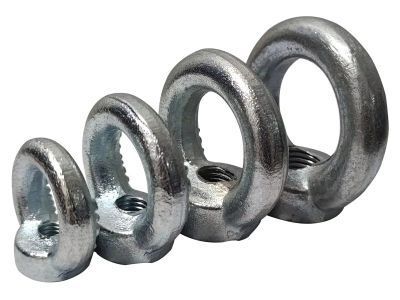
End Fittings: Options for end fittings include  hooks, eyes, or sockets. The choice depends on the type of  rigging being  used and the specific application requirements.

By focusing on these specifications, buyers can ensure that the selected chain turnbuckle will function effectively and safely in their intended application.

Why choose LoadStar chain turnbuckle

Professional service team

Before you place an order, our knowledgeable service staff can customise items to suit your specific requirements and after the successful Galvanized chain of the production process we have a team of professionals to inspect the quality of the product along with packaging and delivery to ensure your satisfaction.

We own our own factory

A factory is a place for companies to manage and control the 3 8 galvanized chain of production. This reduces production costs.

We company produced are sold to more than 30 countries

the products of the company are of 3 8 galvanized chain quality with complete specifications models the products are well-loved in more than 30 countries such as china iran pakistan saudi arabia the united arab emirates the united states the united kingdom australia argentina egypt

We have many years of production experience, products in line with national certification standards

our products have passed ce certification covering g30 Chain link galvanized g70 g80 g100 and meet the standards we are committed to providing high quality products that meet international standards to meet the growing needs of our customers our products are used in engineering construction in various countries and they still maintain their strength and quality after many years of use

Our Blog Posts

Top 4 Din766 chain manufacturers in Brazil

13

Oct

Top 4 Din766 chain manufacturers in Brazil

As far as the leading DIN766 chains manufacturers in Brazil are concerned, LoadStar emerges to be the popular name. LoadStar is a name known for quality, durability and reliability with the best cost / benefit market in Brazil. Whether you require he...
View More
Why Our Swivel Snap Hook is a Game-Changer for Preventing Load Spin

28

Oct

Why Our Swivel Snap Hook is a Game-Changer for Preventing Load Spin

High-Grade Swive Snap Hook for Bulk PurchasersA high-strength swivel snap hook for ultimate convenience in keeping loads secure to your roof rack. Our premium product, which is created to give safety and efficiency in different applications, is also ...
View More
The Difference Between aluminium alloy and Carbon steel Snap Hook

26

Nov

The Difference Between aluminium alloy and Carbon steel Snap Hook

Snap hooks are integral elements for different sectors which help to join ropes, chains or straps quickly. If you buy snap hooks in quantity, the material could make a huge difference. LoadStar provides snap hooks in aluminium alloy and carbon steel....
View More
Improving crane safety through proper Lifting shackle selection

28

Apr

Improving crane safety through proper Lifting shackle selection

Safety must come first when working with cranes. One of the biggest aspects of safety is choosing quality lifting shackles. The metal rings attach your crane to what you're lifting and if chosen properly, they could prevent potential accidents or inj...
View More

Related product categories