 EN
EN
 AR
AR
 BG
BG
 HR
HR
 CS
CS
 DA
DA
 NL
NL
 FI
FI
 FR
FR
 DE
DE
 EL
EL
 HI
HI
 IT
IT
 JA
JA
 KO
KO
 NO
NO
 PL
PL
 PT
PT
 RO
RO
 RU
RU
 ES
ES
 SV
SV
 TL
TL
 IW
IW
 ID
ID
 LT
LT
 SR
SR
 SL
SL
 SQ
SQ
 HU
HU
 TH
TH
 TR
TR
 FA
FA
 AF
AF
 MS
MS
 HY
HY
 AZ
AZ
 BN
BN
 SO
SO
 KK
KK
Turnbuckles are essential components in various industrial applications, providing tensioning and adjustment capabilities in rigging systems. As a B2B buyer, understanding the nuances of turnbuckle specifications, materials, and supplier reliability is vital for making informed purchasing decisions. This article will guide you through selecting the right turnbuckle for your needs, comparing specifications for optimal performance, and evaluating key factors when sourcing from suppliers.
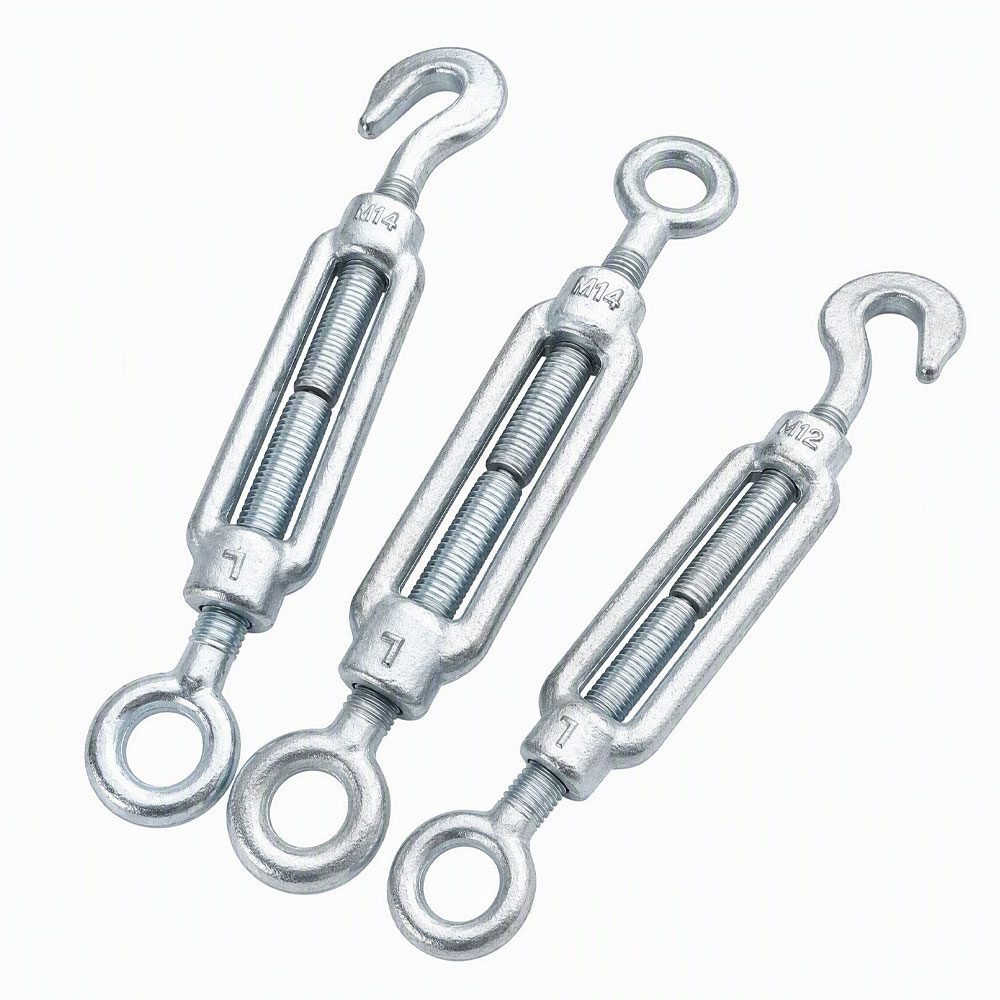
Comparing Turnbuckle Specifications for Optimal Performance
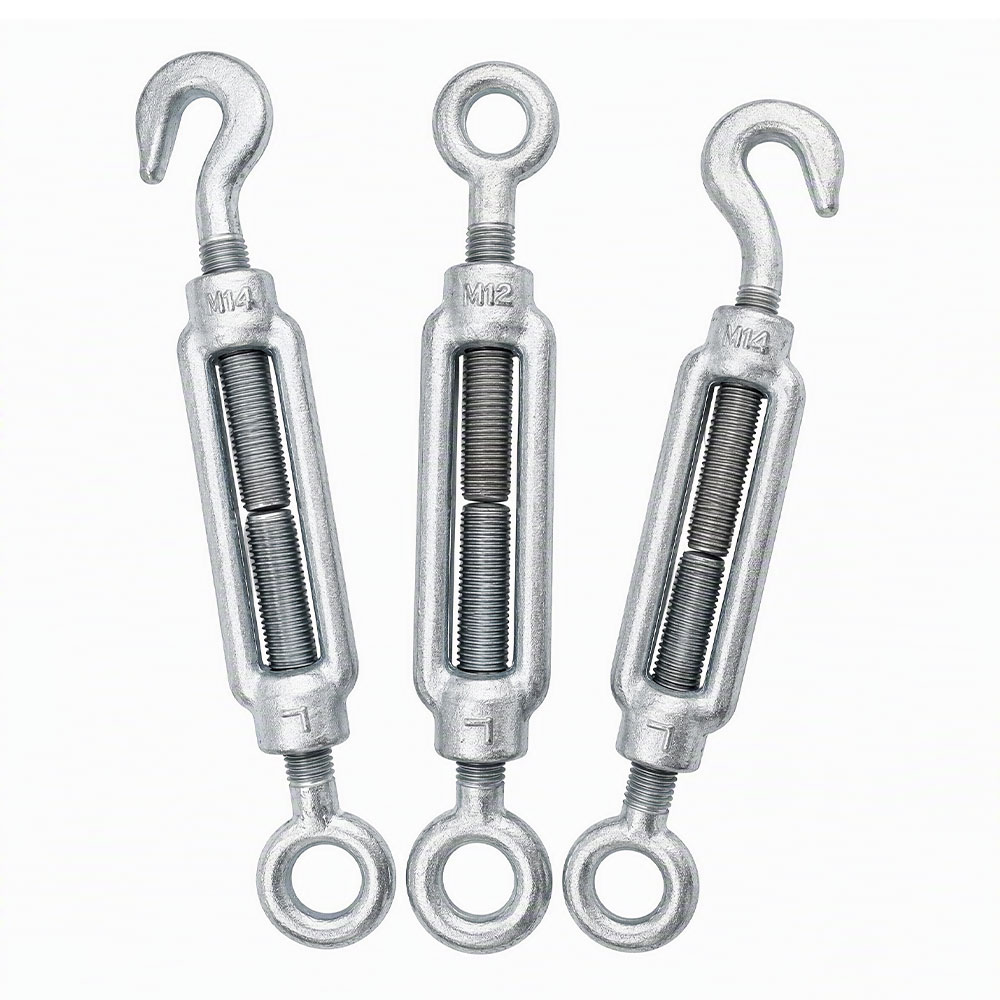
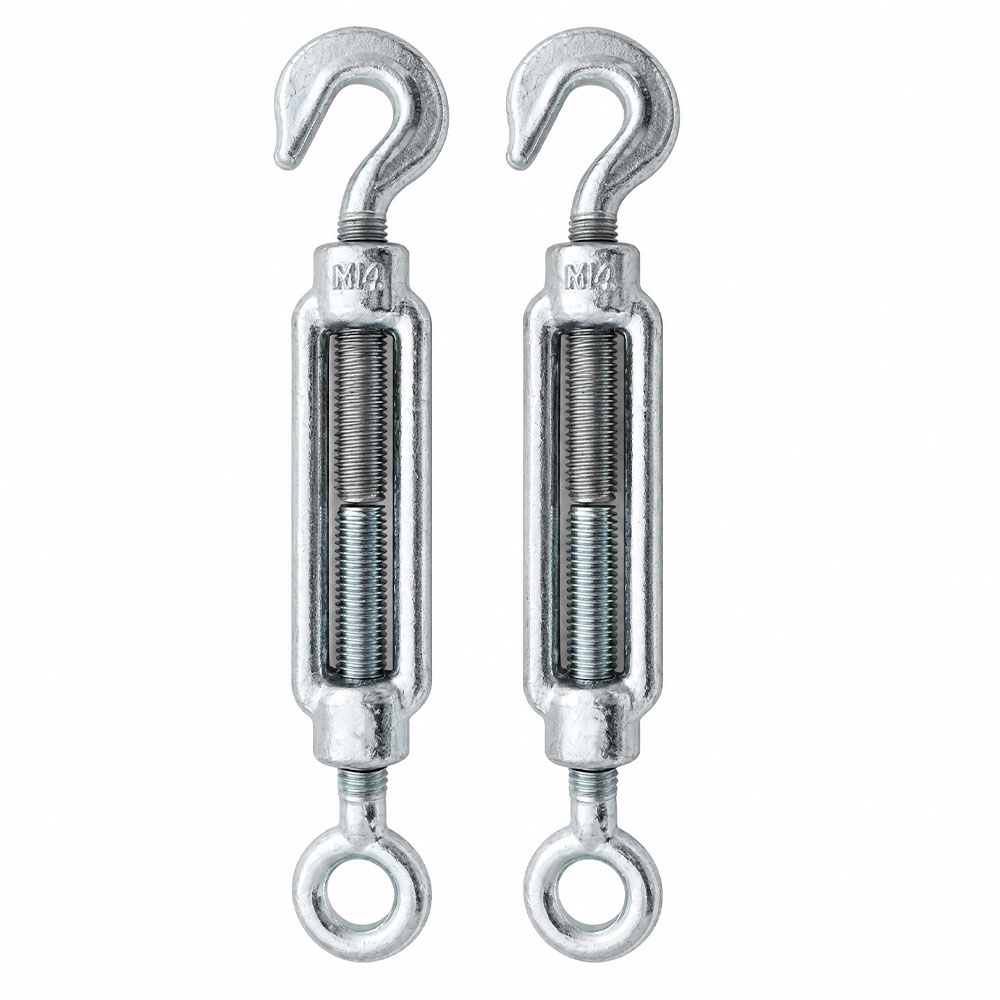
Turnbuckle specifications play a significant role in determining their performance and suitability for various applications. Key specifications to compare include:
Material: Common materials for turnbuckles include stainless steel, carbon steel, and aluminum. Stainless steel is often preferred for its corrosion resistance, while carbon steel provides strength at a lower cost. Select a material based on environmental exposure and load requirements.
Dimensions: The length and diameter of the turnbuckle affect its tensioning capability and compatibility with rigging components. Ensure the dimensions align with your existing systems to avoid compatibility issues.
Thread Type: Turnbuckles typically feature either left-hand or right-hand threads. Knowing the thread type is crucial for proper installation, as mismatched threads can lead to failure during operation.
Safety Factor: This is a measure of how much load a turnbuckle can handle beyond its rated capacity. A higher safety factor can provide additional assurance, especially in critical applications.
Evaluating these specifications ensures that you choose a turnbuckle that provides optimal performance, safety, and longevity in your industrial applications, including the use of Hoisting & Lifting Equipment when applicable.