 EN
EN
 AR
AR
 BG
BG
 HR
HR
 CS
CS
 DA
DA
 NL
NL
 FI
FI
 FR
FR
 DE
DE
 EL
EL
 HI
HI
 IT
IT
 JA
JA
 KO
KO
 NO
NO
 PL
PL
 PT
PT
 RO
RO
 RU
RU
 ES
ES
 SV
SV
 TL
TL
 IW
IW
 ID
ID
 LT
LT
 SR
SR
 SL
SL
 SQ
SQ
 HU
HU
 TH
TH
 TR
TR
 FA
FA
 AF
AF
 MS
MS
 HY
HY
 AZ
AZ
 BN
BN
 SO
SO
 KK
KK
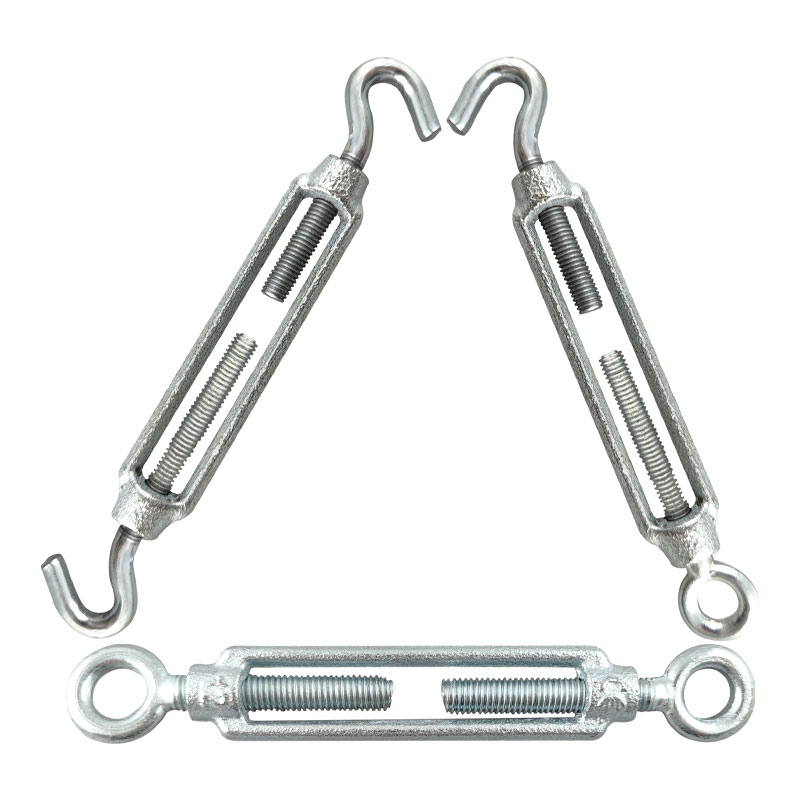
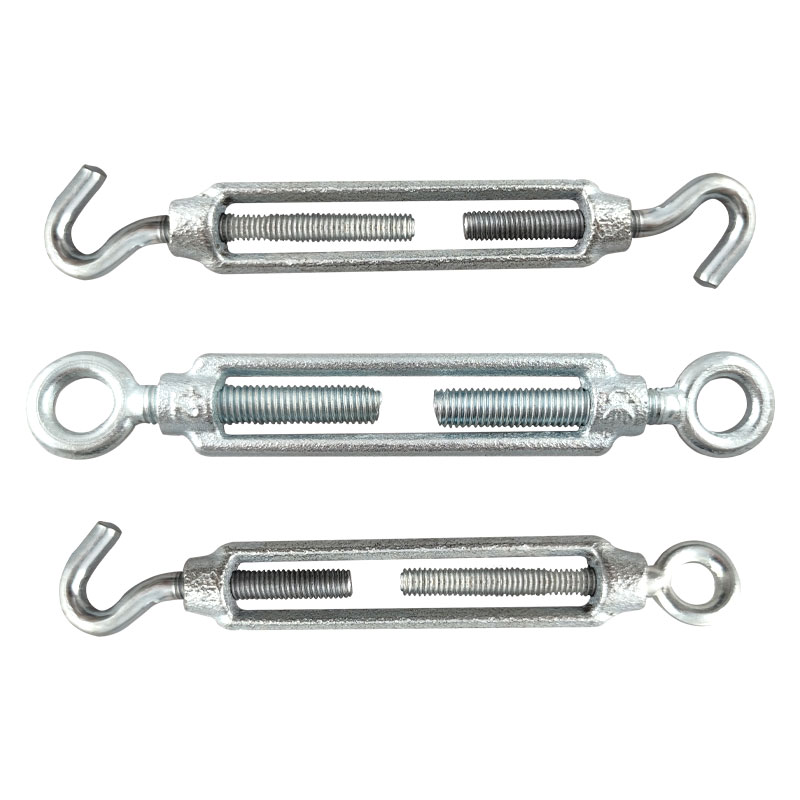
Tension turnbuckles are crucial components in the rigging and lifting industry, designed to adjust tension and secure connections in various applications. For B2B buyers, understanding the specifications, materials, installation guidelines, cost factors, and common issues related to tension turnbuckles is essential for ensuring safety, durability, and performance. This article will provide insights into these aspects to help purchasing managers, engineers, and product managers make informed decisions when sourcing tension turnbuckles. Galvanized iron chain DIN766 2mm to 32mm welding galvanized link chain
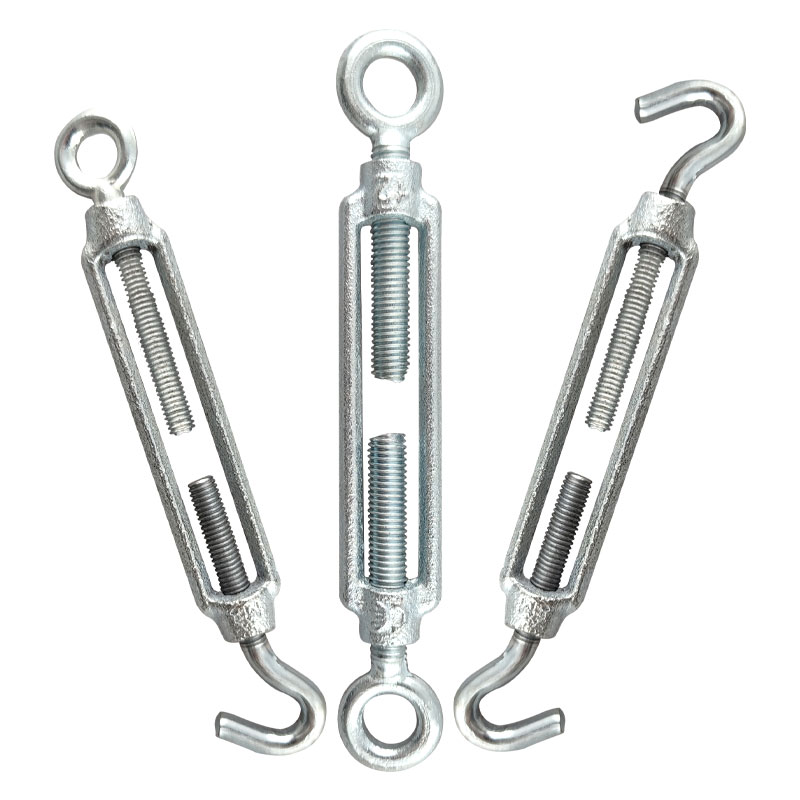
Evaluating Material Advantages of Tension Turnbuckles for Durability
The material used in tension turnbuckles significantly affects their durability and performance under various conditions.
Stainless Steel: Known for its excellent corrosion resistance, stainless steel tension turnbuckles are ideal for marine applications or environments with high humidity and exposure to chemicals. They maintain structural integrity over time, reducing the risk of failure.
Carbon Steel: While generally less expensive than stainless steel, carbon steel turnbuckles may require protective coatings to prevent rust. They are often used in construction and industrial settings where exposure to moisture is minimal.
Alloy Steel: Offering enhanced strength and fatigue resistance, alloy steel turnbuckles can handle higher loads and dynamic forces. They are suitable for heavy-duty applications but may be more susceptible to corrosion unless properly treated. G80 ALLOY STEEL LIFTING RIGGING
When selecting materials, buyers should consider the environmental conditions the turnbuckles will face, as well as the specific load requirements of their projects.