Key Specifications for Sourcing Sleeve Aluminium

All Categories

sleeve aluminium

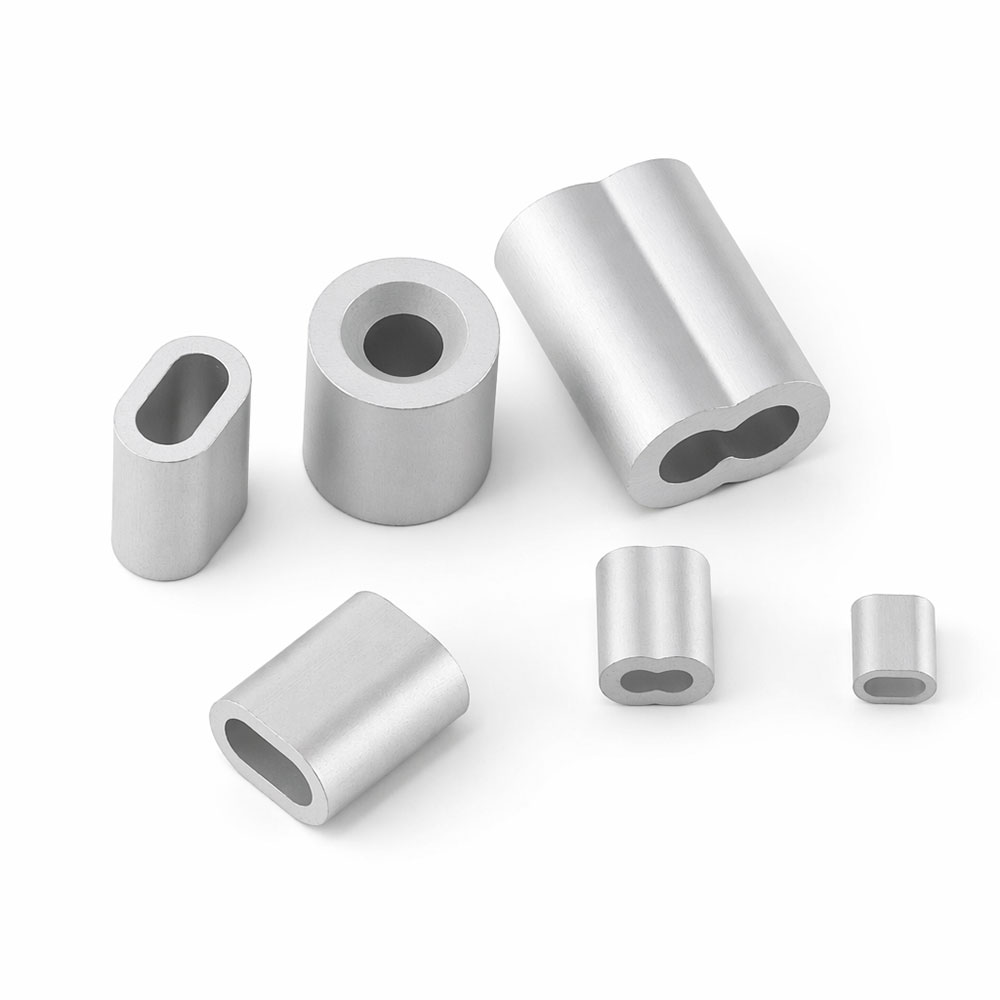
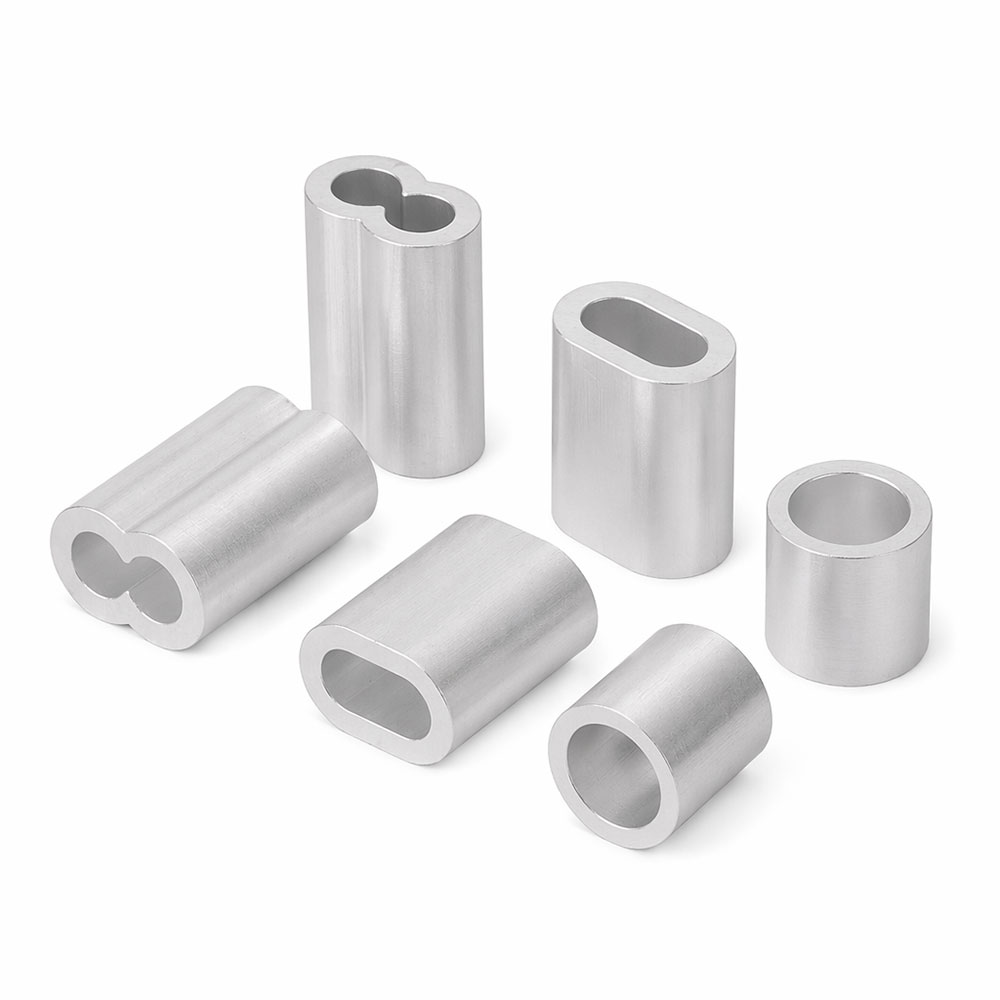
When considering  sleeve aluminium for your  projects,  it's crucial to understand its specifications, applications, and quality assurance methods. Sleeve  aluminium refers to  cylindrical or tubular sections  made from aluminium that  are used  in various industrial applications,  including rigging and lifting. This article will provide valuable insights  for purchasing managers, engineers, and product managers,  covering essential  specifications to  consider, tips for  wholesale purchasing, methods  to evaluate  quality, common issues,  and how to  find  reliable suppliers.
 

Our Products

Wholesale Purchasing Tips for Sleeve Aluminium Suppliers

Wholesale Purchasing Tips for Sleeve Aluminium Suppliers

When purchasing sleeve aluminium in  bulk,  consider the following tips to  facilitate smoother transactions and ensure  quality:

Request Samples: Before committing to a large order, always ask for samples. This allows you to assess the quality  and confirm  that the specifications meet your project requirements. Pay attention to the finish and  dimensions to ensure they align with  your needs.

Understand Minimum Order Quantities (MOQ): Different  suppliers may have  varying MOQs. Clarify these requirements upfront to avoid surprises later in the procurement process.

Negotiate Pricing: Bulk purchases often  come with discounts, so don’t hesitate to negotiate pricing based on volume commitments. Also,  inquire about any additional costs such as shipping  or packaging fees.


Check Lead Times: Understand the lead times  for production  and delivery. This  is crucial for project planning, especially if  your timeline is tight. A reputable supplier should  provide a clear timeline that includes potential delays.

Supplier Reputation: Research potential suppliers through reviews and testimonials. Engaging with other clients can provide  insights into their reliability and quality of service.
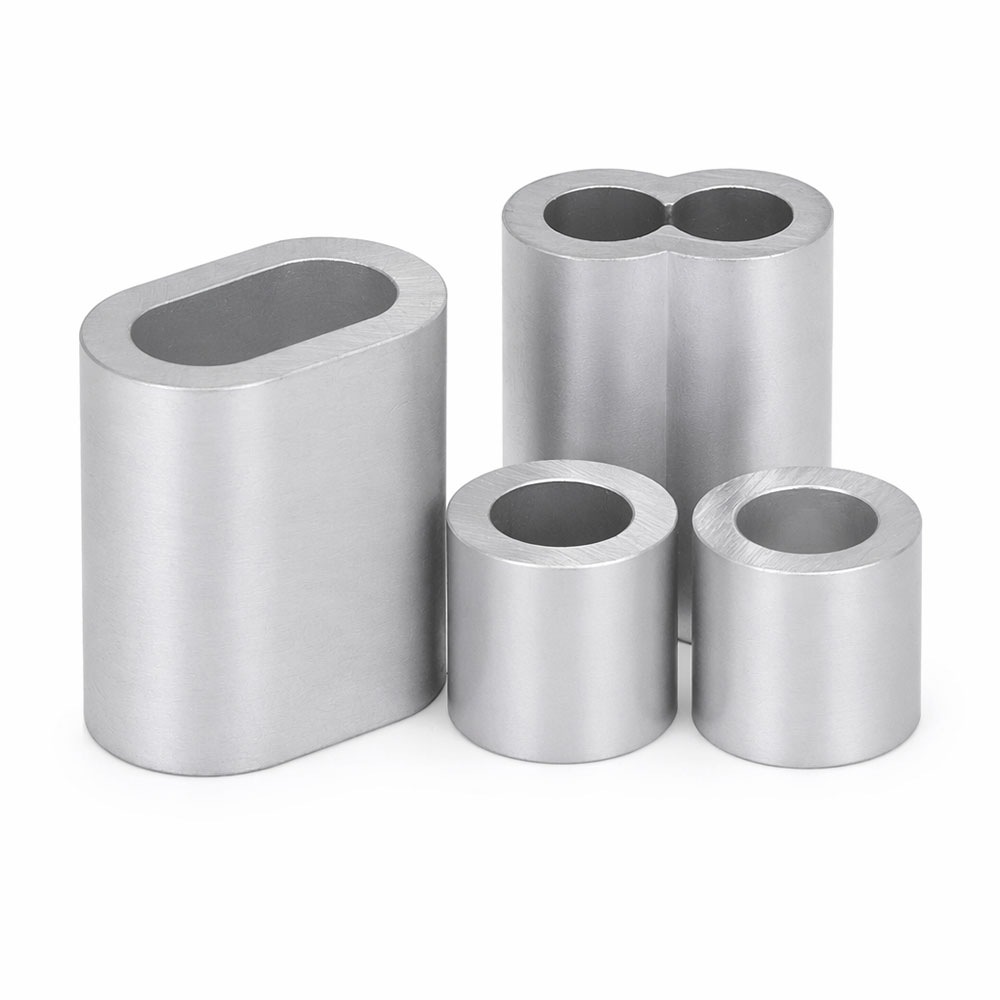
Evaluating the Quality of Sleeve Aluminium for Your Projects

Evaluating the Quality of Sleeve Aluminium for Your Projects

Quality evaluation of  sleeve aluminium is essential  to  ensure that  it meets the necessary performance  standards.  Here are some strategies to  effectively assess  quality:

Visual Inspection: Check for any visible defects such as dents, scratches, or irregularities in the surface finish. These can  affect performance and  longevity.

Dimensional Verification:  Use calipers or other measuring tools to verify that the dimensions match the specifications  provided. Even minor discrepancies can lead to significant issues in application.

Material Testing: If possible, request material test reports  that indicate tensile strength,  fatigue resistance, and corrosion resistance. This data provides assurance that the aluminium will perform as expected under load.

Quality Control Processes: Inquire about the manufacturer's quality control  procedures. A  robust quality assurance  program that includes regular inspections and testing can significantly reduce  the risk of defects.

Feedback from Previous Users: Seek feedback from other companies or users who have utilized the  same sleeve aluminium product. Their experiences can provide valuable insights into the product's long-term performance and reliability.

 
Common Problems with Sleeve Aluminium and Effective Solutions

Common Problems with Sleeve Aluminium and Effective Solutions

Despite its  advantages, sleeve aluminium can present certain challenges. Here are some common issues  and how to  address them:

Corrosion: Aluminium can corrode  when  exposed to certain  environments, particularly in marine applications. To mitigate  this, consider using anodized aluminium or applying protective coatings that enhance  corrosion  resistance.

Dimensional  Tolerances: Inconsistent manufacturing processes can lead to dimensional variations. Establishing clear  specifications and working closely  with  suppliers who have stringent quality control measures can help minimize these discrepancies.

Weldability: If you plan  to weld sleeve aluminium, ensure that the chosen grade is suitable for welding. Some alloys may not perform well if subjected to welding processes. Consultation with the manufacturer can provide clarity on  this aspect.

Weight Capacity Miscalculations: Misjudging  the load-bearing capacity can lead to failures. Always adhere to manufacturer guidelines and  conduct load tests before deployment in critical applications.


Supply Chain Issues: Delays in supply can disrupt projects. Building a relationship with multiple suppliers  can provide alternatives,  ensuring project timelines are met. Utilizing resources like Galvanized iron chain DIN766 2mm to 32mm welding galvanized link chain can also help in ensuring a steady supply.

Where to Find Reliable Suppliers of Sleeve Aluminium Products

Finding trustworthy suppliers  for sleeve aluminium is  crucial to securing quality materials. Here  are some strategies to identify reliable  suppliers:

Industry Directories: Utilize online directories and databases specific to the manufacturing and industrial sectors. These platforms often include reviews and  ratings that  can  help in evaluating suppliers.

Trade  Shows and Expos: Attend industry trade shows and expos where you can meet suppliers in person, evaluate their products, and establish direct communication.

Networking: Engage with industry professionals and peers. Personal recommendations from colleagues can lead  you to reputable  suppliers that may not be widely advertised.

Online Research: Conduct thorough online research to find manufacturers with a strong  presence in the  sleeve  aluminium market. Look for companies with comprehensive websites that provide detailed product information and  certifications.

Request  for Proposals (RFPs): When looking to source sleeve aluminium, issuing  RFPs can attract multiple  suppliers. This allows you to compare offerings, prices, and terms before making a decision.

By understanding these key aspects of  sleeve aluminium, industry professionals  can make informed decisions that enhance  project outcomes and ensure compliance with safety and quality standards.

Key Specifications to Consider When Sourcing Sleeve Aluminium

When sourcing sleeve aluminium, several key specifications must be taken into account  to ensure compatibility  with your applications. These include:


Material Grade: The aluminium alloy used can  significantly  affect performance. Common grades include 6061 and 6063, known for their good mechanical properties and corrosion resistance. The choice of alloy should align  with the specific requirements of your project, such  as load-bearing capacity and environmental conditions.

Dimensions: The diameter,  wall thickness, and length of the sleeve are critical factors. These  dimensions  impact the sleeve’s strength and suitability for specific applications. Ensure you provide precise  measurements when requesting quotes to avoid compatibility issues.


Weight Capacity: Depending  on the application, sleeve aluminium must support specific weight loads. Verify the manufacturer’s specifications and test results to ensure the selected  product meets your load requirements. For example, using G80 ALLOY STEEL LIFTING RIGGING can provide additional support for heavy loads.


Surface Treatment: Coatings or anodizing can enhance corrosion resistance and durability. It’s important to evaluate  whether the treatment is suitable for the environment in which the sleeve will be used,  especially in  marine  or industrial settings.

Certifications: Look for products that are CE and ISO certified, as these certifications indicate adherence to  international quality and safety standards, ensuring reliability in high-stakes applications.

Why choose LoadStar sleeve aluminium

We company produced are sold to more than 30 countries

the products made by the company are high-end with complete specifications designs they are well-known in over 30 countries includes wire rope sling iran pakistan saudi arabia the united arab emirates

We own our own factory

Galvanized chain a factory permits companies to oversee and control the entire production process. This can reduce the cost of production.

Professional service team

Prior to placing your order, our expert service personnel can customize products according to your specifications and, after the completion of the production process we have a team of professionals to inspect the quality of the product hot dipped galvanized chain, delivery and quality inspection to ensure that you are satisfied.

We have many years of production experience, products in line with national certification standards

our products have passed ce wire rope sling covering g30 g43 g70 g80 g100 and meet the standards we are committed to providing high quality products that meet international standards to meet the growing needs of our customers our products are used in engineering construction in various countries and they still maintain their strength and quality after many years of use

Our Blog Posts

How Can Snap Hooks Enhance Safety in Everyday Lifting Tasks?

26

Mar

How Can Snap Hooks Enhance Safety in Everyday Lifting Tasks?

If you have snap hooks, which are pretty much required gear for raising things respectably. They spares us even more pain as we work. They are such excellent safety helpers when we hoist heavy things up — LoadStar snap hooks.Snap-hooks are used to ke...
View More
Understanding the safety factor requirements of an Industrial Snap Hook

13

Jan

Understanding the safety factor requirements of an Industrial Snap Hook

In a lot of workplaces there are heavy things that need to be lifted and/or transported in some way. Industrial snap hooks are the tools that make this possible. They hold various pieces of equipment together firmly. Safety factors especially must be...
View More
The impact of extreme temperatures on the performance of a Snap Hook

13

Jan

The impact of extreme temperatures on the performance of a Snap Hook

Very low temperatures can tremendously impact the functioning of a Snap Hook. A Snap Hook is a type of rigging gear that is mainly used for attachment, so it is generally found in climbing, sailing, and industrial settings. Depending on the high or l...
View More

Related product categories