Aluminum Sleeves for Lifting Applications

All Categories

aluminum sleeve

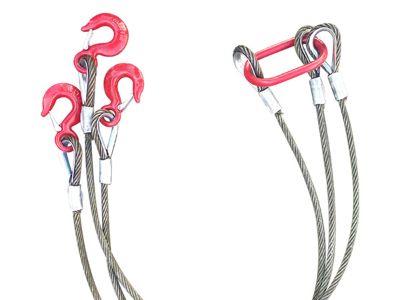
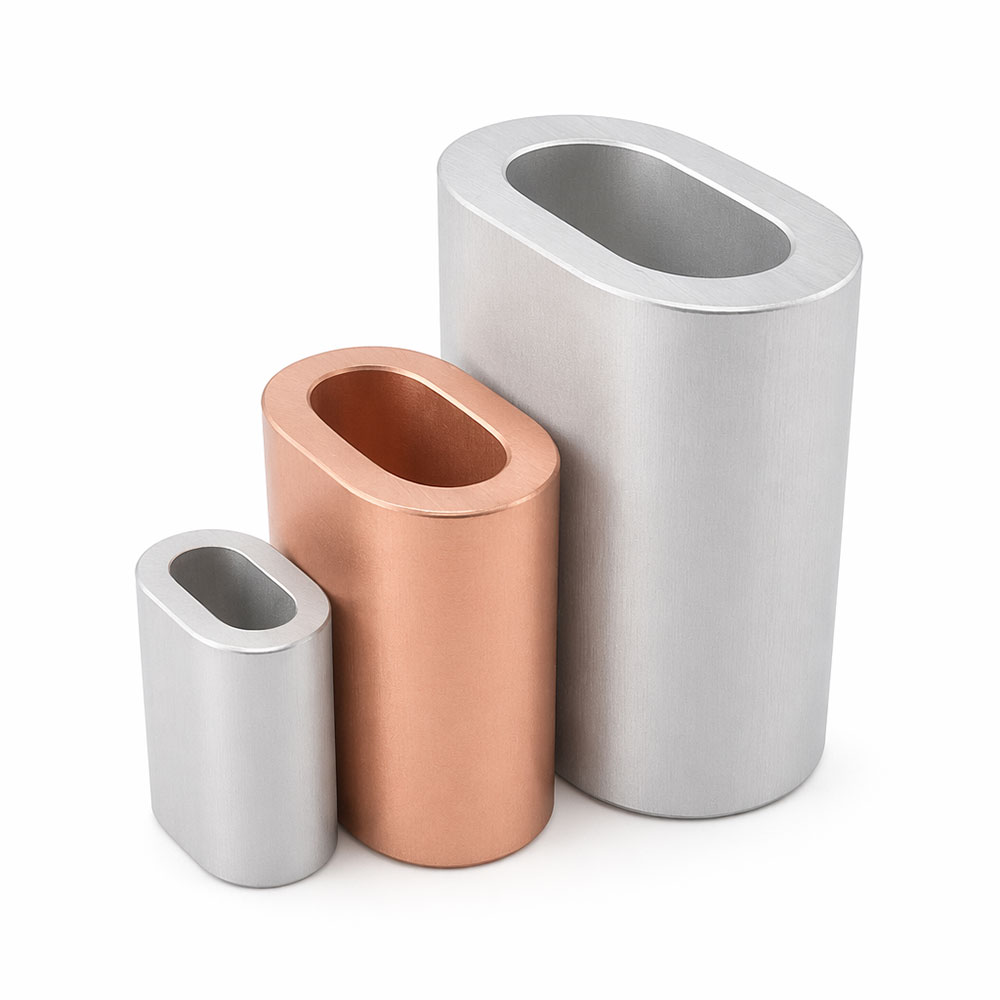
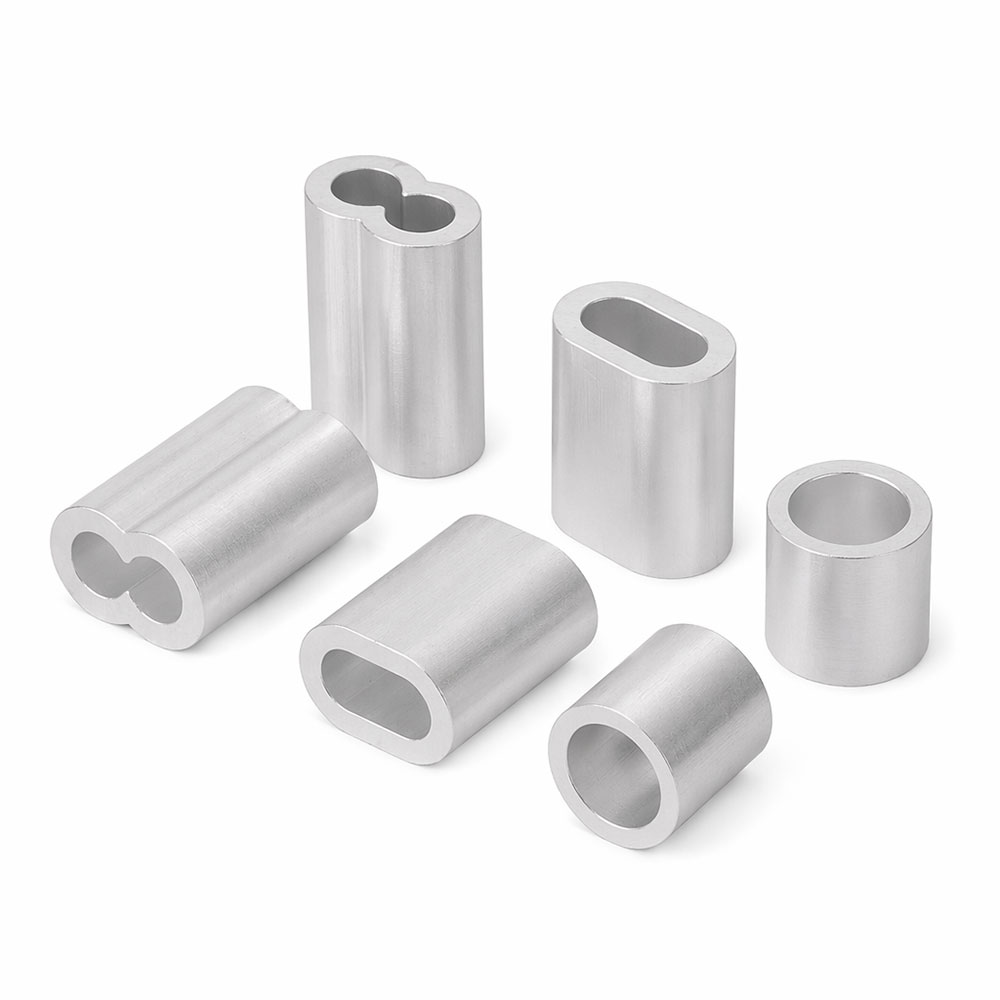
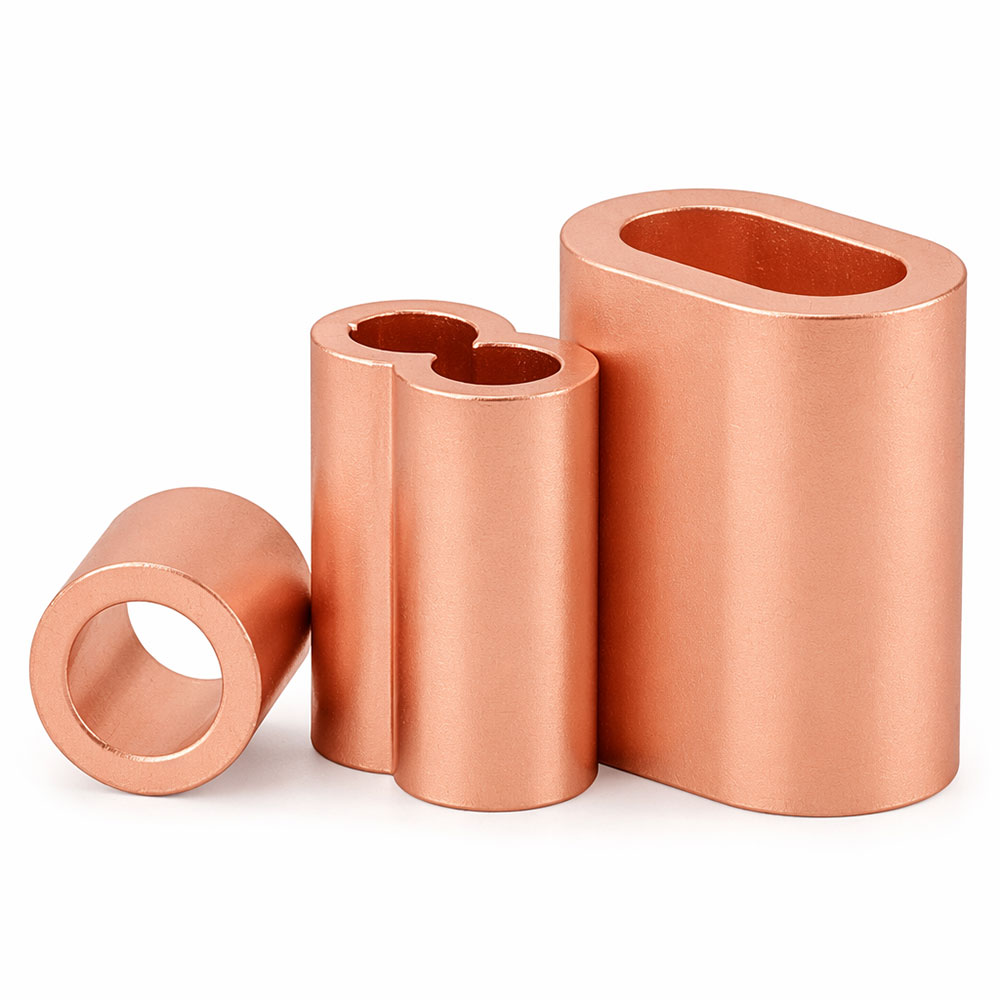
Aluminum sleeves are crucial components in various lifting applications, particularly in the manufacturing and  construction sectors.  These sleeves  serve to connect  wire  ropes or chains,  ensuring the integrity and strength  of rigging systems.  As a B2B  buyer, your  primary  concerns  likely revolve around product  specifications,  compatibility with existing equipment, and overall  performance. This article will guide you through essential considerations when selecting aluminum sleeves, installation best  practices,  cost factors,  their applications, and  the  inherent material advantages. If you are also interested in related products, consider exploring our Link Chains for additional options.
How to Install Aluminum Sleeves for Optimal Performance

How to Install Aluminum Sleeves for Optimal Performance

Proper installation of aluminum sleeves is  essential for maintaining the integrity of your  lifting system. Here are best practices to follow:

Preparation: Before installation, inspect both the  aluminum sleeve and the wire rope or chain for any  signs of damage or wear.  Ensure that the materials are clean and free of debris to prevent any contamination that could affect performance.


Alignment: The sleeve must be aligned correctly with the wire rope  or chain.  Misalignment can lead to uneven  loading and potential failure. Use a proper alignment  tool if necessary to ensure accuracy.

Crimping Process: When crimping the sleeve onto the  wire rope, use a designated crimping tool that matches the sleeve's  specifications. Apply even pressure during the crimping process to ensure a secure fit. It’s advisable to perform a test crimp on a sample piece  before proceeding to full production.

Testing: After  installation, conduct a load test to verify the integrity of the connection. This step is especially critical when the sleeves are used in high-stress applications.

Regular Inspection and Maintenance: Periodically check the installed  sleeves for  any signs of wear or fatigue. Regular maintenance can help identify potential  issues before they lead to failure.


By adhering to these installation guidelines, you can enhance  the  performance and longevity of your aluminum sleeves in lifting applications. For additional insights on lifting systems, check our Hoisting & Lifting Equipment section.
Cost Factors to Consider When Purchasing Aluminum Sleeves

Cost Factors to Consider When Purchasing Aluminum Sleeves

Understanding the cost  factors associated with aluminum sleeves is vital for making informed purchasing decisions. Here are some key factors that can influence pricing:

Material Quality: Higher-quality aluminum alloys typically come at a premium. While it may be tempting  to opt for  cheaper materials, consider  how  this might  impact  performance and safety in the long run.

Manufacturing Process: The method used to produce the  sleeves can affect costs. For  example, precision-machined aluminum sleeves may be  more expensive than those produced through simpler methods. However, investing in  higher-quality  manufacturing can yield better performance and longer life.


Volume of  Purchase: Bulk purchases often come with discounts. If you anticipate a significant need for aluminum sleeves, negotiating with suppliers for bulk pricing can lead to cost savings.

Customization: If your application requires custom specifications  (size, finish, etc.), be prepared for additional costs. Customization can significantly affect lead times and pricing, so it’s essential to  communicate  your requirements clearly to the supplier.

Shipping  and Logistics: Consider the shipping costs associated with transporting aluminum  sleeves, especially if purchasing from overseas manufacturers. Factor in logistics, as longer lead times can  also impact your project timelines and associated costs.

By considering these factors, you can better evaluate your budget and make more strategic purchasing decisions.

Applications of Aluminum Sleeves in Manufacturing and Construction

Applications of Aluminum Sleeves in Manufacturing and Construction

Aluminum sleeves serve a variety of  applications in both manufacturing and construction sectors. Their versatility and strength make them  suitable for:

Rigging and Lifting: In construction, aluminum sleeves are frequently  used to connect wire ropes or chains in lifting applications, ensuring safe and reliable handling of heavy loads.

Marine Engineering:  Due to their corrosion resistance,  aluminum sleeves are  ideal  for marine applications, such as securing equipment  on boats and ships,  where exposure to saltwater is a concern. This is particularly relevant for our Marine & Anchor Equipment offerings.


Transportation: In the transportation industry, these sleeves can be used in various applications,  including securing cargo and creating strong connections in lift systems.

Aerospace and Aviation:  Aluminum sleeves are also utilized in aerospace applications, where weight savings are critical, and high-strength connections are required for safety.

Automotive: In  automotive manufacturing, aluminum sleeves  can connect various components, contributing to vehicle safety and performance.

Understanding these applications  can help buyers identify the  best  solutions  for their specific needs and ensure the appropriate  aluminum sleeves are selected for  each task.

Understanding the Material Advantages of Aluminum Sleeves

Aluminum offers  several material advantages that  make it a popular  choice for  sleeves in lifting  and rigging  applications:

Lightweight: Aluminum is significantly lighter  than steel, which  can reduce overall weight in lifting applications, making it easier to handle and install.

Corrosion Resistance: Aluminum naturally forms a protective oxide layer, which helps resist corrosion. This property is particularly  beneficial in environments exposed to  moisture or chemicals, enhancing the lifespan of the sleeves.

Strength-to-Weight Ratio: Aluminum provides an excellent strength-to-weight ratio, meaning it can support heavy loads without adding excessive weight  to the rigging system.

Conductivity:  Aluminum is an excellent conductor of electricity and heat, which can be advantageous in specific applications where electrical properties are necessary.

Recyclability:  Aluminum is highly recyclable, making it an  environmentally friendly option. Using aluminum sleeves can contribute to sustainability efforts in manufacturing and construction.

By understanding the material advantages of aluminum  sleeves, buyers can make  informed decisions that align with their performance and sustainability goals.

Selecting the right aluminum sleeves requires careful consideration of specifications, installation methods, cost  factors, applications, and material advantages. This knowledge will empower B2B buyers  to make informed purchasing decisions that enhance the  safety and efficiency  of their operations.

Key Specifications to Consider for Aluminum Sleeves

When selecting aluminum sleeves, several key specifications must be evaluated to  ensure optimal  performance and safety.


Material and Grade:  Aluminum sleeves  are typically made from high-strength  aluminum alloys. The specific alloy used  can significantly affect the sleeve's tensile strength and corrosion resistance. For instance, 6061  aluminum is common due to its excellent mechanical properties and weldability, making  it suitable for various applications.

Diameter  and Wall Thickness: The diameter of the sleeve  should match the wire rope or chain it is designed to accommodate. An incorrect diameter can lead to  slippage or failure under load. Wall thickness is equally important; a thicker sleeve generally provides better safety margins but may add weight.

Load Rating: Each aluminum sleeve has a  specific load rating that indicates the maximum weight it can safely support. This rating should be verified  against the expected loads in  your application to prevent  accidents.

Finish and Coating: Some aluminum sleeves come with anodized finishes that enhance corrosion resistance, which is particularly important in marine  or  outdoor applications. When selecting a sleeve, consider whether such coatings are necessary based on the intended environment.

Certification and Compliance: Ensure that the aluminum sleeves are CE and ISO certified, as these certifications indicate compliance with international quality and safety  standards.

Understanding these specifications is crucial for ensuring that the aluminum sleeves meet your operational  needs and safety requirements.

Why choose LoadStar aluminum sleeve

We have many years of production experience, products in line with national certification standards

our products have passed ce certification covering g30 g43 g70 g80 Wire rope hoist and meet the standards we are committed to providing high quality products that meet international standards to meet the growing needs of our customers our products are used in engineering construction in various countries and they still maintain their strength and quality after many years of use

We own our own factory

Own factory ensures that every link from raw materials to wire rope sling of product production can be controlled. Owned factories allow businesses to directly manage and control the process of production, thus cutting production costs in a more efficient manner.

We company produced are sold to more than 30 countries

the products of the company are of high-quality are fully-specified designs they have a good reputation across more than Galvanized chain including china iran pakistan saudi arabia the united arab emirates

Professional service team

wire rope sling the product has been created Professionals will examine the product for quality, then package it, and then deliver it to you.

Our Blog Posts

Top 5 wholesale supplier for Chain Lifting Hooks

19

Sep

Top 5 wholesale supplier for Chain Lifting Hooks

If you are in search of high quality S hook lifting hooks wholesale suppliers, your search ends here! With our high-quality products and unbeatable prices, you can’t find a better deal!We carry an extensive range that meets all of your towing needs f...
View More
Top Reasons to Partner with a Trusted Snow Chains Manufacturer

27

Mar

Top Reasons to Partner with a Trusted Snow Chains Manufacturer

Hence, while you are driving in the snow you need to be cautious and ensure your safety. Driving's tricky when the weather's snowy, but LoadStar makes snow chains that could help you and other road users stay safe! One of the best choices for all win...
View More
What Are the Common Mistakes to Avoid When Using Snap Hooks?

03

Apr

What Are the Common Mistakes to Avoid When Using Snap Hooks?

Hello, friends. Today, we are going to discuss some really important stuff: snap hooks. Snap hooks are small devices used to provide security, but users sometimes make mistakes with them. Let’s go through these top 5 mistakes so we can stay safe whil...
View More
Identifying fatigue failure signs in a used Industrial Snap Hook

22

Jan

Identifying fatigue failure signs in a used Industrial Snap Hook

These instruments can wear down over time. If you can tell the signs of failure from fatigue, it can keep you safe. LoadStar has the best snap hooks in the industry everyone can agree on this. Fatigue failure occurs when metal is put under stress ove...
View More

Related product categories