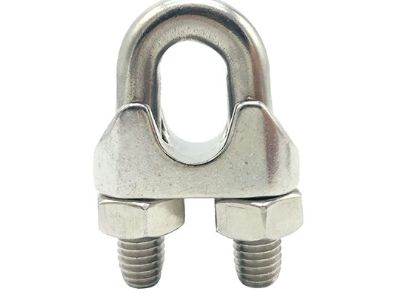
Key Factors in Sourcing Quality Rope and Cable

All Categories

rope and cable

Rope and cable products  are  essential components in numerous industries, including  construction, marine engineering, and transportation.  When sourcing these products, B2B  buyers  often have  concerns  regarding  quality, suitability for specific applications, and cost.  This article  will  provide insights into  key specifications, material advantages,  cost  considerations,  common issues,  and  reliable  supplier  sourcing to help purchasing managers and engineers make informed decisions.
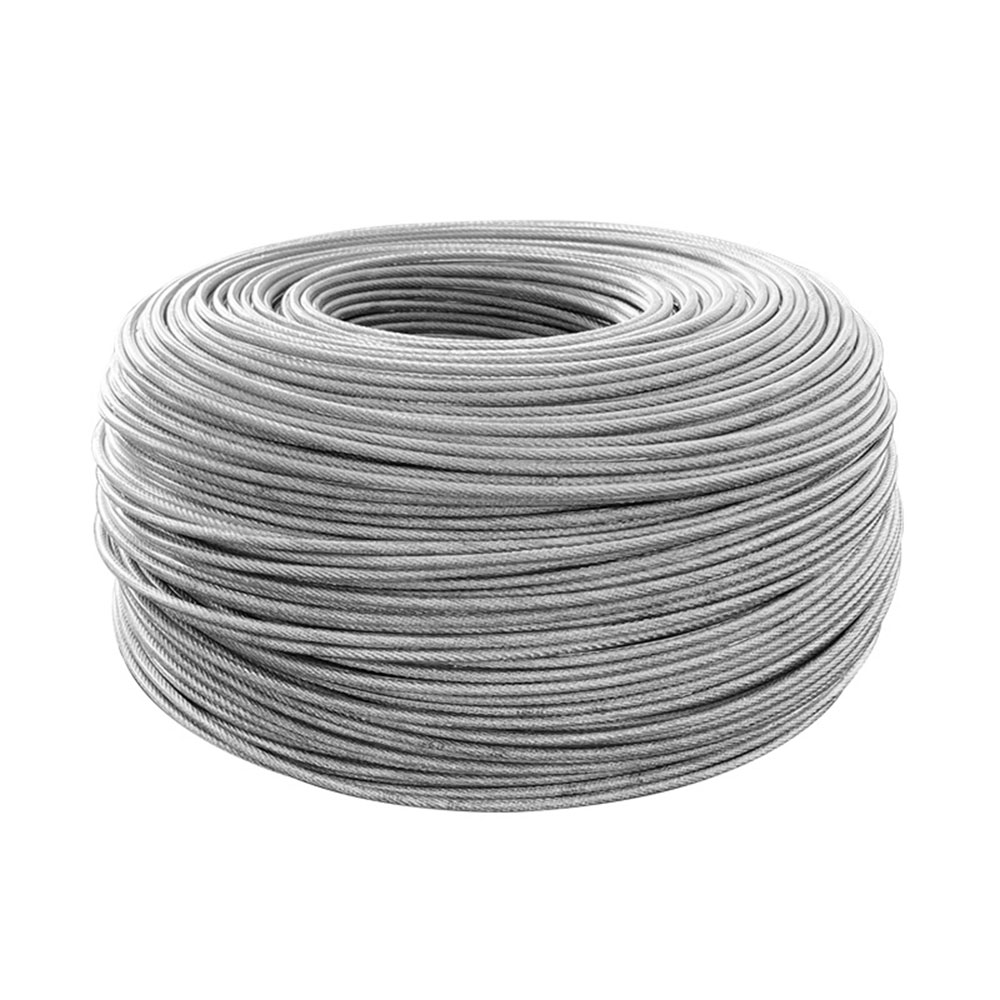
Understanding Material Advantages in Rope and Cable Products

Understanding Material Advantages in Rope and Cable Products

Choosing the right  material for rope  and cable products is essential for optimizing performance and longevity. Each material offers distinct advantages:

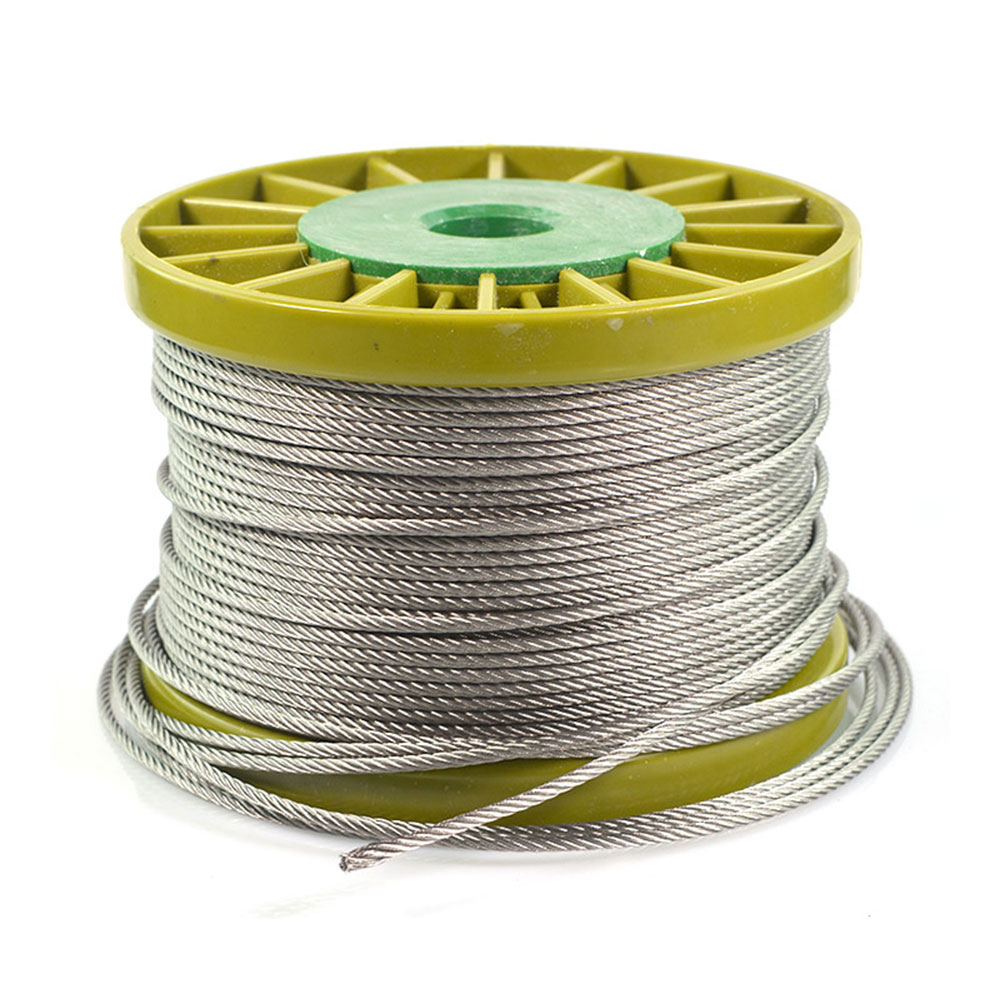
Steel: Known for its exceptional strength and durability, steel cables are suitable for heavy lifting in construction and industrial applications. They  are resistant  to wear and are often used in cranes and hoists.

Nylon: This synthetic material is known for its elasticity and resistance to abrasion. Nylon ropes can absorb shock loads effectively,  making  them ideal  for marine applications where dynamic loads are common.

Polypropylene: Lightweight  and resistant to water, polypropylene ropes are often used  in marine settings. They float on water and are resistant to rot, making them a popular choice for marine applications.

Polyester: Offering low stretch and high UV  resistance, polyester ropes are ideal for applications requiring  consistent performance under  varying environmental conditions, such as in  outdoor  settings.

Selecting  the  appropriate  material based on the specific application can significantly extend  the lifespan of the rope or cable and reduce maintenance costs.
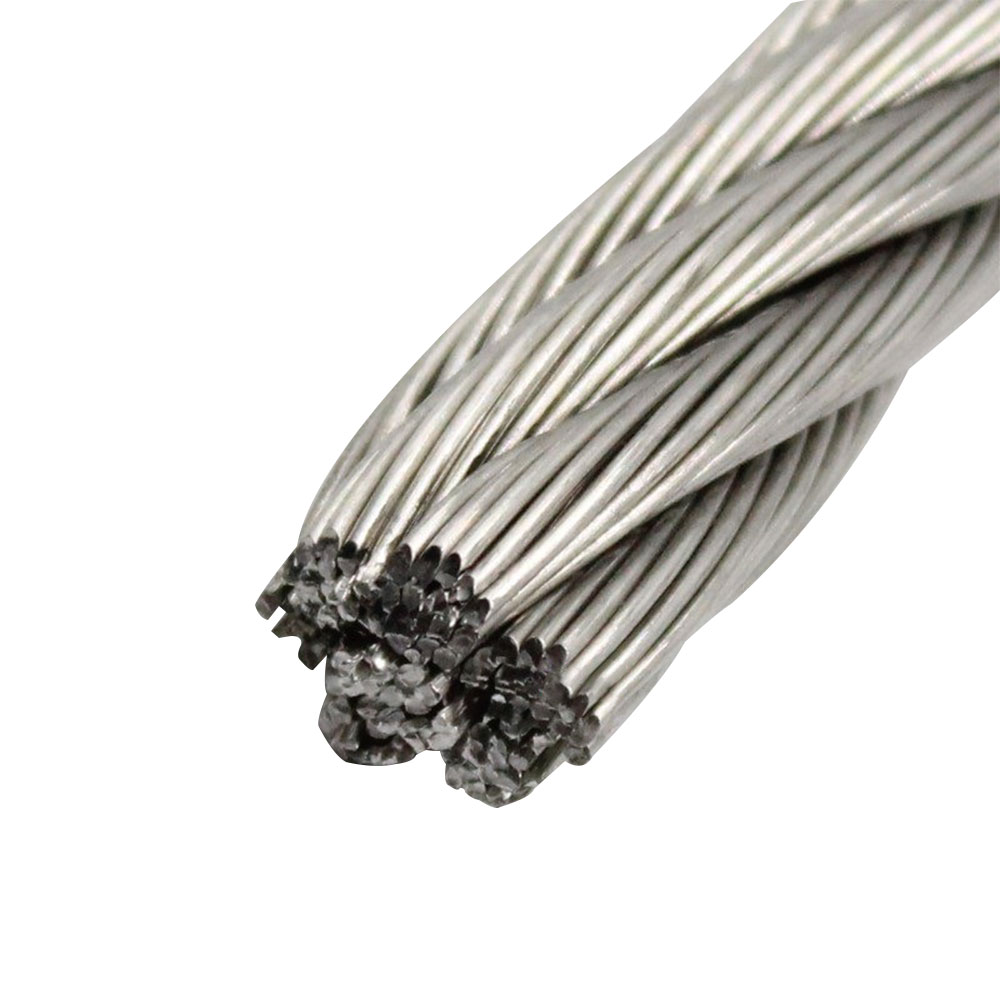
Evaluating Cost Factors When Sourcing Rope and Cable

Evaluating Cost Factors When Sourcing Rope and Cable

Cost is a critical factor for B2B buyers  when sourcing rope and cable products. Various elements contribute to the overall cost, including:

Material Costs: The type of  material chosen will  significantly impact the price. For example, steel cables generally cost more than synthetic alternatives due to the  raw material costs and  processing.

Manufacturing  Processes: The complexity of the manufacturing process  can influence pricing. Customization or specialized construction methods often come  with higher costs due to the additional labor and technology involved.

Order Quantity: Bulk orders  typically result in lower unit costs, while smaller quantities may incur higher prices  due to setup and production  costs.

Lead Time: Shorter  lead times may require  expedited  production processes, which  can increase costs. It’s essential for buyers to balance the urgency of  their needs with budget constraints.

Shipping and Handling: Consider the logistics involved in delivering the products. Costs for packaging, shipping distance,  and handling can add  to  the overall expenditure.

By understanding these  factors, buyers can better navigate negotiations and seek the best value for their sourcing needs.

Common Problems with Rope and Cable and Their Solutions

Common Problems with Rope and Cable and Their Solutions

Despite their robust nature, rope and cable products can encounter  several common issues. Awareness of these problems and their solutions can save time and resources:

Abrasion  and Wear: Ropes and cables are  subject  to  wear and  tear, especially in  harsh environments. To mitigate this, buyers should consider protective coverings or sleeves that can extend the lifespan  of the product.

Kinking and Tangles:  Improper storage and handling can lead to kinks and tangles, which affect performance. Implementing proper storage methods, such as using reels or racks, can help prevent these issues.

Degradation from UV Exposure: Synthetic materials, particularly nylon and polypropylene,  can degrade when exposed to  sunlight. Utilizing  UV-resistant materials or applying protective coatings can  reduce the risk of UV damage.

Load Overexertion: Exceeding the specified load capacity can  lead to failures. Buyers should always  adhere to the manufacturer's guidelines and consider using safety factors  in their calculations.

Proactive maintenance and careful handling can significantly reduce the likelihood of these issues,  ensuring the reliability of  rope and cable products over time.

Where to Find Reliable Suppliers for Rope and Cable Products

Finding a trustworthy supplier is crucial for ensuring quality and reliability  in rope and cable products. Here are some strategies for identifying reputable suppliers:

Industry Associations and Trade Shows: Participating in industry events and trade shows can facilitate direct interaction with manufacturers  and suppliers. This provides  an opportunity to evaluate product  quality firsthand and discuss specific needs.

Online Marketplaces and Directories: Websites  that specialize in industrial products often feature supplier ratings and reviews. These platforms can be a valuable resource for comparing different manufacturers  based  on their reputations.

Certifications and References: Verify  that potential suppliers hold relevant certifications, such as ISO and CE. Requesting references from previous clients can also offer insights into the  supplier's reliability  and  customer service.

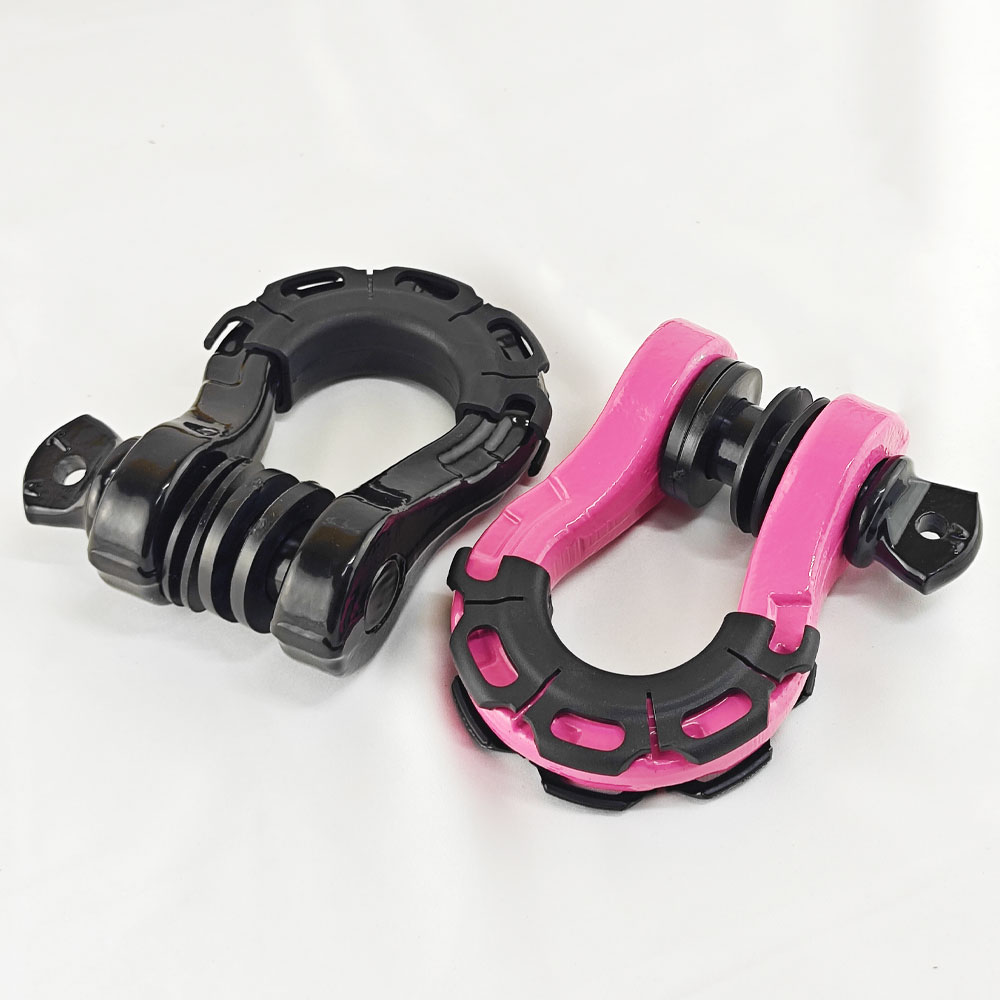
Requesting Samples: Before  placing a bulk order,  request samples  to assess quality and suitability. This step allows buyers to evaluate the product's performance  in real-world applications. Additionally, ensure that the products you are considering, such as Rigging Hardware 304 Stainless Steel European Type D Shackles, meet your standards.

By conducting thorough research  and engaging with suppliers directly, buyers can enhance their  chances of establishing a successful partnership that  meets their rope  and cable needs.

Key Specifications to Consider for Quality Rope and Cable

When  evaluating rope and cable  products, several key specifications influence their performance and suitability for specific applications. These include:

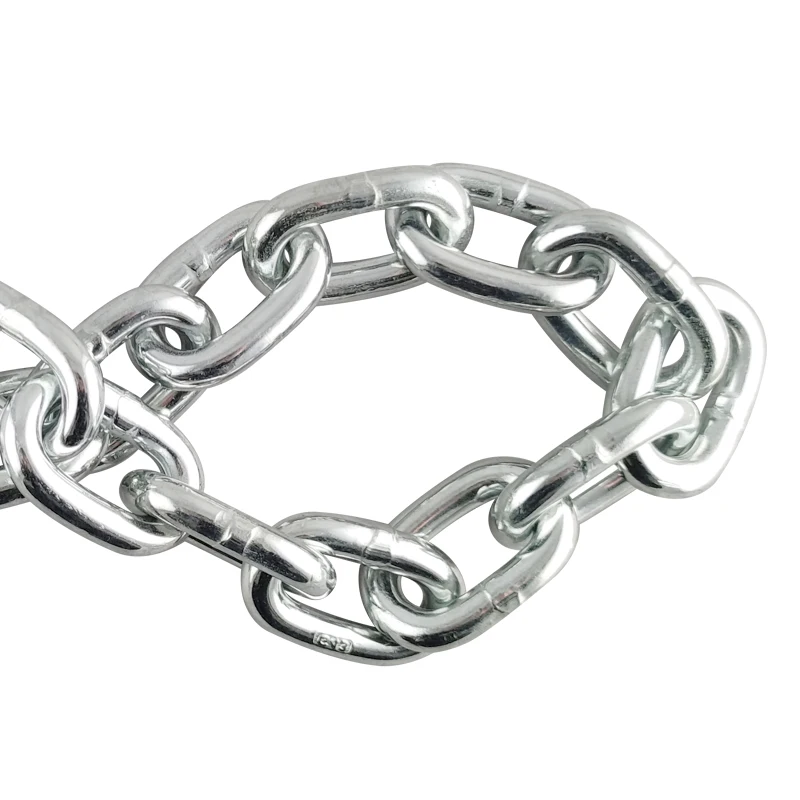
Material Type: Different  materials, such as polypropylene, nylon, and  steel, offer various strengths and weaknesses. For example, steel cables are ideal for high-load applications due to their  tensile strength, while synthetic fibers may provide increased flexibility and lighter weight. If you are looking for a strong option, consider the Galvanized iron chain DIN766 as a reliable choice.

Diameter: The diameter of the rope or cable directly affects its  load capacity. A thicker diameter provides a higher safety  margin but can  also increase  weight  and reduce flexibility. Buyers should consult load  capacity charts to ensure  that the diameter meets  the specific requirements of  their project.

Construction Method: The  method  of construction, whether braided, twisted, or laid, impacts flexibility, strength, and abrasion resistance. Braided cables typically offer more flexibility, while twisted ropes may provide enhanced strength.

Breaking Strength and Safety Factor: Understanding a product's breaking strength  is crucial. Buyers should also consider the safety factor, which is the ratio of the breaking strength to the intended load. A common safety factor  for lifting applications is 5:1, meaning the rope or cable can safely handle five times the intended load.

Certification and Compliance: Ensure  that the products meet industry standards and certifications, such as CE and ISO, which verify their quality and safety for  specific applications.

Why choose LoadStar rope and cable

Professional service team

After the product is produced Chain link galvanized will examine it for quality, pack it and ship it to you.

We company produced are sold to more than 30 countries

the products offered by the company are top-quality with complete specifications Chain link galvanized they are well-known across more than 30 countries including china iran pakistan saudi arabia the united arab emirates

We own our own factory

Galvanized chain a factory permits companies to oversee and control the entire production process. This can reduce the cost of production.

We have many years of production experience, products in line with national certification standards

our products have passed ce certification covering g30 g43 g70 g80 Wire rope hoist and meet the standards we are committed to providing high quality products that meet international standards to meet the growing needs of our customers our products are used in engineering construction in various countries and they still maintain their strength and quality after many years of use

Our Blog Posts

Best 4 G2130 Bow Shackle Manufacturers in The Middle East

17

Mar

Best 4 G2130 Bow Shackle Manufacturers in The Middle East

In Middle East, many companys produce good quality 4 G2130 bow shackles. These shackle are key for lifting and shift heavy loads safely. When choose a bow shackle, its important to pick reliable maker. LoadStar is one company known for they quality p...
View More
Top 5 G43 steel link chain supplier in Argentina

16

Oct

Top 5 G43 steel link chain supplier in Argentina

As one of the best and most professional G43 steel link chain suppliers in Argentina, Shandong Lisheng Machinery would be your first choice. Our products are the choice of professionals in tens of thousands of applications, and we are proud to bring ...
View More
Top Reasons to Partner with a Trusted Snow Chains Manufacturer

27

Mar

Top Reasons to Partner with a Trusted Snow Chains Manufacturer

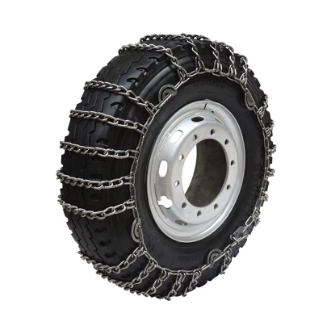
Hence, while you are driving in the snow you need to be cautious and ensure your safety. Driving's tricky when the weather's snowy, but LoadStar makes snow chains that could help you and other road users stay safe! One of the best choices for all win...
View More
How Do Aluminium Ferrules Compare to Steel Ferrules in Performance?

28

Jul

How Do Aluminium Ferrules Compare to Steel Ferrules in Performance?

When it comes to building something tough and durable, the right choice of materials is essential. Metal is one of the most common construction materials people use to create stuff. The two frequently used metals include aluminum and steel. At LoadSt...
View More

Related product categories