Choosing the Right Wire and Rope for Industrial Use

All Categories

wire and rope

Choosing the  right wire and rope for  your industrial applications is a critical decision that  impacts safety,  efficiency,  and cost-effectiveness.  Wire and rope products, essential in  lifting, rigging, and  other heavy-duty operations, must meet specific  requirements to ensure optimal performance in  various settings, such  as construction, marine engineering, and transportation. This article  will  guide  B2B buyers through the key  factors to consider when selecting wire  and rope,  helping  you make informed  purchasing  decisions.

Key Specifications to Consider When Selecting Wire and Rope

When evaluating wire and rope products, several key specifications need to be considered:


Diameter: The diameter  affects the rope's strength and its compatibility  with pulleys or other equipment. A diameter that is too small may not handle the required load, while one that is too large may  be cumbersome.

Material: The  choice of material plays a crucial role in  performance. Steel wire ropes are  robust and  resistant to wear, while synthetic options offer lightweight flexibility. Consider the environmental conditions—corrosive  environments may require galvanized  or stainless steel to prevent rust.

Construction Type: Wire ropes come in various constructions (e.g.,  6x19, 6x37, etc.), which affect flexibility and strength. A  6x19 construction typically offers better  flexibility, while a  6x37 construction provides enhanced strength.

Breaking Strength: This specification indicates the maximum load the wire or rope can handle before failing. It is  essential to choose  a product with a breaking  strength that exceeds the maximum expected load.

Safety Factor: A safety factor is often applied to account for unexpected loads or dynamic forces. Consult with the  manufacturer to determine the  appropriate safety factor for your specific application.
 

Understanding Material Advantages in Wire and Rope Manufacturing

The materials used in wire and rope manufacturing significantly impact their performance and suitability for various applications.

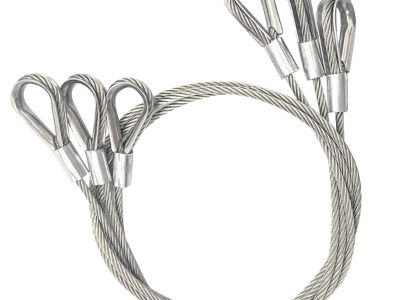
Steel: Known for its high tensile strength and durability, steel wire ropes are ideal for  heavy lifting and are often used in construction and  industrial settings. They can withstand harsh conditions, including extreme temperatures and  heavy loads.

Synthetic  Fibers: Materials like nylon and polyester are popular for their lightweight and flexibility. These  ropes are less prone to  stretching and  can absorb shock better than steel, making them suitable for applications  where elasticity is required, such  as marine environments.

Galvanization: For steel ropes, galvanization is crucial as it offers  resistance  to corrosion. This process involves  coating the steel with zinc, which protects it from rust, especially when exposed to  moisture or chemicals.

Choosing the  right material  based on the  intended application  is  vital. For example, in marine applications, a synthetic rope may be preferred for its buoyancy and resistance to saltwater, while steel ropes are favored  when high strength is a priority.  Additionally, incorporating Hoisting & Lifting Equipment can enhance your operational efficiency.


Installation Guidance for Wire and Rope in Construction Projects

Proper installation of  wire and rope in construction projects  is essential for ensuring safety and effectiveness. Here are some key considerations:

Preparation and Planning: Before installation,  assess the site and determine the specific requirements, including load  paths,  anchoring  points, and potential hazards. This planning stage is crucial to  avoid  complications during installation.

Correct Handling: Handle wire and  rope carefully to  prevent kinks or  damage. Always follow manufacturer guidelines  for lifting and rigging to  ensure safety.


Inspection: Conduct a thorough  inspection before installation to check for any signs of wear, fraying, or damage. Any compromised wire  or rope should be replaced to prevent failure during use.

Securing: Ensure that ropes are properly secured at anchor points using appropriate knots or clamps. The right securing method will depend on the type of wire or  rope being used, so familiarize yourself with best practices.

Testing: After installation, conduct  a load test to ensure  that the wire  or rope can handle the intended load without failure. This test should be performed under controlled conditions to validate safety.

What You Need to Know

When considering wire and rope for your industrial applications, it's crucial to have a clear understanding of your requirements and the specifications that will meet those  needs. Here are some actionable steps to  prepare  for a request for quotation (RFQ) or supplier discussion:

Specify Type and Application:  Clearly define what type of wire or rope you need (e.g.,  steel wire rope for cranes, synthetic rope for marine  use) and the intended application.

Provide Detailed Specifications: Include necessary specifications such as diameter, material, construction type, and breaking strength.

Quantities and Delivery: State the quantities required and any specific delivery timelines.  This  information helps suppliers determine pricing and lead times.

Customization Needs:  If you require customized products, such  as  specific lengths or coating types, indicate this in your RFQ.

Quality Standards:  Specify any quality certifications or standards that are necessary for your application (e.g., ISO, CE).

By providing comprehensive information upfront, you can streamline the quotation process and ensure that suppliers  understand  your needs clearly, leading to better service and  product  quality.

Understanding  these elements  will help  you choose the right wire and rope for your industrial applications while ensuring safety, efficiency, and compliance with  industry standards.

Choosing the Right Wire and Rope for Your Industrial Applications

Selecting the appropriate wire and rope for industrial applications  involves understanding the specific demands  of your project. Key factors that should influence your  decision include  load  capacity, flexibility, and environmental exposure. For  instance, in construction, wire ropes might  be required for heavy lifting, while  lighter ropes  may be suitable for  smaller applications. When considering Link Chains, it's important to evaluate how they integrate with your wire and rope choices.

Different types of  wire and  rope  are  engineered for varying purposes. For example, steel wire ropes are widely used for their  strength and durability, making them ideal for cranes  and hoists. Conversely, synthetic ropes can provide flexibility and lighter weight, which is advantageous  in  marine applications where ease of  handling is essential.  Understanding your application's specific requirements will lead you to the right choice. For marine applications, consider using Marine & Anchor Equipment to complement your wire and rope solutions.

Why choose LoadStar wire and rope

We have many years of production experience, products in line with national certification standards

our products have passed ce certification covering g30 Chain link galvanized g70 g80 g100 and meet the standards we are committed to providing high quality products that meet international standards to meet the growing needs of our customers our products are used in engineering construction in various countries and they still maintain their strength and quality after many years of use

We own our own factory

A factory is a place for companies to manage and control the 3 8 galvanized chain of production. This reduces production costs.

Professional service team

wire rope sling the product has been created Professionals will examine the product for quality, then package it, and then deliver it to you.

We company produced are sold to more than 30 countries

the products offered by the company are high-end with complete specifications models they are sold in over 30 countries includes china 4 leg wire rope sling pakistan saudi arabia the united arab emirates

Our Blog Posts

What Are the Advantages of Using Wire Rope in Rigging Systems?

04

Apr

What Are the Advantages of Using Wire Rope in Rigging Systems?

Wire rope has a high strength-to-weight ratio and a design that makes it resistant to wear and tear, making it ideal for the heavy lifting and rigging. It consists of numerous steel wires twisted into a flexible, strong rope. LoadStar understands the...
View More
The Importance of Proper Thread Engagement for an Eye Bolt & Nut

26

Jul

The Importance of Proper Thread Engagement for an Eye Bolt & Nut

When it comes to eye bolts and nuts, thread engagement is a very important factor. It will help keep things in order and secure on your Mac. Improper thread engagement can cause an accident or injury. This is why it is so crucial to ensure that the e...
View More
Logistics strategies for importing heavy Industrial Snap Hook containers

13

Jan

Logistics strategies for importing heavy Industrial Snap Hook containers

These tubes are frequently required for building, safety and other heavy duty applications. At LoadStar, we understand the value in doing so correctly. Through good logistics planning, money and time can be saved, and the containers will reach their ...
View More