 EN
EN
 AR
AR
 BG
BG
 HR
HR
 CS
CS
 DA
DA
 NL
NL
 FI
FI
 FR
FR
 DE
DE
 EL
EL
 HI
HI
 IT
IT
 JA
JA
 KO
KO
 NO
NO
 PL
PL
 PT
PT
 RO
RO
 RU
RU
 ES
ES
 SV
SV
 TL
TL
 IW
IW
 ID
ID
 LT
LT
 SR
SR
 SL
SL
 SQ
SQ
 HU
HU
 TH
TH
 TR
TR
 FA
FA
 AF
AF
 MS
MS
 HY
HY
 AZ
AZ
 BN
BN
 SO
SO
 KK
KK
When it comes to sourcing high-quality rope and wire, understanding the nuances of your purchase is critical. Rope and wire products are essential in various industries, including construction, marine engineering, and transportation. Buyers often face concerns regarding quality, application suitability, and compliance with industry standards. This article will guide you through evaluating quality in wholesale purchases, addressing common problems, providing installation guidance, exploring applications, and emphasizing the benefits of ISO-certified products.
Common Problems with Rope and Wire and Their Effective Solutions
Buyers often encounter issues such as corrosion, inadequate tensile strength, and manufacturing defects. Here are practical solutions to these common problems:
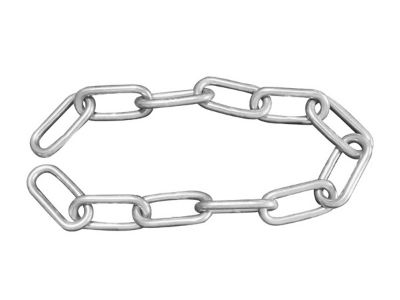
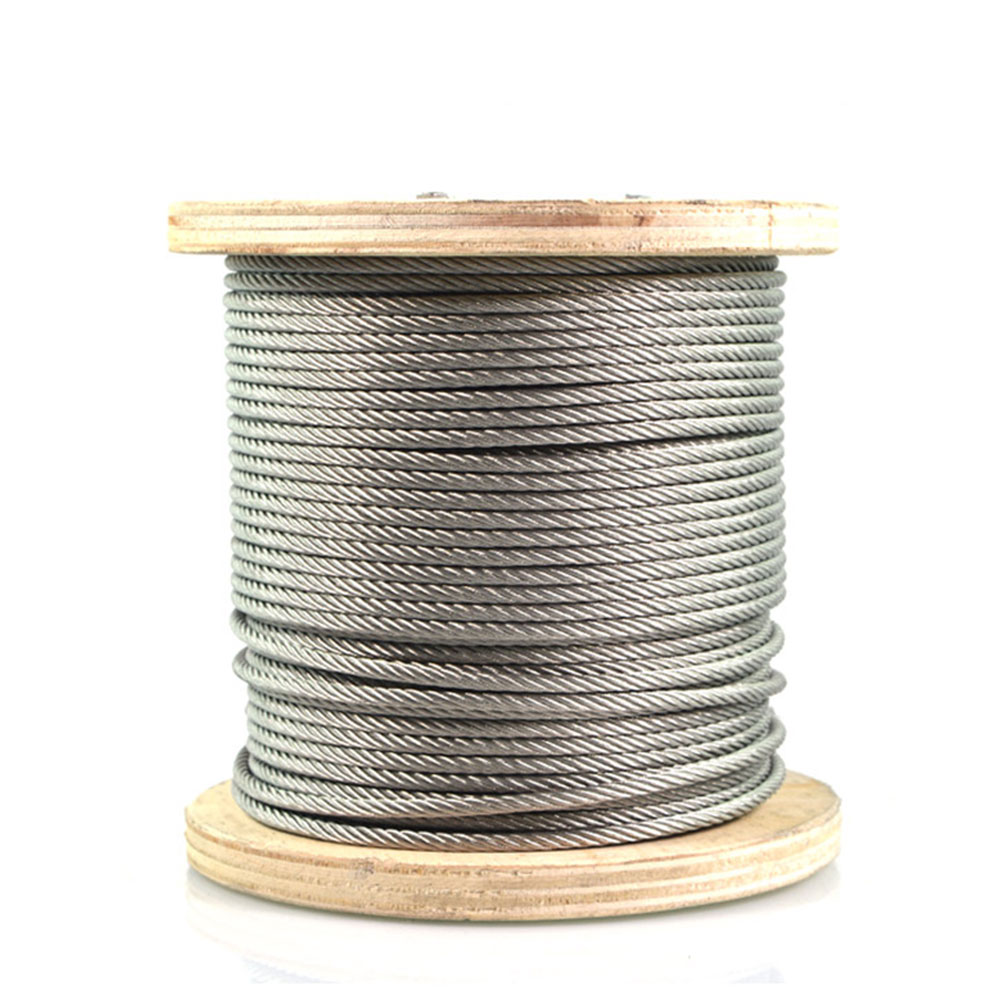
Corrosion: This is a prevalent problem, especially for wire ropes used in marine environments. To mitigate corrosion, consider selecting ropes with coatings such as galvanization or those made from corrosion-resistant materials like stainless steel. For example, our Galvanized iron chain DIN766 2mm to 32mm welding galvanized link chain is a great option.
Inadequate Tensile Strength: Selecting a rope or wire that fails to meet the required tensile strength can lead to safety hazards. Always verify the manufacturer's specifications and consult with them about the expected loads during use.
Manufacturing Defects: Issues like kinks, frays, or improper spooling can compromise performance. Inspect samples thoroughly for any visible defects and discuss quality control processes with the supplier to understand their inspection protocols.
By being proactive in addressing these potential issues, buyers can ensure safer and more reliable usage of rope and wire products.