 EN
EN
 AR
AR
 BG
BG
 HR
HR
 CS
CS
 DA
DA
 NL
NL
 FI
FI
 FR
FR
 DE
DE
 EL
EL
 HI
HI
 IT
IT
 JA
JA
 KO
KO
 NO
NO
 PL
PL
 PT
PT
 RO
RO
 RU
RU
 ES
ES
 SV
SV
 TL
TL
 IW
IW
 ID
ID
 LT
LT
 SR
SR
 SL
SL
 SQ
SQ
 HU
HU
 TH
TH
 TR
TR
 FA
FA
 AF
AF
 MS
MS
 HY
HY
 AZ
AZ
 BN
BN
 SO
SO
 KK
KK
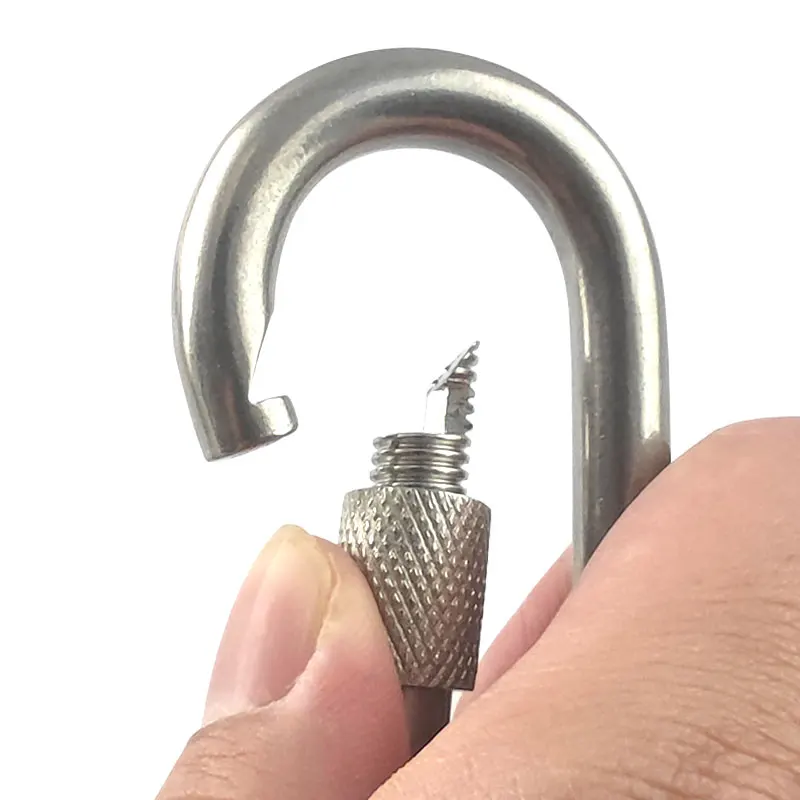
Spring clip carabiners are essential components for various lifting and rigging applications, providing a reliable mechanism for connecting loads securely. As a B2B buyer, understanding the nuances of spring clip carabiners is vital for ensuring safety and efficiency in operations. This article will guide you through the key considerations for selecting the right spring clip carabiner, elucidate their specifications, and offer insights into common problems and their solutions.
Understanding Spring Clip Carabiner Specifications and Standards
Spring clip carabiners come with various specifications that determine their suitability for specific applications. Here are some critical specifications to understand:
Load Capacity: This is the maximum weight the carabiner can safely support. It is crucial to choose a carabiner with a load capacity that exceeds your project's requirements to account for safety margins.
Material: Common materials include aluminum for lightweight applications and steel for heavy-duty uses. The choice of material affects not only the weight but also the durability and resistance to environmental factors.
Dimensions: The size of the carabiner should match the equipment it will be used with. Ensure that the gate opening is wide enough to accommodate the connecting components.
Standards Compliance: Look for carabiners that meet international standards such as CE and ISO certifications, which indicate compliance with safety and quality benchmarks. You can find a variety of compliant options in our Lifting Webbing Slings & Tie Downs section.
Understanding these specifications helps buyers make informed decisions and ensures that the chosen spring clip carabiner performs effectively in its intended environment.