 EN
EN
 AR
AR
 BG
BG
 HR
HR
 CS
CS
 DA
DA
 NL
NL
 FI
FI
 FR
FR
 DE
DE
 EL
EL
 HI
HI
 IT
IT
 JA
JA
 KO
KO
 NO
NO
 PL
PL
 PT
PT
 RO
RO
 RU
RU
 ES
ES
 SV
SV
 TL
TL
 IW
IW
 ID
ID
 LT
LT
 SR
SR
 SL
SL
 SQ
SQ
 HU
HU
 TH
TH
 TR
TR
 FA
FA
 AF
AF
 MS
MS
 HY
HY
 AZ
AZ
 BN
BN
 SO
SO
 KK
KK
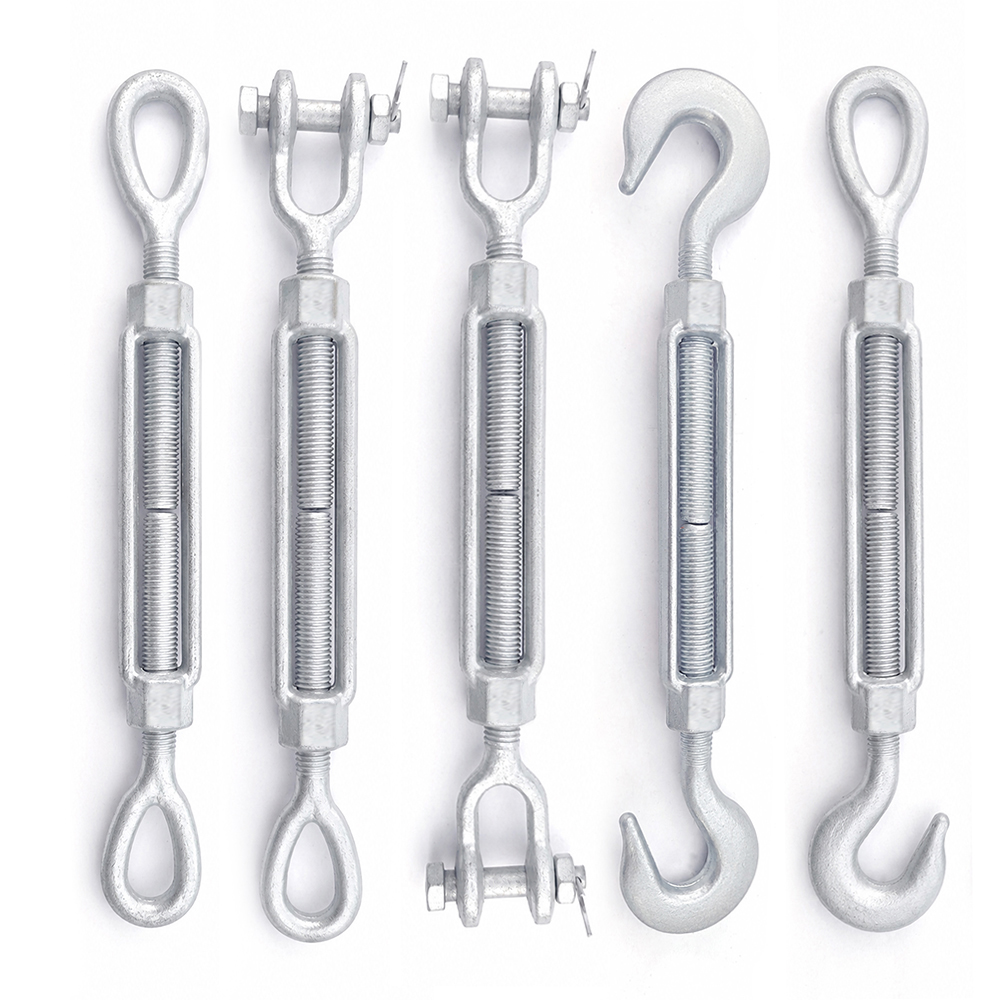
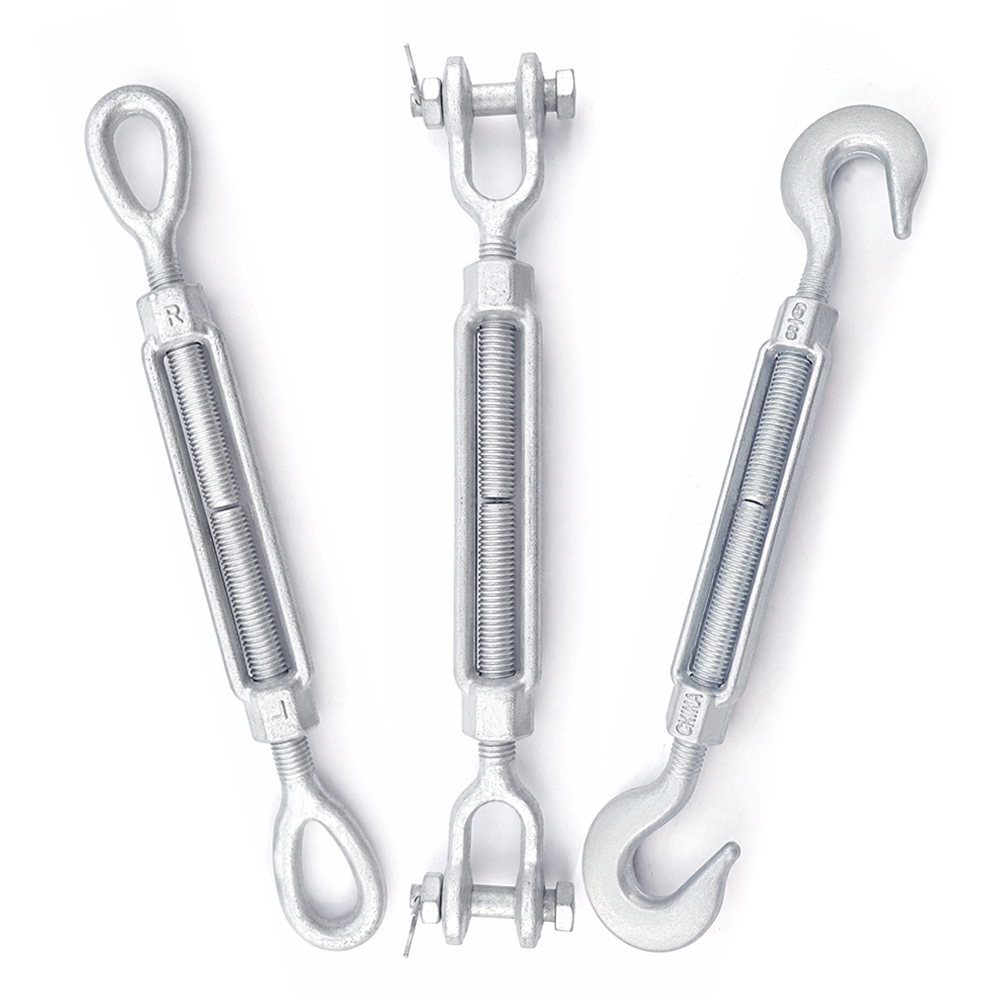
Turnbuckle hardware is an essential component in various lifting and rigging applications, primarily used to adjust tension or length in cables, ropes, and other types of rigging hardware. Selecting the right turnbuckle hardware is crucial for ensuring safety and efficiency in construction, marine engineering, and transportation projects. This article will guide you through the key considerations for choosing, sourcing, and installing turnbuckle hardware, addressing common buyer concerns and providing practical insights based on industry expertise.
Key Specifications to Evaluate When Sourcing Turnbuckle Hardware
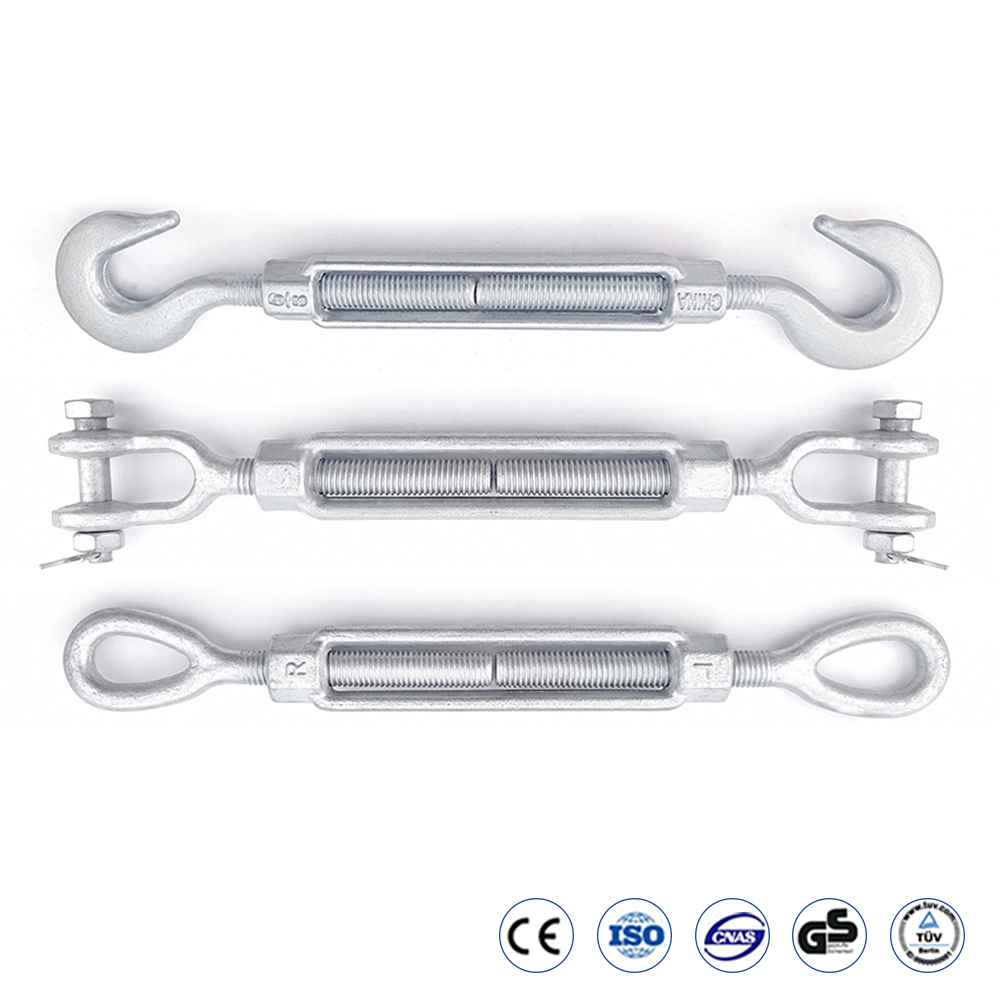
When sourcing turnbuckle hardware, several key specifications must be evaluated to ensure that the selected product meets your needs:
Load Capacity: Confirm the maximum load the turnbuckle can handle. This is usually defined by the manufacturer's guidelines and should be aligned with the demands of your project.
Material: As mentioned, the material affects durability and resistance to environmental factors. Stainless steel is generally preferred for its strength and resistance to rust and corrosion. For more options, check our Steel Wire Rope & Fittings.
Type of Thread: Turnbuckles come with different thread types, including left-hand and right-hand threads. Verify that the threads are compatible with the connecting hardware.
Adjustment Range: The ability to adjust the tension as needed is vital. Check the length of the turnbuckle and the extent of adjustment it allows.
Finishing: A good finish not only affects aesthetics but also influences durability. Options include hot-dip galvanization for corrosion resistance or powder coating for improved appearance.
Certification: Look for CE and ISO certifications, which indicate that the product meets specific safety and quality standards.