 EN
EN
 AR
AR
 BG
BG
 HR
HR
 CS
CS
 DA
DA
 NL
NL
 FI
FI
 FR
FR
 DE
DE
 EL
EL
 HI
HI
 IT
IT
 JA
JA
 KO
KO
 NO
NO
 PL
PL
 PT
PT
 RO
RO
 RU
RU
 ES
ES
 SV
SV
 TL
TL
 IW
IW
 ID
ID
 LT
LT
 SR
SR
 SL
SL
 SQ
SQ
 HU
HU
 TH
TH
 TR
TR
 FA
FA
 AF
AF
 MS
MS
 HY
HY
 AZ
AZ
 BN
BN
 SO
SO
 KK
KK
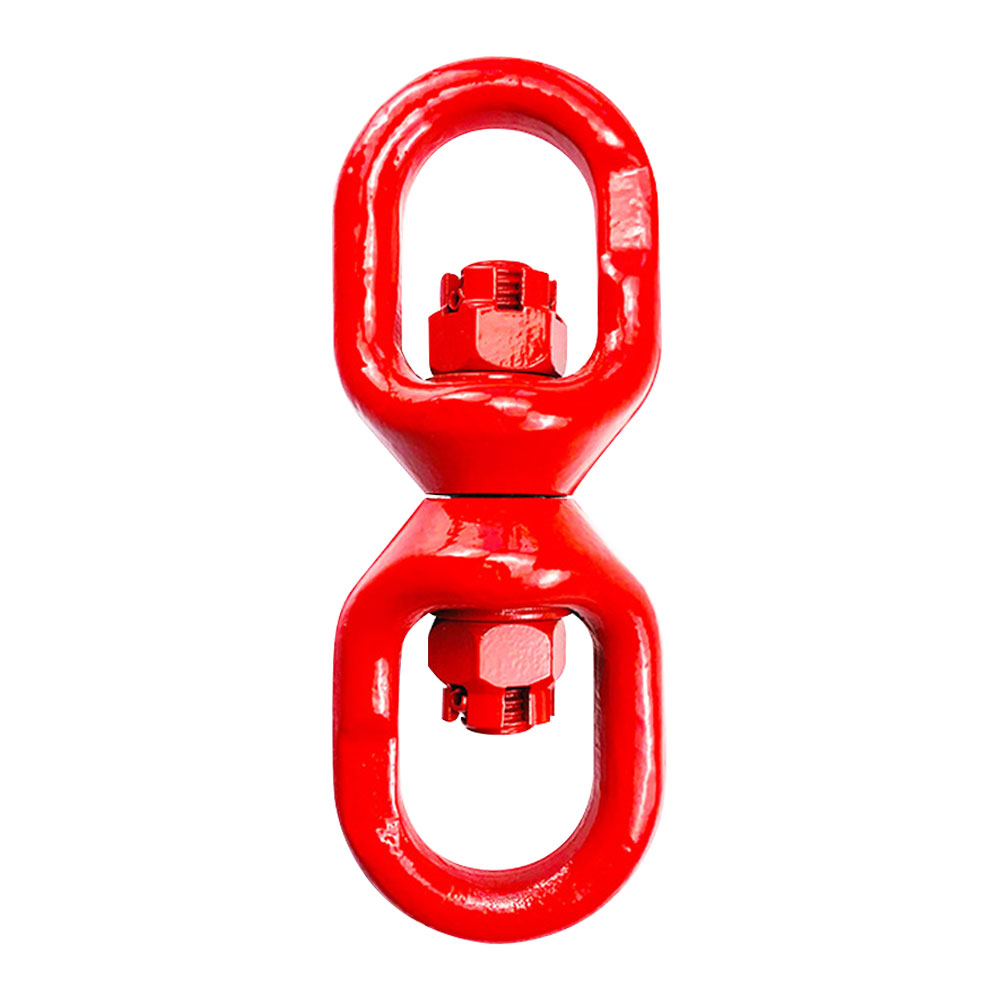
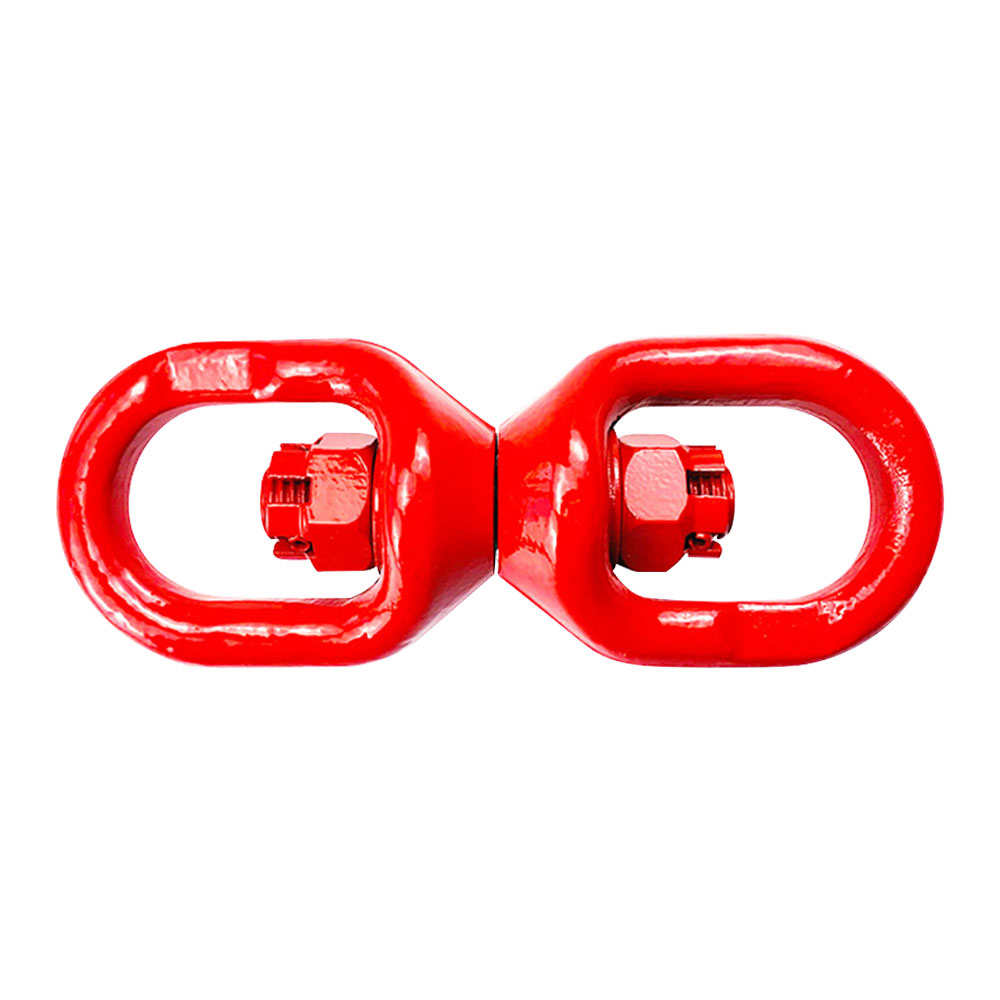
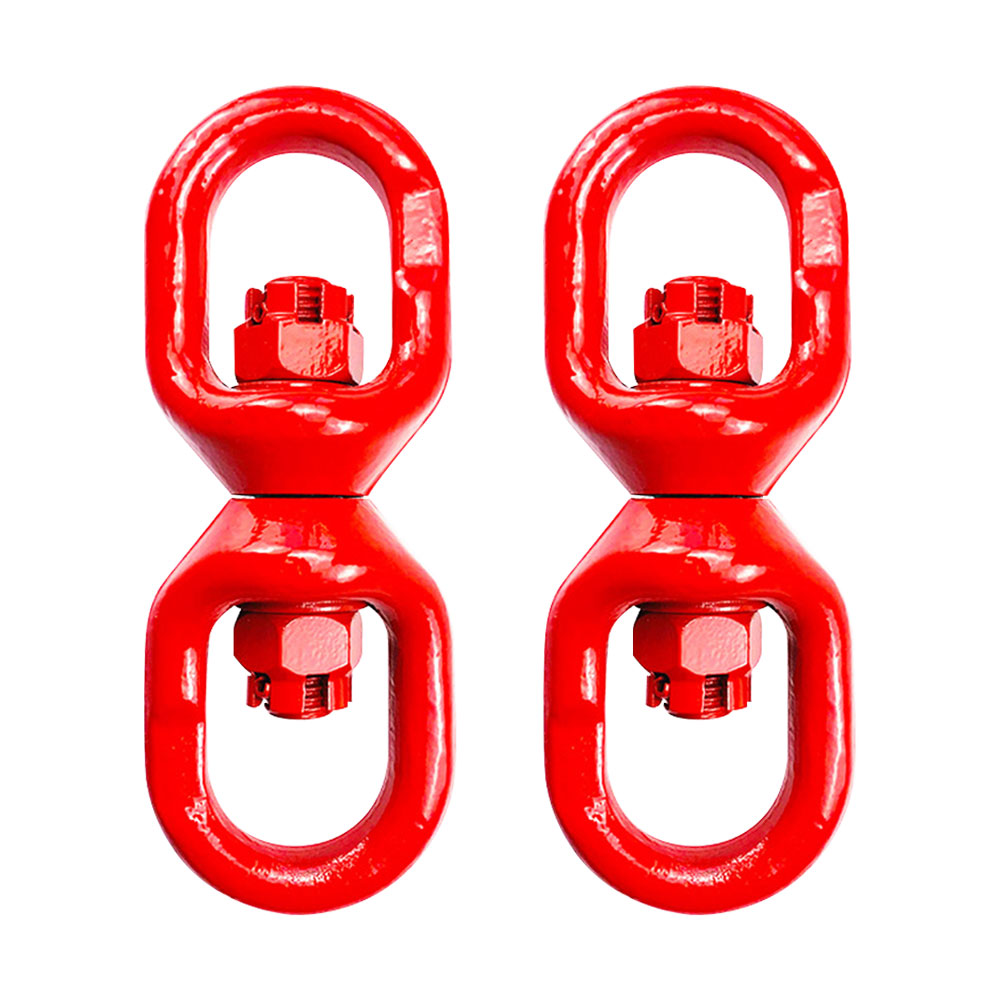
Swiveling eye bolts are essential components in lifting and rigging applications, providing a versatile connection point for various lifting operations. These bolts are designed to rotate, allowing for multi-directional loading and reducing the risk of stress concentrations that could lead to failure. For B2B buyers, understanding the specifications, material advantages, and applications of swiveling eye bolts is critical to making informed purchasing decisions. This article will delve into the key factors to consider when evaluating swiveling eye bolts, helping you select the right product for your needs.
Cost Factors to Consider When Purchasing Swiveling Eye Bolts
When evaluating the cost of swiveling eye bolts, several factors come into play:
Material: The choice of material directly affects the price. Stainless steel options will typically cost more than carbon steel due to their enhanced corrosion resistance and durability.
Load Capacity: Higher load capacities generally lead to increased costs. It’s crucial to select a bolt that meets your specific lifting needs without overspending on unnecessary strength.
Customization: If you require specific dimensions or additional features, customization can increase the cost. Discuss your requirements with manufacturers to find a balance between custom features and budget.
Quantity: Many manufacturers offer bulk pricing discounts, meaning that ordering larger quantities can significantly reduce the per-unit cost. For instance, purchasing Ratchet Tie Down Straps in bulk can be cost-effective.
Certifications: Products that come with industry certifications, such as CE or ISO standards, may carry a premium. However, these certifications can assure quality and safety, which can be more valuable in the long run.
Understanding these cost factors will enable buyers to make informed decisions and optimize their purchasing strategies.