 EN
EN
 AR
AR
 BG
BG
 HR
HR
 CS
CS
 DA
DA
 NL
NL
 FI
FI
 FR
FR
 DE
DE
 EL
EL
 HI
HI
 IT
IT
 JA
JA
 KO
KO
 NO
NO
 PL
PL
 PT
PT
 RO
RO
 RU
RU
 ES
ES
 SV
SV
 TL
TL
 IW
IW
 ID
ID
 LT
LT
 SR
SR
 SL
SL
 SQ
SQ
 HU
HU
 TH
TH
 TR
TR
 FA
FA
 AF
AF
 MS
MS
 HY
HY
 AZ
AZ
 BN
BN
 SO
SO
 KK
KK
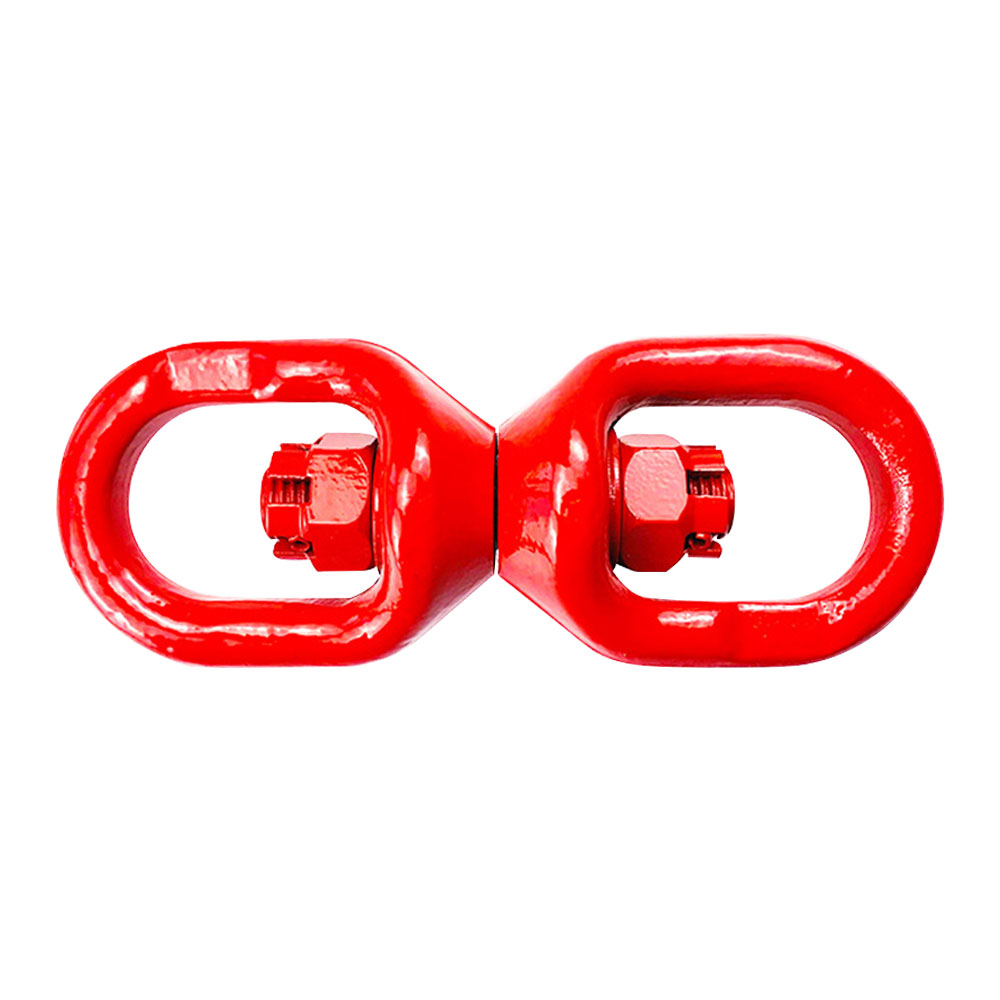
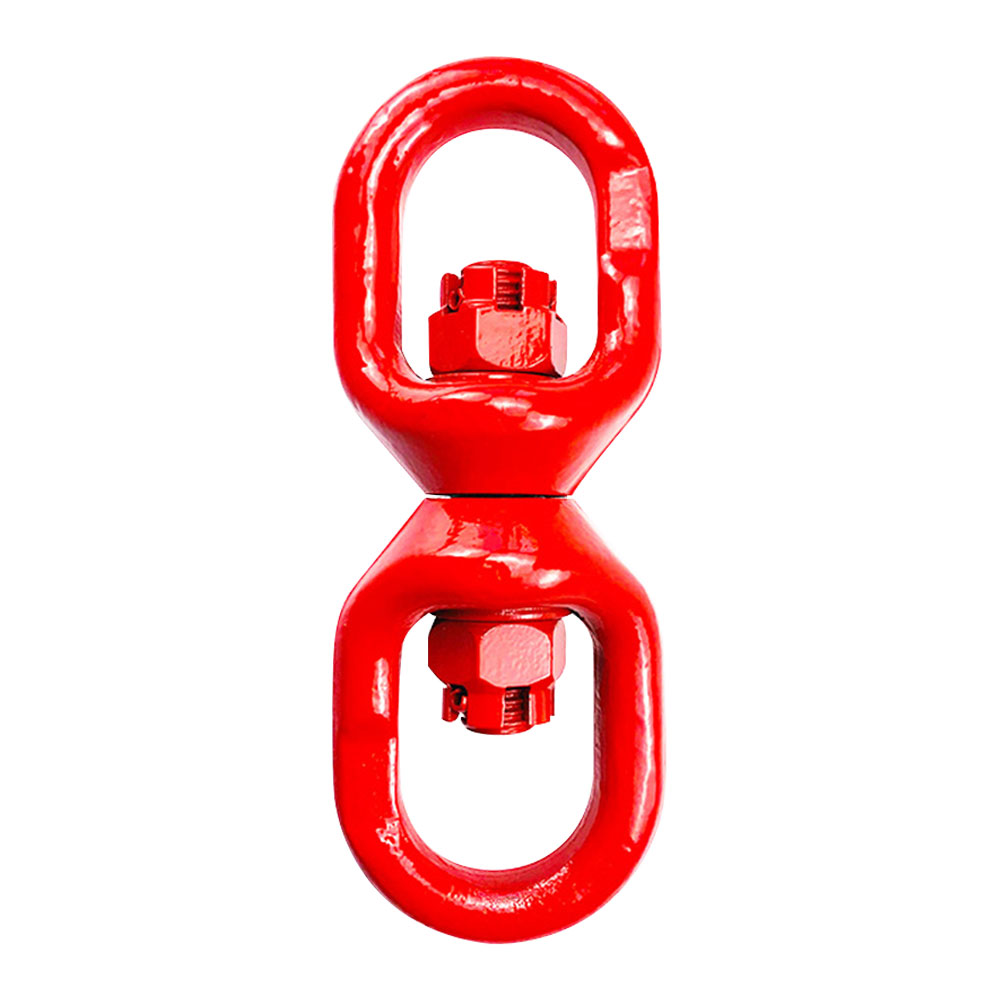
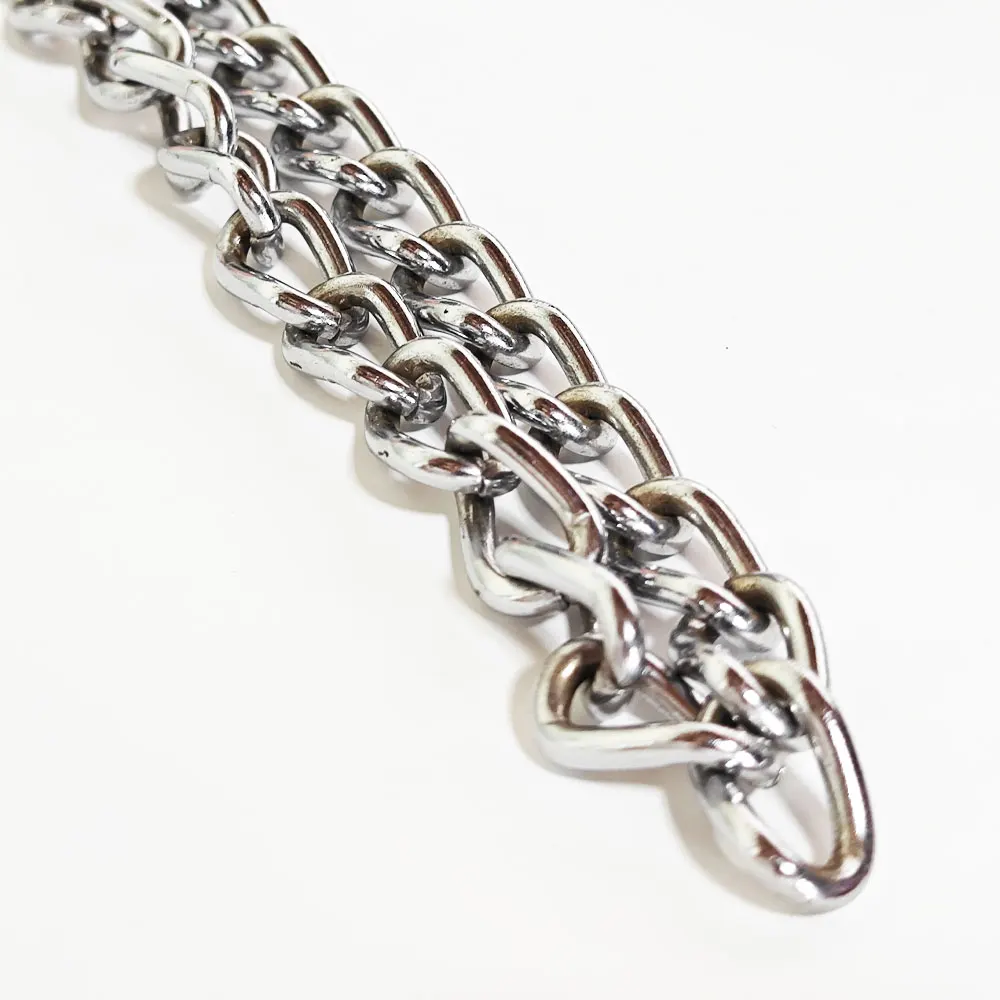
Swivel eyebolts are essential components in various lifting and rigging applications, offering flexibility and rotation to accommodate different load orientations. As a purchasing manager or engineering professional, understanding the intricacies of swivel eyebolts can significantly influence your sourcing decisions. This article aims to clarify key considerations for evaluating swivel eyebolts, guiding you through specifications, common issues, and best practices to ensure you make informed purchasing choices. For comprehensive lifting solutions, consider exploring our Link Chains.
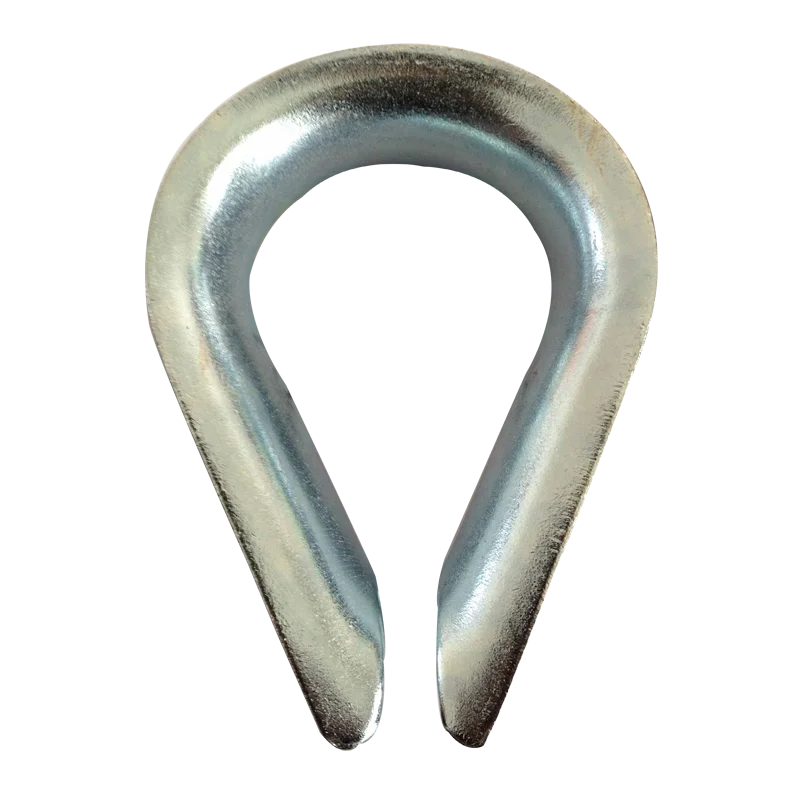
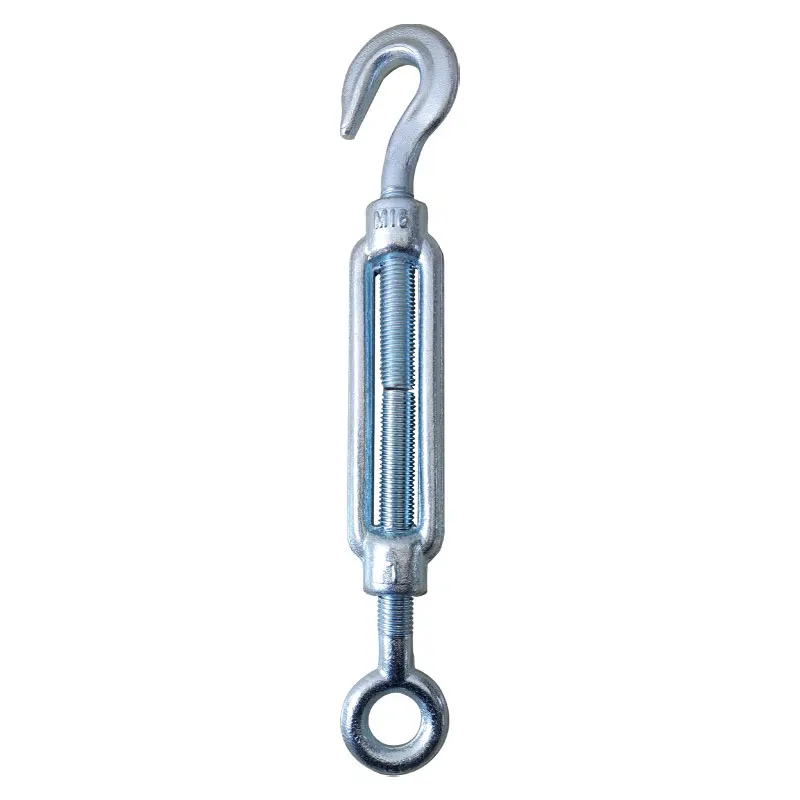
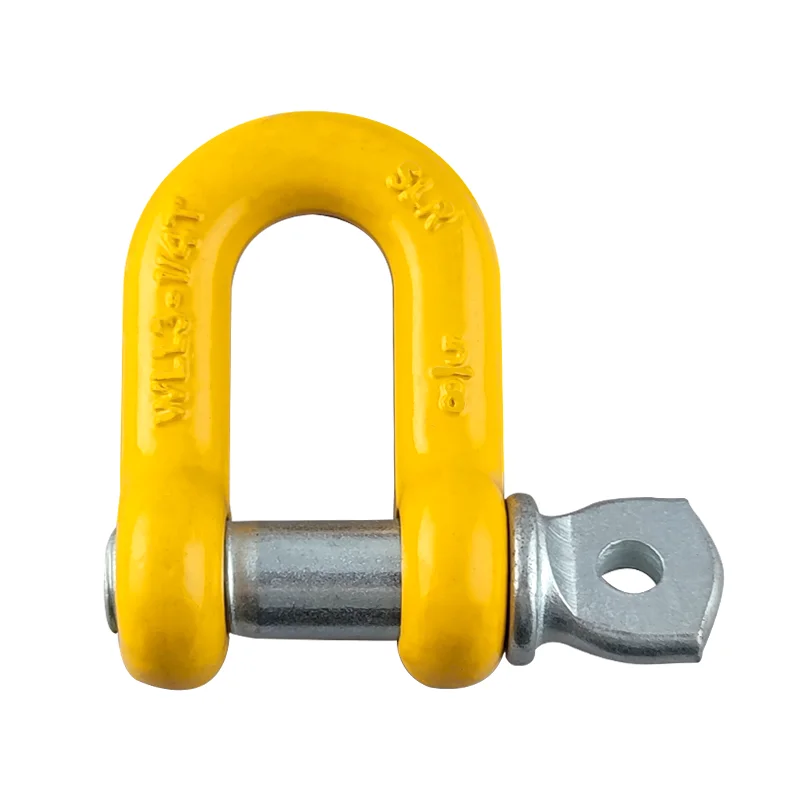
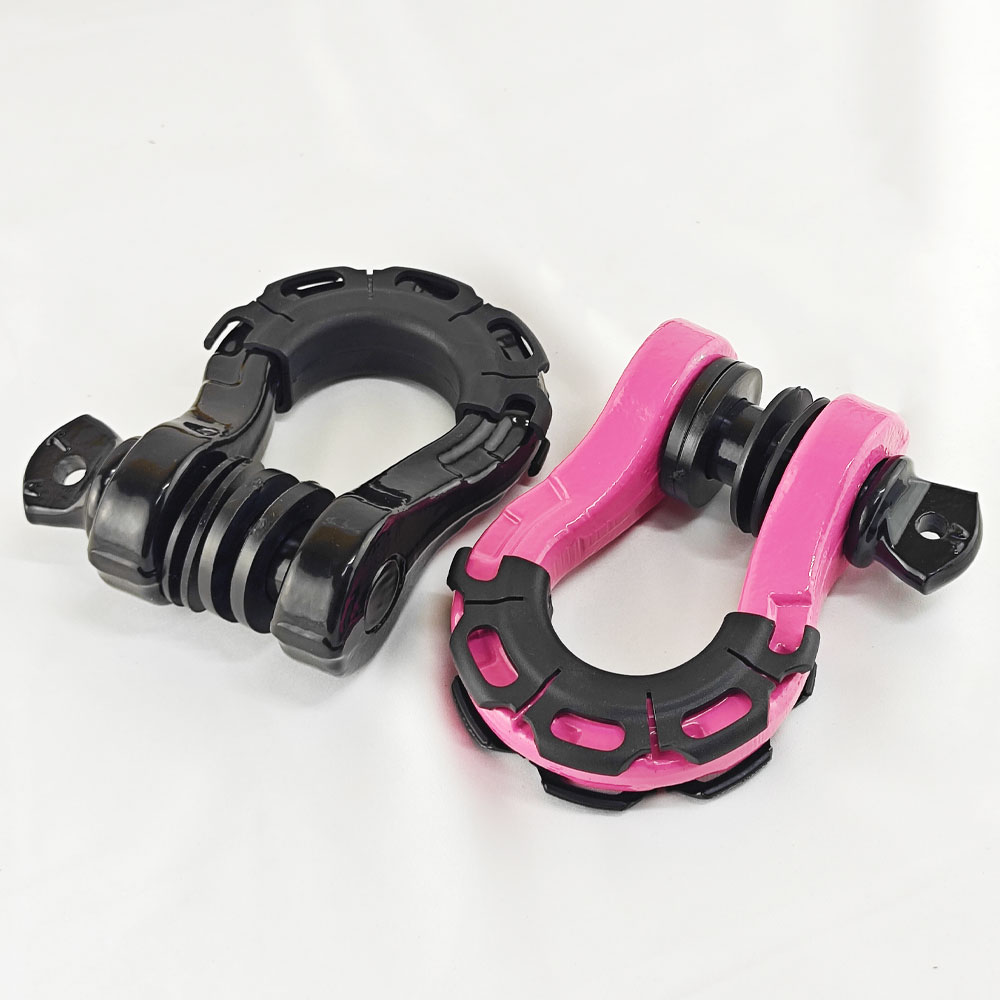
Key Specifications to Look for in Swivel Eyebolt Products
When assessing swivel eyebolts, several specifications should be prioritized:
Material Composition: The choice of material directly affects the eyebolts' strength and corrosion resistance. For high-load applications, look for eyebolts made from high-grade alloy steel, while stainless steel is ideal for corrosive environments.
Load Rating: Confirm the working load limit (WLL), which indicates the maximum load the eyebolt can safely handle. This should be clearly marked on the product and must meet or exceed your application requirements.
Dimensions: Check the diameter of the eye and the length of the bolt. These dimensions affect the swivel eyebolt's fit and compatibility with other rigging components.
Thread Type and Size: Ensure the bolt's threading matches your application, whether it is metric or imperial. The thread quality must also be verified to prevent stripping under load.
Swivel Mechanism: Examine the design of the swivel mechanism to ensure it facilitates smooth rotation without binding or excessive play, which can lead to premature wear or failure.