 EN
EN
 AR
AR
 BG
BG
 HR
HR
 CS
CS
 DA
DA
 NL
NL
 FI
FI
 FR
FR
 DE
DE
 EL
EL
 HI
HI
 IT
IT
 JA
JA
 KO
KO
 NO
NO
 PL
PL
 PT
PT
 RO
RO
 RU
RU
 ES
ES
 SV
SV
 TL
TL
 IW
IW
 ID
ID
 LT
LT
 SR
SR
 SL
SL
 SQ
SQ
 HU
HU
 TH
TH
 TR
TR
 FA
FA
 AF
AF
 MS
MS
 HY
HY
 AZ
AZ
 BN
BN
 SO
SO
 KK
KK
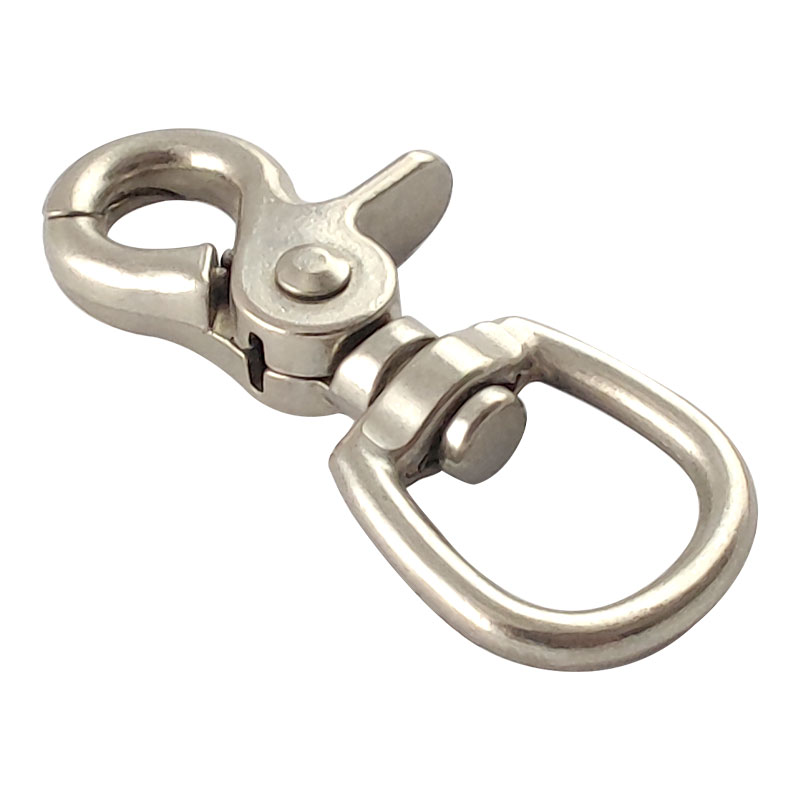
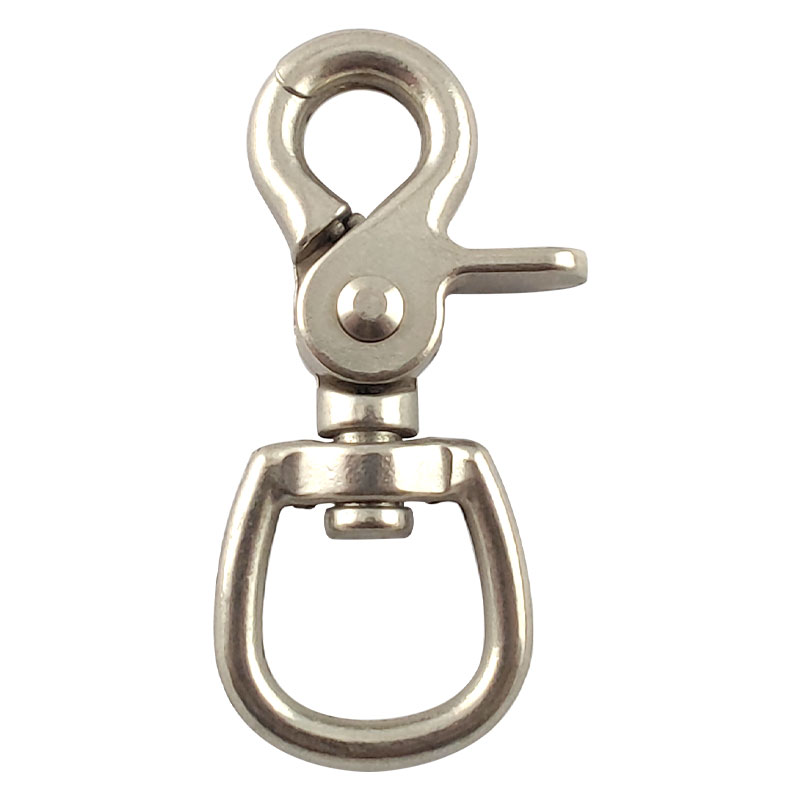
Swivel snap hooks are essential components in various lifting and rigging applications, providing a reliable connection between chains, ropes, and other lifting equipment. For purchasing managers, engineers, and project managers, understanding the nuances of swivel snap hooks is crucial for ensuring safety, efficiency, and compatibility in their projects. This article will guide you through selecting the right swivel snap hooks, comparing material advantages, addressing common issues, evaluating cost factors, and highlighting what sets our swivel snap hooks apart in the market.
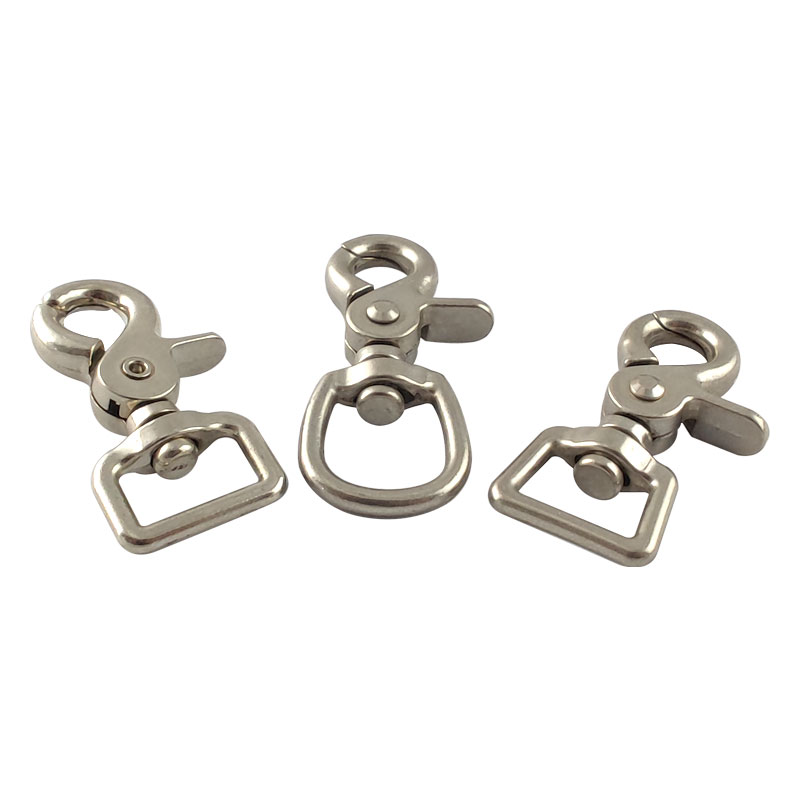
Comparing Material Advantages of Swivel Snap Hooks for Durability
The material composition of swivel snap hooks plays a significant role in their performance and longevity. Common materials include stainless steel, carbon steel, and aluminum, each offering distinct advantages.
Stainless Steel: Known for its excellent corrosion resistance, stainless steel swivel snap hooks are ideal for marine and outdoor applications. They maintain strength and integrity even when exposed to harsh environmental conditions, making them a reliable choice for long-term use.
Carbon Steel: While offering high strength and load capacity, carbon steel swivel snap hooks may require protective coatings to prevent rusting. They are typically more affordable than stainless steel options but may not perform as well in humid or corrosive environments.
Aluminum: Lightweight and resistant to corrosion, aluminum swivel snap hooks are suitable for applications where weight is a concern. However, they may not support as heavy a load as steel options, so it's essential to evaluate their use case carefully.
Choosing the right material is critical for ensuring that the swivel snap hooks will withstand the demands of your specific application without compromising safety or functionality.