 EN
EN
 AR
AR
 BG
BG
 HR
HR
 CS
CS
 DA
DA
 NL
NL
 FI
FI
 FR
FR
 DE
DE
 EL
EL
 HI
HI
 IT
IT
 JA
JA
 KO
KO
 NO
NO
 PL
PL
 PT
PT
 RO
RO
 RU
RU
 ES
ES
 SV
SV
 TL
TL
 IW
IW
 ID
ID
 LT
LT
 SR
SR
 SL
SL
 SQ
SQ
 HU
HU
 TH
TH
 TR
TR
 FA
FA
 AF
AF
 MS
MS
 HY
HY
 AZ
AZ
 BN
BN
 SO
SO
 KK
KK
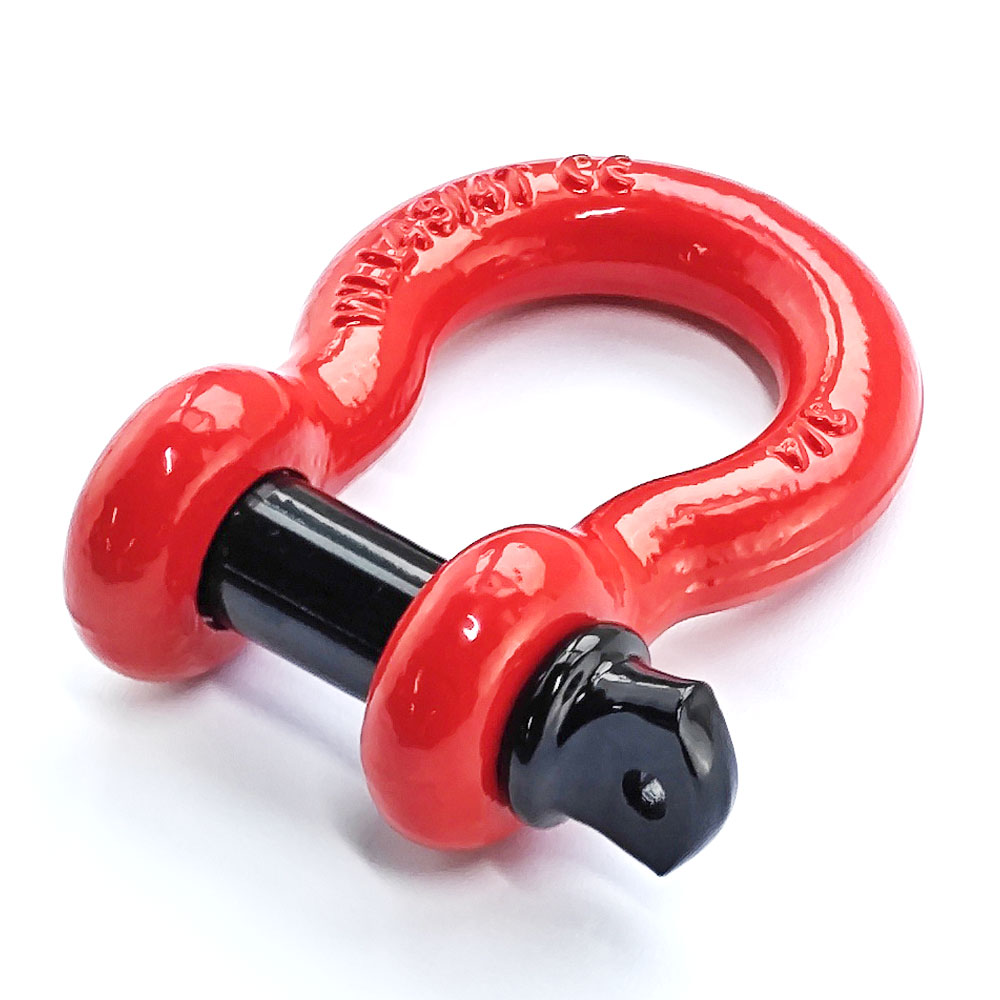
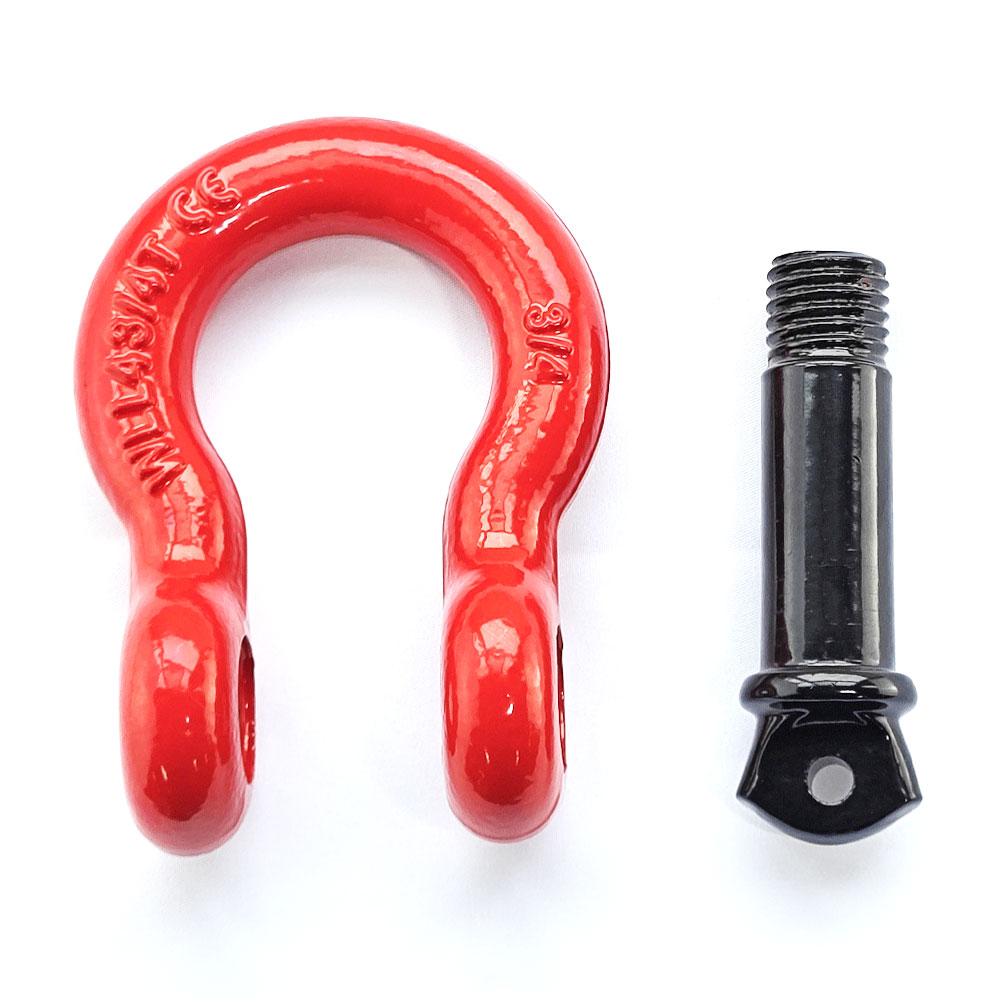
When sourcing rigging shackles, understanding their specifications and quality can significantly impact the efficiency and safety of your operations. Rigging shackles are essential components used in lifting and securing heavy loads in various industries, including construction, marine engineering, and transportation. Buyers often face concerns regarding material quality, load capacity, and compliance with safety standards. This article will provide insights into the sourcing of rigging shackles, including tips for distributors, quality standards, common issues, cost factors, and reliable supplier options.
Understanding the Quality Standards of Rigging Shackles
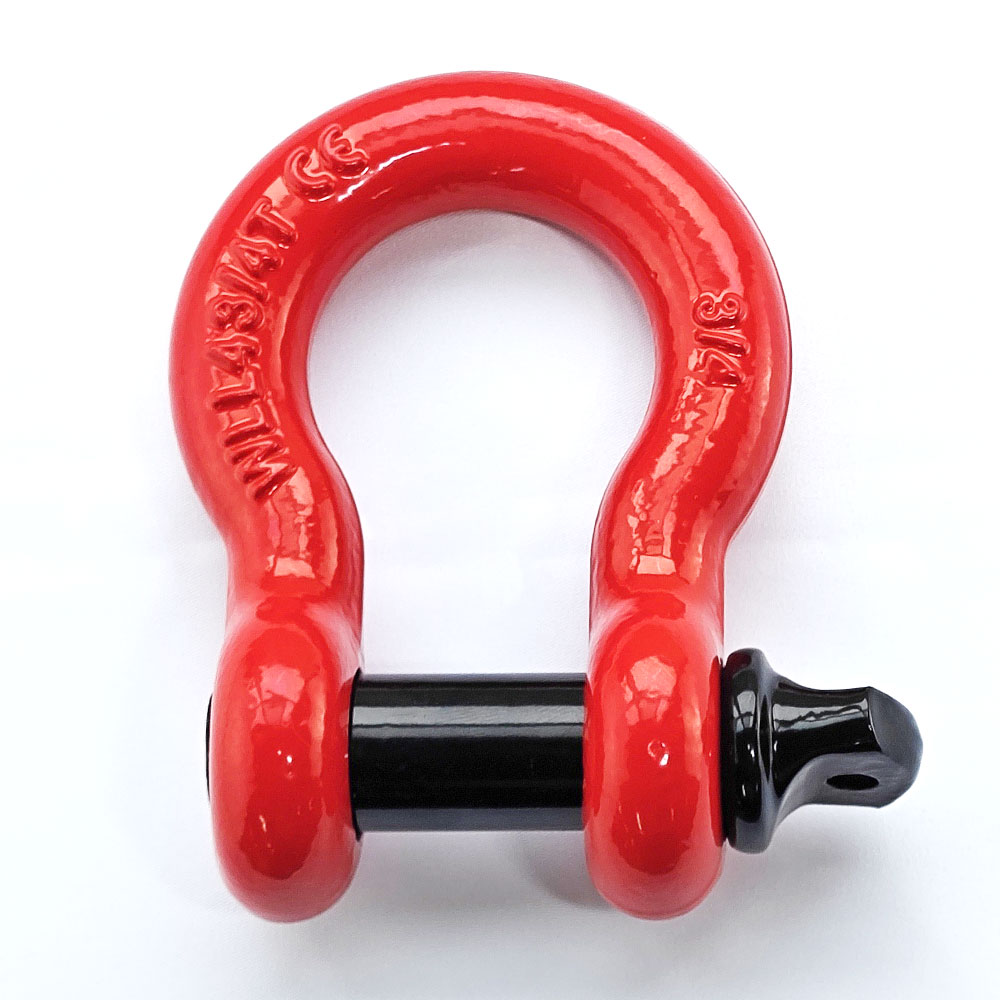
Quality standards for rigging shackles are essential for ensuring safety and performance in lifting operations. The most recognized standards include CE marking and ISO certifications, which indicate compliance with European and international safety regulations. These standards include guidelines for load capacities, material properties, and manufacturing processes.
When assessing shackles, buyers should pay attention to the Working Load Limit (WLL), which indicates the maximum weight a shackle can safely handle. It's vital to understand that the WLL should not be exceeded to prevent accidents and equipment failure. Additionally, buyers should verify that shackles have been tested for tensile strength and fatigue resistance, as these factors are critical for maintaining structural integrity under load.
Inspecting shackles for visible defects such as cracks, deformation, or corrosion is also crucial before use. Regular quality checks and compliance with safety standards can significantly reduce the risk of incidents during lifting operations.