Choosing Quality Slings and Shackles for Lifting

All Categories

Slings and shackles

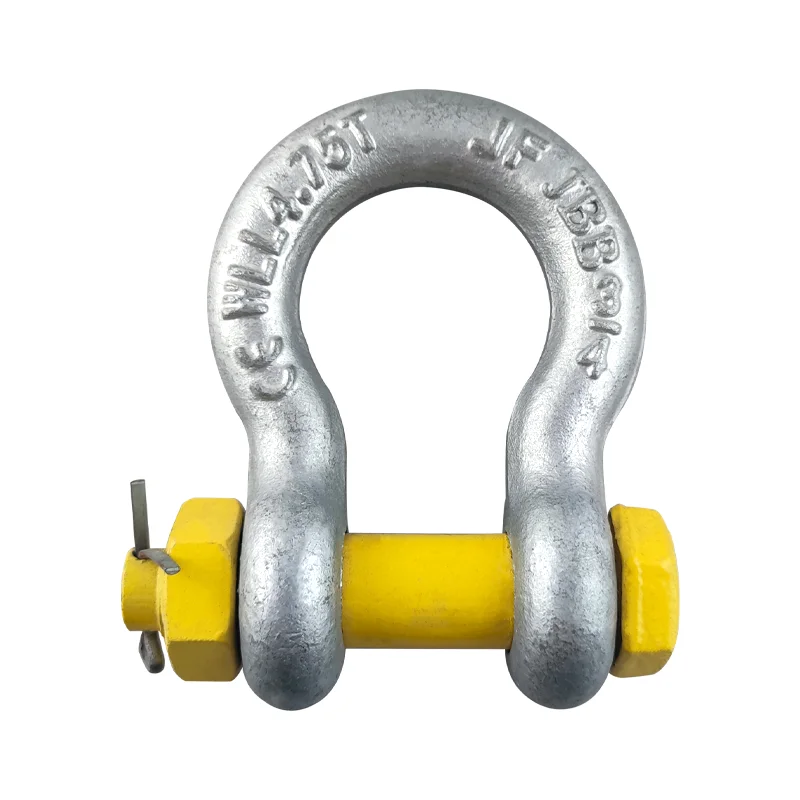
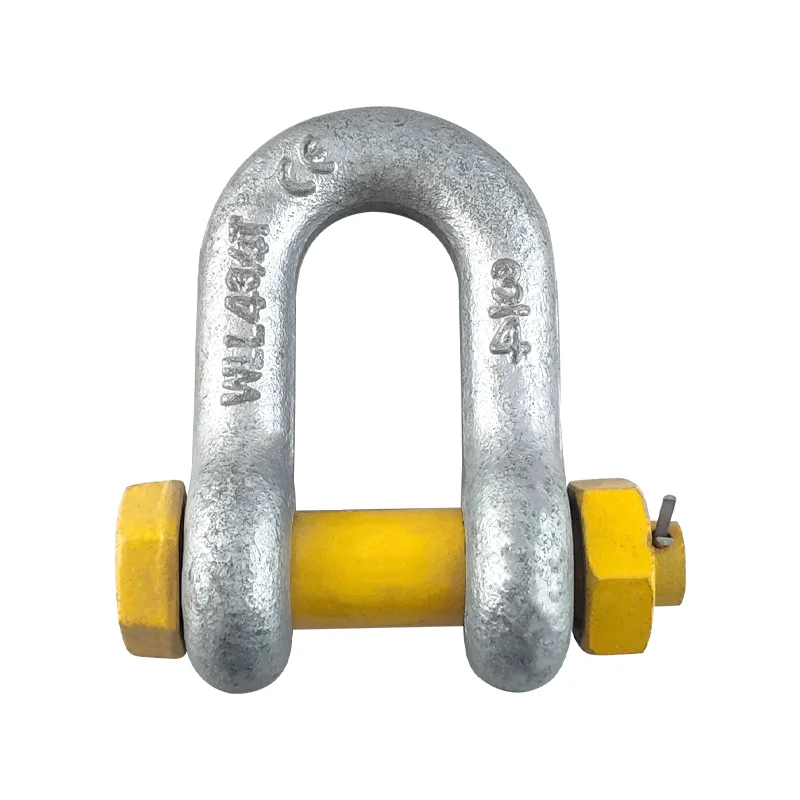
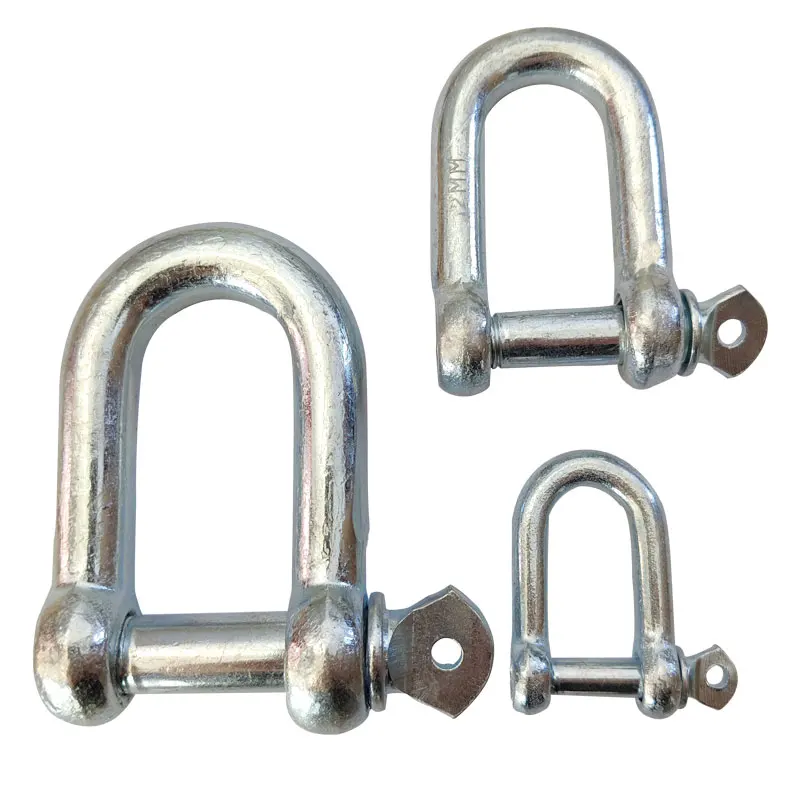
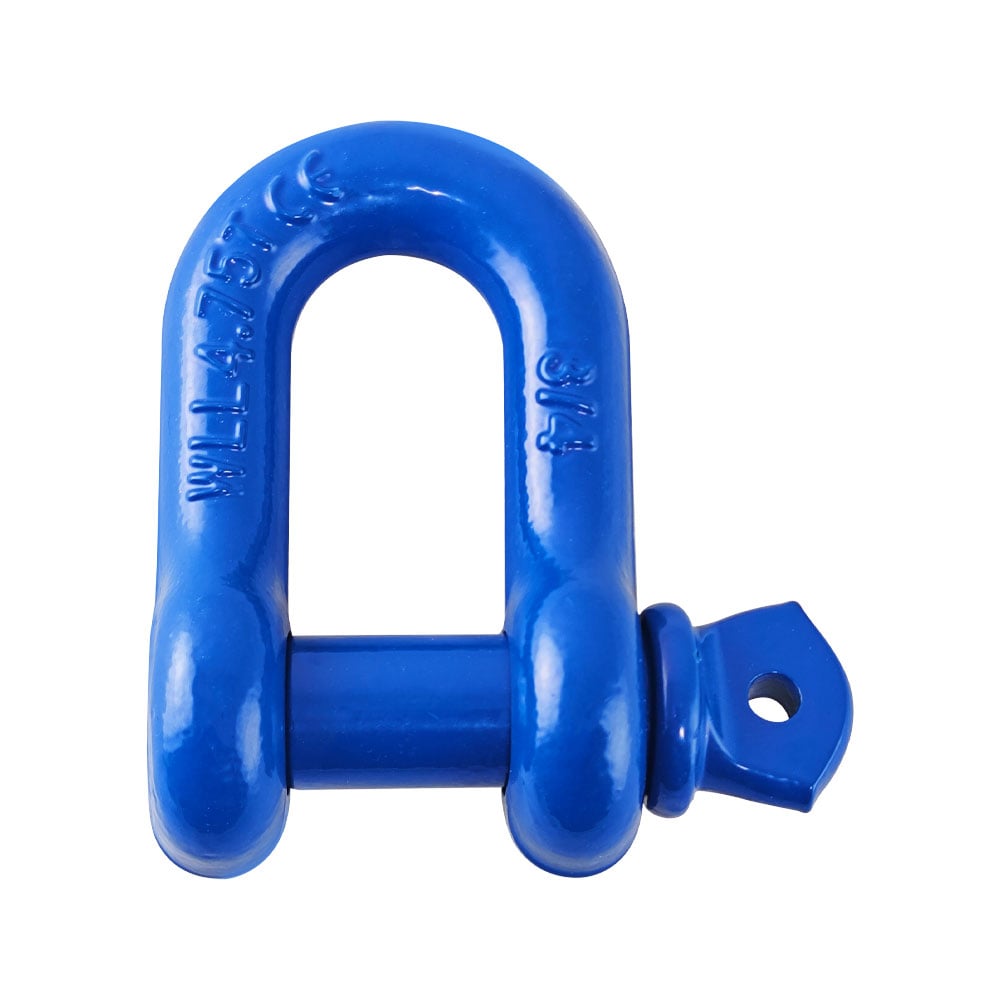
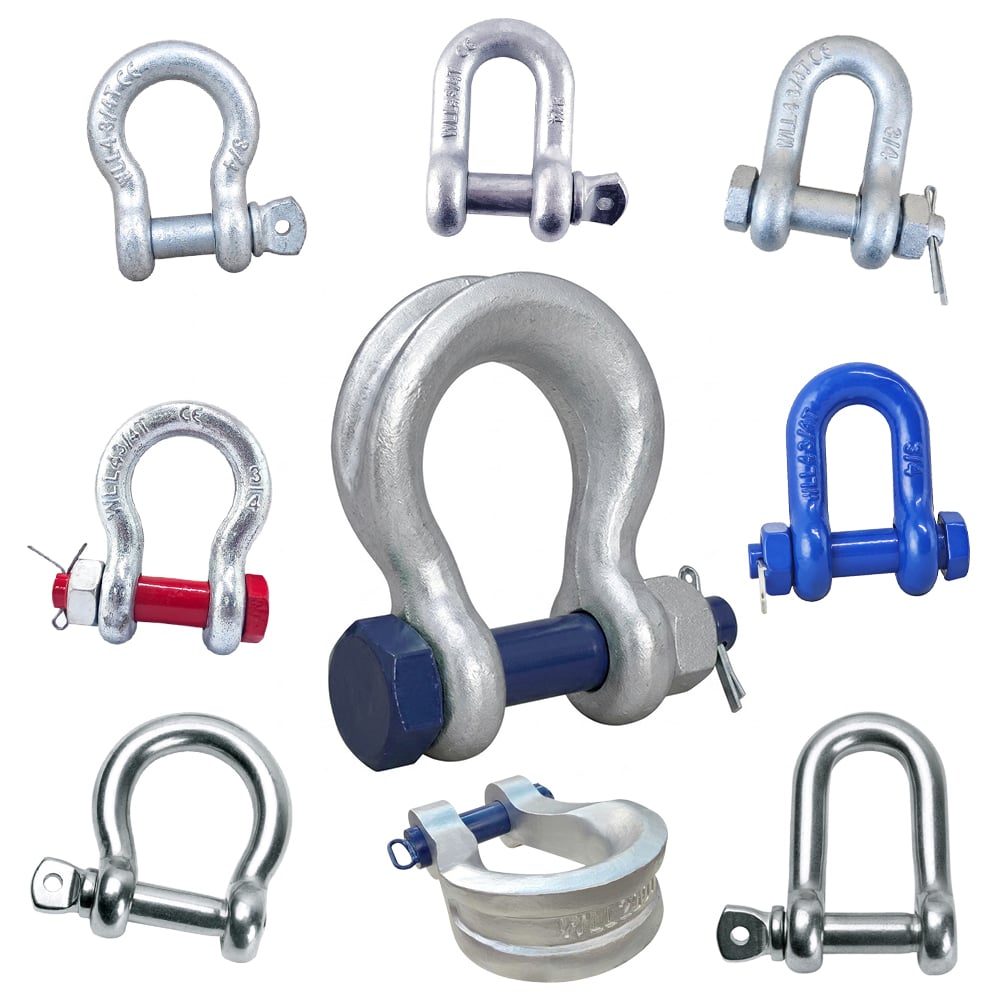
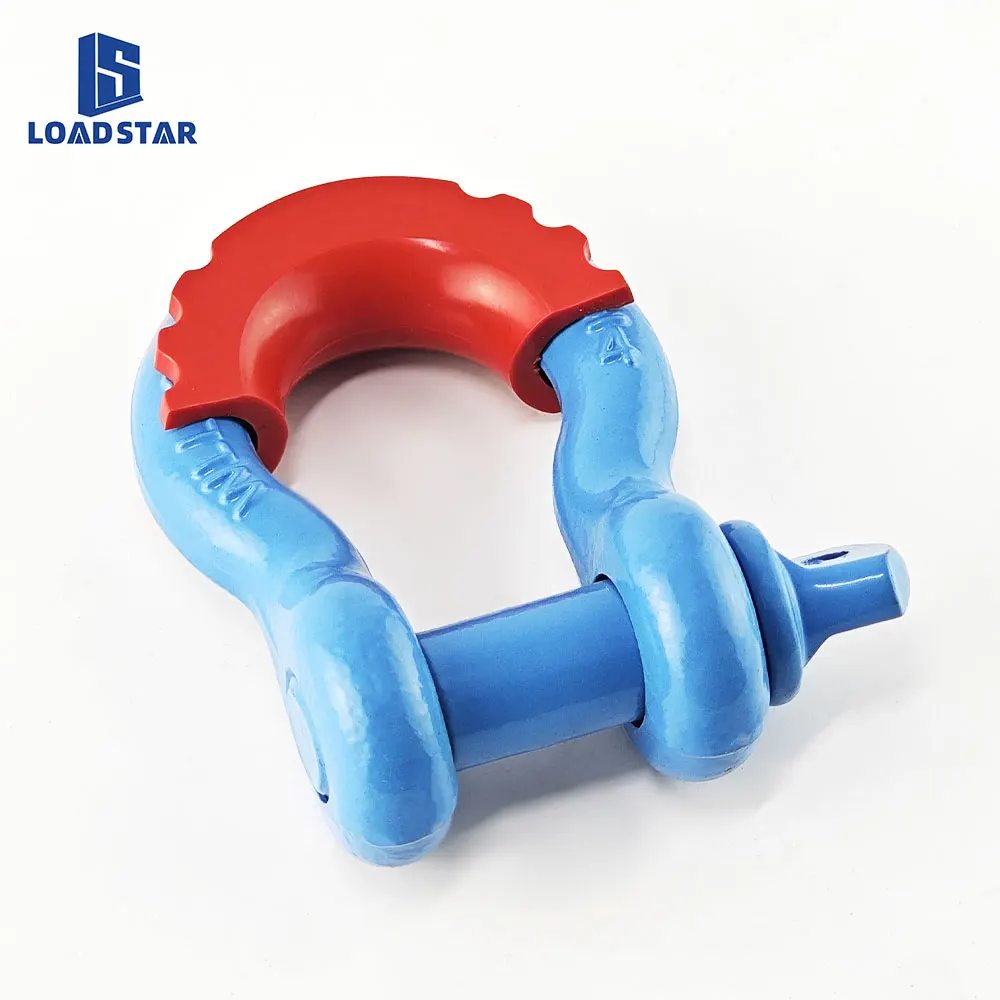
When it comes to lifting and rigging applications, slings and shackles are essential components that ensure safety and efficiency. These products are pivotal in various industries, including construction, marine engineering, and transportation. This article will guide you through key considerations for choosing, assessing, and effectively utilizing steel shackles in your projects.
Our Products

How to Evaluate the Quality of Slings and Shackles Products

Quality assurance is paramount when it comes to LoadStar slings and shackles, as substandard products can lead to accidents and equipment damage. Here are some critical factors to evaluate: 

Certifications: Look for CE and ISO certifications, which indicate compliance with international safety and quality standards. These certifications ensure that the products have undergone rigorous testing. 

Material Specifications: Check the material properties, including tensile strength, elongation, and resistance to environmental factors. High-quality materials will exhibit greater durability and performance. 

Manufacturing Processes: Understand the manufacturing capabilities of the supplier. Advanced production equipment and technology are indicators of a manufacturer's ability to produce high-quality, consistent products. 

Quality Control: Inquire about the quality control processes in place. Manufacturers should conduct regular inspections and testing throughout the production process to ensure that every product meets the required specifications. 

Installation Guidance for Slings and Shackles in Various Applications

Proper installation of slings and shackles is essential for safe lifting operations. Here are some guidelines: 

Inspection Before Use: Always inspect slings and shackles for any signs of wear, damage, or corrosion before installation. Any defective components should be replaced immediately. 

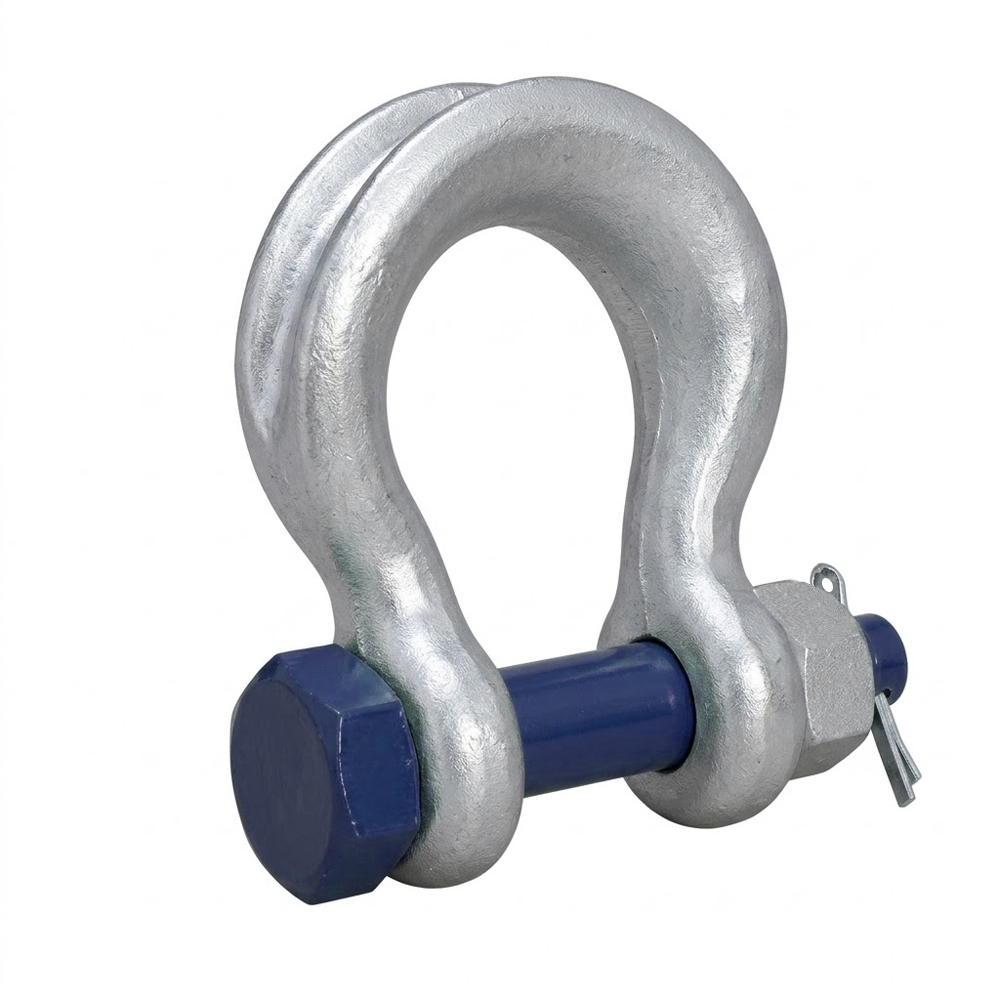
Correct Attachment: Ensure that stainless steel shackles are properly connected to the lifting point and that the load is evenly distributed. The pin of the shackle should be tightened securely to avoid accidental disconnection. 

Avoiding Twists and Kinks: When rigging slings, avoid twists and kinks. These can compromise the strength and stability of the sling during lifting operations. 

Following Manufacturer Guidelines: Adhere to the manufacturer's installation instructions and recommendations for the specific type of sling and shackle being used. 

Training Personnel: Ensure that all personnel involved in lifting operations are trained in proper rigging techniques and safety practices. 


Common Problems with Slings and Shackles and Their Solutions

Despite careful selection and installation, issues may still arise with LoadStar slings and shackles. Here are some common problems and their solutions: 

Wear and Tear: Over time, slings can wear down due to friction and environmental factors. Regular inspections should be conducted, and worn slings should be replaced to prevent failure. 

Incorrect Load Distribution: If the load is unevenly distributed, it can lead to excessive strain on one side of the sling. Use load-spreading devices or padding to ensure even distribution. 

Corrosion: In harsh environments, shackles can corrode, weakening their strength. Use corrosion-resistant materials and consider regular maintenance to clean and inspect shackles. 

Human Error: Improper use or handling can lead to accidents. Implementing thorough training and safety protocols can significantly reduce the risk of human error. 


Material Advantages of Using High-Quality Slings and Shackles

The material used for LoadStar slings and shackles plays a significant role in their performance and longevity. High-quality materials offer several advantages: 

Strength and Durability: Materials like high-tensile steel for shackles and high-performance synthetic fibers for slings provide superior strength-to-weight ratios, ensuring reliability under heavy loads. 

Resistance to Environmental Factors: Quality materials are often treated to resist corrosion, UV rays, and abrasion. This is particularly important for applications in harsh environments, such as marine or industrial settings. 

Flexibility and Handling: Synthetic slings are lightweight and flexible, making them easier to handle compared to traditional wire rope slings. This can lead to increased efficiency in lifting operations. 

Customizability: Many manufacturers, like Shandong Lisheng Machinery, offer customization options for materials and designs, allowing you to tailor slings and shackles to meet your specific project requirements. 


Choosing the Right Slings and Shackles for Your Project Needs

Selecting the appropriate slings and shackles is crucial for ensuring safety and efficiency in lifting operations. The choice of slings—whether they be synthetic webbing, wire rope, or chain—and shackles should be based on the specific requirements of your project. 

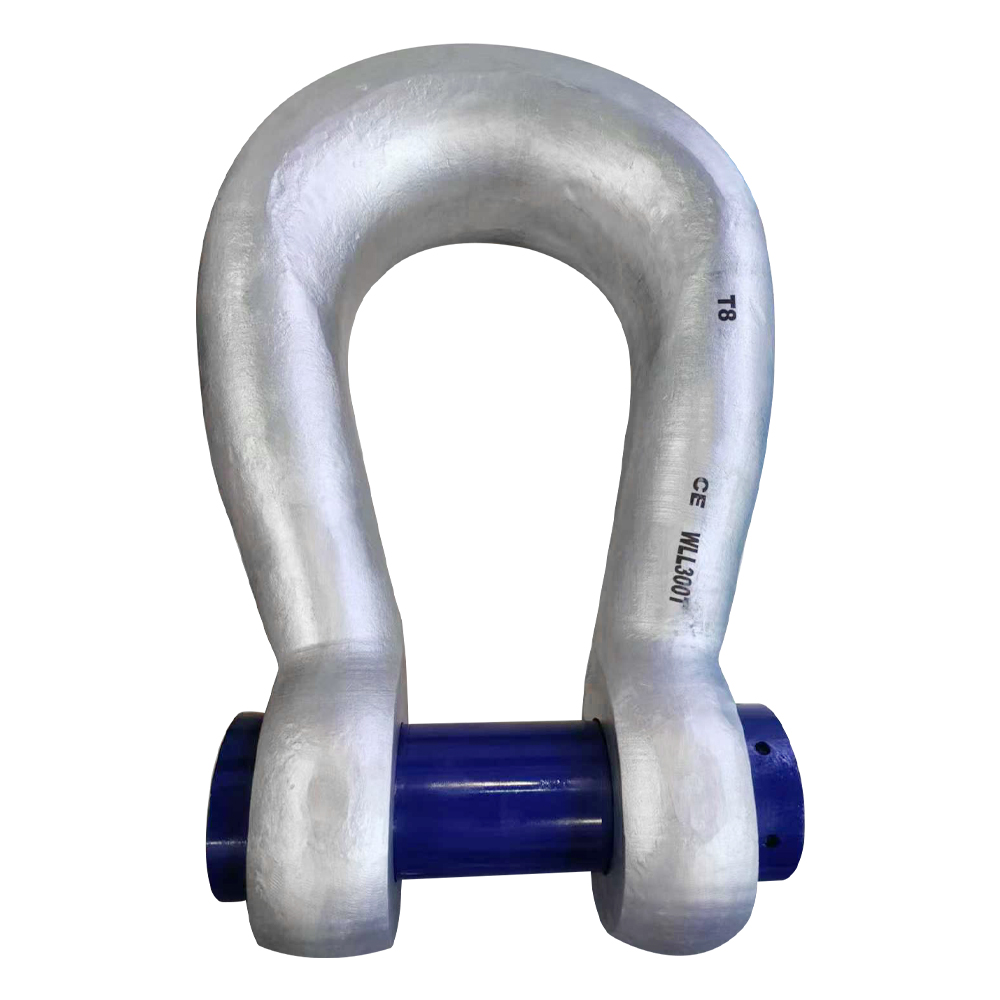
Load Capacity: Assess the weight of the items being lifted. Each sling and shackle has a rated load capacity, which should be clearly marked. Ensure that the total load does not exceed this capacity, factoring in safety margins. 

Material Consideration: The material of the sling affects its strength and application suitability. For example, wire rope slings are ideal for heavy-duty applications, while synthetic slings are lighter and easier to handle, making them suitable for more delicate loads. 

Environmental Factors: Consider the operating environment. For instance, if the slings will be used in marine applications, corrosion-resistant materials should be prioritized. 

Configuration and Length: Depending on the lifting method and the load's geometry, the configuration (single, double, or multi-leg slings) and length of the sling must be carefully chosen. 

By taking these factors into account, you can ensure that the galvanized shackles selected will meet the demands of your specific application. 

Frequently Asked Questions

What types of slings and shackles do you offer?

We supply wire rope slings, chain slings, synthetic slings and various shackles including bow, dee and high-strength clevis shackles, all manufactured to CE and ISO standards.
Yes. Our slings and shackles are produced under advanced equipment and processes and carry CE and ISO certifications to ensure consistent quality and safety.
Our products are widely used in construction, marine engineering and transportation for lifting, towing and securing loads in industrial settings.
Yes. We offer customization of length, capacity, fittings and load ratings to meet project specifications while maintaining CE and ISO compliance.
Choose based on load weight, lifting angle, environment and safety factor. Contact us with load details and conditions, and we will recommend the appropriate sling or shackle and rating.

Why choose LoadStar Slings and shackles

We have many years of production experience, products in line with national certification standards

our products have passed ce certification covering 4 leg wire rope sling g43 g70 g80 g100 and meet the standards we are committed to providing high quality products that meet international standards to meet the growing needs of our customers our products are used in engineering construction in various countries and they still maintain their strength and quality after many years of use

We company produced are sold to more than 30 countries

the products offered by the company are top-quality with complete specifications Chain link galvanized they are well-known across more than 30 countries including china iran pakistan saudi arabia the united arab emirates

Professional service team

Prior to placing your order, our expert service personnel can customize products according to your specifications and, after the completion of the production process we have a team of professionals to inspect the quality of the product hot dipped galvanized chain, delivery and quality inspection to ensure that you are satisfied.

We own our own factory

Own factory ensures that every link from raw materials to wire rope sling of product production can be controlled. Owned factories allow businesses to directly manage and control the process of production, thus cutting production costs in a more efficient manner.

Our Blog Posts

How Can Snap Hooks Be Used in Safety Harness Systems?

05

Apr

How Can Snap Hooks Be Used in Safety Harness Systems?

Snap hooks are one of the most critical components of a safety harness system since they are designed to save our lives if working in high places. How LoadStar snap hook with eyelet work and how to use them to stay safe? Let’s find out more...
View More
How Do Aluminium Ferrules Compare to Steel Ferrules in Performance?

28

Jul

How Do Aluminium Ferrules Compare to Steel Ferrules in Performance?

When it comes to building something tough and durable, the right choice of materials is essential. Metal is one of the most common construction materials people use to create stuff. The two frequently used metals include aluminum and steel. At LoadSt...
View More
What are the Tensile Strength Ratings of a Standard Eye Bolt & Nut

19

Mar

What are the Tensile Strength Ratings of a Standard Eye Bolt & Nut

Eye bolts and nuts are vital pieces of equipment that are used to secure or hoist heavy objects. They must be quite robust so that they don’t crack under pressure. One way to get an idea of how strong they are is to check their t...
View More
Understanding the safety factor requirements of an Industrial Snap Hook

13

Jan

Understanding the safety factor requirements of an Industrial Snap Hook

In a lot of workplaces there are heavy things that need to be lifted and/or transported in some way. Industrial snap hooks are the tools that make this possible. They hold various pieces of equipment together firmly. Safety factors especially must be...
View More