 EN
EN
 AR
AR
 BG
BG
 HR
HR
 CS
CS
 DA
DA
 NL
NL
 FI
FI
 FR
FR
 DE
DE
 EL
EL
 HI
HI
 IT
IT
 JA
JA
 KO
KO
 NO
NO
 PL
PL
 PT
PT
 RO
RO
 RU
RU
 ES
ES
 SV
SV
 TL
TL
 IW
IW
 ID
ID
 LT
LT
 SR
SR
 SL
SL
 SQ
SQ
 HU
HU
 TH
TH
 TR
TR
 FA
FA
 AF
AF
 MS
MS
 HY
HY
 AZ
AZ
 BN
BN
 SO
SO
 KK
KK
Ratchet straps are essential tools in the manufacturing, construction, and transportation industries, designed to secure loads during storage and transit. With various specifications and materials available, buyers often face challenges in selecting the right strap for their specific needs. This article will address key concerns for purchasing managers, engineers, and distributors, providing guidance on sourcing, costs, problem-solving, and applications of ratchet straps in relevant industries.
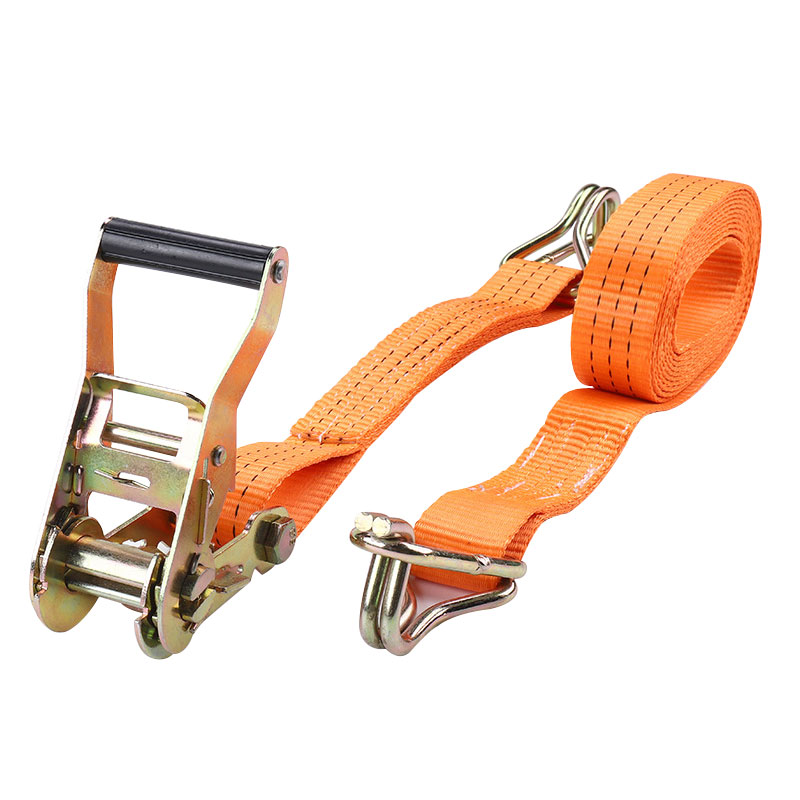
A Buyeru2019s Guide
When purchasing ratchet straps, buyers should consider several key specifications to ensure the product meets their operational requirements. Key specifications include:
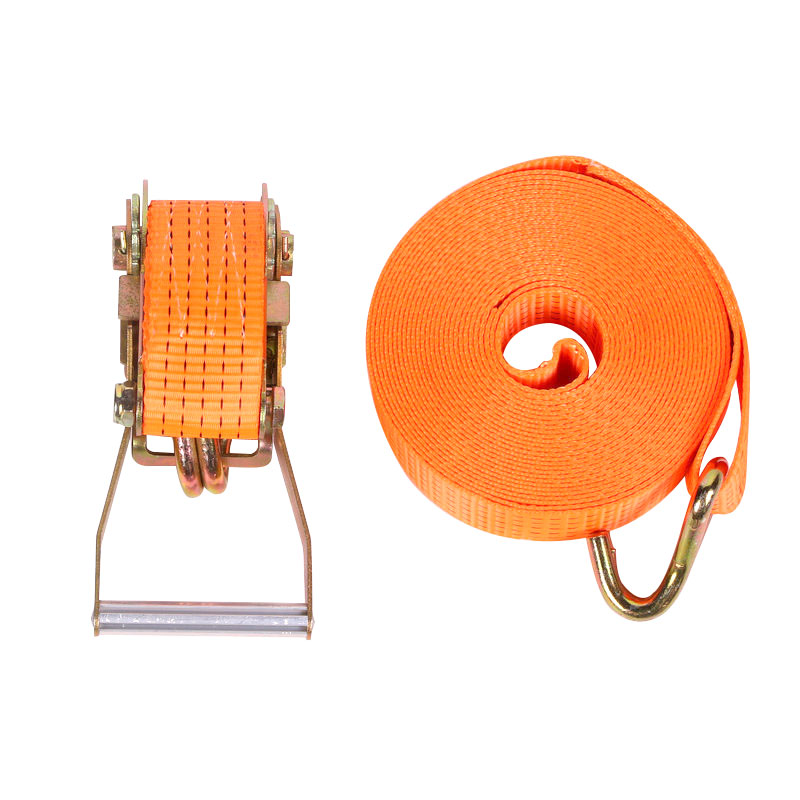
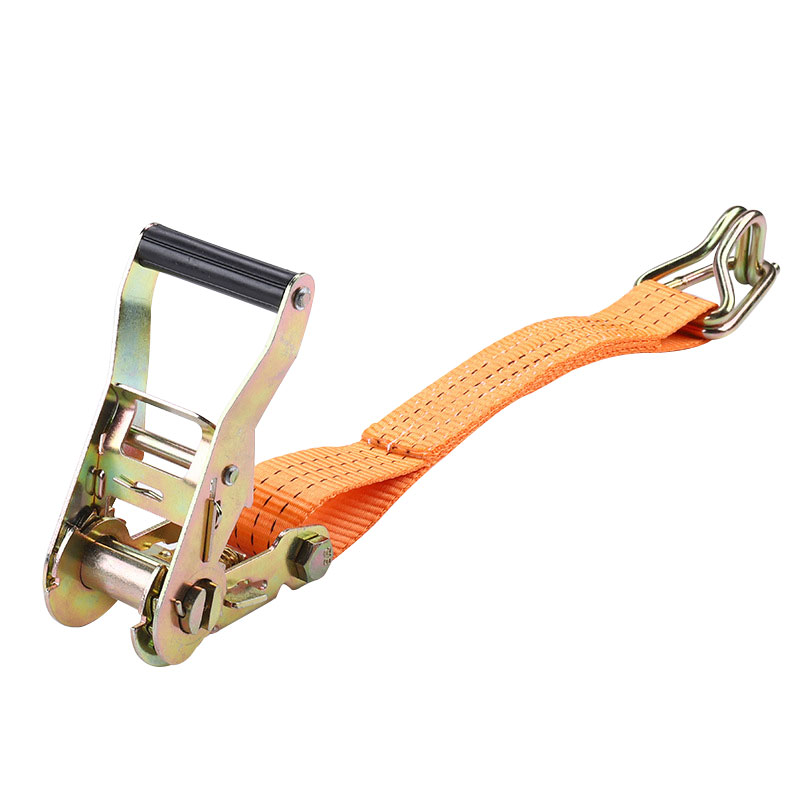
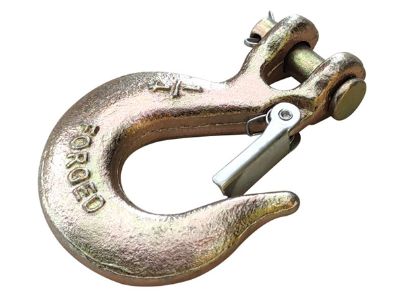
Material: Common materials include polyester and nylon, each offering different levels of strength and durability. Polyester is often preferred for its resistance to UV rays and moisture, making it suitable for outdoor applications. Working Load Limit (WLL): This indicates the maximum load a strap can safely handle. Be sure to choose straps with a WLL that exceeds the expected load to account for safety margins. Length and Width: The dimensions of the strap should align with the application requirements. Longer straps may be necessary for larger loads, while wider straps can distribute weight more effectively. End Fittings: Depending on the application, different end fittings (like hooks, flat hooks, or D-rings) may be required to secure the load effectively.Before placing an order, confirm these specifications with the supplier and ask for samples to ensure they meet your requirements.