 EN
EN
 AR
AR
 BG
BG
 HR
HR
 CS
CS
 DA
DA
 NL
NL
 FI
FI
 FR
FR
 DE
DE
 EL
EL
 HI
HI
 IT
IT
 JA
JA
 KO
KO
 NO
NO
 PL
PL
 PT
PT
 RO
RO
 RU
RU
 ES
ES
 SV
SV
 TL
TL
 IW
IW
 ID
ID
 LT
LT
 SR
SR
 SL
SL
 SQ
SQ
 HU
HU
 TH
TH
 TR
TR
 FA
FA
 AF
AF
 MS
MS
 HY
HY
 AZ
AZ
 BN
BN
 SO
SO
 KK
KK
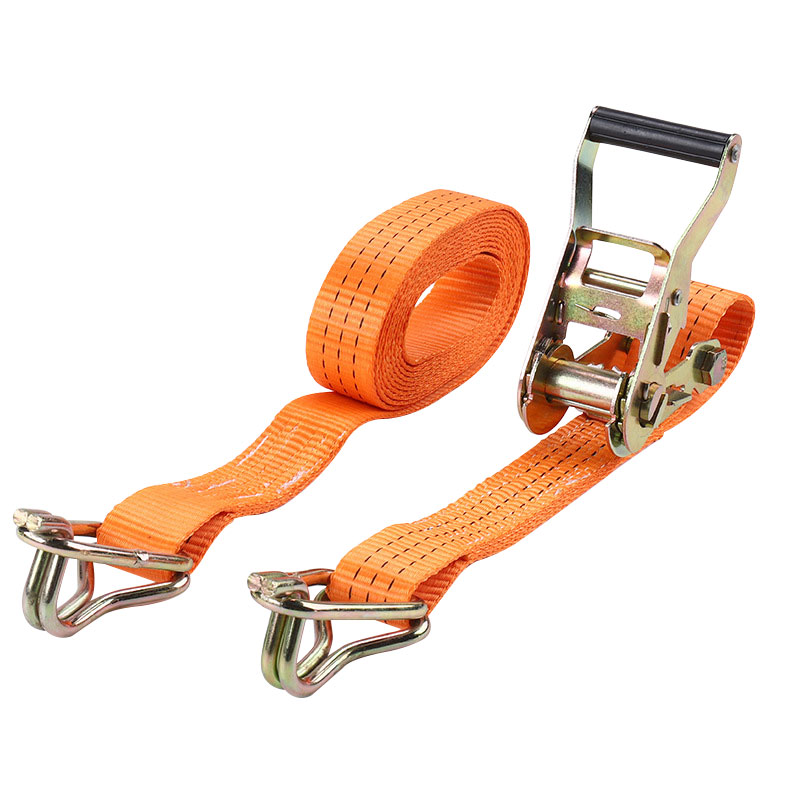
Ratchet binders are essential hardware used for securing loads during transport, providing safety and stability in various applications. When selecting ratchet binders, B2B buyers often focus on factors such as durability, load capacity, compliance with standards, and ease of use. This article aims to guide purchasing managers, distributors, and engineers through the key considerations, specifications, common issues, and applications related to ratchet binders, empowering them to make informed purchasing decisions. For those looking for a wide range of securing solutions, our Link Chains are also worth exploring.
What to Look For
When comparing ratchet binders, focus on the following key specifications:
Breaking Strength: This is the maximum load that the binder can withstand before failing. Always choose a ratchet binder with a breaking strength rating that exceeds your maximum load requirements to ensure safety.
Working Load Limit (WLL): This refers to the maximum load that a binder can safely handle for regular use. It's critical to select a binder with a WLL that meets or exceeds your application's needs.
Length Options: Ratchet binders come in various lengths; choose one that fits your load dimensions effectively. An improperly sized binder can lead to ineffective securing, increasing the risk of load shifting.
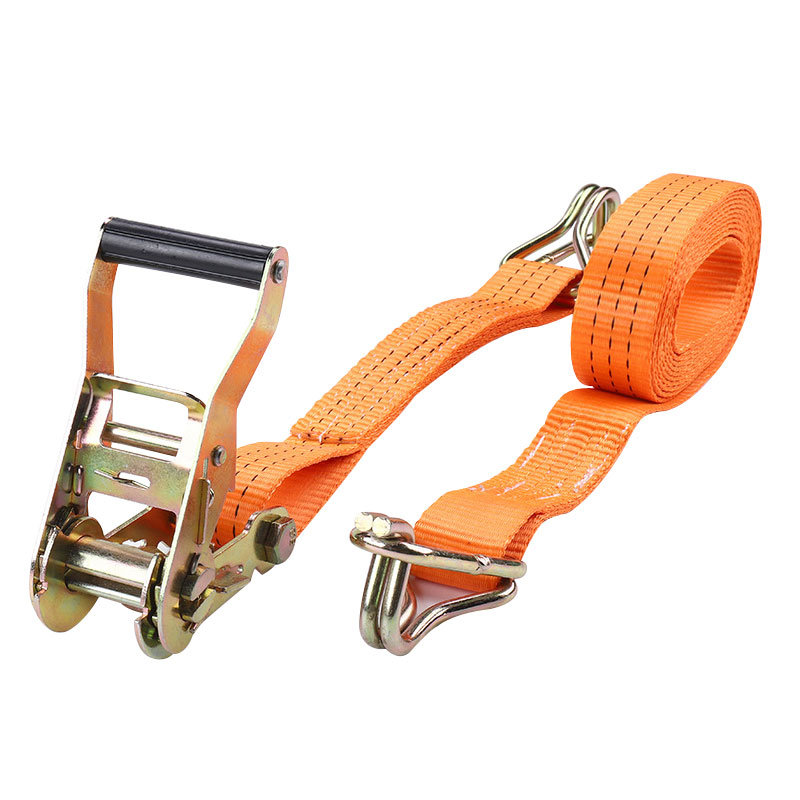
Handle Type: The design of the handle can affect the ease of use. Some binders feature ergonomic handles that provide better grip and leverage during operation, which can be particularly beneficial during frequent use.
Finish and Coating: Look for binders with protective coatings to enhance durability, especially in environments that expose them to moisture or chemicals. A good coating can prevent rust and extend the life of the product.