Load Binders: Pricing, Installation & Supplier Insights

All Categories

load binders

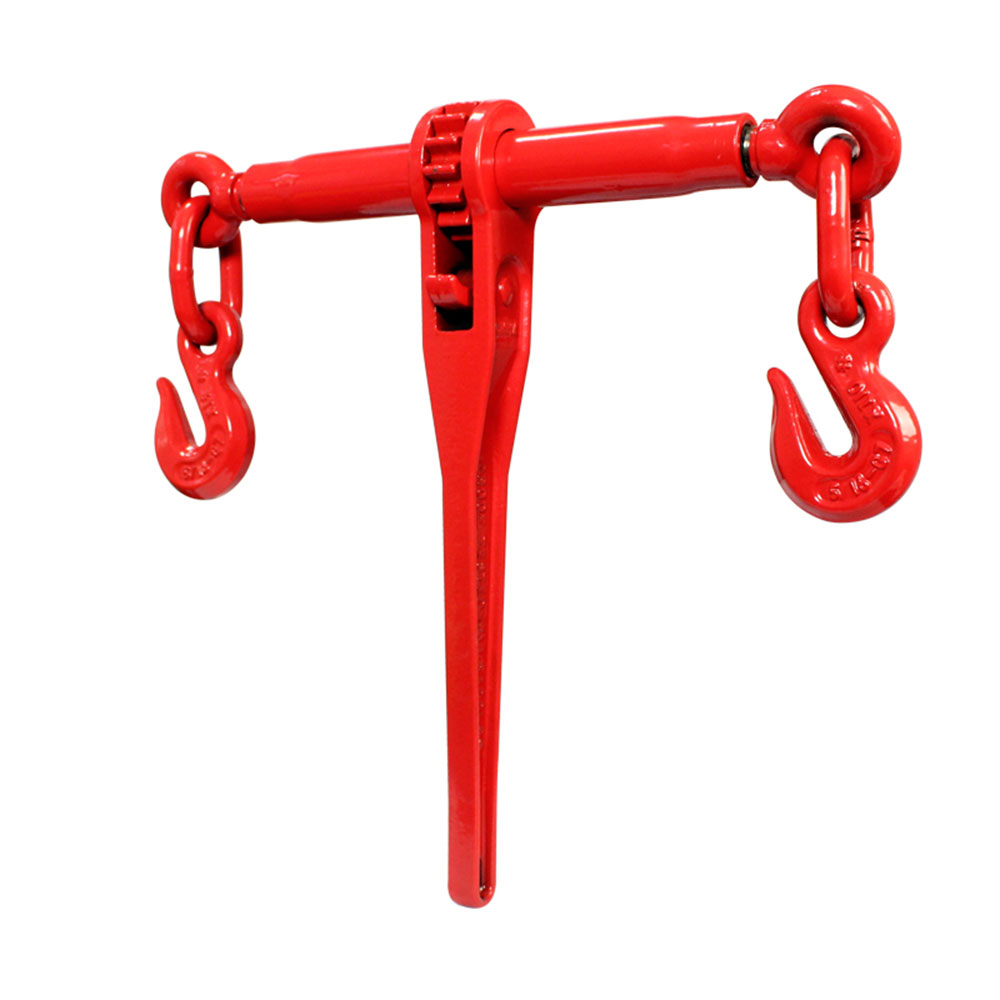
Load binders are essential components in  lifting  and rigging  operations, designed  to secure and tension  loads safely during transportation  and  installation. For  B2B buyers, understanding  the  specifications, applications, and supplier  options  for load binders  is  critical  to ensuring safety and compliance  in their operations. This article  provides comprehensive insights into load binders, addressing key concerns such  as pricing,  installation guidance, and supplier reliability,  ultimately helping purchasing managers and engineers make informed decisions.
What Buyers Should Know

What Buyers Should Know

When sourcing load  binders, buyers should consider  several key specifications:

Load Capacity: Knowing the maximum load each binder can  handle is crucial for safety. Load capacities vary widely, so buyers must select binders that match their specific application requirements.

Material Quality: The material  used  in load binders affects both  durability and performance. For instance, high-carbon steel provides  greater tensile strength but may be more susceptible to corrosion. Stainless steel options are available for  marine applications where  exposure to moisture and salt is a concern.

Design Features: Different designs, such as lever or ratchet types, can  affect ease of use  and  efficiency.  Buyers should select a design that aligns with their operational needs and  user skill levels.

Compliance and  Certification: Ensure that the  load binders  meet local regulations and industry standards. Certificates of compliance can often be requested from suppliers to ensure product reliability.

Customization: Buyers may require specific modifications to meet unique operational needs.  Discussing customization capabilities with suppliers can lead to  tailored solutions. Suppliers of Wire Rope Clamp Din741 Rigging Hardware Wire Rope Clip often offer such customization options.
Installation Guidance for Load Binders in Various Applications

Installation Guidance for Load Binders in Various Applications

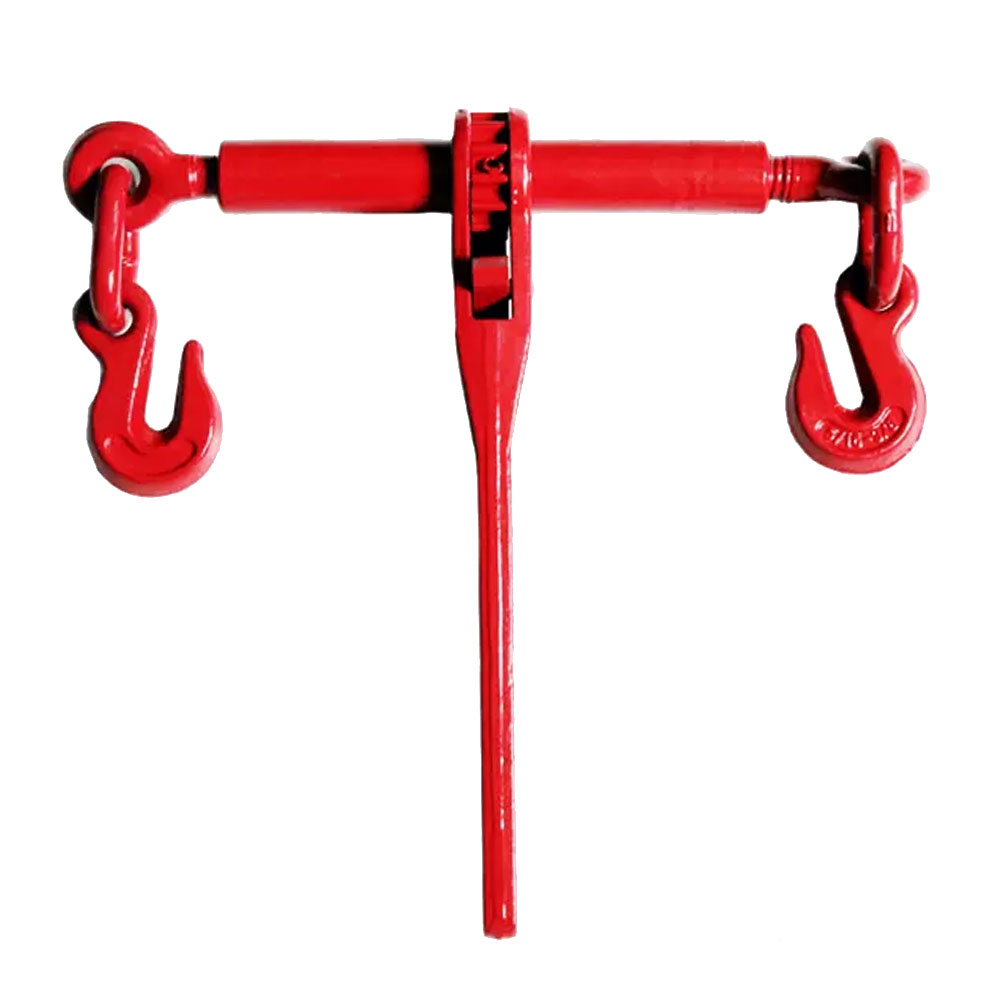
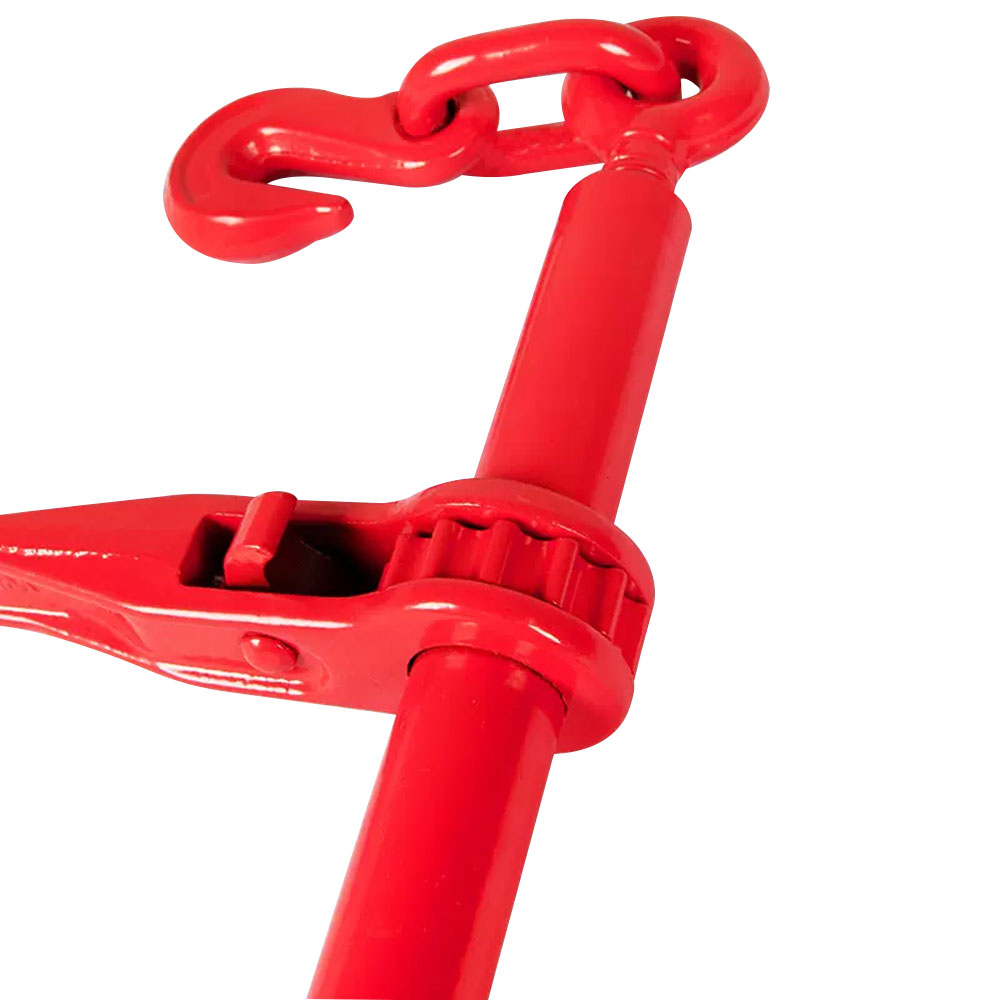
Proper installation of load binders is  vital to ensure safety and effectiveness  in load  management. Here are some guidelines based on common applications:


Construction: In  construction settings, load binders should be installed according to the project’s specific load calculations.  Always ensure that the binder is  securely attached to both the load and the  anchor point. Inspect the installation regularly to ensure that no loosening occurs during operations.

Marine Engineering: When using load binders in marine applications, it's essential to consider  environmental factors. Corrosion-resistant coatings can  enhance durability, and proper tensioning techniques  should be employed  to withstand dynamic loads caused  by waves and movement.


Transportation: Load binders in transportation must be installed to evenly distribute load weight. Proper tensioning is critical; over-tightening can damage the load while under-tightening can lead to  slippage.  It’s advisable to conduct a test run  to ensure stability during transit.

Regular inspection and maintenance of load binders  should also  be part of operational protocols to identify  wear and tear, ensuring continued safety and performance.

Where to Find Reliable Suppliers of Load Binders

Where to Find Reliable Suppliers of Load Binders

Finding reliable suppliers for  load binders involves a few strategic  steps:

Industry Research: Start by  identifying manufacturers with a strong reputation in the lifting and rigging sector. Supplier directories and industry associations can provide valuable leads.

Product Certifications: Look for suppliers that offer CE and ISO-certified products. This indicates adherence to quality standards and  safety regulations.

Customer Reviews  and Testimonials: Evaluate supplier credibility through customer  feedback.  Positive reviews can provide insights into  product performance and service  reliability.

Direct Inquiries: Engage directly with  potential  suppliers to discuss your specific needs. This  interaction can help assess their knowledge, responsiveness,  and willingness to accommodate customized  solutions.

Samples  and Trials: Before committing  to a bulk  order, request samples  to evaluate quality and performance under actual working  conditions.  This practice helps mitigate risks associated with large-scale purchases.

Cost Factors to Consider When Purchasing Load Binders in Bulk

When planning to purchase  load binders in  bulk, several cost factors should be evaluated:

Volume Discounts: Many manufacturers offer discounts for larger  orders. Buyers should inquire about available pricing tiers based on order size.

Shipping Costs: Depending  on the supplier's location and the buyer's destination, shipping costs can significantly  impact total expenses. It’s  essential to factor in these costs when budgeting.

Customization Costs: If specific modifications  are needed for load binders, these may incur additional charges. Discussing customization needs upfront  can provide clarity around pricing.

Quality Assurance: Investing  in higher-quality products may result in  lower  long-term costs due to reduced failures and maintenance needs. Buyers should consider the balance between  upfront costs and long-term reliability.

Market Fluctuations: Be aware of material price fluctuations that can influence overall costs. Engaging with  suppliers  about  potential price changes can  help in planning  budgets effectively.

By understanding these cost factors and engaging proactively with  suppliers, purchasing managers can make more informed decisions  that align with their project budgets  and operational needs.

Pricing and Availability

The pricing of load binders can vary significantly based  on several factors,  including material,  size, and  design specifications. Generally, load binders are made from high-strength  materials, like steel or alloy, which  can influence their cost. Additionally, certifications like CE and ISO—common in products from Shandong Lisheng  Machinery—may  also  impact pricing, as they ensure compliance with safety standards.

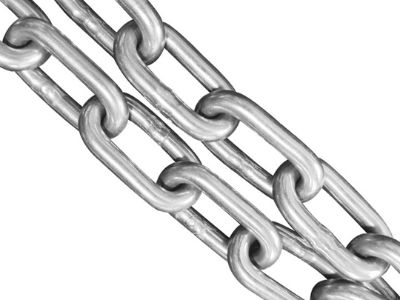
Availability of load binders is typically linked to manufacturing capacity and lead times. Reliable  suppliers often maintain sufficient stock levels to meet immediate needs. However, for  bulk  orders, lead times may  extend due  to production  schedules, especially  if custom specifications  are required. Buyers should confirm minimum order quantities (MOQ) and expected delivery timelines when negotiating with suppliers to ensure timely  project  execution. For instance, suppliers of Galvanized iron chain DIN766 2mm to 32mm welding galvanized link chain can provide options that meet these needs.


Why choose LoadStar load binders

Professional service team

Prior to placing your order, our expert service personnel can customize products according to your specifications and, after the completion of the production process we have a team of professionals to inspect the quality of the product Wire rope hoist, delivery and quality inspection to ensure that you are satisfied.

We own our own factory

A factory is a place 2 leg wire rope sling companies to control and manage the entire process of production. This helps reduce production costs.

We have many years of production experience, products in line with national certification standards

our products have passed ce certification hot dipped galvanized chain g30 g43 g70 g80 g100 and meet the standards we are committed to providing high quality products that meet international standards to meet the growing needs of our customers our products are used in engineering construction in various countries and they still maintain their strength and quality after many years of use

We company produced are sold to more than 30 countries

the products Wire rope hoist by the company are high-end that come with full specifications designs they are sold in over 30 countries including china iran pakistan saudi arabia the united arab emirates

Our Blog Posts

What Are the Different Types of Wire Rope and Their Uses?

26

Mar

What Are the Different Types of Wire Rope and Their Uses?

This is a very strong versatile material, best known for use as wire rope in a variety of applications. It's a heavy-duty rope with lots of little wires bound together to create something very strong. There are different kinds of wire rope that have ...
View More
What Are the Key Features to Look for in Wire Rope?

05

Apr

What Are the Key Features to Look for in Wire Rope?

Wire ropeis a popular strong type of rope that is combined with many metal wires. This also comes in very helpful when lifting heavy things or grasping something firmly. All wire ropes are not the same however. When selecting the correct wire ro...
View More
What Are the Best Applications for a Double-Ended Snap Hook?

23

Jul

What Are the Best Applications for a Double-Ended Snap Hook?

Double Ended Snap Hook  A great item by Webrings Double ended snap hooks are extremely handy for a wide range of uses(JH4C). They’re handy for tying things up or bringing things together and simplifying jobs. LoadStar has some of the best double...
View More
A Guide to Selecting the Right Wire Rope for Marine and Saltwater Environments

03

Oct

A Guide to Selecting the Right Wire Rope for Marine and Saltwater Environments

When working in saltwater and marine environments the type of wire rope you select is very important. The salty air and water are tough on metal, causing it to rust and wear down more than it would in any other environment. That's why it's critical t...
View More