Quality Lifting Chains and Slings for Safe Operations

All Categories

lifting chains and slings

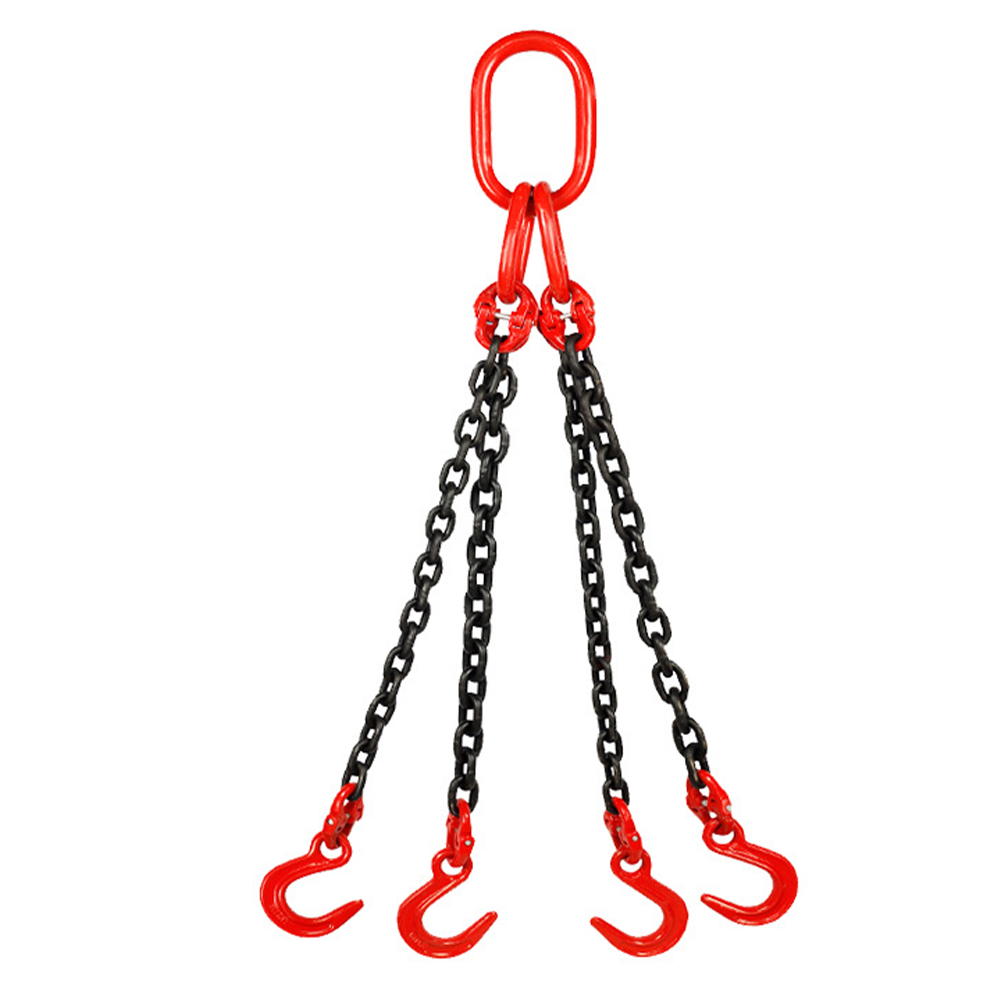
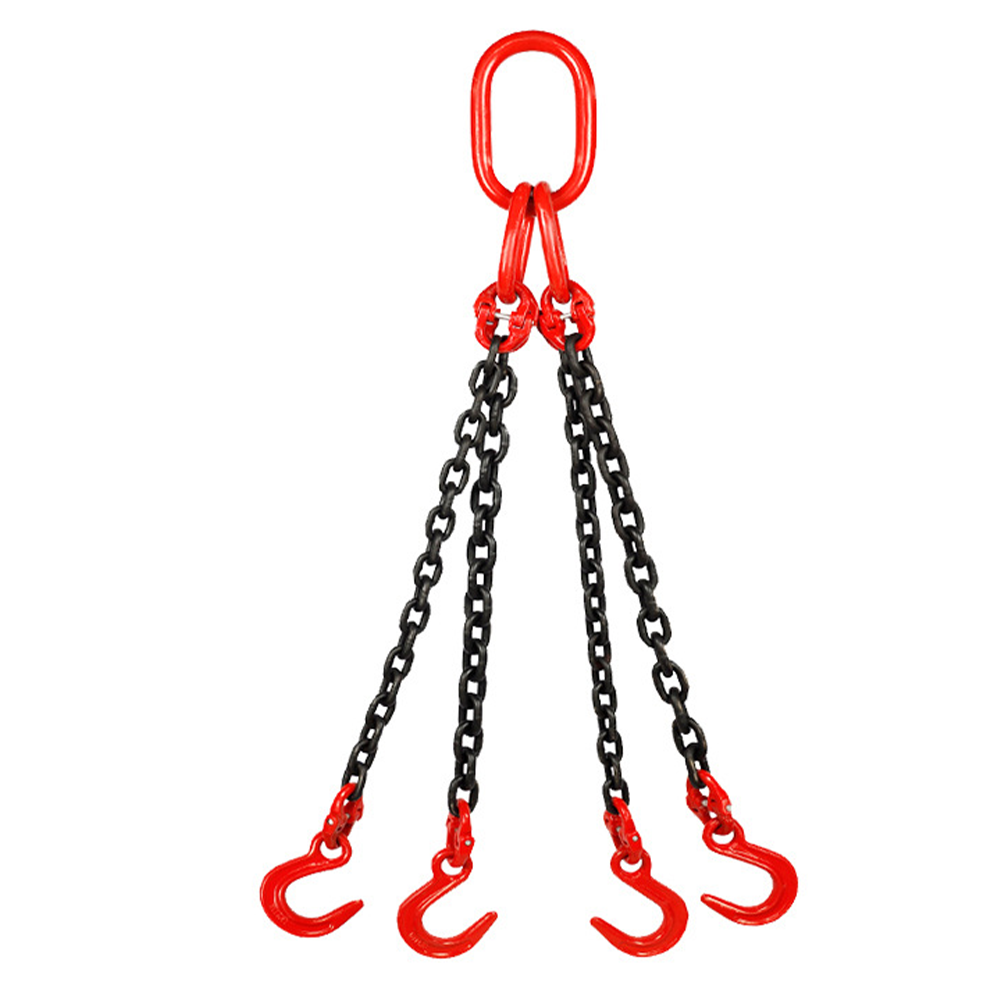
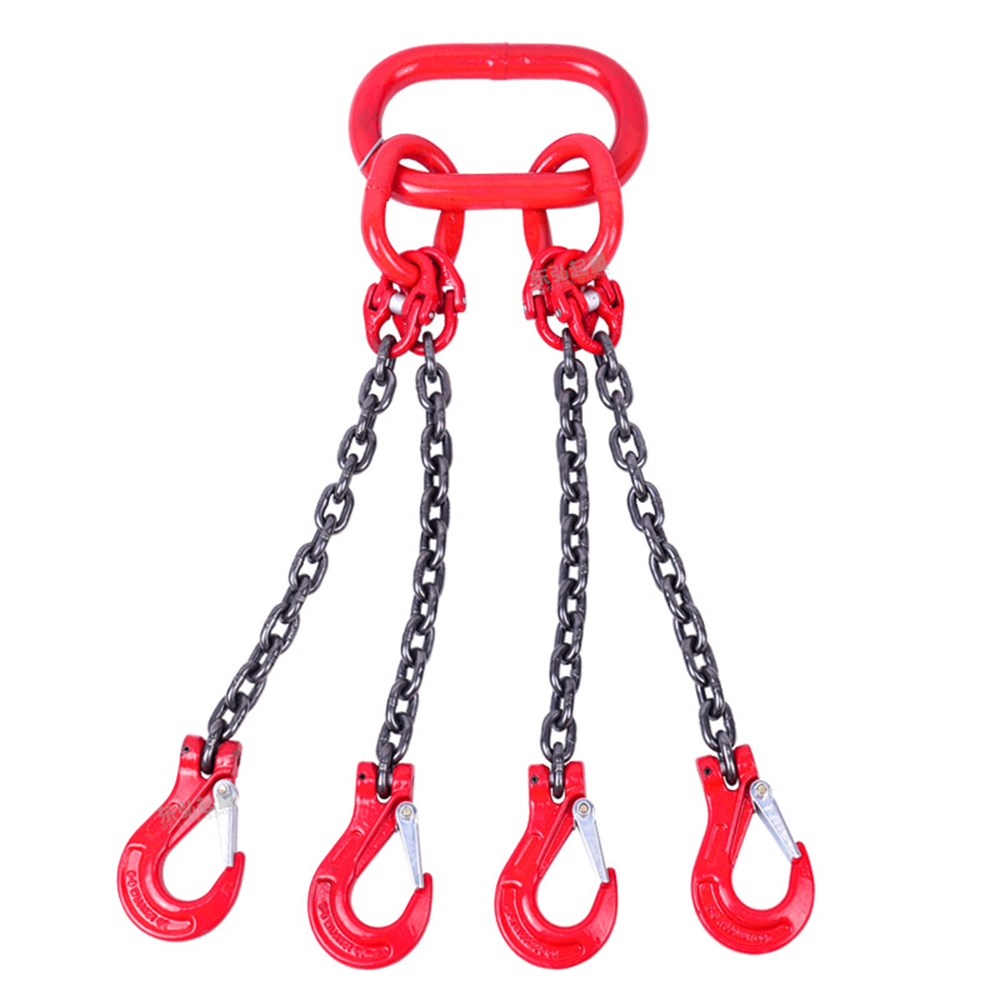
Lifting chains and slings are critical  components  in various industries, providing  essential support for heavy loads  during lifting  and hauling operations. Purchasing  managers  and engineers often  face concerns about selecting the  right products that meet safety standards, application needs,  and budget constraints. This  article will guide you through  important  considerations  for choosing lifting  chains and slings,  finding reliable  suppliers, understanding cost factors,  best practices, and their applications across  different  sectors.
Evaluating the Quality of Lifting Chains and Slings for Safety

Evaluating the Quality of Lifting Chains and Slings for Safety

Finding a trustworthy supplier for lifting chains and slings is crucial for ensuring quality and safety. Here are some strategies  to identify reliable suppliers:

Certifications and Standards: Look for suppliers that offer CE and ISO  certified products. These  certifications indicate that the products meet international quality and safety standards, providing you with confidence in their reliability.

Industry Reputation: Research potential suppliers  by checking customer reviews,  industry endorsements, and their history in the  market. A well-established supplier with positive feedback is often more reliable.

Production Capabilities: Ensure  that the supplier has advanced production equipment and quality control processes in place. This is vital  for  maintaining consistency and meeting quality standards in their products.

Responsive Customer Service: Evaluate  the supplier's customer service by observing  their responsiveness to inquiries and  willingness to provide technical support. A supplier that values communication will be  easier to work with and more likely to address any concerns that  arise during the purchasing process.

Trial Orders: Before committing to  larger orders, consider placing a trial  order. This allows you  to assess product quality and supplier  reliability without a  significant  upfront investment.
Cost Factors to Consider When Purchasing Lifting Chains and Slings

Cost Factors to Consider When Purchasing Lifting Chains and Slings

When purchasing lifting chains and slings  in bulk, several cost factors should be  taken into account  to ensure  budget adherence:

Unit Price vs. Total Cost: While the unit price is a critical factor, consider the total cost of ownership, which  includes  shipping, handling, and potential  maintenance costs. A lower unit price may not always translate to lower overall  costs  if quality issues arise.

Minimum Order Quantities (MOQ): Suppliers  often  have MOQs that can affect your purchasing decision. Ensure that the MOQ aligns with your project needs to avoid  excess inventory or  additional costs.

Bulk Discounts: Many suppliers offer  discounts for bulk orders. Negotiate pricing  based on the volume you plan to  purchase, and inquire about any seasonal promotions or loyalty programs.

Shipping Costs: Factor in shipping costs, as these  can substantially impact your budget. Evaluate  suppliers’ shipping options and compare costs to minimize  expenses.

Payment Terms: Understand the payment terms offered by the supplier. Flexible payment options may help with cash flow management, especially for large orders.

Installation Guidance for Lifting Chains and Slings in Various Applications

Installation Guidance for Lifting Chains and Slings in Various Applications

Implementing best practices is essential for maximizing the performance and safety of lifting chains and slings:

Regular Inspections: Conduct routine  inspections of all lifting equipment to identify any  signs of wear, abrasion, or  deformation. This proactive approach  helps to prevent accidents and prolong the  lifespan of your equipment.

Proper  Use and  Handling:  Train your team on the correct  usage  of lifting chains and  slings, including  how to attach and detach loads safely. Misuse can lead to accidents and equipment damage.

Avoid  Overloading: Always  adhere to the specified load ratings. Overloading can compromise the integrity of the lifting equipment and pose  serious safety risks.

Storage  Conditions: Store lifting chains and slings in a clean, dry environment to prevent rust and deterioration. Protect them from exposure to harsh chemicals or extreme  temperatures that may impact  their performance.

Documentation: Keep detailed records of inspections, maintenance, and usage. This documentation can be valuable for compliance purposes and for tracking  the lifespan of your equipment.

Common Problems with Lifting Chains and Slings and Their Solutions

Lifting chains and slings are utilized across diverse industries, each with unique application  requirements:

Construction: In construction, lifting chains and slings are essential for hoisting heavy materials such  as  steel beams, concrete blocks,  and equipment. Their strength and reliability are critical for maintaining safety  on job sites.

Marine Engineering: The marine industry often requires lifting solutions for heavy equipment  and cargo loading. Durable, corrosion-resistant lifting chains and slings are vital in this sector to withstand harsh marine  environments.

Transportation: In the  transportation sector, lifting chains and slings are used for securing cargo during transit.  They ensure that  loads remain  stable and secure, preventing damage during transportation.

Manufacturing: Manufacturing facilities utilize  lifting chains and slings in assembly lines for moving heavy  components. Their adaptability and strength make  them suitable  for various manufacturing processes.

Mining: In mining operations, robust lifting chains and  slings are essential for transporting  heavy machinery and materials. They must be able  to withstand challenging conditions, including exposure to abrasive materials  and extreme temperatures.

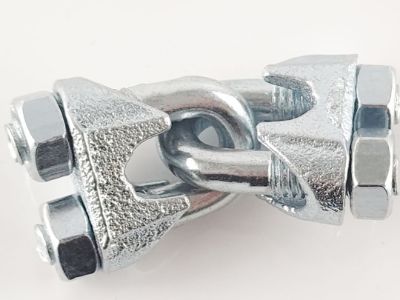
By understanding these applications and selecting the appropriate lifting chains and slings, businesses can enhance the safety and efficiency of their operations. For instance, using a Wire Rope Clamp can greatly improve the effectiveness of your lifting operations.

Wholesale Supplier Options for Quality Lifting Chains and Slings

Selecting the right lifting  chains and  slings begins with understanding  the specific requirements of your projects. Key factors to consider include load capacity, material, and the operating environment.

Load Capacity: It’s crucial to  select chains and slings that can safely  handle the  maximum load you intend to lift. Always refer to the manufacturer's load rating, which indicates  the maximum weight the product can lift  safely. Exceeding this capacity can lead to equipment failure and safety hazards.

Material Selection: The material of lifting chains  and  slings affects their durability and performance. Common materials  include steel, which offers  high strength and wear resistance, and synthetic materials like nylon, which are lighter and more flexible. For heavy-duty applications, high-tensile steel is often recommended for its strength, while synthetic slings may be  suitable for delicate  loads due to their protective qualities. For example, the Galvanized iron chain DIN766 is a reliable option when dealing with heavy loads.

Environmental Considerations: The operating environment plays a  significant role  in material selection. Chains and slings used in marine environments should  be resistant to corrosion, while those in construction may need to withstand harsh weather conditions and heavy wear. Consult with  suppliers for options that offer protective coatings or are specifically designed for your environment.

Customization Needs: Depending on your application, you may require customized  sizes or configurations. Discuss your specifications with manufacturers to ensure that the product will meet your  unique operational requirements.

Why choose LoadStar lifting chains and slings

We own our own factory

The 5 16 galvanized chain of a factory allows businesses to oversee and control the entire production process. This can reduce the cost of production.

We have many years of production experience, products in line with national certification standards

our products have passed ce certification covering 4 leg wire rope sling g43 g70 g80 g100 and meet the standards we are committed to providing high quality products that meet international standards to meet the growing needs of our customers our products are used in engineering construction in various countries and they still maintain their strength and quality after many years of use

Professional service team

Prior to placing your order, our expert service personnel can customize products according to your specifications and, after the completion of the production process we have a team of professionals to inspect the quality of the product hot dipped galvanized chain, delivery and quality inspection to ensure that you are satisfied.

We company produced are sold to more than 30 countries

the products offered by the company are high-end with complete specifications models they are sold in over 30 countries includes china 4 leg wire rope sling pakistan saudi arabia the united arab emirates

Our Blog Posts

Top 3 Wholesale Supplier for mariner chain link

19

Sep

Top 3 Wholesale Supplier for mariner chain link

From grand seafaring adventures to practical industrial applications, the mariner chain link is central to a diverse range of contexts. Whether you require bulk quantities for huge projects or seldom need to stock up, a wholesale provider should be t...
View More
Top 4 Din580 Eye Screw manufacturers in Argentina

23

Sep

Top 4 Din580 Eye Screw manufacturers in Argentina

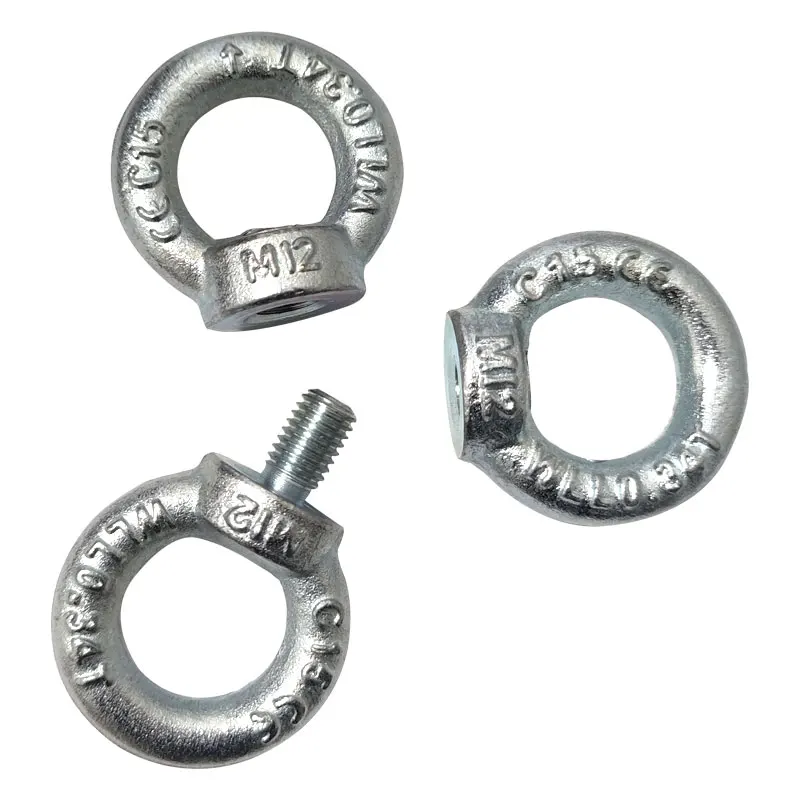
LoadStar is a trusted brand in the industrial manufacturing business, it’s known for high quality Eye Screw like the Din580. We will look into the top 4 Din580 Eye Screw manufacturers in Argentina, their service features, their product types and much...
View More
How Can a Swivel Snap Hook Prevent Twisting in Your Rigging Lines?

28

Jul

How Can a Swivel Snap Hook Prevent Twisting in Your Rigging Lines?

Knowing what a swivel snap hook does to keep the strap from tanglingA swivel snap hook is a hardware item that might be found on the end of your rigging lines. It has a 360 rotating design, so that your lines can move without tangling. This can be pa...
View More
The impact of extreme temperatures on the performance of a Snap Hook

13

Jan

The impact of extreme temperatures on the performance of a Snap Hook

Very low temperatures can tremendously impact the functioning of a Snap Hook. A Snap Hook is a type of rigging gear that is mainly used for attachment, so it is generally found in climbing, sailing, and industrial settings. Depending on the high or l...
View More