 EN
EN
 AR
AR
 BG
BG
 HR
HR
 CS
CS
 DA
DA
 NL
NL
 FI
FI
 FR
FR
 DE
DE
 EL
EL
 HI
HI
 IT
IT
 JA
JA
 KO
KO
 NO
NO
 PL
PL
 PT
PT
 RO
RO
 RU
RU
 ES
ES
 SV
SV
 TL
TL
 IW
IW
 ID
ID
 LT
LT
 SR
SR
 SL
SL
 SQ
SQ
 HU
HU
 TH
TH
 TR
TR
 FA
FA
 AF
AF
 MS
MS
 HY
HY
 AZ
AZ
 BN
BN
 SO
SO
 KK
KK
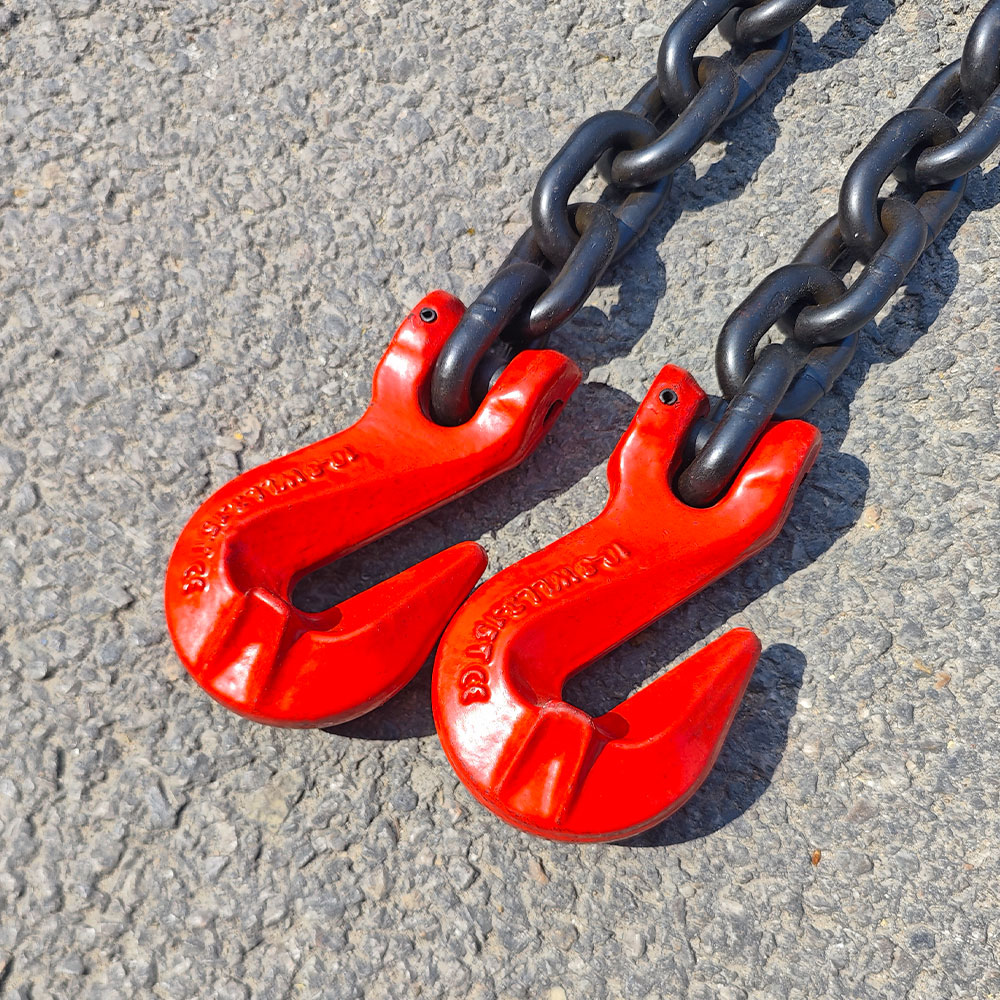
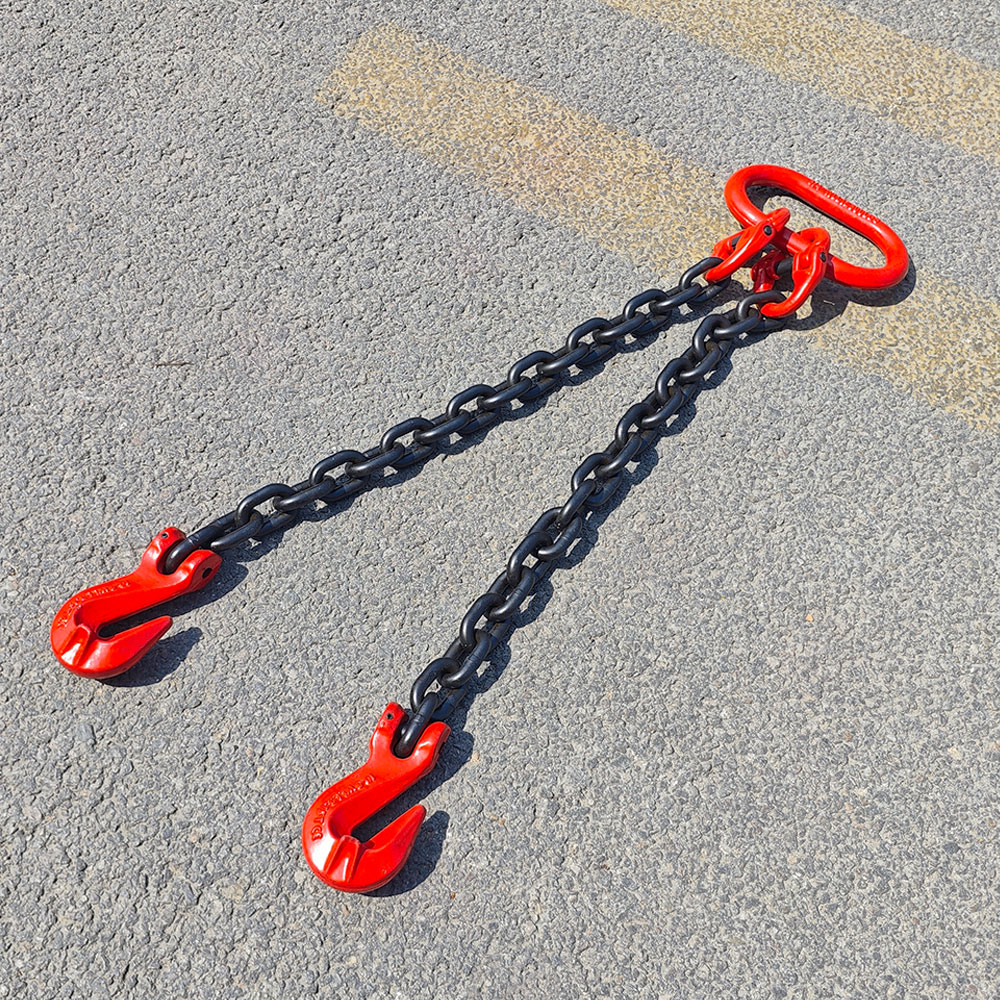
When it comes to industrial lifting, hoist chains are a critical component for ensuring safety and efficiency. These robust chains are designed to handle heavy loads in various environments, including construction, marine engineering, and transportation. However, selecting the right hoist chains can be challenging for purchasing managers and engineers who must consider factors such as quality, application, and supplier reliability. This article aims to provide essential insights into choosing, evaluating, and sourcing hoist chains, helping you make informed purchasing decisions.
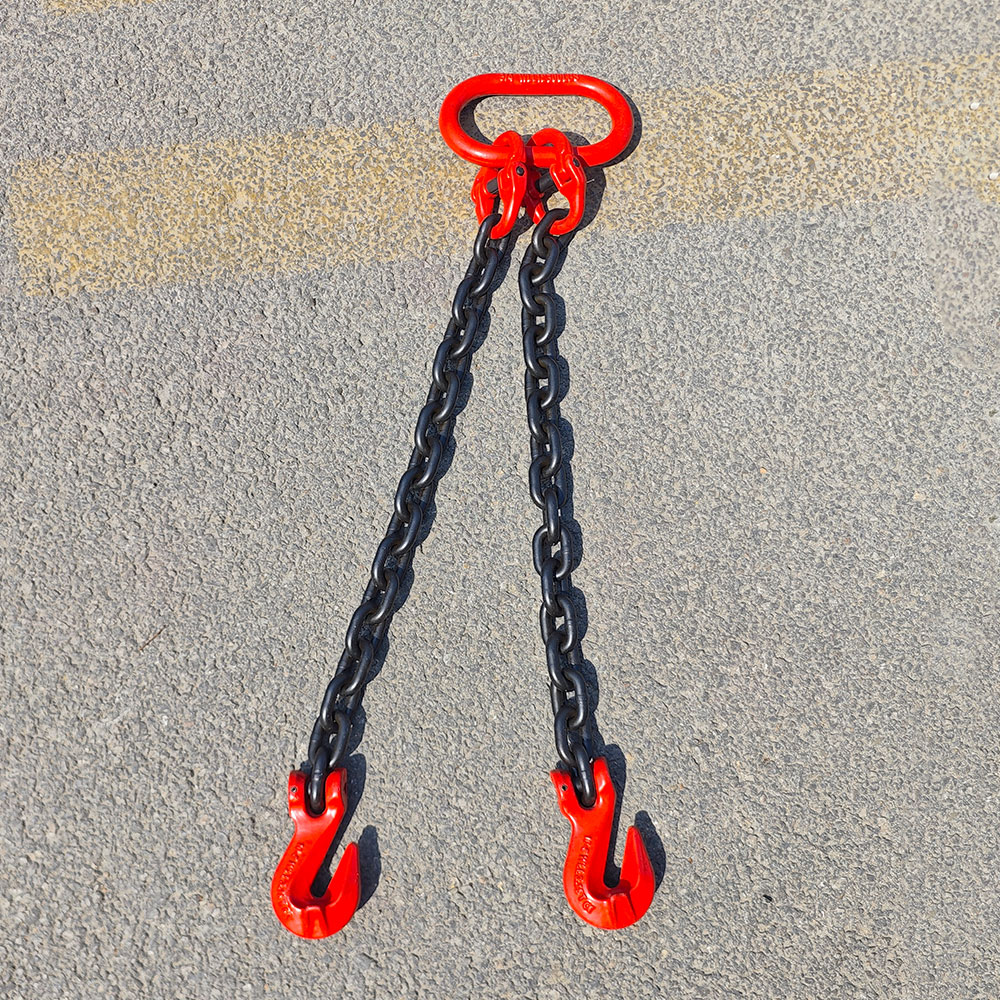
How to Evaluate the Quality of Hoist Chains Before Purchase
Before making a purchase, evaluating the quality of hoist chains is essential to ensure safety and reliability. Here are key aspects to inspect:
Certifications: Look for chains that are CE and ISO certified. These certifications indicate compliance with international safety and quality standards, assuring you of their reliability in critical applications.
Manufacturing Process: Inquire about the manufacturing methods used to produce the chains. Chains that undergo heat treatment or are forged typically offer better strength and fatigue resistance compared to those that are merely stamped or welded.
Visual Inspection: Conduct a visual inspection for signs of defects, such as cracks, deformations, or irregularities in the links. A high-quality chain should exhibit uniformity in its construction and finish.
Testing Reports: Request testing reports from the manufacturer to verify the chains’ load-bearing capacity and performance under stress. This information is pivotal in assessing whether the chains meet your operational requirements.
By thoroughly evaluating these elements, you can confidently select high-quality hoist chains that meet your performance standards.