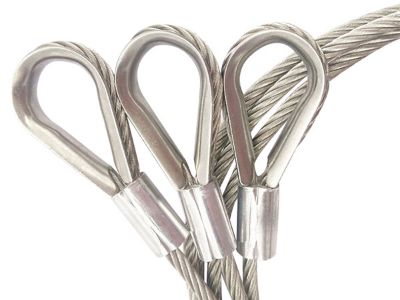
Choosing the Right Heavy Link Chain for Your Needs

All Categories

heavy link chain

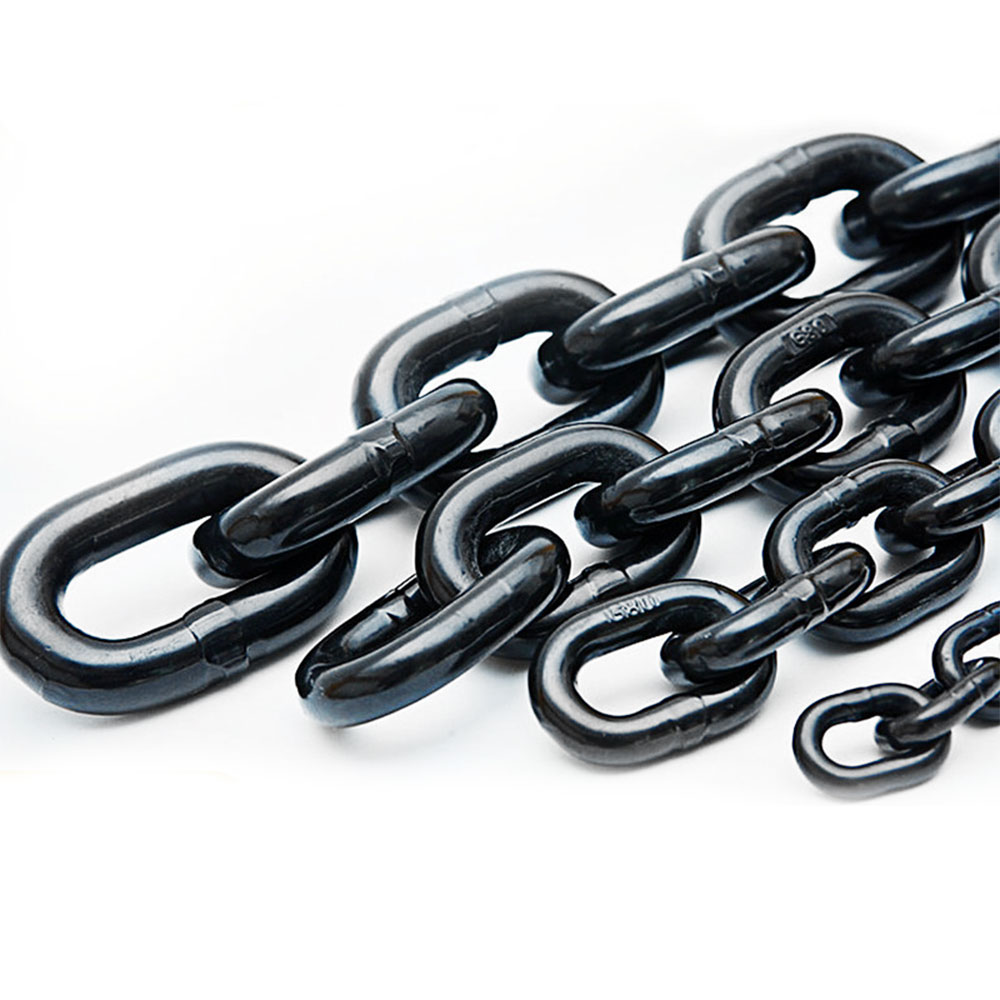
Heavy  link chains are  crucial  components in  various industrial applications,  providing strength and reliability for lifting and  rigging  tasks. As a buyer, your  primary concerns likely include  the chain's load  capacity, material reliability, and suitability for  your specific  project requirements. This article will help  you navigate these considerations, ensuring you select  the right heavy  link chain for  your  needs, understand key  specifications, and identify trustworthy  suppliers.
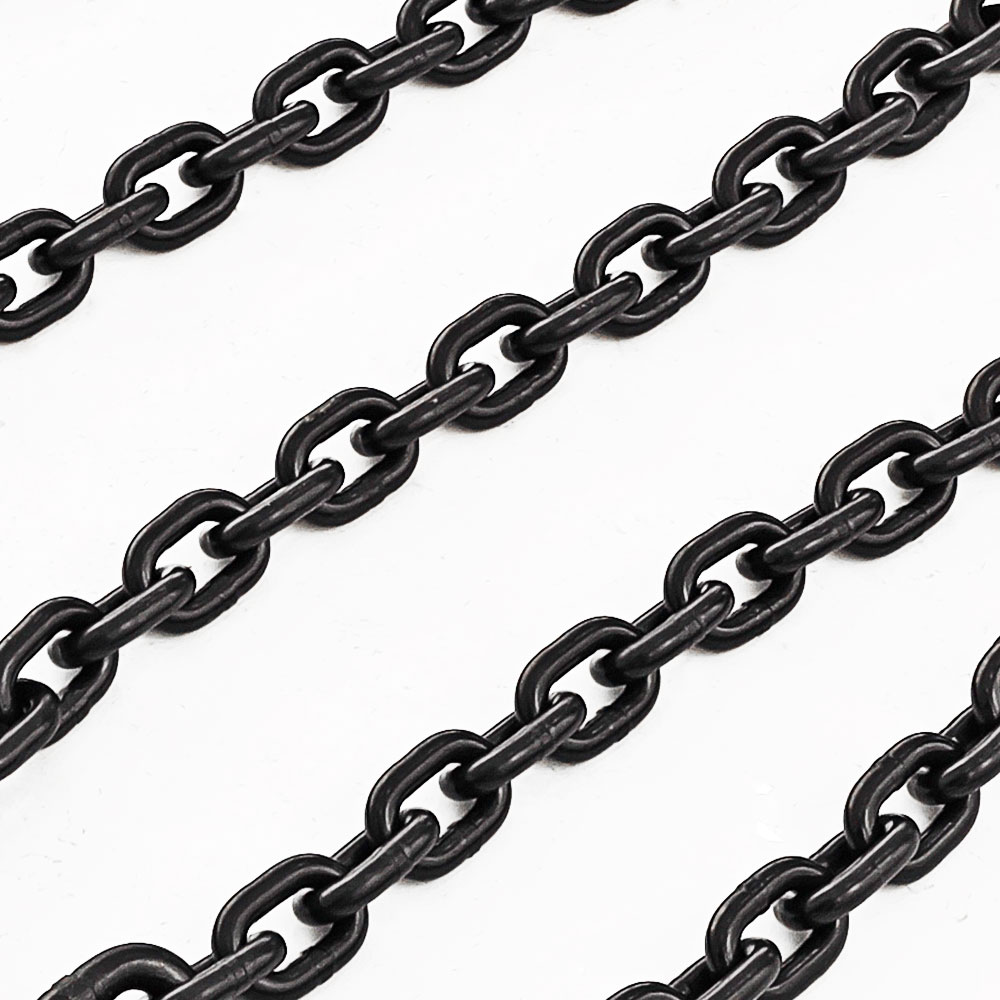
 
Where to Find Reliable Suppliers for Heavy Link Chains

Where to Find Reliable Suppliers for Heavy Link Chains

Finding a reliable supplier  for heavy link chains is essential to ensure quality  and consistency.  Consider the following strategies to identify trustworthy manufacturers:

Industry Referrals: Seek recommendations from industry colleagues  or professional networks. Suppliers with a solid reputation within your industry are more likely to deliver quality products.

Trade Shows  and  Expos:  Attend industry-specific  trade shows to meet potential suppliers face-to-face. This allows you to inspect  product samples, discuss manufacturing capabilities,  and establish personal connections.


Online Marketplaces and  Directories: Utilize B2B platforms to  find suppliers. Look for companies that provide detailed product information, customer reviews, and transparent contact details.


Certifications and Quality Assurance: Verify that suppliers have relevant certifications (like CE and ISO) and quality control processes in place. A  supplier with a robust quality management system is more likely to deliver  consistent, high-quality products.

Request Samples: Before making a large purchase, request samples to evaluate product quality firsthand. This can help you assess the chain's performance and suitability for your  needs.

By following these steps, you can identify trustworthy  suppliers  that meet your specific  requirements for heavy link chains.
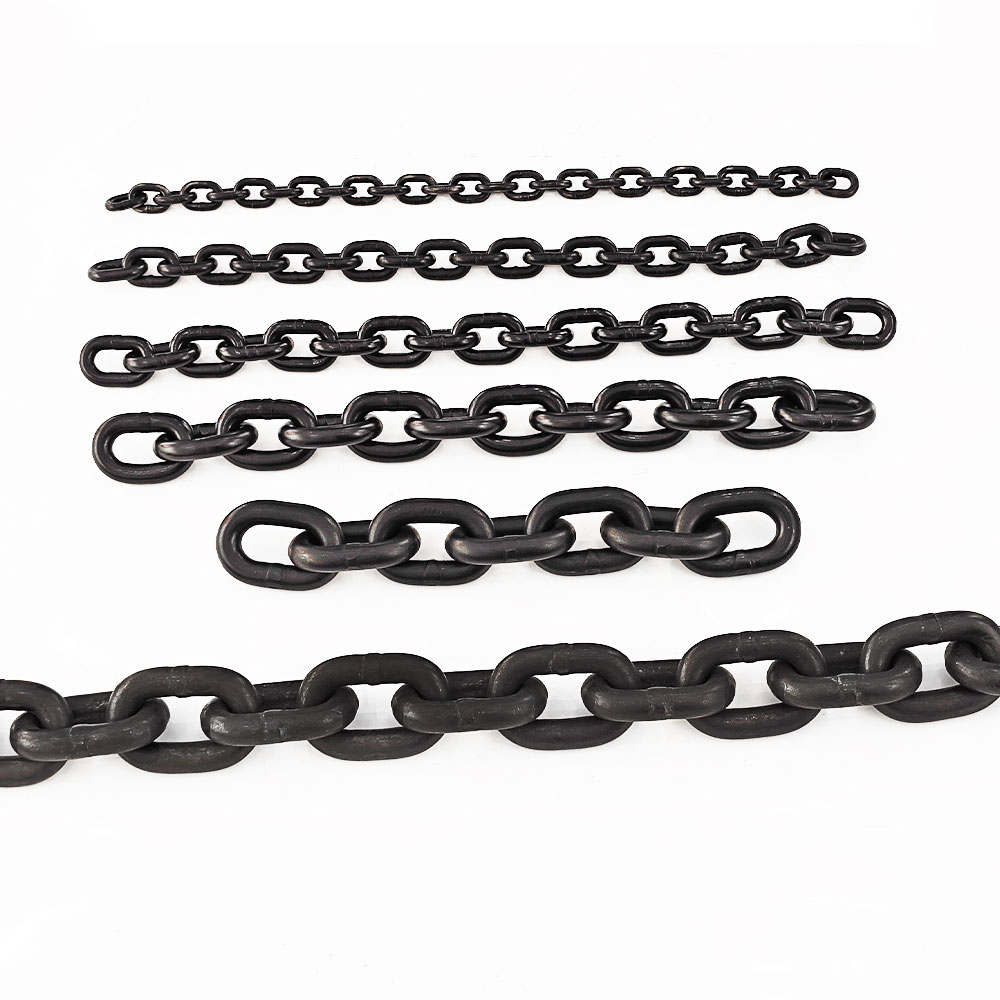
Key Specifications to Compare When Buying Heavy Link Chains

Key Specifications to Compare When Buying Heavy Link Chains

When evaluating heavy  link chains, several key specifications should be compared to ensure you make an informed purchase:

Diameter and Length: The diameter of the links  affects the chain's strength and weight. Larger  diameters usually offer higher load capacities, while the length  should  be suitable for your  application.

Material Composition: As discussed, the type of steel and any additional treatments (like galvanization) affect durability.  Ensure that the material  is appropriate for the environmental conditions it will face.

Working Load Limit  (WLL): This specification indicates the maximum  load  the chain can  safely handle. Always compare WLL across different suppliers and models  to ensure safety.

Link Shape and Design: Different shapes (such as round or square links)  can affect  the chain's flexibility and suitability for certain applications. Consider the type of machinery  or equipment  the chain will interact with.

Finish and Coating: The surface treatment can enhance corrosion resistance and durability.  Options like powder coating or zinc plating may be beneficial depending on the  exposure to moisture or chemicals.

By  carefully comparing these specifications, you can ensure that the heavy link chain you select is well-suited for your operational needs.

Understanding Material Advantages of Heavy Link Chains

Understanding Material Advantages of Heavy Link Chains

The choice of material for heavy link  chains directly impacts their performance and longevity. Here are some common materials and their advantages:

Carbon Steel: Known for its high strength-to-weight ratio, carbon steel is often  used in heavy link chains. It  provides excellent tensile strength, making it suitable  for lifting  heavy loads. However, it  may require  additional treatments to enhance corrosion resistance.

Alloy Steel: Alloy steels incorporate  additional elements  like manganese, nickel, or chromium, enhancing strength  and toughness. These  chains perform well  under high-stress conditions and  are ideal for demanding applications, such as marine  engineering.

Stainless  Steel: For applications exposed to harsh environments, stainless steel chains offer superior corrosion  resistance. Although they may be more expensive, their durability can translate to lower maintenance costs over time.

Galvanized Steel: Chains that are  galvanized are coated with zinc to prevent rust and corrosion. This is particularly beneficial in outdoor applications or environments with high humidity.

Understanding the material advantages allows you to choose a heavy link  chain  that aligns with your application requirements  and environmental conditions.

Installation Guidance for Heavy Link Chains in Industrial Settings

Proper installation of heavy link  chains is crucial for safety and efficiency.  Here are some key  considerations for installation in industrial settings:

Assess Load Requirements: Before installation, ensure that the chosen chain is suitable for the intended load. This includes  checking  compatibility with lifting equipment  and  confirming the  load  will not exceed  the chain’s  WLL.

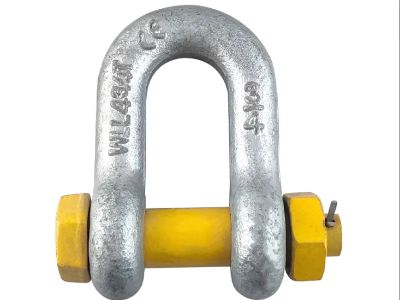
Inspect Hardware and  Accessories: Before using the chain, inspect all associated hardware (like hooks, shackles, or connectors) to ensure they are rated for the same load as the chain. Mismatched components can lead to  failure.


Follow Manufacturer Guidelines:  Always adhere to the installation instructions provided by the manufacturer. This includes proper alignment, securing connections, and ensuring that any attachments are tightly fastened.

Conduct  a Safety Check: After installation, perform a thorough safety check. This  includes testing the chain under a safe load to confirm stability and performance  before full-scale operation.

Regular Maintenance: Establish a routine inspection schedule to identify signs of wear or damage. Maintenance practices should include cleaning and lubricating the chains to prevent corrosion and  prolong their lifespan.

By following these installation guidelines, you can enhance the reliability and safety of  heavy link chains in your industrial applications.

How to Choose the Right Heavy Link Chain for Your Projects

Selecting the right heavy link chain begins with understanding the specific requirements of your application. Key factors to consider include the load capacity,  environmental conditions, and the chain's  intended use—whether for lifting, securing, or towing. For more information on suitable lifting solutions, check out Hoisting & Lifting Equipment.

Load Capacity: Always verify the chain's rated working load limit  (WLL). This is crucial to ensure safety and prevent equipment failure. The WLL should be suitable  for your specific application, taking into account not just static loads but dynamic loads as well, which can be significantly higher.

Material: Heavy link chains are typically made from steel for durability and strength,  but variations  in  material  treatments can affect performance. Chains may be  heat-treated or galvanized, enhancing resistance to wear and corrosion, which is especially important  in marine and outdoor environments. For marine applications, consider the Marine & Anchor Equipment that can complement your needs.

Chain Configuration: Different  applications may require  different configurations of link chains. For instance, if the chain  will be used  in a  high-friction environment (such  as construction), consider a design that minimizes friction and wear.

Compliance and Standards: Ensure the chain meets industry  standards and certifications (like CE and ISO). This not only guarantees quality but also  ensures that the product has been tested for safety and performance in relevant  applications.

By aligning these factors with your  project needs, you can confidently select a heavy link chain that meets your operational demands.

Why choose LoadStar heavy link chain

We company produced are sold to more than 30 countries

the products of the company are of high-quality are fully-specified designs they have a good reputation across more than Galvanized chain including china iran pakistan saudi arabia the united arab emirates

Professional service team

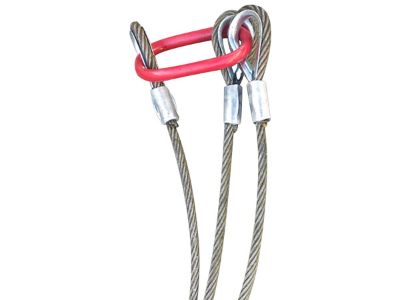
Once the product has 4 leg wire rope sling created, professional personnel will inspect it for quality, pack it, and then deliver it to you.

We own our own factory

Own factory ensures that every link from raw materials to Wire rope hoist of product production can be controlled. Owned factories allow businesses to directly manage and control the process of production, thus cutting production costs in a more efficient manner.

We have many years of production experience, products in line with national certification standards

our products have passed ce certification covering g30 g43 g70 g80 Wire rope hoist and meet the standards we are committed to providing high quality products that meet international standards to meet the growing needs of our customers our products are used in engineering construction in various countries and they still maintain their strength and quality after many years of use

Our Blog Posts

What Are the Different Types of Wire Rope and Their Uses?

26

Mar

What Are the Different Types of Wire Rope and Their Uses?

This is a very strong versatile material, best known for use as wire rope in a variety of applications. It's a heavy-duty rope with lots of little wires bound together to create something very strong. There are different kinds of wire rope that have ...
View More
The Importance of Proper Thread Engagement for an Eye Bolt & Nut

26

Jul

The Importance of Proper Thread Engagement for an Eye Bolt & Nut

When it comes to eye bolts and nuts, thread engagement is a very important factor. It will help keep things in order and secure on your Mac. Improper thread engagement can cause an accident or injury. This is why it is so crucial to ensure that the e...
View More
Why leading maritime companies are choosing our stainless steel Wire Rope

09

Oct

Why leading maritime companies are choosing our stainless steel Wire Rope

Best of all is that the good quality stainless wire rope is finding favour with leading shipping firms in the world. LoadStar, a leader in industrial manufacturing, produces top of the line stainless steel wire ropes that will out last, and outperfor...
View More
Is Your Lifting Gear Protected from Corrosion with a Stainless Steel Eye Bolt & Nut

25

Oct

Is Your Lifting Gear Protected from Corrosion with a Stainless Steel Eye Bolt & Nut

Stainless steel eye bolts and nuts are a must have item to secure your lifting gear from rust. Load Star high quality Stainless Steel fasteners are the best long term protection against corrosion. Select stainless steel eye bolts and nuts so you can ...
View More