EN
EN
 AR
AR
 BG
BG
 HR
HR
 CS
CS
 DA
DA
 NL
NL
 FI
FI
 FR
FR
 DE
DE
 EL
EL
 HI
HI
 IT
IT
 JA
JA
 KO
KO
 NO
NO
 PL
PL
 PT
PT
 RO
RO
 RU
RU
 ES
ES
 SV
SV
 TL
TL
 IW
IW
 ID
ID
 LT
LT
 SR
SR
 SL
SL
 SQ
SQ
 HU
HU
 TH
TH
 TR
TR
 FA
FA
 AF
AF
 MS
MS
 HY
HY
 AZ
AZ
 BN
BN
 SO
SO
 KK
KK
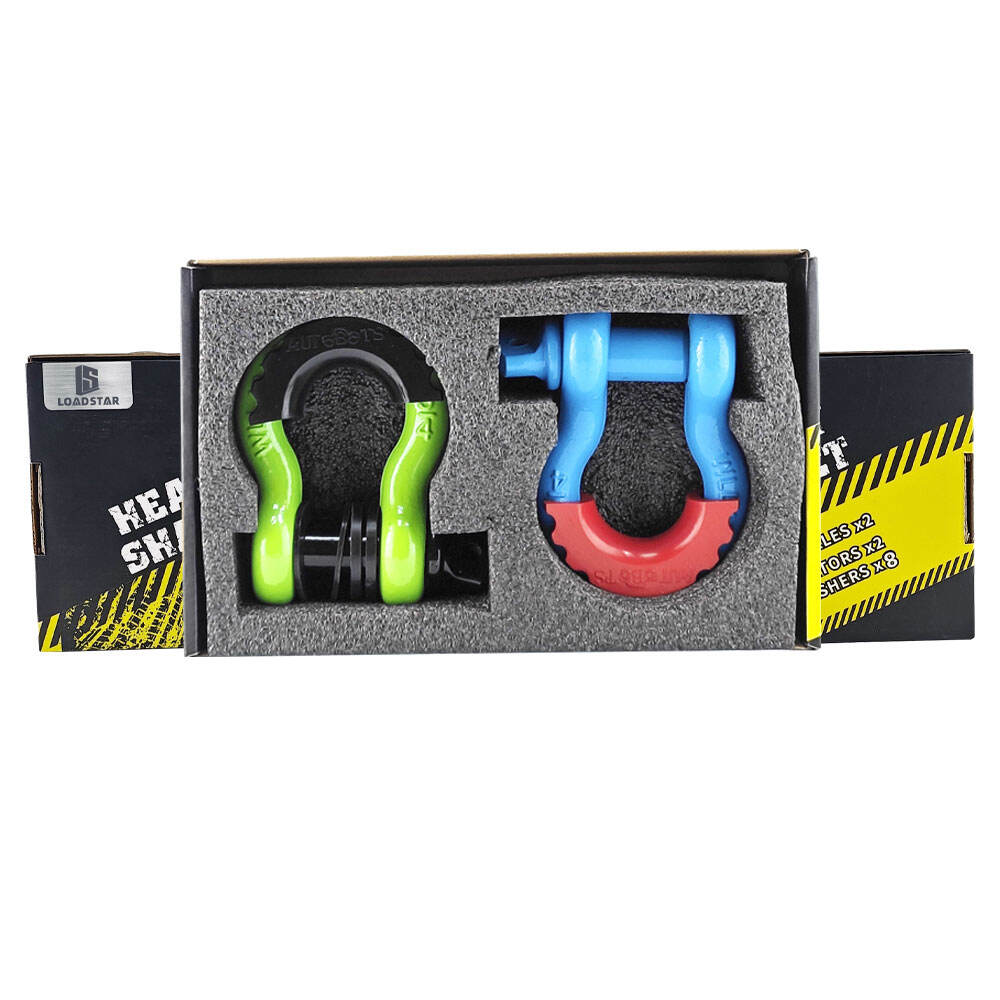
Concentrarea principală a LoadStar este fabricarea de cârlige de ridicare robuste și fiabile. Acestea sunt importante, deoarece asigură transportul sigur al încărcăturilor grele. În ceea ce privește compararea oțelului aliat cu oțelul carbon pentru acest tip de cârlige, alegerea poate fi foarte importantă. De obicei, se alege oțelul aliat, datorită proprietăților sale distincte. Acest articol analizează modul în care oțelul aliat îmbunătățește performanța și robustețea cârligelor de ridicare. De asemenea, explică principalele diferențe dintre cârligele din oțel aliat și cele din oțel carbon, astfel încât să înțelegeți de ce LoadStar optează pentru oțelul aliat. șurub de ancoră în produsele lor.
Cum sporește oțelul aliat rezistența și durabilitatea cârligelor de ridicare?
Calitatea oțelului aliat poate fi urmărită până la componența sa – în afară de fier, oțelul aliat conține aditivi precum cromul, nichelul și molibdenul, care conferă proprietăți unice, rezultând o rezistență superioară față de oțelul obișnuit din carbon. Rezistența este esențială pentru șuvițele de ridicare, deoarece acestea trebuie să susțină greutatea de ridicat și trebuie să fie extrem de durabile. Șuvițele din oțel aliat pot rezista încărcărilor mari și diverselor condiții severe de mediu – temperaturi extrem de ridicate sau scăzute, zone corozive. Siguranța este o preocupare prioritară în operațiunile de ridicare, iar o șuviță ruptă poate provoca leziuni grave și accidente cu personalul. Prin urmare, utilizarea oțelului aliat contribuie în mod semnificativ la evitarea unor astfel de pericole. Șuvițele din oțel aliat pot menține constant calitățile dorite pe o perioadă îndelungată de utilizare.
În plus, comparativ cu oțelul carbon, oțelul aliat rezistă la ruginire într-o măsură mai mare. Ruginirea slăbește metalul, făcând cărlițele de ridicare nesigure pentru utilizare. Cărlițele de ridicare LoadStar din oțel aliat sunt protejate împotriva coroziunii, astfel încât acestea devin mai durabile și necesită o întreținere redusă. Acest lucru duce, în final, la economisirea de bani, deoarece cărlițele vor trebui înlocuite după un interval de timp mai lung. În afară de aceasta, proprietatea de greutate redusă a cărlițelor facilitează manipularea lor. Lucrătorii pot ridica și fixa cărlițele ușor, fără să se obosescă, ceea ce crește eficiența operațiunilor lor pe șantier și economisește mult timp. Este combinația dintre durabilitatea ridicată și proprietățile benefice ale oțelului aliat care face ca acesta să fie materialul preferat pentru cărlițele de ridicare LoadStar.
Diferențe cheie între cărlițele din oțel aliat și cele din oțel carbon
Analizând cârligele din oțel aliat și oțel carbon, există câteva diferențe importante de cunoscut. În primul rând, oțelul carbon este compus în principal din fier și carbon. Este rezistent, dar nu la fel de tenace ca oțelul aliat. Astfel, cârligele din oțel carbon se uzează mai repede în sarcini grele. De asemenea, se corodează mai ușor dacă nu sunt întreținute corespunzător. Aceasta ridică probleme de siguranță, deoarece un cârlig corodat ar putea ceda sub sarcină.
În schimb, oțelul aliat este conceput să fie mai tenace și să reziste mai bine deteriorărilor. Suportă solicitări mai mari și are o durată de viață mai lungă. Acest lucru este foarte util în domenii precum construcțiile sau transportul maritim, unde ridicarea sarcinilor grele are loc frecvent. Utilizarea cârligelor din oțel aliat poate preveni defecțiunile care provoacă accidente.
Costul reprezintă o altă diferență. Cârligele din oțel aliat costă de obicei mai mult decât cele din oțel carbon. Totuși, suplimentul de preț este justificat prin încrederea sporită și necesitatea redusă de înlocuire. În final, atunci când alegeți între acestea, luați în considerare nevoile dvs. de ridicare. LoadStar consideră că investiția în produse de calitate, cum ar fi lanțuri de aleație se rambursează prin lucrări mai sigure și mai eficiente.
Alegerea materialului potrivit pentru cârligul dvs. de ridicare
Când ridicați încărcături grele, calitatea materialelor utilizate pentru cârligele de ridicare este, de asemenea, esențială. Cârligele de ridicare se folosesc pentru a fixa încărcăturile de macarale, poduri rulante și chiar și alte dispozitive. Oțelul carbon și oțelurile aliate sunt frecvent utilizate ca materiale principale. Fiecare tip de oțel prezintă avantaje specifice, iar alegerea cea mai potrivită pentru dumneavoastră depinde de aplicațiile pe care le aveți. Pentru sarcini care implică frecvent ridicarea unor încărcături grele, este o decizie înțeleaptă să optați pentru cârlige din oțel aliat, la care alte metale sunt adăugate pentru a oferi o rezistență superioară la sarcini grele, în timp ce un cârlig din oțel carbon reprezintă o opțiune bună pentru sarcini relativ mai ușoare, deoarece oțelul carbon nu este scump și este suficient pentru multe sarcini obișnuite.
De ce este oțelul aliat prima alegere pentru cârligele de ridicare a încărcăturilor grele?
Oțelul aliat este adesea prima alegere pentru cletele de ridicare grele, deoarece este mai rezistent și durează mai mult decât oțelul carbon obișnuit. Este obținut prin adăugarea de metale precum cromul și nichelul la oțelul carbon. Acestea conferă proprietăți speciale necesare pentru lucrul intensiv. De exemplu, poate suporta o sarcină mult mai mare fără a se îndoi sau rupe. Astfel, cu un clet de ridicare din oțel aliat, puteți ridica sarcini mai mari și aveți încredere că acesta nu va ceda. LoadStar oferă diverse clete de ridicare din oțel aliat pentru nevoile dumneavoastră grele.
Un alt avantaj este că rezistă uzurii mai bine decât oțelul carbon. În zonele accidentate sau acolo unde este supus la zgârieturi, oțelul aliat rezistă. De asemenea, este rezistent la ruginire, fiind potrivit pentru utilizare în aer liber sau în medii umede. Acest lucru înseamnă o durată de viață mai lungă și economisire de bani pe termen lung. În plus, suportă temperaturi extreme, fiind deci potrivit atât pentru ridicări în condiții reci, cât și în cele calde.
Când efectuați ridicări importante, aveți nevoie de echipamente sigure. De aceea, profesioniștii aleg oțelul aliat. Rezistența suplimentară oferă liniște în executarea sarcinilor grele. LoadStar este mândră de calitatea ridicată a produselor sale lanț de șlingă din aliaj care respectă normele de siguranță. Pentru construcții, transport maritim sau orice alt tip de activitate grea, oțelul aliat face procesul mai simplu și mai sigur.
Evitarea greșelilor la alegerea oțelului pentru cletele de ridicare
Alegerea oțelului pentru șuruburile de ancorare poate fi dificilă. Oamenii comit adesea greșeli obișnuite care duc la pericole în timpul ridicării. Una dintre cele mai mari greșeli este sărarea verificării greutății. Fiecare șurub de ancorare are o sarcină maximă pe care o poate susține în siguranță. Dacă nu se potrivește, acesta se rupe și provoacă accidente grave. Verificați întotdeauna clasa de încărcare înainte de cumpărare. LoadStar oferă informații clare privind limitele, ajutându-vă să alegeți varianta potrivită.
Nepăstrarea în vedere a mediului este o altă capcană. Materialele diferite se potrivesc unor locuri diferite. De exemplu, în medii umede sau predispuse la coroziune, oțelul carbon nu este o idee bună, deoarece se corodează rapid. Este preferabil un aliaj care rezistă coroziunii. Acest lucru asigură o durată mai lungă de funcționare și siguranța șuruburilor de ancorare. De asemenea, nu alegeți doar în funcție de prețul scăzut. Oțelul carbon este mai ieftin, dar poate să nu fie potrivit pentru sarcini grele. Investiția în produse de calitate, precum cele LoadStar, vă economisește bani pe termen lung, datorită durabilității lor și reducerii riscului de accidente.
În final, luați în considerare tipul de ridicare. Pentru obiecte cu forme neregulate sau cu echilibru dificil, asigurați-vă că șurubul de ancorare este capabil să le gestioneze. Unele modele sunt concepute pentru ridicări speciale, așadar alegeți cel potrivit. Evitând aceste capcane, veți alege oțelul corect și veți efectua ridicări mai sigure. Siguranța este întotdeauna prioritară în cazul sarcinilor grele.
Cuprins
- Cum sporește oțelul aliat rezistența și durabilitatea cârligelor de ridicare?
- Diferențe cheie între cărlițele din oțel aliat și cele din oțel carbon
- Alegerea materialului potrivit pentru cârligul dvs. de ridicare
- De ce este oțelul aliat prima alegere pentru cârligele de ridicare a încărcăturilor grele?
- Evitarea greșelilor la alegerea oțelului pentru cletele de ridicare