Choosing the Right Wire Sling Rope for Your Needs

All Categories

wire sling rope

Wire sling ropes are essential lifting accessories  that provide  the strength and flexibility needed for various  industrial applications, including construction,  marine engineering, and  transportation. As  a purchasing manager  or engineer, understanding the  right wire sling rope for your specific  project needs is crucial. This  article will cover key considerations such as  selecting the right  product,  sourcing reliable suppliers, evaluating  specifications,  understanding cost factors, and  comparing different  options  effectively, all  aimed at helping you make informed decisions.


Sourcing Reliable Suppliers

Finding a trustworthy  supplier is critical to ensuring the quality and reliability of your wire sling ropes. Start by  researching manufacturers with a solid reputation in the industry, such as Shandong Lisheng Machinery, known for producing high-quality lifting rigging and  accessories.  Check for certifications, such as  CE and ISO, which indicate compliance with international safety  and quality standards.

Additionally,  consider the  supplier’s experience in the industry. A manufacturer with  extensive experience will  likely  have developed  robust quality  control processes  and can provide insights into product performance  and application suitability. Don’t hesitate  to ask for references  or case studies  that demonstrate successful partnerships  with other businesses in your sector.

Finally, inquire about the supplier’s production capabilities. A manufacturer that employs advanced production equipment and technology can typically offer better consistency and quality in their products. Ensure  that they can meet your order quantities and delivery timelines as well.
Key Specifications to Consider for Wire Sling Rope

When evaluating wire  sling ropes,  certain specifications are vital to ensuring the product meets your operational requirements. Key specifications to  review include:

Material Composition: Wire sling ropes can be made  from various materials, including steel, stainless steel, and synthetic fibers.  Steel ropes are commonly used for heavy-duty applications, while  stainless steel is preferred in corrosive environments.

Diameter and Length: The diameter affects the breaking strength of the sling. A thicker rope can handle more  load but may also be heavier and less  flexible. Length should match the required reach for your lifting operation.

Construction Type: Wire sling ropes can be constructed in different ways, such as 7x19 or  6x36 configurations, which denote the number of strands and wires in each strand. Each configuration affects flexibility, strength, and application  suitability.

Load  Capacity: Always check the working load limit (WLL)  of the wire sling rope. This is the maximum weight the sling can safely  lift  and should be well above your  expected load  to account for dynamic forces.

Understanding these specifications  will help you select  the right wire sling rope for your specific application, ensuring safety and  efficiency  in your operations.

Understanding the Cost Factors of Wire Sling Rope Purchases

The cost of wire sling ropes  can  vary  significantly based on several factors.  First, the material used is a primary determinant; for example, stainless steel  ropes are  generally more expensive than standard steel due to their corrosion resistance and durability.

Another factor  affecting cost is the manufacturing process. High-quality production practices, such as those  employed by manufacturers like  Shandong Lisheng Machinery, can  lead to higher initial costs but often  result in better performance and longevity, reducing the need for frequent replacements.

Additionally, customizations such as specific lengths, diameters, or  coatings will  affect the overall price. Be  prepared to discuss your requirements in  detail with  potential suppliers  to get accurate quotations. Lastly,  consider the total cost of ownership, which includes  installation, maintenance,  and potential downtime costs associated with lower-quality products.

How to Compare Different Wire Sling Rope Options Effectively

When comparing wire sling rope options, it's essential to establish a systematic approach to evaluation. Start by creating a checklist of your project requirements, including load capacity, environmental  factors, and application type. 

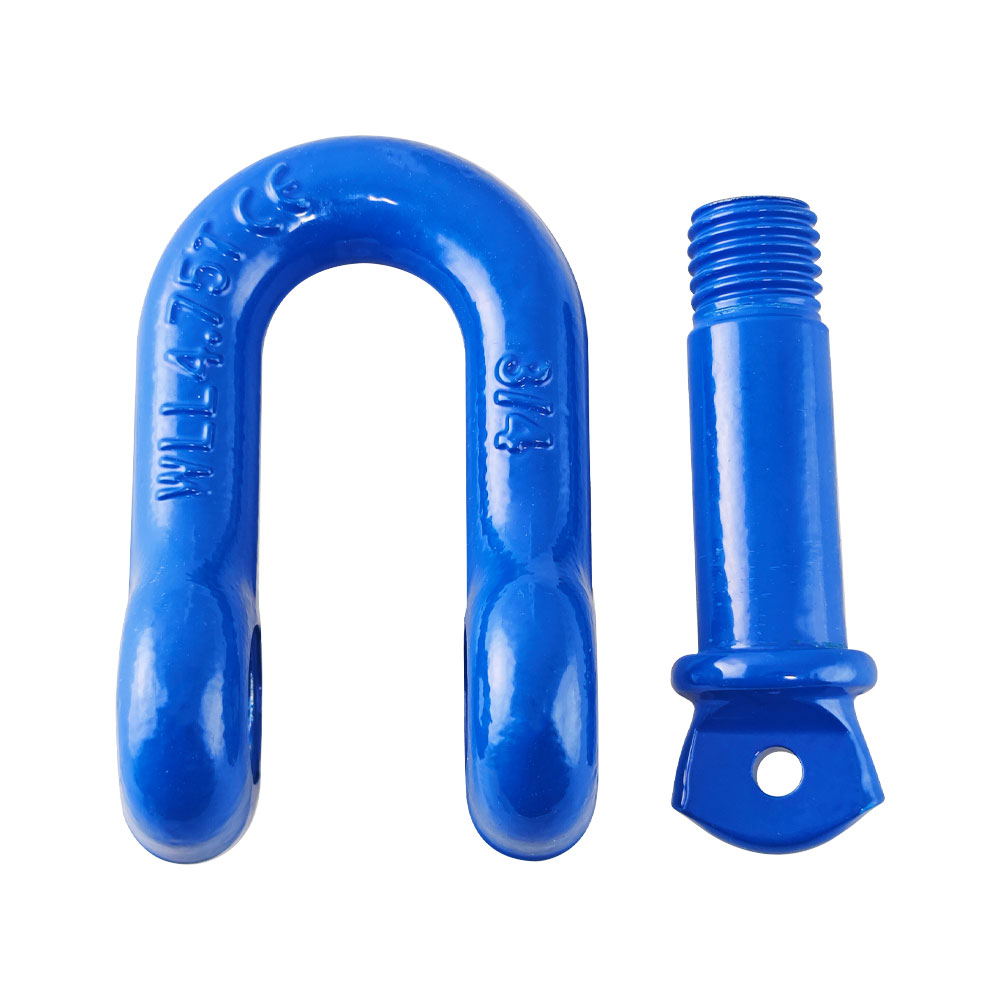
Next, gather product data sheets from various suppliers. Pay close attention to  specifications such as  material, diameter, load ratings, and manufacturing standards. Create a comparison table to  visualize the differences and  similarities  among  products. Consider also the use of a Shackle as an alternative for securing loads.


Don’t overlook customer reviews and testimonials, which can provide insights into  the real-world performance of the wire sling ropes you  are considering. Additionally, if possible, request samples to assess the quality  and performance of  the ropes under actual working conditions. 


Finally, engage in discussions with potential suppliers about  their quality control processes and warranty policies. This information can help you assess the reliability of the products and the level of support you  can expect after your purchase.

By following these  guidelines, you’ll be better equipped to select  the right wire sling rope for your needs, ensuring  safety and efficiency in your lifting operations.

Choosing the Right Wire Sling Rope for Your Project Needs

Selecting the appropriate  wire sling rope depends on several factors, including load capacity, environment, and application. Begin by assessing the maximum load the sling will need to support. Wire sling ropes  are rated for  specific weight limits, and exceeding these can lead to  catastrophic  failures.

Next, consider the environment in which the  wire sling rope will be used. For instance,  if the application involves  marine environments, you  might require a rope with corrosion-resistant properties. Additionally, the type  of lifting equipment  being used should be  compatible with  the wire sling rope. For example, if you’re using a crane, ensure  that the sling rope’s diameter and length meet the  machine's specifications for safe operation. Also, consider using a Galvanized iron chain for additional support in your lifting operations.

Lastly, think about the flexibility and maneuverability required for your  project.  Some applications may necessitate a more  flexible wire sling rope, while  others may prioritize rigidity for stability. Consulting with your supplier can provide insights  tailored to your specific application.

Why choose LoadStar wire sling rope

Professional service team

When you make an wire rope sling with hook, our skilled service staff can customise products to meet your requirements and, after the completion of production our professional team is available for product quality inspection packaging, delivery and quality inspection to ensure your satisfaction.

We own our own factory

A factory is a place 2 leg wire rope sling companies to control and manage the entire process of production. This helps reduce production costs.

We company produced are sold to more than 30 countries

the products hot dipped galvanized chain by the company are high-end that come with full specifications designs they are sold in over 30 countries including china iran pakistan saudi arabia the united arab emirates

We have many years of production experience, products in line with national certification standards

our products have passed ce certification covering g30 g43 g70 g80 5 16 galvanized chain and meet the standards we are committed to providing high quality products that meet international standards to meet the growing needs of our customers our products are used in engineering construction in various countries and they still maintain their strength and quality after many years of use

Our Blog Posts

How Do Aluminium Ferrules Help in Custom Lifting Solutions?

27

Mar

How Do Aluminium Ferrules Help in Custom Lifting Solutions?

Accurately aligning and securing in place, aluminium ferrules are an essential part of lifting, albeit a small one. These small champions of ferulation are responsible for making lifting equipment stronger, safer and durable. How aluminium ferrules a...
View More
What Are the Load Capacity Differences in an Eye Bolt & Nut?

27

Jul

What Are the Load Capacity Differences in an Eye Bolt & Nut?

When considering eye bolts and nuts, one aspect to focus on is their load bearing. Load capacity is the maximum weight an eye bolt or nut can safely support without breaking. Determination of load carrying capacity of these fasteners is important for...
View More
Swivel vs. Fixed: Choosing the Right Snap Hook for Your OEM Product

02

Oct

Swivel vs. Fixed: Choosing the Right Snap Hook for Your OEM Product

Swivel vs Fixed Snap Hook - When selecting the correct snap hook for you OEM product it is important to know the difference between fixed snap hooks and swivel snap hooks. Each style has its advantages and can affect how your product works and its sa...
View More
Sourcing high volume wide body shackle orders for heavy industry

27

Apr

Sourcing high volume wide body shackle orders for heavy industry

Wide body shackles is important tools in heavy industry. They help lift and secure big loads, making sure all safe during transport and construction work. At LoadStar, we understand the vital role that wide body shackles play in various fields, from ...
View More