Choosing Wire Rope Fittings for Safety and Efficiency

All Categories

wire rope fittings

Choosing the right  wire  rope fittings is crucial for ensuring safety and efficiency  in lifting and rigging applications.  As a B2B  buyer, you may  have concerns  regarding compatibility, quality,  and  performance  when selecting these fittings. This article will provide  guidance  on  what  to consider when making your choice, sourcing  reliable  suppliers,  understanding key specifications,  evaluating cost factors, and  installation guidelines for industrial applications.


Sourcing Reliable Suppliers Made Easy

Finding a reliable  supplier for wire  rope fittings is essential for maintaining quality in your projects. Start by researching manufacturers with a proven track record  in the  industry. Look for companies that specialize  in lifting rigging and accessories, like Shandong Lisheng Machinery, which has extensive experience  in producing high-quality fittings.

Seek out suppliers that  offer comprehensive product information,  including specifications, certifications, and detailed descriptions of their manufacturing processes. This transparency is a good  indicator of their reliability. Request samples  to evaluate the quality firsthand.  A reputable supplier will be  willing to provide samples for your assessment.

Another key  factor is the supplier's  responsiveness and customer service. Effective communication is vital for  resolving issues or inquiries during the purchasing  process.  Verify their lead times and ensure they  can meet your  delivery schedules.
 

Key Specifications to Know for Wire Rope Fittings in Bulk Orders

When placing bulk orders for wire rope fittings, understanding the key specifications  is  crucial to ensure compatibility and performance. Important specifications include:

Diameter and Size: The diameter of the fittings  must match the wire rope diameter to ensure a secure fit.  Mismatched sizes can lead to improper load  distribution  and increased wear.

Breaking Load: This specification indicates the  maximum load the fitting can withstand before failure. Always  choose fittings with a breaking load rating that exceeds the maximum load you expect to encounter.

Finishing and Coating: The surface  treatment of the fittings can significantly impact their durability and resistance to environmental factors.  Options  such as galvanization or  powder coating  can  enhance corrosion resistance, especially in harsh environments. For example, our Galvanized iron chain DIN766 2mm to 32mm welding galvanized link chain is designed for such applications.

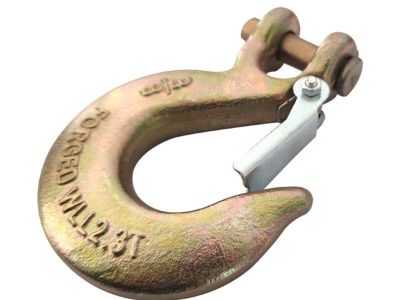
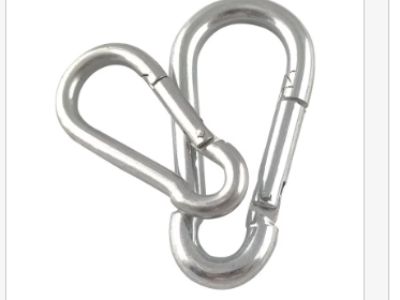
Type and Design: The design of the fitting (e.g., screw pin, safety latch,  etc.)  influences its ease of use and security. Ensure that the  fittings  you choose are suitable for  your rigging application.


Confirm these specifications with your supplier to avoid issues during installation and operation.

Cost Factors to Consider When Buying Wire Rope Fittings Wholesale

Cost is a significant factor when purchasing wire rope fittings in  bulk. Several elements  influence pricing, including:

Material Costs: The type of material used for the fittings will affect the price. Higher-grade materials, such as  stainless steel, typically  come at a premium but offer enhanced durability and  corrosion resistance.

Manufacturing Processes:  Advanced  manufacturing processes may increase  costs. For example, fittings that undergo extensive quality checks or specialized treatments may be more expensive but  offer better performance and reliability.

Order Quantity: Bulk orders often come  with discounts, making it more economical to purchase larger quantities. Be sure to clarify any minimum order quantities (MOQ) with your supplier.

Shipping  Charges: Consider shipping costs when  evaluating total  expenses. Suppliers located closer to your  operation may offer more favorable shipping rates.

Quality Assurance: Investing in fittings from  suppliers  that adhere to strict quality control processes can save money in the long  run  by reducing failures and replacements.

Understanding these cost factors will help you  make more informed decisions  and budget effectively for your wire rope fitting needs.

Installation Guidelines for Wire Rope Fittings in Industrial Applications

Proper installation  of wire rope fittings is critical to ensure safety and  functionality  in industrial applications. Here are some essential  guidelines:

Preparation: Before installation, inspect both the wire rope and  the fittings for any signs of damage or wear. Ensure all components are clean and free of contaminants that could affect performance.

Follow Manufacturer Instructions: Adhere to the manufacturer's installation guidelines to avoid improper assembly.  Each fitting type may have specific requirements for installation techniques, such  as torque specifications for bolts or the correct method for swaging.

Use the Right Tools: Ensure you have the appropriate tools for installation. Using the wrong tools  can lead to improper fitting and potential  failure. For example,  using a hydraulic swager for swage fittings ensures a secure connection.

Load Testing: After installation, conduct a load test to  verify that the fittings and  wire ropes  can handle the intended loads safely. This is particularly important in  critical applications where safety is a priority.

Regular Inspections: Implement a routine inspection schedule to check the  integrity of  the fittings and wire ropes. This proactive approach can help identify issues before they  lead to failures.

Following these guidelines will help ensure the safety and reliability of your  rigging systems in various industrial applications.

By considering these  factors, you can make informed decisions when  selecting wire rope fittings, ultimately enhancing the safety and efficiency of your operations.

What to Consider When Choosing Wire Rope Fittings for Your Projec

When selecting wire rope fittings, several factors must be considered to ensure they meet the requirements  of your specific application. First, assess the load capacity. Wire rope fittings should match or exceed the  load ratings of the wire ropes you intend to use. This is vital to  prevent failures during operation, which  could lead to accidents or  costly downtime.

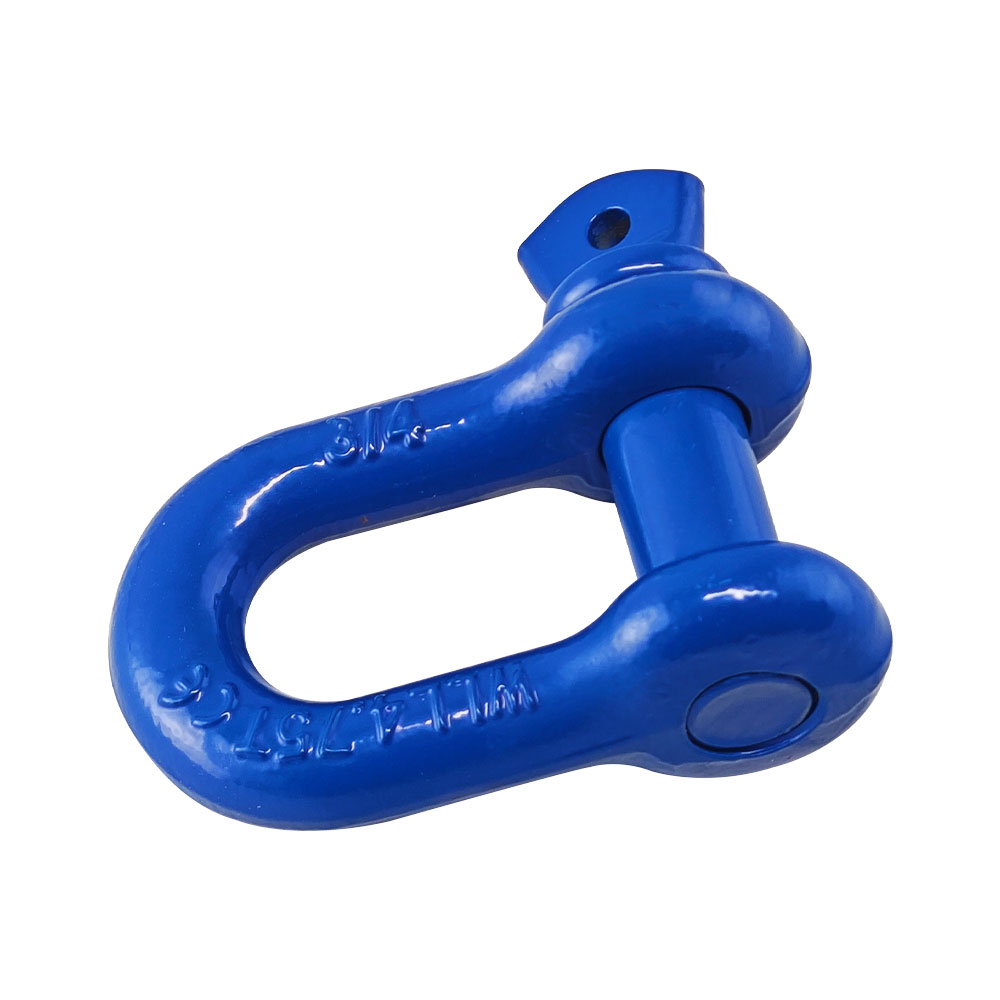
Next, consider  the material of the fittings. Common materials  include stainless steel, carbon steel, and alloy steel, each  offering different levels of corrosion resistance, strength, and weight. For instance, stainless steel fittings are  ideal  for marine applications due to their resistance to corrosion, while carbon steel may be  more economical for less demanding  environments. If you're looking for high-quality options, consider our Rigging Hardware 304 Stainless Steel European Type D Shackles which provide excellent durability.

Additionally, the type of fitting—such as thimbles, hooks, clamps, or swage fittings—needs to be selected based on the intended  use.  Each type has specific  applications and installation methods, which can affect the  overall performance and safety of your  rigging system.

Lastly,  ensure that the  fittings comply with relevant industry standards and certifications, such as CE and ISO, which indicate adherence to quality and  safety regulations.

Why choose LoadStar wire rope fittings

Professional service team

wire rope sling the product has been created Professionals will examine the product for quality, then package it, and then deliver it to you.

We have many years of production experience, products in line with national certification standards

our products have passed ce certification covering 3 8 galvanized chain g43 g70 g80 g100 and meet the standards we are committed to providing high quality products that meet international standards to meet the growing needs of our customers our products are used in engineering construction in various countries and they still maintain their strength and quality after many years of use

We company produced are sold to more than 30 countries

the products Wire rope hoist by the company are high-end that come with full specifications designs they are sold in over 30 countries including china iran pakistan saudi arabia the united arab emirates

We own our own factory

A factory is a place for companies to manage and control the 3 8 galvanized chain of production. This reduces production costs.

Our Blog Posts

What Are the Load Capacity Differences in an Eye Bolt & Nut?

27

Jul

What Are the Load Capacity Differences in an Eye Bolt & Nut?

When considering eye bolts and nuts, one aspect to focus on is their load bearing. Load capacity is the maximum weight an eye bolt or nut can safely support without breaking. Determination of load carrying capacity of these fasteners is important for...
View More
Is an Incorrectly Sized Eye Bolt & Nut Compromising Your Project's Safety?

02

Oct

Is an Incorrectly Sized Eye Bolt & Nut Compromising Your Project's Safety?

Is a Over/Under Sized Eye Bolt & Nut Costing You Your Job? The safety of any equipment used is paramount when carrying out any work. That includes the little things like eyebolts and nuts  which are just as important as the big sights to th...
View More
Let's talk about creating a safer work environment with a locking Snap Hook

11

Oct

Let's talk about creating a safer work environment with a locking Snap Hook

The creation of a safe work environment applies to virtually every aspect of company operation across all industries. At LoadStar we know how vital safety in the workplace is to all, that's why we have created a locking Snap Hook to help heighten the...
View More
Lead time considerations when ordering a custom wide body shackle

28

Apr

Lead time considerations when ordering a custom wide body shackle

When you think about ordering a custom wide body shackle from LoadStar, its good to know how long it take to get it. Lead time mean the period from placing your order until you receive the product. This time can be influence by various things. Unders...
View More