 EN
EN
 AR
AR
 BG
BG
 HR
HR
 CS
CS
 DA
DA
 NL
NL
 FI
FI
 FR
FR
 DE
DE
 EL
EL
 HI
HI
 IT
IT
 JA
JA
 KO
KO
 NO
NO
 PL
PL
 PT
PT
 RO
RO
 RU
RU
 ES
ES
 SV
SV
 TL
TL
 IW
IW
 ID
ID
 LT
LT
 SR
SR
 SL
SL
 SQ
SQ
 HU
HU
 TH
TH
 TR
TR
 FA
FA
 AF
AF
 MS
MS
 HY
HY
 AZ
AZ
 BN
BN
 SO
SO
 KK
KK
Wire rope fasteners are essential components in various lifting and rigging applications, providing reliable connections for wire ropes used in construction, marine engineering, and transportation. Sourcing the right wire rope fasteners involves understanding the specific requirements of your project, including load capacities, materials, and environmental conditions. This article will guide you through selecting the appropriate wire rope fasteners, key specifications and features to consider, how to identify reliable suppliers, common issues you may encounter, and their applications in industrial settings.
Key Specifications and Features
Understanding the key specifications of wire rope fasteners is essential for making informed purchasing decisions. Important specifications include:
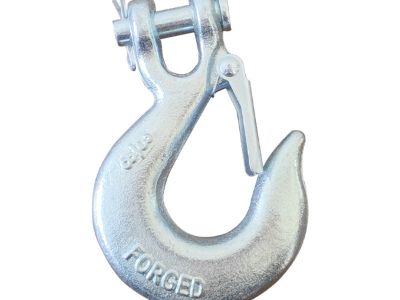
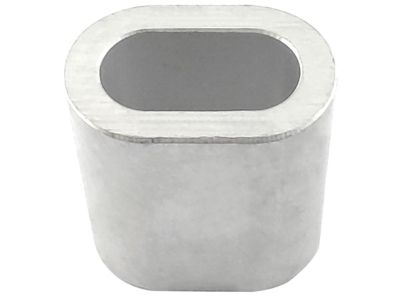
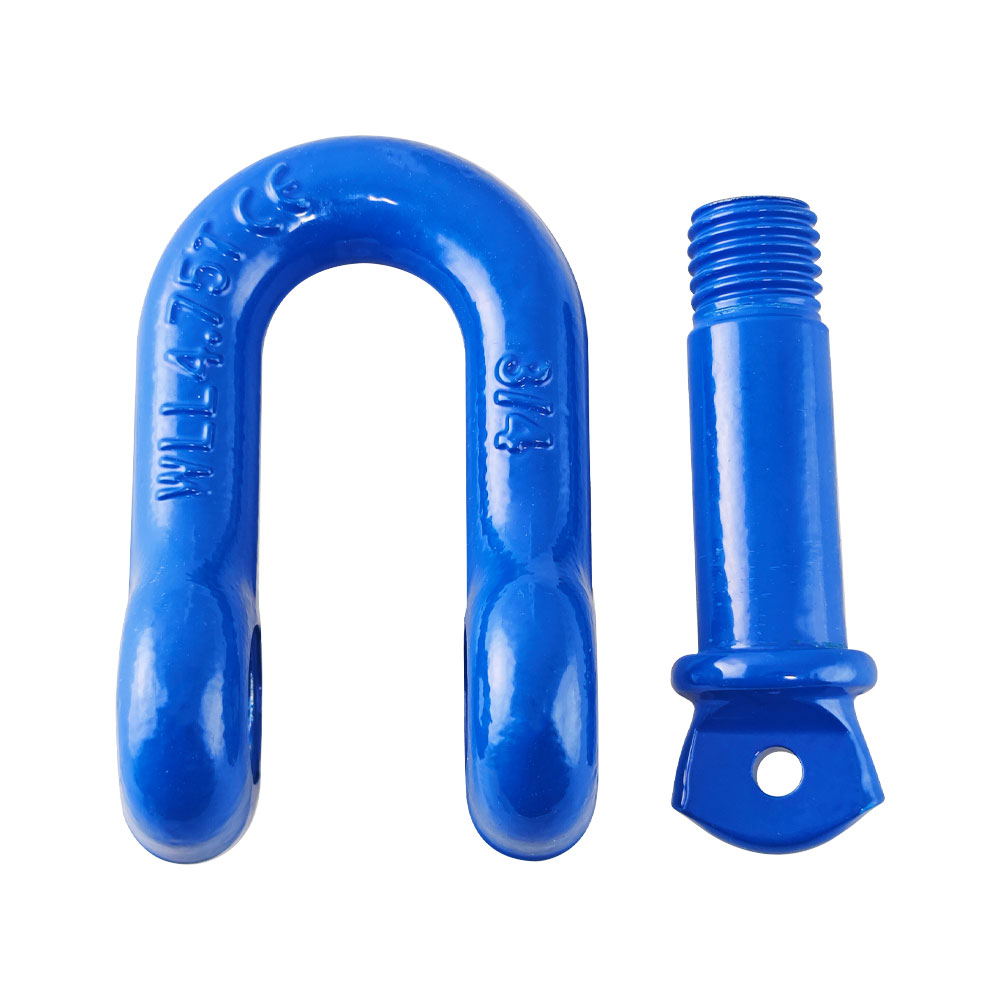
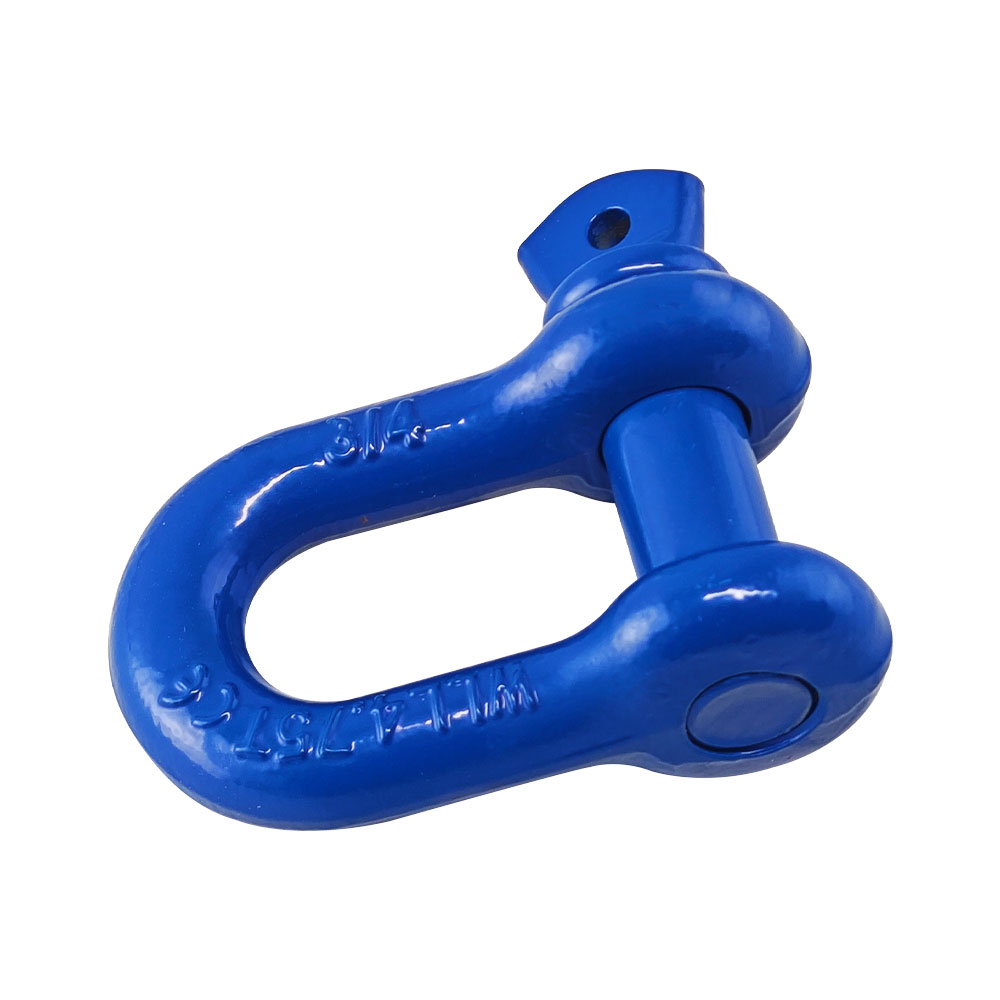
Material: Common materials include stainless steel for corrosion resistance, carbon steel for strength, and aluminum for lightweight applications. The choice of material should be aligned with the environmental conditions and load requirements. Load Rating: Fasteners have specific load ratings that indicate the maximum weight they can safely support. Always select fasteners with a load rating that exceeds the anticipated load to ensure safety and reliability. Dimensions: The size and diameter of the fasteners must match the wire rope dimensions. Mismatched sizes can lead to failure under load. Type of Connection: Different fasteners offer various connection types, such as loops, hooks, and clips. The connection type should be suited to your specific application. Finish and Coating: The finish of the fastener can impact its performance. Options include galvanization for corrosion resistance or powder coating for enhanced durability.Assessing these specifications will help ensure that the wire rope fasteners you choose are suitable for your application and will perform reliably under the required conditions.