 EN
EN
 AR
AR
 BG
BG
 HR
HR
 CS
CS
 DA
DA
 NL
NL
 FI
FI
 FR
FR
 DE
DE
 EL
EL
 HI
HI
 IT
IT
 JA
JA
 KO
KO
 NO
NO
 PL
PL
 PT
PT
 RO
RO
 RU
RU
 ES
ES
 SV
SV
 TL
TL
 IW
IW
 ID
ID
 LT
LT
 SR
SR
 SL
SL
 SQ
SQ
 HU
HU
 TH
TH
 TR
TR
 FA
FA
 AF
AF
 MS
MS
 HY
HY
 AZ
AZ
 BN
BN
 SO
SO
 KK
KK
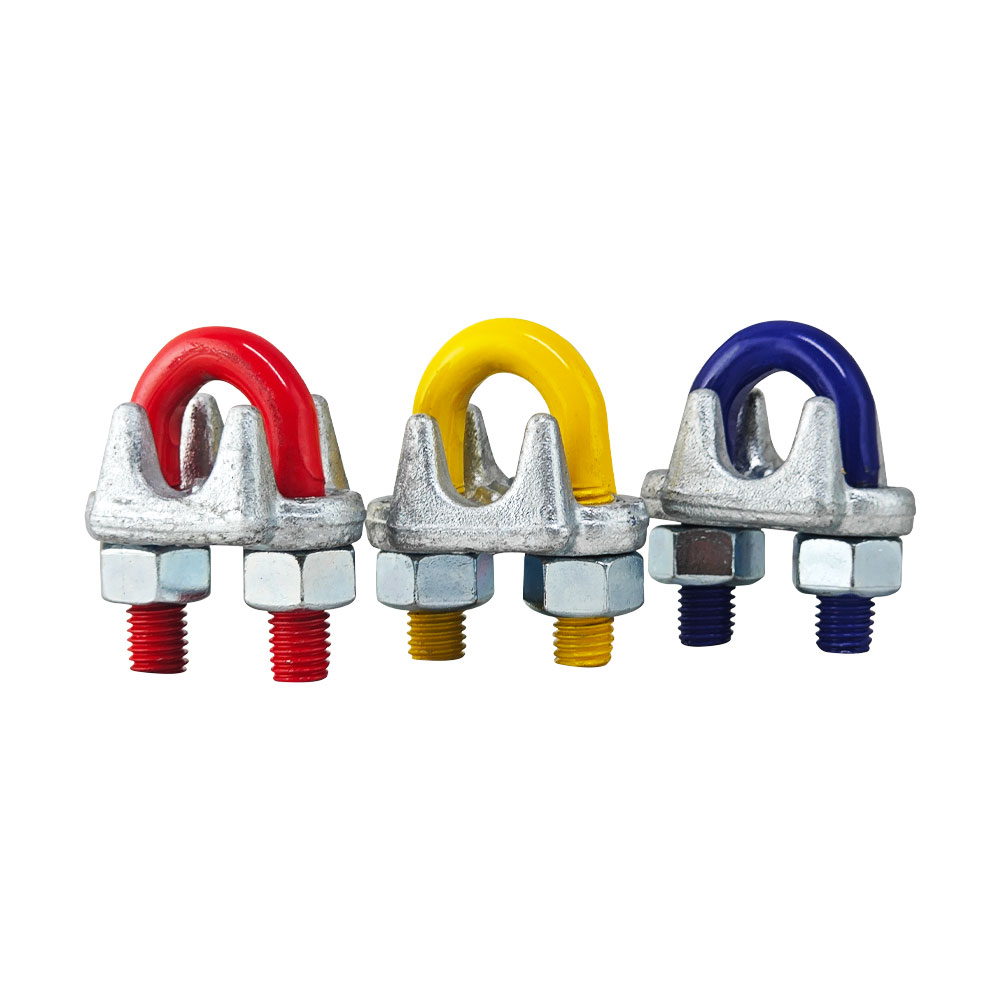
Choosing the right wire rope and clamps is crucial for ensuring safety and efficiency in various applications, including construction, marine engineering, and transportation. This article will help B2B buyers understand how to select quality wire rope and clamps based on their specific project needs, while addressing key concerns such as material selection, quality evaluation, and cost factors. By the end, readers will have a clearer understanding of what to consider when sourcing these essential components.
Key Specifications to Consider When Sourcing Wire Rope
When sourcing wire rope, several key specifications should be prioritized:
Material Composition: Common materials include carbon steel, stainless steel, and synthetic fibers. Each material has its advantages; for example, stainless steel offers excellent corrosion resistance, while steel provides high tensile strength.
Diameter: The diameter of the wire rope affects its load capacity and flexibility. Ensure that the diameter matches the equipment specifications and operational demands.
Construction Type: Wire ropes can be classified as laid, stranded, or braided. Each type has unique properties affecting flexibility, strength, and resistance to wear. Understand how these constructions impact performance in your specific application.
Tensile Strength: This is a crucial factor that determines the maximum load a wire rope can bear without breaking. It’s essential to choose a wire rope with a tensile strength that exceeds your maximum expected load, ensuring a safety margin.
Certification: Look for products that are CE and ISO certified, as these certifications indicate compliance with international safety and quality standards.