 EN
EN
 AR
AR
 BG
BG
 HR
HR
 CS
CS
 DA
DA
 NL
NL
 FI
FI
 FR
FR
 DE
DE
 EL
EL
 HI
HI
 IT
IT
 JA
JA
 KO
KO
 NO
NO
 PL
PL
 PT
PT
 RO
RO
 RU
RU
 ES
ES
 SV
SV
 TL
TL
 IW
IW
 ID
ID
 LT
LT
 SR
SR
 SL
SL
 SQ
SQ
 HU
HU
 TH
TH
 TR
TR
 FA
FA
 AF
AF
 MS
MS
 HY
HY
 AZ
AZ
 BN
BN
 SO
SO
 KK
KK
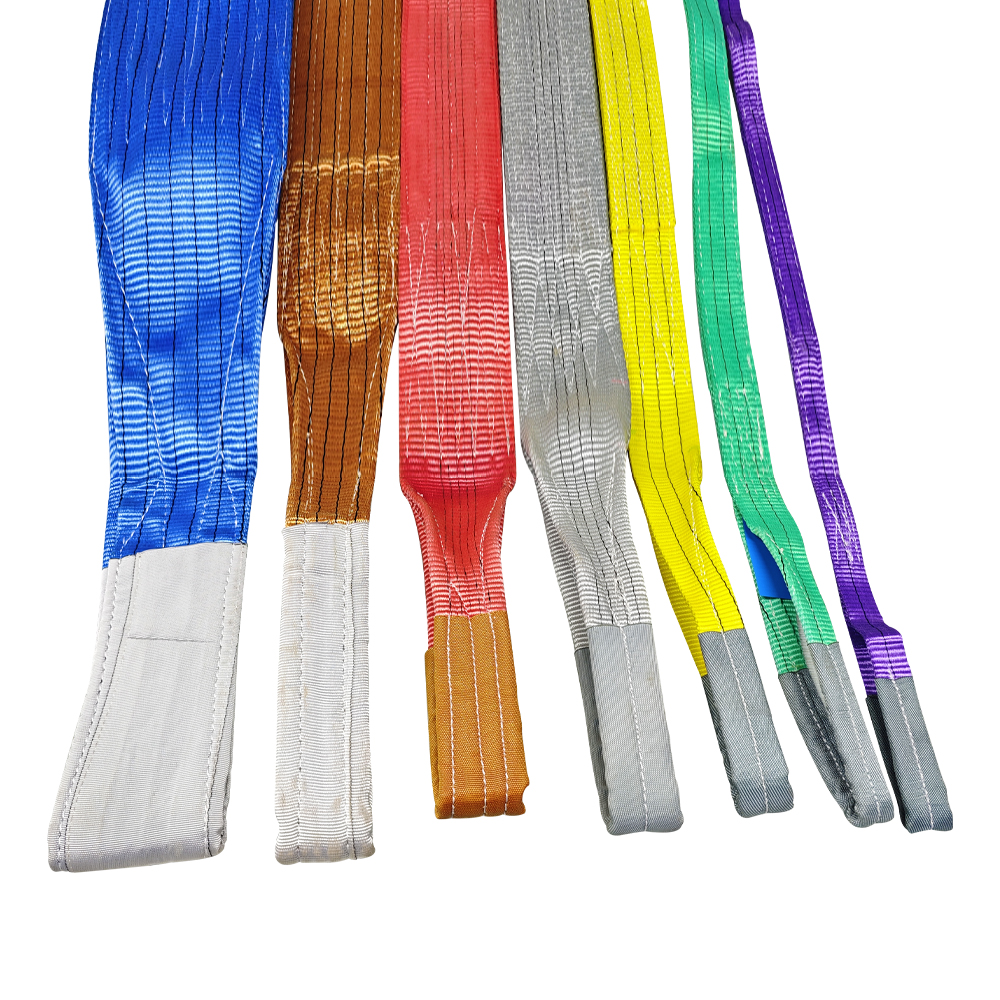
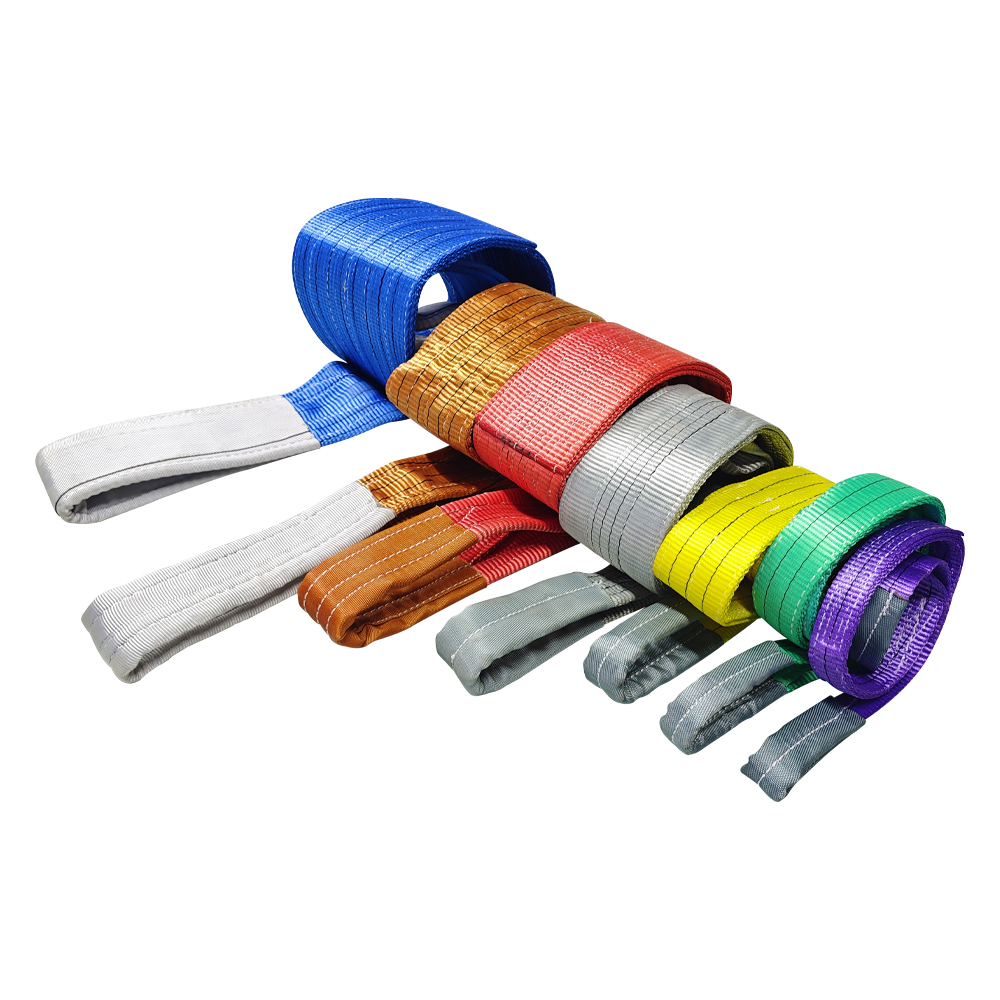
Web slings are essential lifting devices used across various industries, including construction, marine engineering, and transportation. They are versatile, lightweight, and offer a safe method for lifting heavy loads. However, with different web sling types available, purchasing managers, engineers, and product managers often face challenges when selecting the right option for their needs. This article will explore key specifications, material advantages, installation guidance, common problems, and applications of web slings, helping you make informed purchasing decisions.
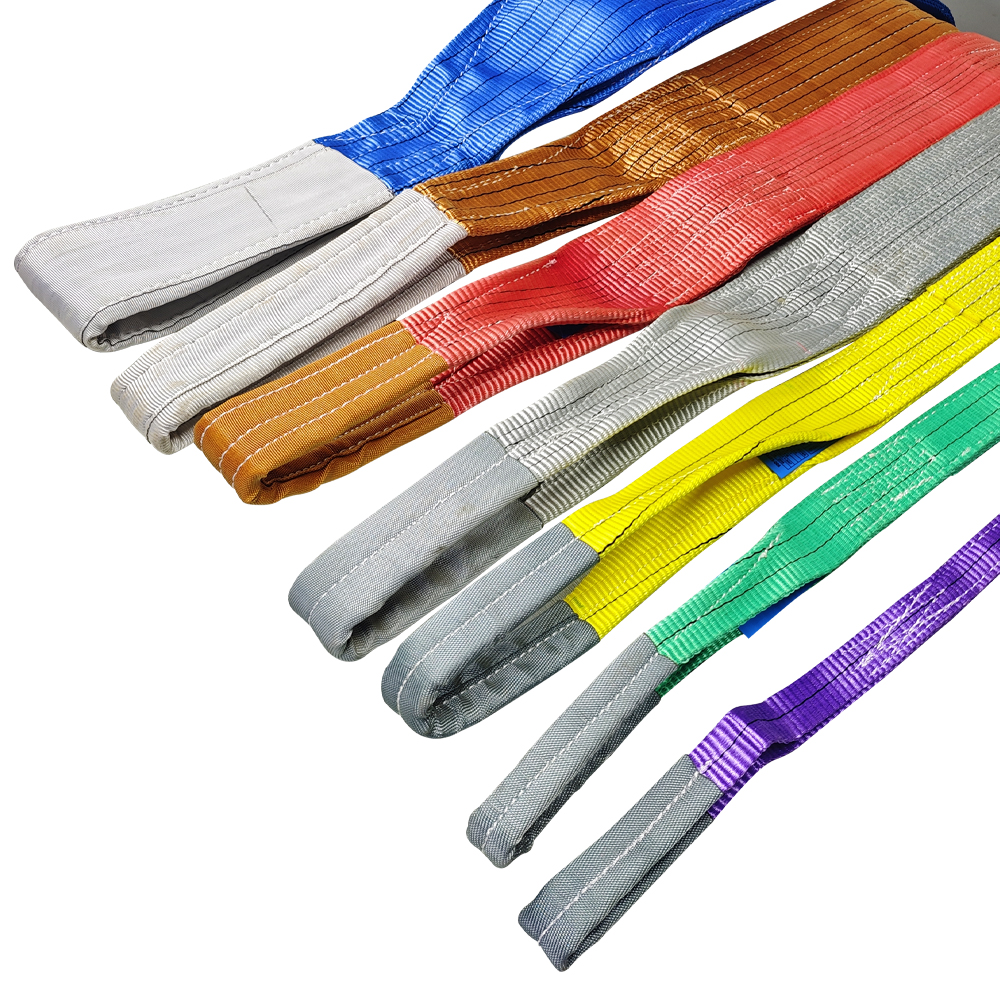
Comparing Material Advantages of Various Web Sling Types
Web slings are available in different materials, each offering unique advantages. The most common materials include:
Polyester: This is the most widely used material for web slings due to its high strength-to-weight ratio and excellent resistance to abrasion and UV light. Polyester slings are ideal for general lifting applications and offer good flexibility, making them easy to handle.
Nylon: Nylon slings have a higher stretch capacity than polyester, which can be beneficial in certain lifting scenarios. They can absorb shock loads better, making them suitable for dynamic lifting situations. However, nylon's susceptibility to UV degradation and chemical exposure may limit its applications.
Polypropylene: While not as strong as nylon or polyester, polypropylene slings are lightweight and resistant to moisture. They are often used in marine applications where wet conditions are common. However, they should not be used for heavy lifting due to their lower strength.
Specialty Slings: Some applications may require slings made from specialized materials, such as aramid fibers or other high-performance synthetics. These materials can offer superior heat resistance, chemical resistance, or other properties tailored to specific environments.
Evaluating the advantages of these materials in relation to your specific application will help ensure you select a web sling that performs optimally under expected conditions.