 EN
EN
 AR
AR
 BG
BG
 HR
HR
 CS
CS
 DA
DA
 NL
NL
 FI
FI
 FR
FR
 DE
DE
 EL
EL
 HI
HI
 IT
IT
 JA
JA
 KO
KO
 NO
NO
 PL
PL
 PT
PT
 RO
RO
 RU
RU
 ES
ES
 SV
SV
 TL
TL
 IW
IW
 ID
ID
 LT
LT
 SR
SR
 SL
SL
 SQ
SQ
 HU
HU
 TH
TH
 TR
TR
 FA
FA
 AF
AF
 MS
MS
 HY
HY
 AZ
AZ
 BN
BN
 SO
SO
 KK
KK
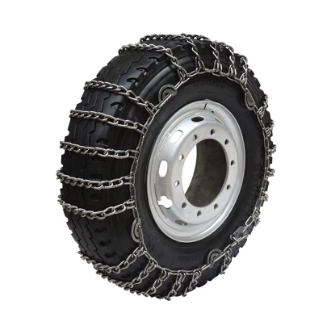
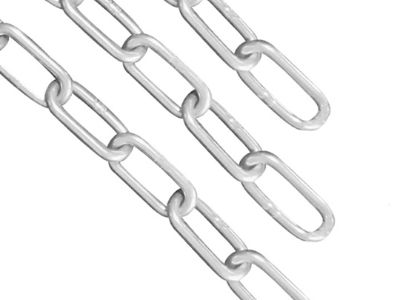
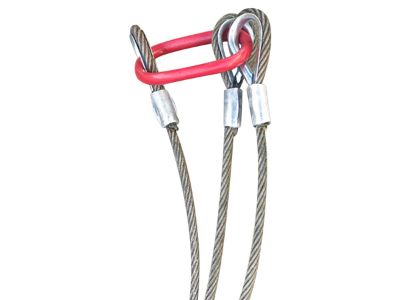
Transport chains and binders play a crucial role in lifting and securing loads across various industries, ensuring safety and efficiency in operations. As a B2B buyer, understanding the specifications and applications of these products is essential to making informed purchasing decisions. This article will guide you through the key considerations for selecting the right transport chains and binders, installation guidance, common issues, material comparisons, and their diverse applications in different sectors. <a href="/product-galvanized-iron-chain-din766-2mm-to-32mm-welding-galvanized-link-chain">Galvanized iron chain DIN766 2mm to 32mm welding galvanized link chain
Installation Guidance for Transport Chains and Binders
Proper installation of transport chains and binders is critical for ensuring safety and functionality. Start by inspecting the components before installation. Check for any signs of wear, damage, or corrosion, as these could compromise performance.
When installing chains, ensure they are appropriately tensioned. Insufficient tension can lead to slippage, while excessive tension can cause premature wear or failure. It’s advisable to refer to the manufacturer's guidelines regarding tension levels for different load capacities.
For binders, make sure the attachment points are secure and compatible with the load being transported. Use the appropriate tensioning method to ensure stability during transport. Regularly inspect the installation during operation, looking for signs of wear or loosening, and re-tension as necessary.
Lastly, training personnel on proper installation techniques is crucial. This includes understanding load limits, installation procedures, and safety measures to prevent accidents.