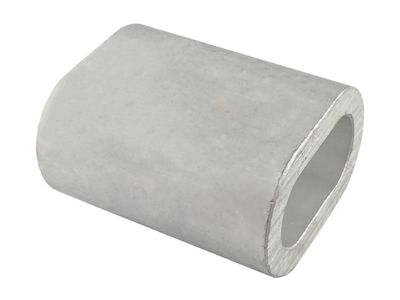
Key Specifications for Towing Cables

All Categories

towing cable

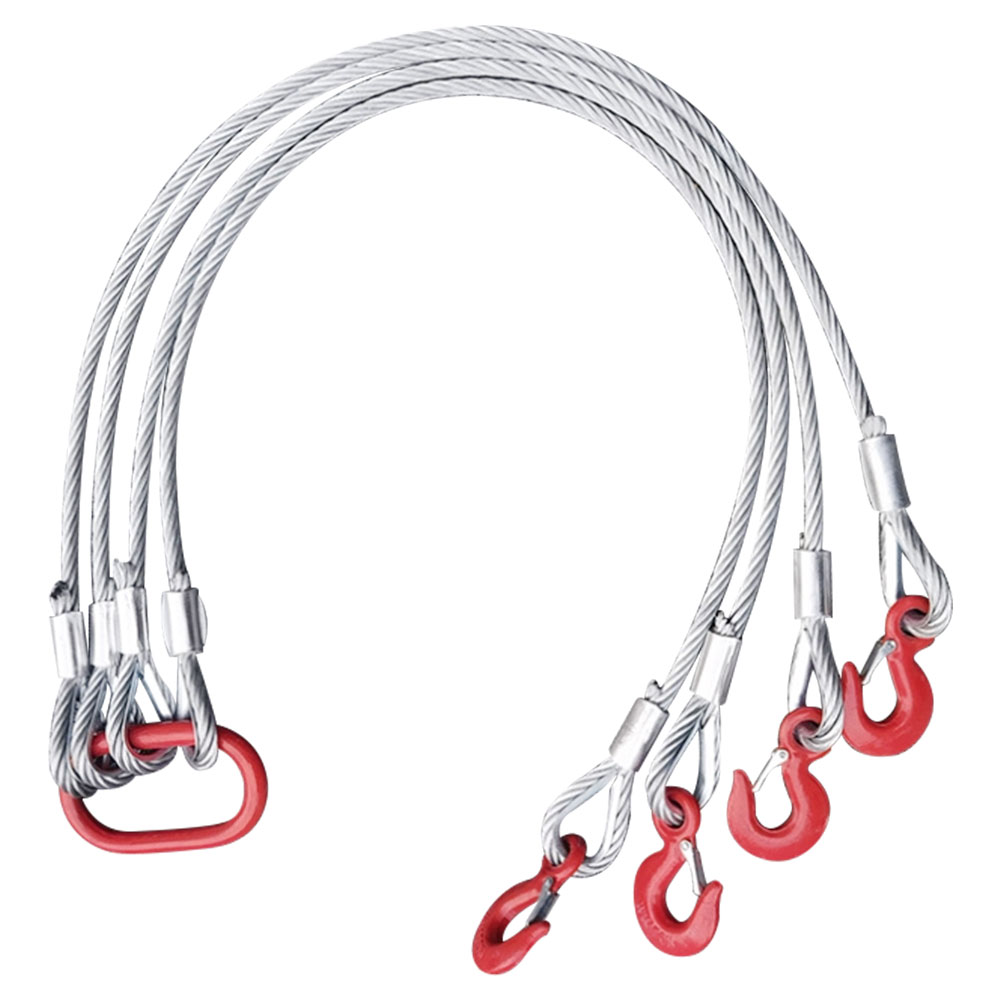
Towing cables are essential  components in various  industrial applications,  enabling the safe and efficient movement  of heavy loads.  Buyers often  have concerns  regarding material quality,  specifications,  and supplier  reliability when  sourcing these products. This article aims to provide a comprehensive  understanding of  towing cables, including key  specifications, supplier selection,  cost considerations,  best  practices,  and common  issues  along with effective solutions.
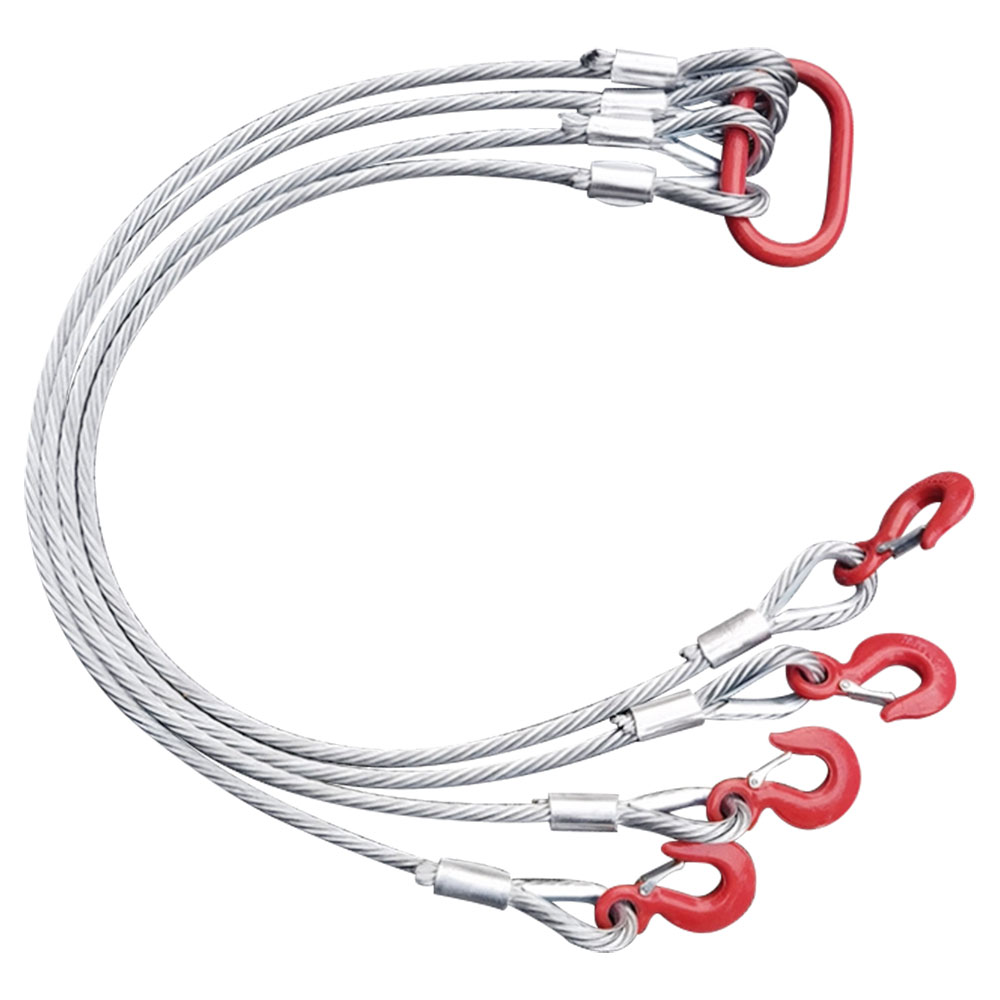
Finding Reliable Suppliers

Finding Reliable Suppliers

Finding  a trustworthy supplier for towing cables is  crucial  for maintaining product  quality and ensuring timely deliveries. Here are some  steps  to consider:


Research and Evaluate Potential Suppliers: Look for manufacturers  with a proven track record in producing towing cables. Check their certifications, customer reviews, and industry reputation. A supplier like Shandong Lisheng Machinery, known for high-quality lifting rigging and accessories, can be  a reliable choice.

Request  Samples:  Before placing a bulk order, request samples to assess the quality of the towing cables. Evaluate the material, construction, and overall performance to ensure they  meet your  specifications.

Assess Manufacturing Capabilities: Inquire about the supplier's manufacturing processes, equipment, and quality control measures. A manufacturer with advanced production technology and stringent  quality checks is more likely to deliver reliable products.

Consider Customization Options: If your application requires specific cable characteristics, such as custom lengths or materials,  ensure that the supplier can accommodate these needs.  A manufacturer’s ability to customize products can significantly enhance their suitability for your  application.

Review  After-Sales Support: A good  supplier should offer robust after-sales support, including assistance  with installation, maintenance advice, and a clear return policy in case of defects.
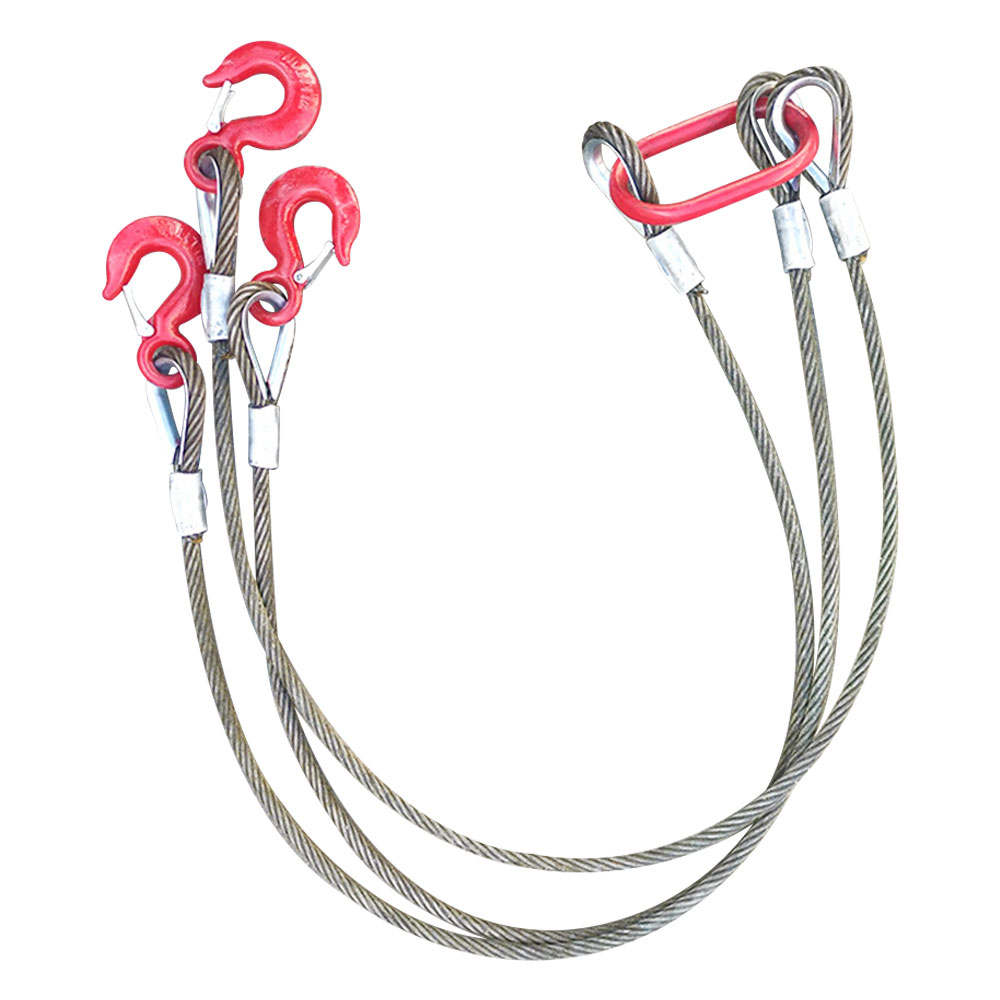
Cost Factors in Towing Cable Purchases for Bulk Orders

Cost Factors in Towing Cable Purchases for Bulk Orders

Understanding the cost  factors associated with towing cables is crucial for  budget management, especially for bulk purchases. Key considerations include:

Material Costs: The type  of material used significantly affects the price. Steel cables are typically more expensive than synthetic alternatives, but their durability may justify the higher cost for heavy-duty  applications.

Cable  Specifications: Custom specifications, such as unique diameters or specialized coatings, can increase costs. Buyers  should  clarify their requirements to  receive accurate quotes.

Order Volume: Bulk orders often  qualify for discounts,  reducing the per-unit cost. However, buyers should balance the benefits of bulk  purchasing with storage capabilities and potential obsolescence.

Shipping and Handling: Consider the cost  of shipping, especially for larger orders. Some suppliers may offer free shipping above a certain  order value,  which can be advantageous.

Quality Assurance Testing: Factor in any costs related to  quality assurance  testing  or certifications, as these  can impact the final price. Ensuring compliance with industry standards  may require additional testing,  which can increase upfront costs but ensures product reliability.

Best Practices Explained

Best Practices Explained

To ensure optimal performance and  longevity of  towing cables, adhere to the following  best practices:

Regular Inspection:  Conduct routine inspections for signs of wear, damage,  or corrosion. Look for fraying or kinking, which can indicate a  compromised cable.

Proper Storage:  Store towing  cables in a  dry, cool  place away  from direct sunlight  and harsh chemicals. This prevents deterioration and extends their lifespan.

Correct Usage: Ensure  that towing cables are used within  their specified load ratings and applications. Overloading can lead to failure and potential  safety hazards.

Safety Protocols: Implement safety protocols during towing operations, including  wearing protective gear and ensuring that all personnel are aware of the cable's limitations.

Training: Provide training for staff  on proper handling and usage  of towing cables. Understanding the specifications and operational guidelines can  prevent misuse and extend the  product's life.

Common Problems with Towing Cables and Effective Solutions

Despite their robust design, towing cables can experience issues that may affect  their performance. Here are some common problems along  with effective solutions:

Wear and  Tear: Cables can  suffer from wear due to friction  and environmental exposure, leading to  reduced strength. Regular inspections and timely replacement  of worn cables  can mitigate this issue.

Corrosion: Steel cables are particularly vulnerable  to corrosion if exposed  to moisture. Using cables with  protective  coatings or opting for corrosion-resistant materials can help  prevent this problem.

Kinking and Twisting: Improper handling can cause cables  to kink or twist, affecting  their usability. Educating staff  on proper handling techniques and using cable reels for storage can  reduce this risk.

Load Miscalculations: Using a cable that is not rated for  the required load can result in failure. Always verify the load ratings and consider a safety margin when selecting cables.

Installation Issues: Incorrect installation can lead to cable failure during operation. Ensure that all installation guidelines are followed, and consider consulting the manufacturer for specific recommendations.

By understanding these specifications, sourcing reliable suppliers, considering cost  factors, following best practices, and addressing common problems, buyers can make informed decisions when purchasing towing cables. These actions will enhance safety and efficiency in their operations, ensuring  that towing tasks are performed effectively and reliably.

Key Specifications to Consider When Sourcing Towing Cables

When sourcing towing  cables, several key specifications should be considered to ensure  optimal performance and safety.

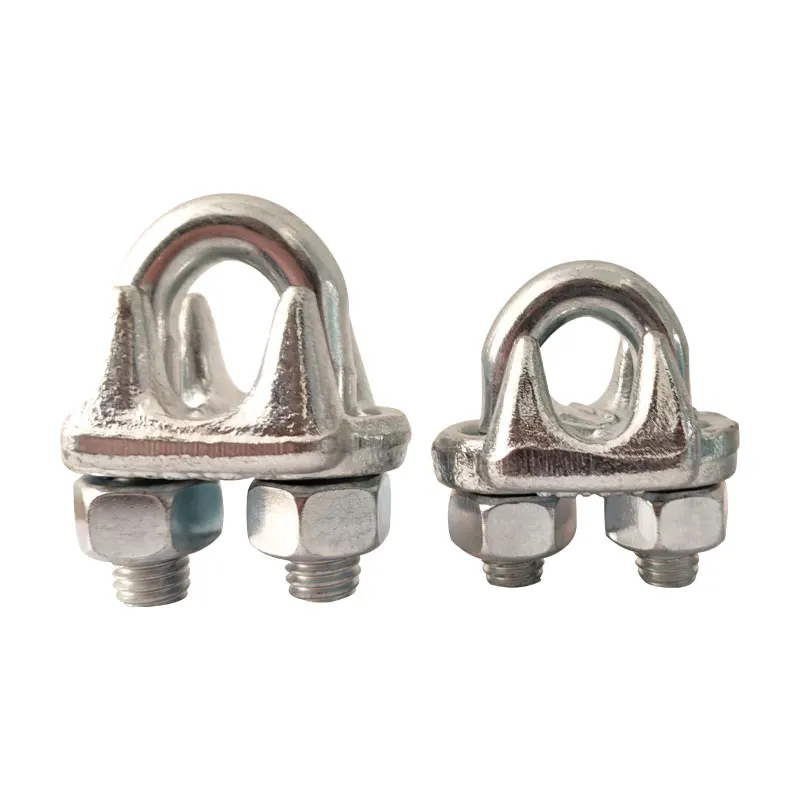
Material Composition: Towing cables can be made from various materials,  including steel and synthetic fibers. Steel cables offer high tensile strength and durability, making  them suitable for heavy-duty applications, while synthetic cables  are lighter and resistant to corrosion. Buyers should select materials based on the specific demands  of their application,  including load capacity and environmental conditions. For those looking for high-quality options, Steel Wire Rope & Fittings may be a good choice.

Diameter and Length: The diameter of the towing cable affects its strength and flexibility.  A thicker cable generally has a higher load capacity but may be less flexible and harder to handle. Length  is also crucial; buyers should ensure  the  cable is long enough for their specific application, considering factors like the distance between towing and towed objects.

Load Rating: Each towing cable has a specified load rating, which indicates the maximum weight it can safely tow.  It's critical to select a cable that exceeds the expected load to account for  dynamic forces  during towing. For those seeking reliable lifting solutions, Hoisting & Lifting Equipment can also be considered.

Certification Standards: Ensure that the towing cables meet industry standards such  as CE and ISO certifications. These certifications indicate that the products have undergone rigorous  testing and adhere to safety  standards, providing an additional layer of assurance for buyers.

Environmental Resistance: Depending on the application, cables may need to withstand  harsh conditions, including extreme temperatures, moisture,  or chemical exposure. Buyers should inquire about any protective coatings or treatments that enhance durability in specific environments.

Why choose LoadStar towing cable

Professional service team

After the product is produced Chain link galvanized will examine it for quality, pack it and ship it to you.

We have many years of production experience, products in line with national certification standards

our products have passed ce certification covering 4 leg wire rope sling g43 g70 g80 g100 and meet the standards we are committed to providing high quality products that meet international standards to meet the growing needs of our customers our products are used in engineering construction in various countries and they still maintain their strength and quality after many years of use

We own our own factory

A factory is a place 2 leg wire rope sling companies to control and manage the entire process of production. This helps reduce production costs.

We company produced are sold to more than 30 countries

the products of the company are of 3 8 galvanized chain quality with complete specifications models the products are well-loved in more than 30 countries such as china iran pakistan saudi arabia the united arab emirates the united states the united kingdom australia argentina egypt

Our Blog Posts

Top 4 rope clips Manufacturer In The United Arab Emirates

19

Sep

Top 4 rope clips Manufacturer In The United Arab Emirates

LoadStar is one of the premier wholesale rope clip distributors in UAE. We offer quality products that are both durable and reliable, and is a reason we are considered one of top rope clips manufacturers in the UAE. Consist for being a quality and in...
View More
Why Are Eye Bolt & Nut Popular in the Manufacturing Sector?

07

Apr

Why Are Eye Bolt & Nut Popular in the Manufacturing Sector?

And here, eye bolts and nuts are also very important in the factories. LoadStar offers number of the flexible and reliable eye bolts and nuts. Let’s discover why the eye bolts and nuts are part and parcel in several manufacturing jobs.Eye Bolts and N...
View More
Why Is It Important to Regularly Inspect Eye Bolt & Nut?

08

Apr

Why Is It Important to Regularly Inspect Eye Bolt & Nut?

The eye bolt and nut– you see these on your equipment and probably don’t give them much thought. These parts are tiny, but they're critical for ensuring safety. This is why you should check these parts regularly to ensure that they run smoothly.Regul...
View More
How Proper Swaging of Aluminium Ferrules Ensures Lifting Safety

28

Jul

How Proper Swaging of Aluminium Ferrules Ensures Lifting Safety

That is where swaging becomes critical in moving heavy objects in a safe manner. When using aluminum ferrule, care should be taken to ensure that the correct swaging techniques are employed in order to avoid damage to the lifting machinery.The signif...
View More