Key Specifications for Synthetic Lifting Slings

All Categories

synthetic lifting slings

Synthetic  lifting slings are essential tools in various industries,  providing reliable solutions for  lifting and transporting  heavy loads.  As a B2B  buyer, understanding  the specifications, sourcing options, and potential  challenges associated with synthetic lifting slings is crucial  for making informed purchasing decisions. This article  will  guide  you through key specifications, supplier evaluation, common  issues, material advantages, and quality standards, helping you  navigate  the  complexities of  selecting  the right synthetic  lifting slings  for your operational needs. For more information on related products, check our Lifting Webbing Slings & Tie Downs.
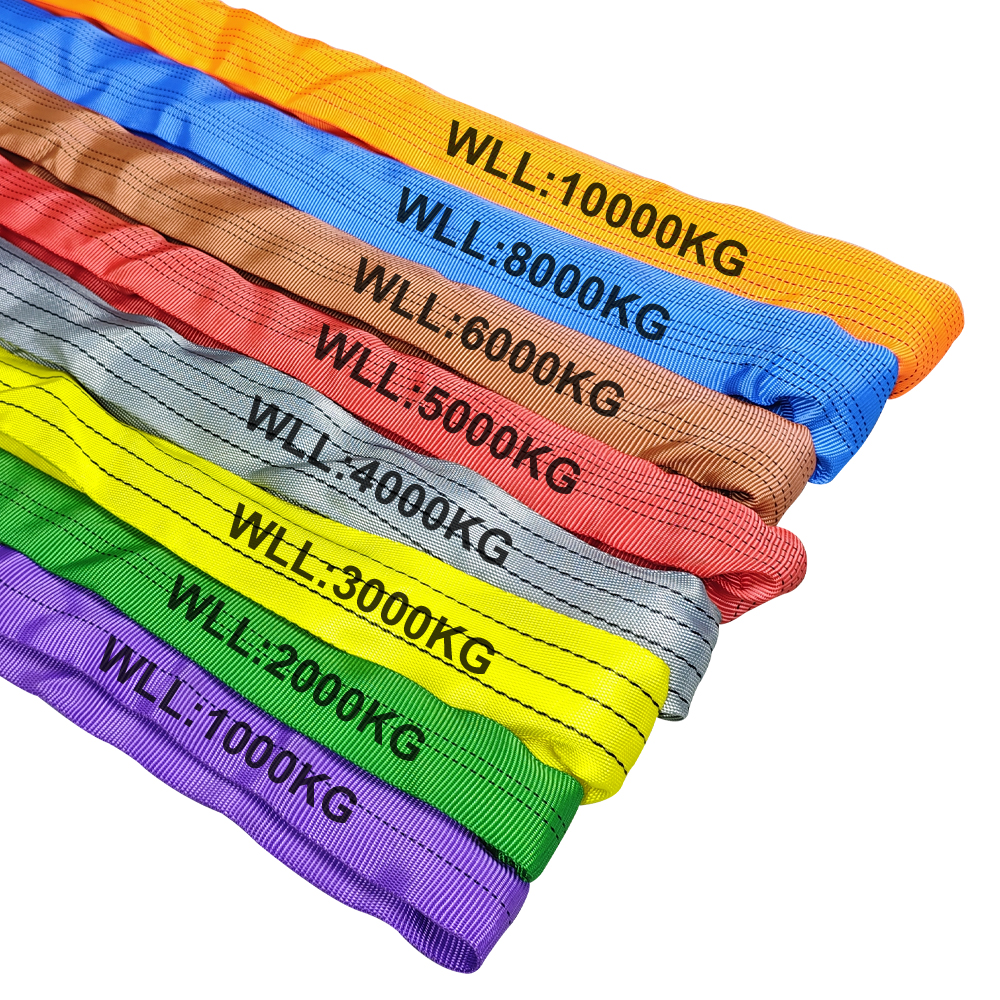
Sourcing Reliable Suppliers for Synthetic Slings

Sourcing Reliable Suppliers for Synthetic Slings

Selecting  the right supplier is critical when sourcing synthetic lifting slings. Here are key considerations when evaluating potential suppliers:

Certifications: Ensure that the supplier's products are CE and ISO certified, which indicates compliance  with international safety and quality standards.  Certifications serve as  a testament to the reliability and durability of the lifting slings.


Manufacturing Capabilities:  Review the supplier's production equipment  and technology to assess whether  they can meet your volume and customization needs. Advanced machinery typically results in higher quality and more consistent products.

Reputation and Experience:  Research the supplier's market presence and customer feedback. A well-established manufacturer, like Shandong Lisheng Machinery, with a strong reputation in the  industry can provide assurance of product quality and service reliability.


Lead  Times  and Flexibility: Discuss lead times  for orders and the  supplier's  flexibility regarding customization or  urgent requests. This is important for  project planning and can impact your operational efficiency.

By carefully assessing these factors,  you can build a partnership with a reliable supplier that meets your lifting sling requirements. For a comprehensive overview of rigging options, consider exploring our Rigging Hardware.
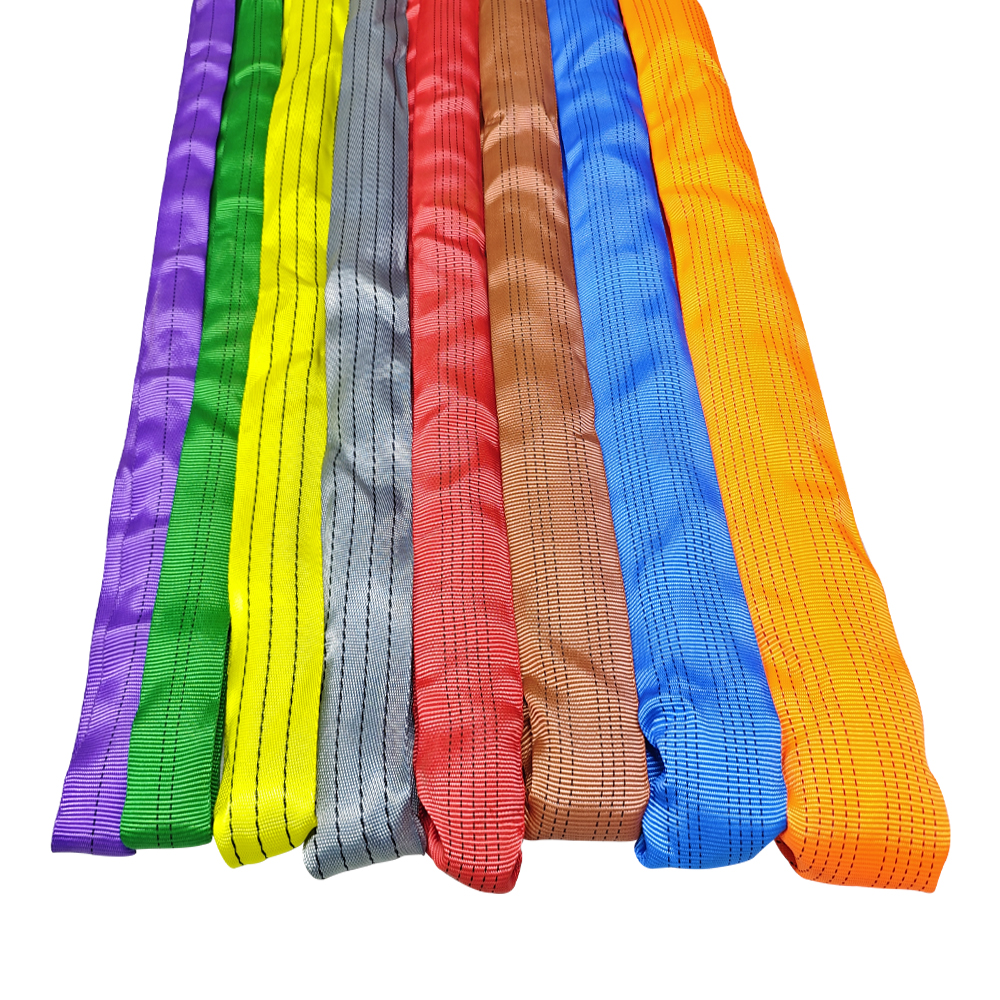
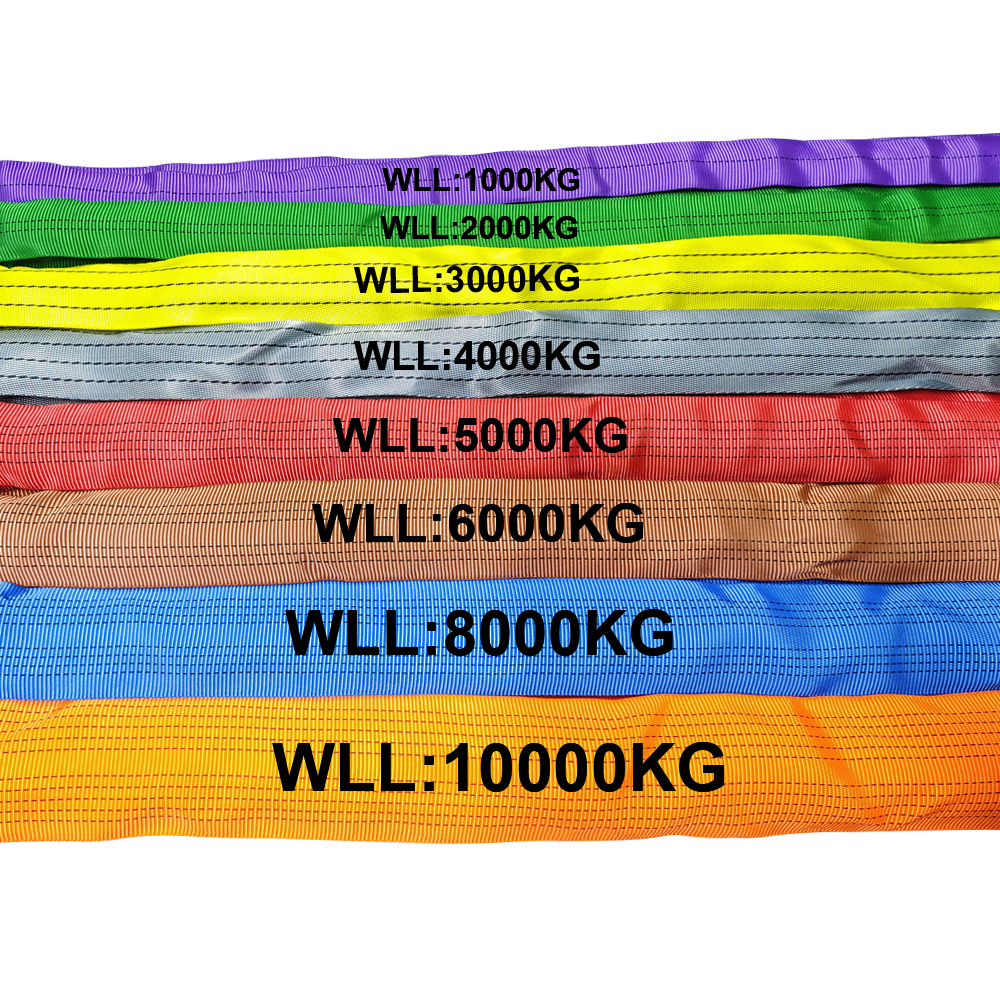
 
Common Problems with Synthetic Lifting Slings and Effective Solutions

Common Problems with Synthetic Lifting Slings and Effective Solutions

While synthetic lifting slings are generally durable and reliable, various issues can arise during their  use. Here  are some common problems and practical solutions:

Wear and  Tear:  Prolonged exposure to abrasive surfaces or  harsh environmental conditions  can degrade the sling material. Regular inspections and prompt replacements of worn slings can prevent accidents and ensure safety.


Incorrect Size Selection: Using a sling that is too short  or too long can lead to improper load distribution and increased risk of  accidents. Prioritizing accurate measurements and load assessments can mitigate this issue.


Environmental Exposure: Chemical exposure can weaken synthetic materials. Understanding the operating environment and choosing slings made from  chemically resistant materials can enhance their  longevity.

Overloading: Exceeding the  sling's load capacity can lead  to sling failure.  Establishing strict protocols for load checks and worker training on load  limitations can significantly reduce  this risk.

By proactively addressing these  common issues, buyers can  maintain the integrity and reliability of their synthetic  lifting slings.

Material Advantages and Applications

Material Advantages and Applications

The choice of material  in synthetic  lifting slings  significantly impacts their  performance and application  suitability.  Here’s a  closer look at the advantages of commonly used materials:

Polyester:  Known for its  low stretch and high UV resistance, polyester slings are ideal  for outdoor construction and marine applications. They provide excellent load stability and are less likely to elongate under weight.

Nylon:  Nylon slings are favored for applications requiring shock absorption due  to their higher elasticity. They are commonly used in scenarios where dynamic loads are a concern, such as in rescue operations or  heavy machinery lifting.

Composite  Materials: Some manufacturers also offer slings made from composite materials, which can enhance durability and resistance to abrasion and chemicals.  These are suitable  for specialized applications in industries like petrochemicals and pharmaceuticals.

Understanding the advantages of different materials helps buyers select the  right type  of  synthetic lifting sling for  their operational requirements.

Evaluating Quality Standards for Synthetic Lifting Slings in Manufacturing

Quality  assurance is paramount in the  manufacturing of synthetic lifting slings. Here’s how to  evaluate the quality standards upheld by manufacturers:

Production Processes: Investigate the manufacturing processes  used by the supplier. High-quality slings should be  produced with stringent quality control  measures,  including material testing and performance evaluations.

Inspection Protocols: Confirm whether the manufacturer conducts regular inspections and testing of slings to ensure they meet specified safety  and performance criteria. This should include checks on load  capacity, stitching  integrity, and material defects.

Traceability: A reputable manufacturer should provide traceability for their products, allowing  buyers to verify materials and processes used in production. This  transparency can enhance trust in the  product’s reliability.

Customer Support: Evaluate the  level of customer support offered by the manufacturer. Strong  post-sales support  can be beneficial for  troubleshooting issues or addressing concerns that arise during the product lifecycle.

By ensuring that quality standards are met, buyers can have  confidence in  the safety and performance of the synthetic lifting slings they  choose to use in their operations.

Key Specifications for High-Quality Synthetic Lifting Slings Explained

When evaluating synthetic lifting slings, several key specifications should be considered  to ensure they meet your operational requirements. These specifications include:

Load Capacity: This indicates the maximum weight the  sling can safely  lift. It’s essential  to  choose a sling with  a load capacity that exceeds the heaviest load you intend  to lift to prevent  failures.

Length and  Width: The dimensions affect how the sling interacts with the load. Longer slings can accommodate larger or awkwardly shaped loads, while the width can  influence load distribution and sling durability.

Material Type: Common materials for synthetic slings include polyester and nylon. Polyester is typically favored for its excellent  UV resistance and lower stretch characteristics, making it suitable for outdoor applications, whereas nylon provides higher elasticity and is ideal for shock-loading scenarios.

Safety Factor: This  ratio of the breaking strength to the working load limit  (WLL)  indicates how much stronger the sling  is compared  to the maximum load it’s rated for. A higher safety  factor  provides additional assurance during lifting operations.

Understanding these  specifications allows you to select a synthetic lifting sling that not only meets safety standards but also suits your specific lifting applications. For more details on safety standards, visit our page on Hoisting & Lifting Equipment.

Why choose LoadStar synthetic lifting slings

We company produced are sold to more than 30 countries

the products of the company are of high-quality are fully-specified designs they have a good reputation across more than Galvanized chain including china iran pakistan saudi arabia the united arab emirates

We own our own factory

The ownership of a factory allows businesses to oversee and control the entire process of hot dipped galvanized chain. This helps reduce production costs.

Professional service team

Once the product has 4 leg wire rope sling created, professional personnel will inspect it for quality, pack it, and then deliver it to you.

We have many years of production experience, products in line with national certification standards

our products have passed ce wire rope sling covering g30 g43 g70 g80 g100 and meet the standards we are committed to providing high quality products that meet international standards to meet the growing needs of our customers our products are used in engineering construction in various countries and they still maintain their strength and quality after many years of use

Our Blog Posts

What Are the Common Mistakes to Avoid When Using Snap Hooks?

03

Apr

What Are the Common Mistakes to Avoid When Using Snap Hooks?

Hello, friends. Today, we are going to discuss some really important stuff: snap hooks. Snap hooks are small devices used to provide security, but users sometimes make mistakes with them. Let’s go through these top 5 mistakes so we can stay safe whil...
View More
Why Is It Important to Regularly Inspect Eye Bolt & Nut?

08

Apr

Why Is It Important to Regularly Inspect Eye Bolt & Nut?

The eye bolt and nut– you see these on your equipment and probably don’t give them much thought. These parts are tiny, but they're critical for ensuring safety. This is why you should check these parts regularly to ensure that they run smoothly.Regul...
View More
A Distributor's Guide to Stocking the Most In-Demand Wire Rope

28

Jul

A Distributor's Guide to Stocking the Most In-Demand Wire Rope

Wire rope plays an important role when it is about lifting of heavy stuffs. If your company relies on wire rope, it certainly pays to know who makes the most popular types. This article will help you learn more about wire rope and how to stock the ty...
View More
Improving crane safety through proper Lifting shackle selection

28

Apr

Improving crane safety through proper Lifting shackle selection

Safety must come first when working with cranes. One of the biggest aspects of safety is choosing quality lifting shackles. The metal rings attach your crane to what you're lifting and if chosen properly, they could prevent potential accidents or inj...
View More