 EN
EN
 AR
AR
 BG
BG
 HR
HR
 CS
CS
 DA
DA
 NL
NL
 FI
FI
 FR
FR
 DE
DE
 EL
EL
 HI
HI
 IT
IT
 JA
JA
 KO
KO
 NO
NO
 PL
PL
 PT
PT
 RO
RO
 RU
RU
 ES
ES
 SV
SV
 TL
TL
 IW
IW
 ID
ID
 LT
LT
 SR
SR
 SL
SL
 SQ
SQ
 HU
HU
 TH
TH
 TR
TR
 FA
FA
 AF
AF
 MS
MS
 HY
HY
 AZ
AZ
 BN
BN
 SO
SO
 KK
KK
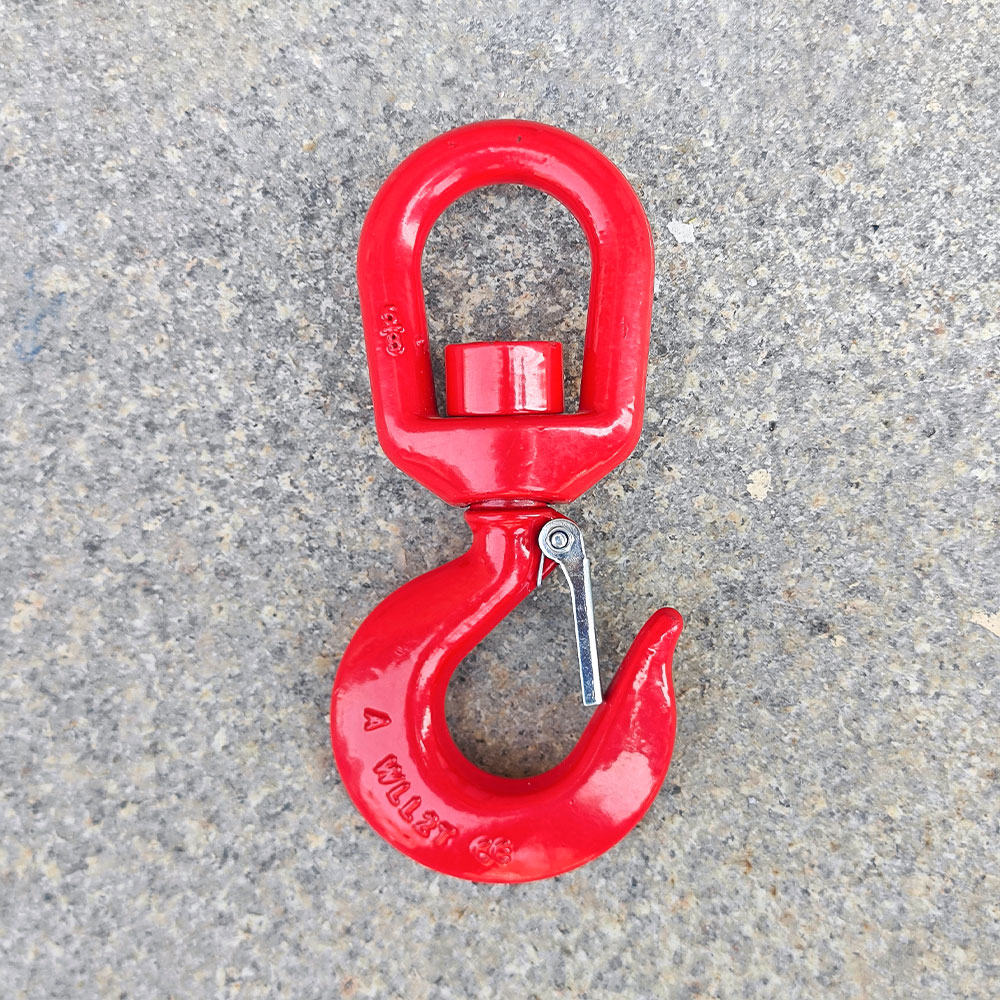
Swivel crane hooks are essential components in lifting and rigging applications, designed to securely attach loads to cranes and hoists while allowing for rotation. For B2B buyers, understanding the nuances of swivel crane hooks is crucial due to concerns about load capacity, material quality, and compatibility with existing equipment. This article will provide insights into selecting the right swivel crane hook, key specifications to consider, supplier evaluation, common installation issues, and how to assess quality for bulk orders.

Key Specifications to Consider When Selecting Swivel Crane Hooks
Several specifications are critical when evaluating swivel crane hooks:
Load Capacity: This is the maximum weight the hook can safely lift. Ensure that the hook’s load capacity exceeds the heaviest load you expect to lift. Overloading a hook can lead to failure and accidents.
Material: The material affects both the strength and durability of the hook. Common materials include carbon steel for general use and stainless steel for environments that are exposed to moisture or corrosive elements.
Dimensions: The dimensions of the hook, including its throat opening and length, must match your application requirements. A hook that is too small may not accommodate the load, while one that is too large may decrease efficiency and safety.
Certification: Look for hooks that are CE and ISO certified, as these certifications indicate adherence to safety and quality standards. This is particularly important for industries like construction and marine engineering.
Swivel Mechanism: The type of swivel mechanism can affect the hook's performance. A proper swivel action helps in reducing torsional stress on the load, improving safety and ease of use.
When purchasing, ensure that these specifications align with the demands of your specific application.