 EN
EN
 AR
AR
 BG
BG
 HR
HR
 CS
CS
 DA
DA
 NL
NL
 FI
FI
 FR
FR
 DE
DE
 EL
EL
 HI
HI
 IT
IT
 JA
JA
 KO
KO
 NO
NO
 PL
PL
 PT
PT
 RO
RO
 RU
RU
 ES
ES
 SV
SV
 TL
TL
 IW
IW
 ID
ID
 LT
LT
 SR
SR
 SL
SL
 SQ
SQ
 HU
HU
 TH
TH
 TR
TR
 FA
FA
 AF
AF
 MS
MS
 HY
HY
 AZ
AZ
 BN
BN
 SO
SO
 KK
KK
Steel wire rope clamps are essential components in various lifting and rigging applications, providing secure connections that ensure safety and reliability. As a purchasing manager or project engineer, your primary concerns may include the clamp's specifications, suitability for specific applications, and sourcing options. This article aims to guide you through the selection process, key specifications, sourcing methods, and practical applications of steel wire rope clamps, helping you make informed decisions for your projects. For more information on related products, you can check our Lifting Webbing Slings & Tie Downs.
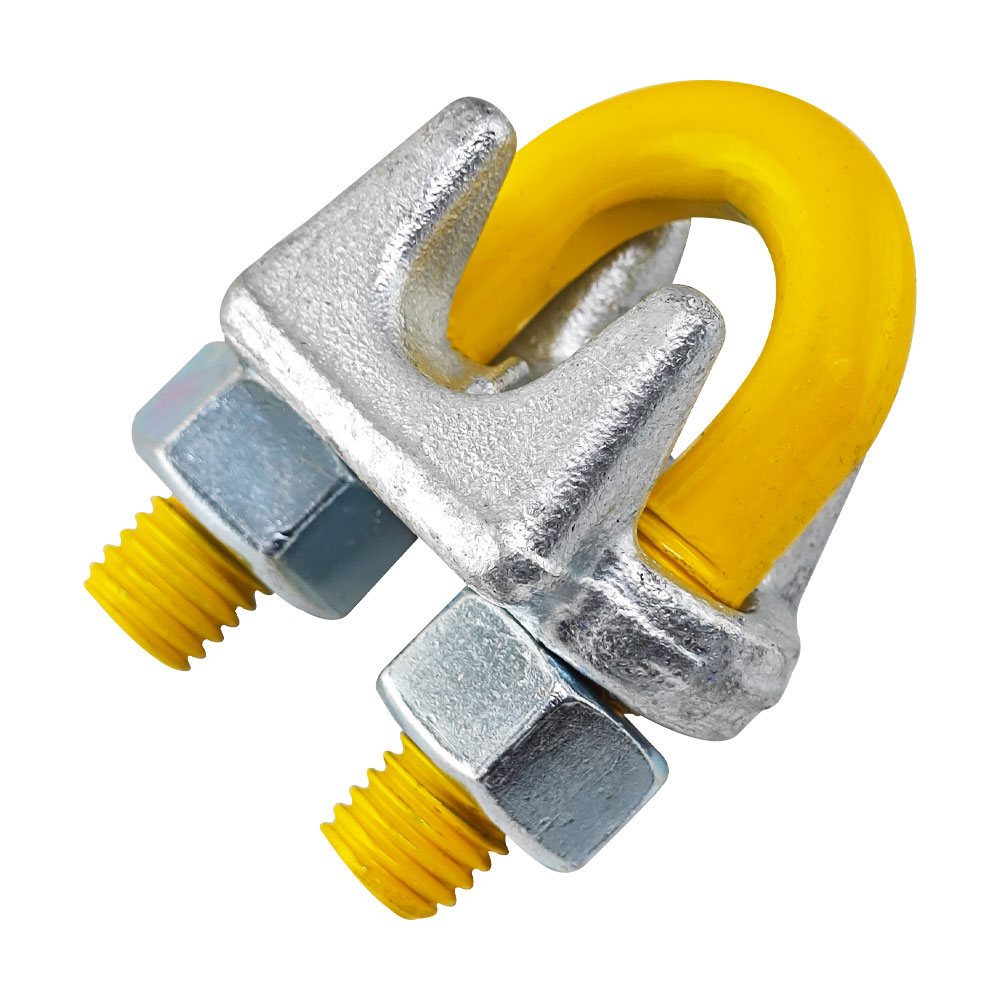
Key Specifications for Reliable Steel Wire Rope Clamps
When examining steel wire rope clamps, several key specifications play a crucial role in their performance:
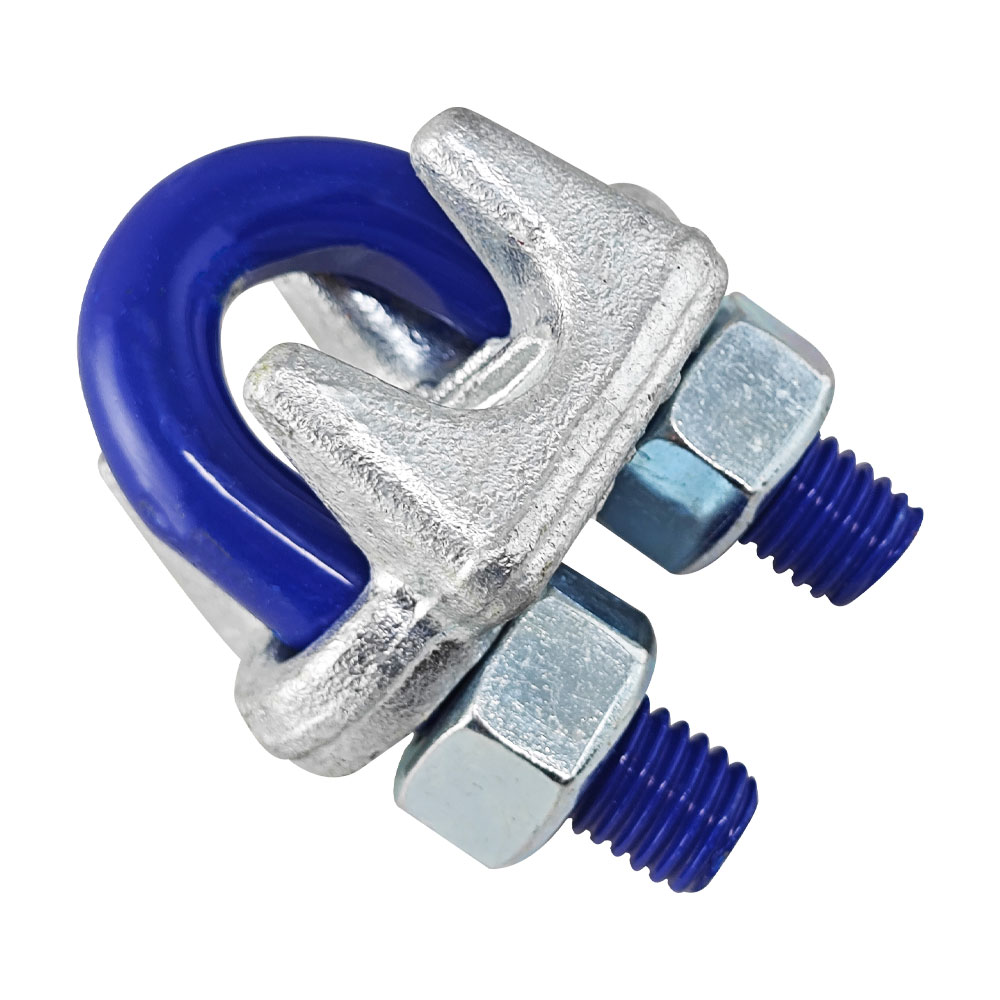
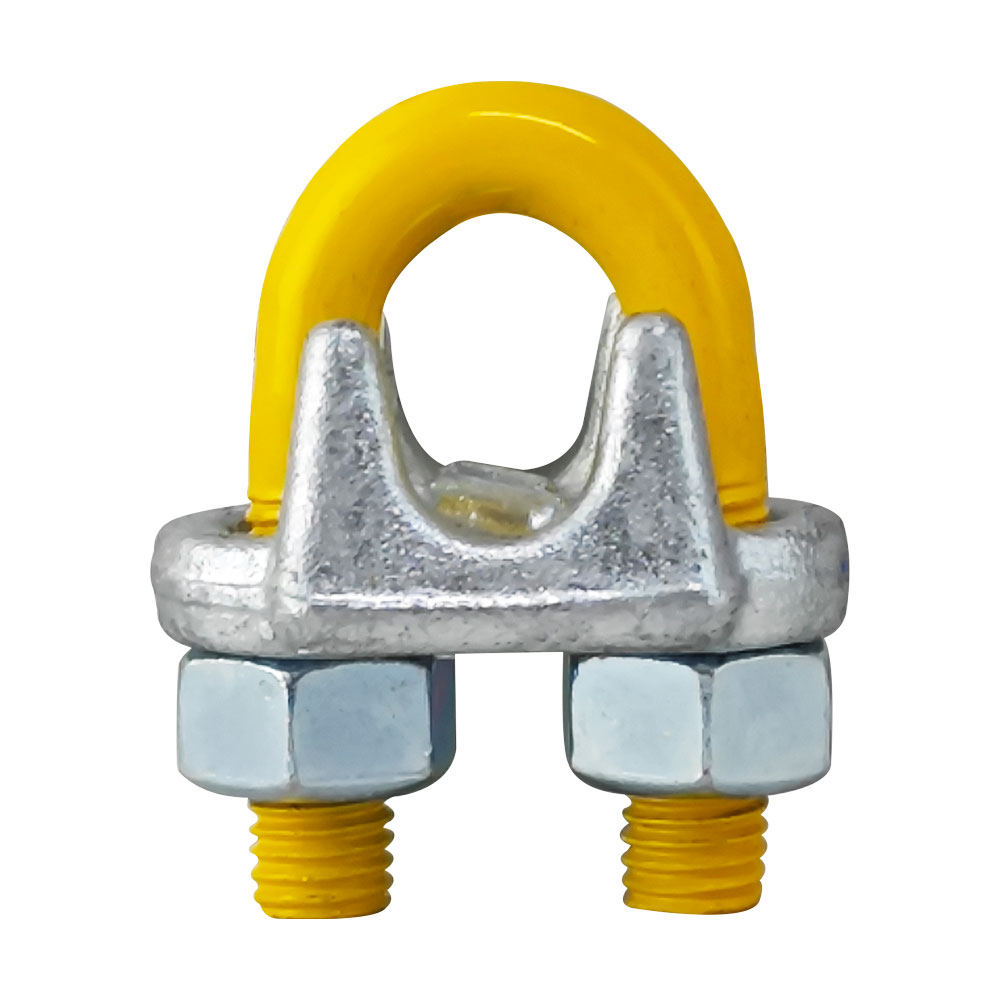
Material: High-quality steel is vital for strength and durability. Ensure that clamps are made from CE and ISO certified materials to guarantee compliance with safety and quality standards.
Load Capacity: The load capacity rating indicates the maximum weight the clamp can safely handle. This specification must align with your project's requirements to prevent failures.
Dimensions: The size of the clamp should correspond to the wire rope diameter. An improper fit can compromise the effectiveness of the clamp.
Design: Some clamps feature a double-bolt design, providing added security and stability. This is particularly beneficial in high-load or dynamic applications.
Surface Treatment: Clamps with protective coatings, such as galvanizing or powder coating, offer enhanced resistance to corrosion and wear, extending their lifespan in challenging environments.
Understanding these specifications will allow you to select clamps that meet your performance needs while ensuring safety and reliability.