 EN
EN
 AR
AR
 BG
BG
 HR
HR
 CS
CS
 DA
DA
 NL
NL
 FI
FI
 FR
FR
 DE
DE
 EL
EL
 HI
HI
 IT
IT
 JA
JA
 KO
KO
 NO
NO
 PL
PL
 PT
PT
 RO
RO
 RU
RU
 ES
ES
 SV
SV
 TL
TL
 IW
IW
 ID
ID
 LT
LT
 SR
SR
 SL
SL
 SQ
SQ
 HU
HU
 TH
TH
 TR
TR
 FA
FA
 AF
AF
 MS
MS
 HY
HY
 AZ
AZ
 BN
BN
 SO
SO
 KK
KK
Short link chains are essential components in various lifting applications, providing the necessary strength and flexibility for secure and efficient operations. As a B2B buyer, understanding the critical factors in selecting a short link chain supplier is vital. This article aims to clarify key considerations, quality evaluation methods, ideal applications, cost factors, and material advantages related to short link chains, helping you make informed purchasing decisions. For more information on the various types of lifting equipment, check out our section on Hoisting & Lifting Equipment.
How to Evaluate the Quality of Short Link Chains
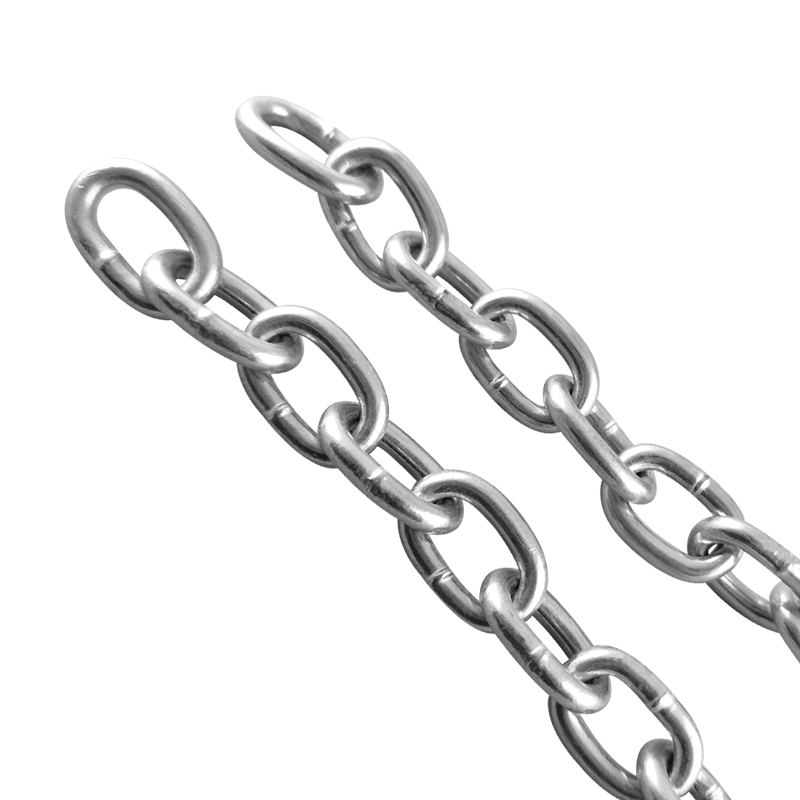
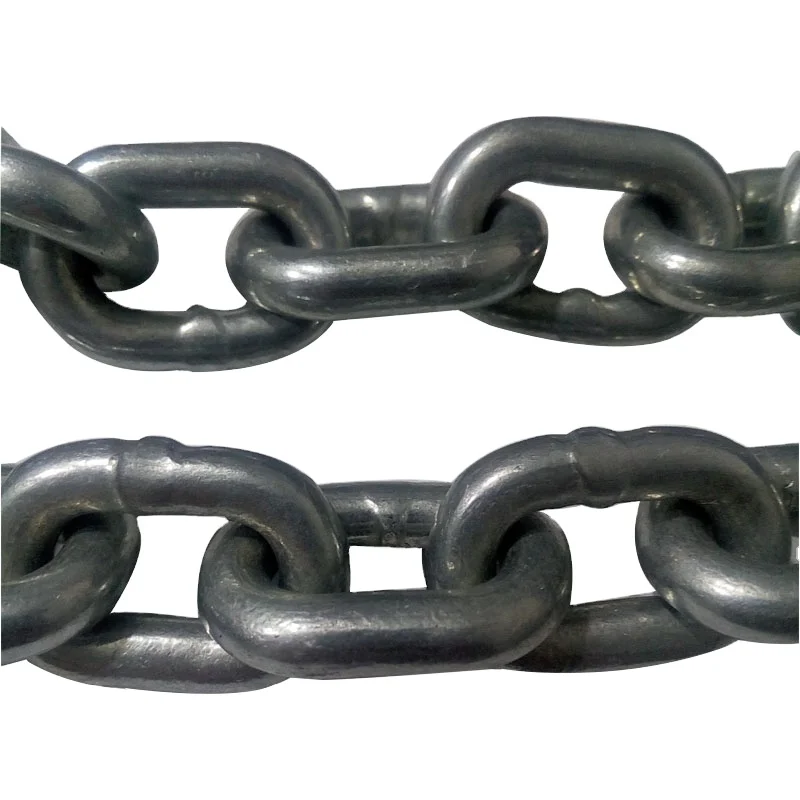
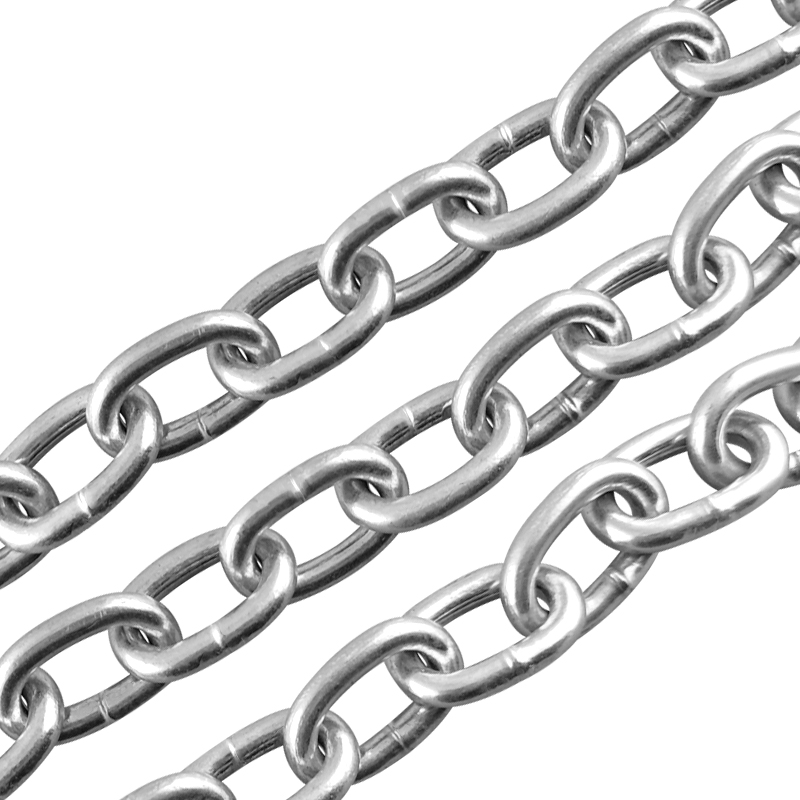
Quality evaluation of short link chains involves examining several specifications and factors. Key parameters include material composition, link dimensions, and load capacity. High-quality chains are typically made from alloy steel or other durable materials that can withstand heavy loads and resist wear and tear.
Inspect the link dimensions carefully. Proper sizing is crucial for compatibility with lifting equipment and for ensuring safety during operation. Links that are too small may not handle the required load, while overly large links can add unnecessary weight and reduce efficiency.
Another important aspect is the surface treatment of the chains. Look for chains that have been properly treated to enhance corrosion resistance, especially if they will be used in harsh environments such as marine or outdoor settings. This treatment can significantly extend the lifespan of the chains, reducing the need for frequent replacements.
Finally, request samples for testing before placing a large order. This allows you to assess the chains under actual operating conditions, confirming their performance and durability.