Key Considerations for Ship Anchors and Chains

All Categories

ship anchor and chain

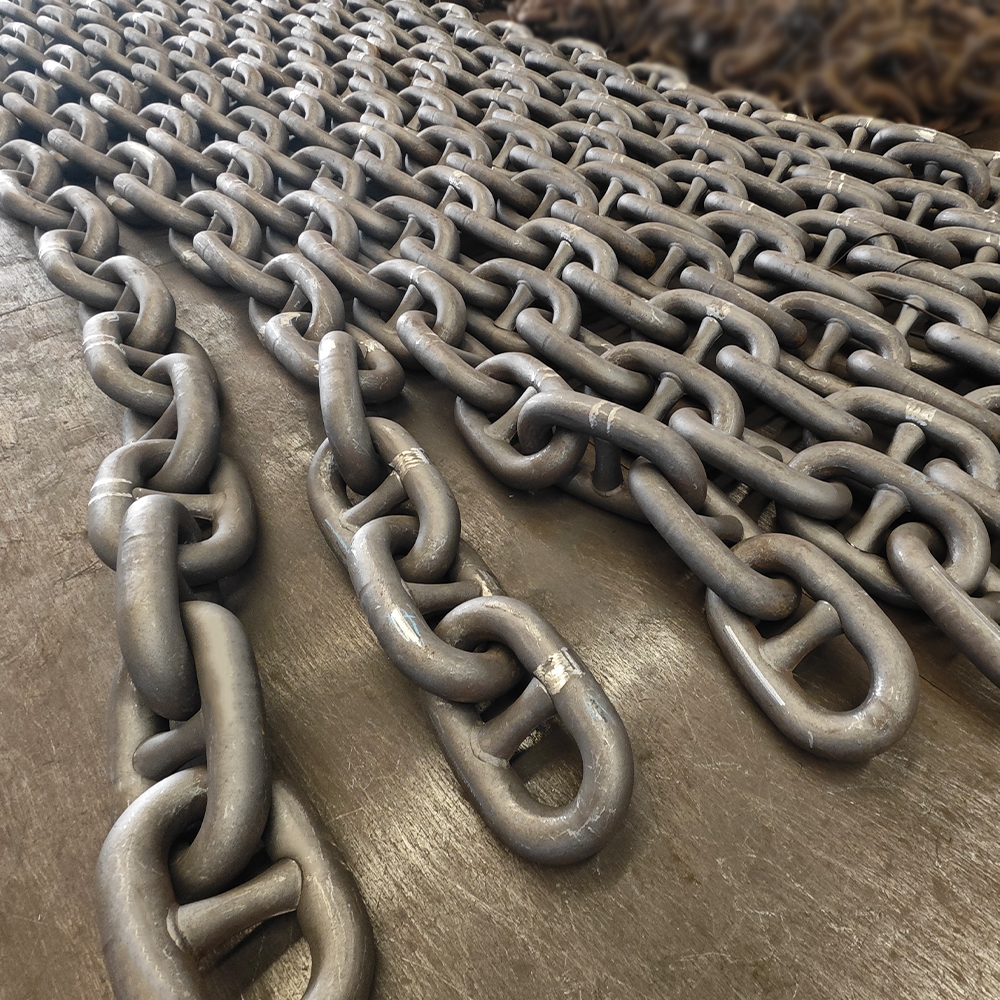
Ship anchors and chains are  essential components in  maritime  operations, providing the necessary security and stability for vessels. When sourcing these products, B2B buyers often prioritize  quality,  reliability, and compliance with industry  standards. This article  will  explore the key  specifications to  consider, the best suppliers  for  bulk  orders, cost factors, common issues  and  solutions, and where  to  find  reliable suppliers for ship  anchors and  chains.
Best Suppliers for Bulk Orders

Best Suppliers for Bulk Orders

Finding the right supplier for bulk orders  of ship anchors and chains is crucial  for maintaining operational efficiency and safety.

Established Manufacturers: Working with manufacturers  like Shandong Lisheng Machinery, which  specialize in  lifting rigging and accessories, can provide  advantages, including access to advanced production equipment and technology.  Their expertise often translates into better quality and consistency. For instance, they offer a range of Hoisting & Lifting Equipment that can greatly enhance operational capabilities.


Supplier Reputation: Research the supplier’s reputation by looking at customer reviews, industry certifications,  and case studies. A reputable  supplier typically has a history of reliable deliveries and satisfied customers.

Customization Options: Suppliers that offer customization can help  meet specific project requirements. Discussing  customization capabilities can lead to  tailored  solutions that  enhance performance and compatibility with existing systems.

Logistics and Shipping: Ensure that the supplier has efficient logistics and shipping capabilities, especially if  you require timely  delivery to meet  project deadlines. A supplier with a strong export market experience can navigate  international shipping challenges effectively.
 
Understanding the Cost Factors of Ship Anchors and Chains

Understanding the Cost Factors of Ship Anchors and Chains

Understanding the cost factors associated with ship anchors and chains can help in budgeting  and procurement decisions.

Material Costs:  The primary  cost driver  is the  material used. High-quality  steel may come at a premium,  but  it often results in longer service life and  reduced maintenance costs.

Manufacturing Process: The complexity of the manufacturing process  also impacts the price. For instance, products that require  extensive machining or finishing  will typically cost more than those that are mass-produced without additional processing.

Order Volume:  Bulk orders often come with discounts, so  calculating your needs accurately can lead to significant savings. Always inquire about minimum order quantities (MOQs) and volume pricing.

Shipping and Handling: Consider the costs associated  with  shipping and handling. These can vary significantly based  on the weight and dimensions of the  anchors and chains,  as well as the delivery location.

Market Fluctuations: Be aware that market fluctuations  in raw materials can affect pricing. Staying informed about industry trends can help you make purchasing decisions that align with budgetary constraints.

Common Problems with Ship Anchors and Chains and Their Solutions

Common Problems with Ship Anchors and Chains and Their Solutions

B2B buyers should be aware of common issues that can arise  with ship anchors and chains, along with potential  solutions to mitigate  these challenges.

Corrosion: One of  the primary issues with anchors and chains is corrosion, especially in saltwater environments. To combat this, consider products  that are galvanized or coated. Regular maintenance and inspections can also help catch early signs of corrosion.

Weight and  Design Mismatch: Using anchors that are too light for a vessel can lead to dragging. Conversely, overly heavy anchors can make retrieval difficult.  To avoid this, ensure that the selected anchor design matches the vessel  type and operational conditions.  Consulting with manufacturers can provide insights into appropriate selections.

Chain Wear and Fatigue: Chains can  experience  wear over time, particularly  at points of frequent movement. Regular inspections should be  conducted to  check for elongation or any signs  of fatigue, and replacement should be  considered if wear exceeds acceptable limits.

Installation Issues: Incorrect installation can lead to poor performance.  Ensure that installation guidelines are followed closely, and  consider having a qualified  technician oversee the  installation process.

Where to Find Reliable Suppliers for Ship Anchors and Chains

Finding reliable suppliers for ship anchors and chains involves thorough research  and evaluation.


Industry Directories: Utilize  industry directories and trade  shows to identify potential suppliers. These platforms  often provide reviews and ratings  that can guide your decision-making process.

Networking: Engaging with industry peers through forums, social media groups, and professional organizations can  help you  gather recommendations for reputable suppliers.

Requesting Samples:  Before committing to a supplier, request samples to  evaluate  the quality of their products. An effective sample should meet all specified requirements and  provide insight into the supplier's manufacturing capabilities.


Follow-up Support: Choose suppliers that offer  strong after-sales support, including technical assistance and warranty services. This  can be crucial for  addressing any issues that arise post-purchase.


In  summary, sourcing ship anchors and  chains requires careful consideration of specifications,  supplier reputation, cost factors, common problems, and reliable sourcing avenues. By taking a strategic approach to procurement, B2B buyers can ensure they select the right products for their maritime operations, ultimately enhancing safety and performance.

Key Specifications to Consider When Sourcing Ship Anchors and Chains

When  selecting ship anchors  and chains, several specifications are  critical to ensuring safety and performance.

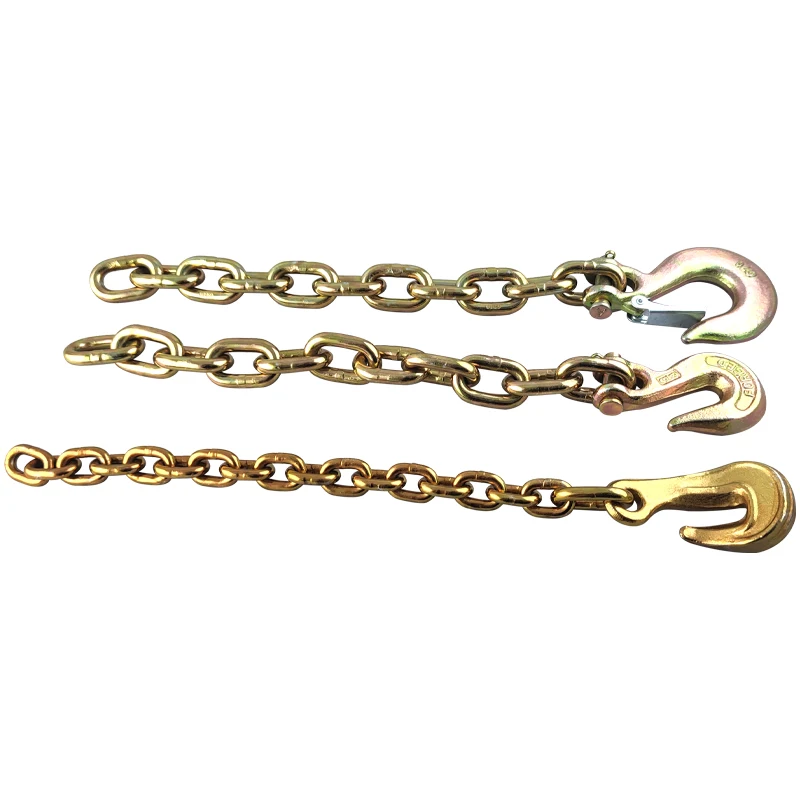
Material Composition: Most anchors and chains are  made  from high-strength steel, often galvanized or coated for corrosion resistance. The choice of material affects the anchor's weight, holding power, and longevity, particularly  in harsh marine  environments. For enhanced performance, consider utilizing Link Chains that are specifically designed for durability.

Load Capacity: Each anchor and chain comes with  a specified load capacity that must align with the vessel's size and intended use. Failure to select a suitable load capacity can lead to anchor dragging or chain failure, risking the safety of the  vessel.


Dimensions: The size and  design of anchors and chains should match the type of vessel and its operational  requirements. For instance, larger vessels require heavier anchors and thicker chains to ensure stability during inclement  weather.

Certification: Look for products that are CE  and ISO certified, as these certifications indicate compliance with international  safety and quality standards. This adds an extra layer of assurance regarding the product's reliability.

Testing and Quality Control: Ensure that the manufacturer employs rigorous quality control processes,  including tensile  strength testing and fatigue testing, to  confirm that products can  withstand  their intended loads and conditions.

Why choose LoadStar ship anchor and chain

Professional service team

When you make an wire rope sling with hook, our skilled service staff can customise products to meet your requirements and, after the completion of production our professional team is available for product quality inspection packaging, delivery and quality inspection to ensure your satisfaction.

We company produced are sold to more than 30 countries

the products of the company are of 2 leg wire rope sling quality with complete specifications models the products are well-loved in more than 30 countries such as china iran pakistan saudi arabia the united arab emirates the united states the united kingdom australia argentina egypt

We own our own factory

A factory is a place 4 leg wire rope sling companies to control and manage the entire process of production. This helps reduce production costs.

We have many years of production experience, products in line with national certification standards

our wire rope sling with hook have passed ce certification covering g30 g43 g70 g80 g100 and meet the standards we are committed to providing high quality products that meet international standards to meet the growing needs of our customers our products are used in engineering construction in various countries and they still maintain their strength and quality after many years of use

Our Blog Posts

Top 5 G70 chain manufacturers in Germany

23

Sep

Top 5 G70 chain manufacturers in Germany

LoadStar are a reputable German manufacturer and supply a high grade batch of G70 chain. Renowned for their strength and durability, our products are the perfect choice for a number of industries in need of strong lifting equipment. With fine workman...
View More
How Can a Swivel Snap Hook Prevent Twisting in Your Rigging Lines?

28

Jul

How Can a Swivel Snap Hook Prevent Twisting in Your Rigging Lines?

Knowing what a swivel snap hook does to keep the strap from tanglingA swivel snap hook is a hardware item that might be found on the end of your rigging lines. It has a 360 rotating design, so that your lines can move without tangling. This can be pa...
View More
This one factor in a Snap Hook's gate can make or break its safety rating

08

Oct

This one factor in a Snap Hook's gate can make or break its safety rating

The most important feature that determines whether it's fish or foul when it comes to safety for any Snap Hook is the shape of its gate. This small point is super-big when it comes to the safety and reliability of Snap Hooks. What makes up the s...
View More
Understanding the safety factor requirements of an Industrial Snap Hook

13

Jan

Understanding the safety factor requirements of an Industrial Snap Hook

In a lot of workplaces there are heavy things that need to be lifted and/or transported in some way. Industrial snap hooks are the tools that make this possible. They hold various pieces of equipment together firmly. Safety factors especially must be...
View More