 EN
EN
 AR
AR
 BG
BG
 HR
HR
 CS
CS
 DA
DA
 NL
NL
 FI
FI
 FR
FR
 DE
DE
 EL
EL
 HI
HI
 IT
IT
 JA
JA
 KO
KO
 NO
NO
 PL
PL
 PT
PT
 RO
RO
 RU
RU
 ES
ES
 SV
SV
 TL
TL
 IW
IW
 ID
ID
 LT
LT
 SR
SR
 SL
SL
 SQ
SQ
 HU
HU
 TH
TH
 TR
TR
 FA
FA
 AF
AF
 MS
MS
 HY
HY
 AZ
AZ
 BN
BN
 SO
SO
 KK
KK
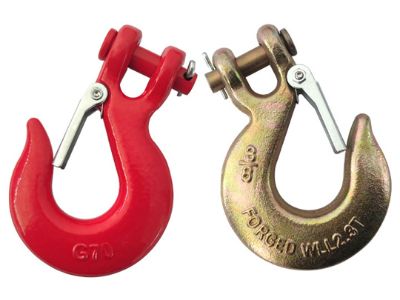
A shackle with hook is a critical component in lifting and rigging applications, widely used in construction, marine engineering, and transportation. For B2B buyers, ensuring the quality and suitability of these products is paramount, as they directly impact safety and operational efficiency. This article will guide purchasing managers and engineers through key considerations when selecting shackles with hooks, helping them make informed decisions.
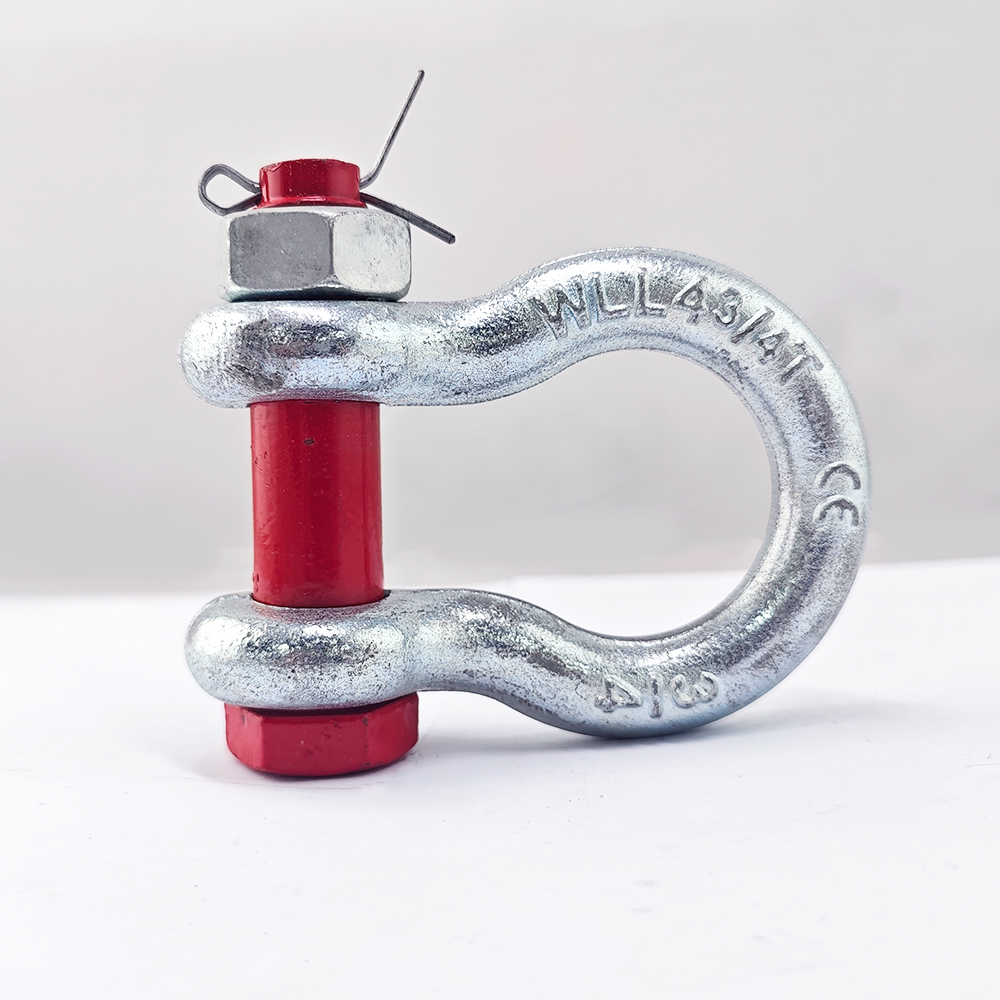
Key Specifications to Consider for Shackles with Hooks
When evaluating shackles with hooks, several specifications are vital for ensuring they meet the demands of your application. Key considerations include:
Load Capacity: This indicates the maximum load the shackle can handle safely. It's crucial to select a shackle with a load capacity that exceeds your expected loads to ensure safety.
Material: Shackles are typically made from steel or alloy materials. The choice of material affects strength, weight, and resistance to environmental factors such as corrosion. For marine applications, stainless steel or galvanized options are preferable due to their resistance to rust.
Dimensions: The size of the shackle, including the pin diameter and overall length, should match your rigging needs. Proper sizing ensures compatibility with other rigging components like chains or ropes.
Finish and Coating: Surface treatments can enhance durability and corrosion resistance. A powder-coated finish, for example, can provide additional protection in harsh environments.
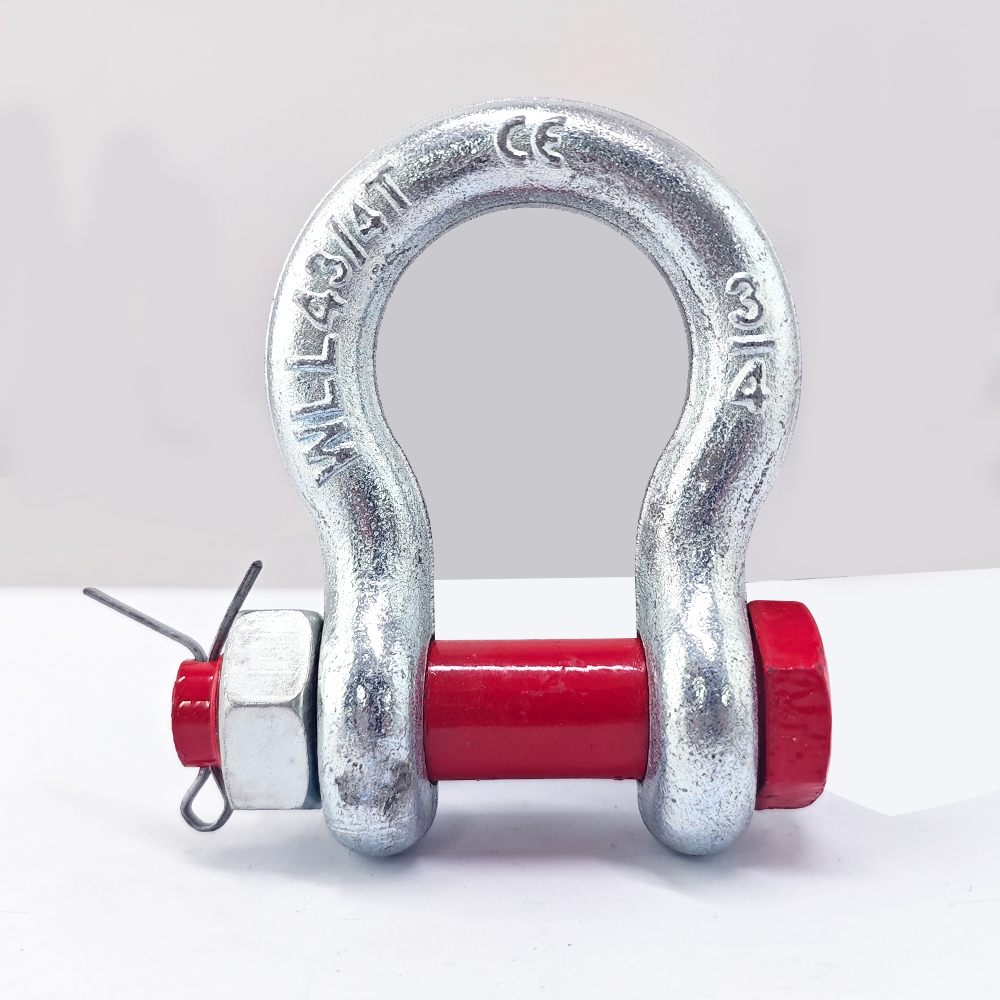
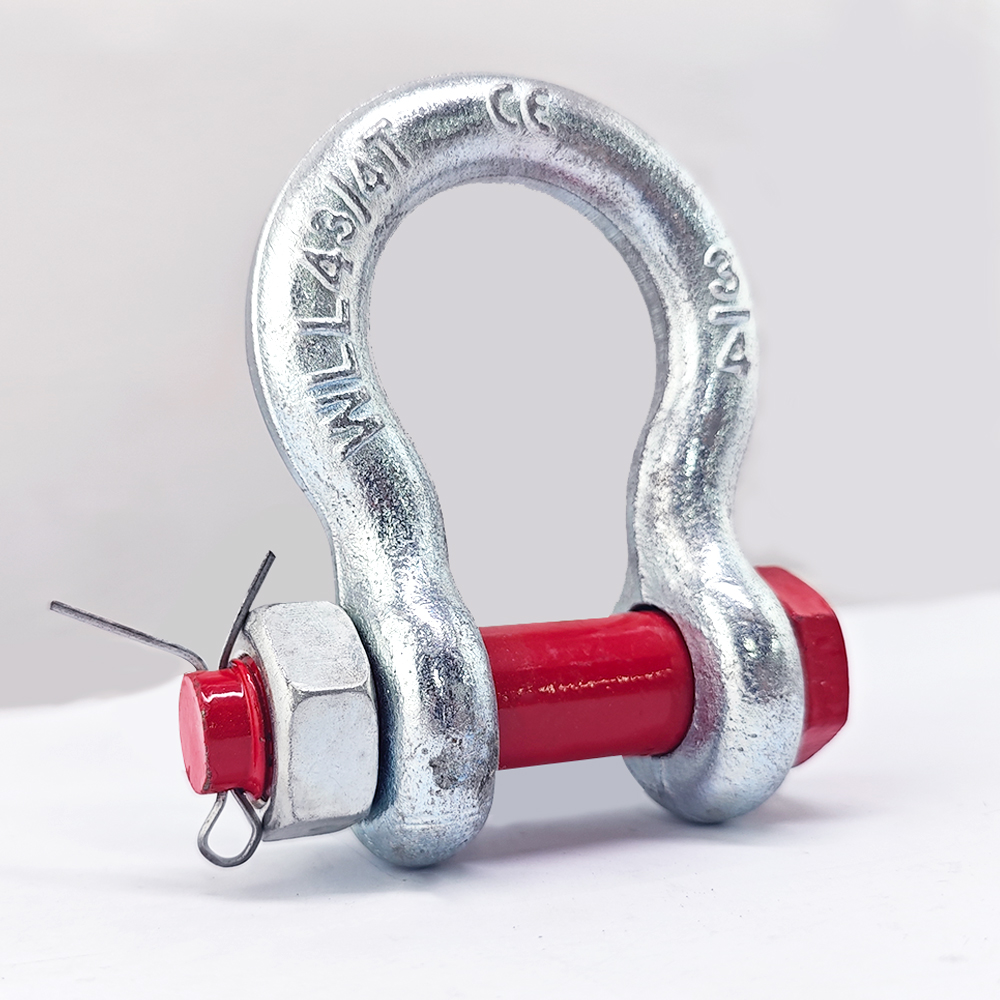
Design Type: Different types of shackles (e.g., D-shackles, bow shackles) serve specific purposes. Understanding the differences will help you choose the right shackle for your application.
Buyers should verify that these specifications align with their operational requirements and industry standards before finalizing any purchase.