Selecting the Right Shackle for Locking Needs

All Categories

Shackle of lock

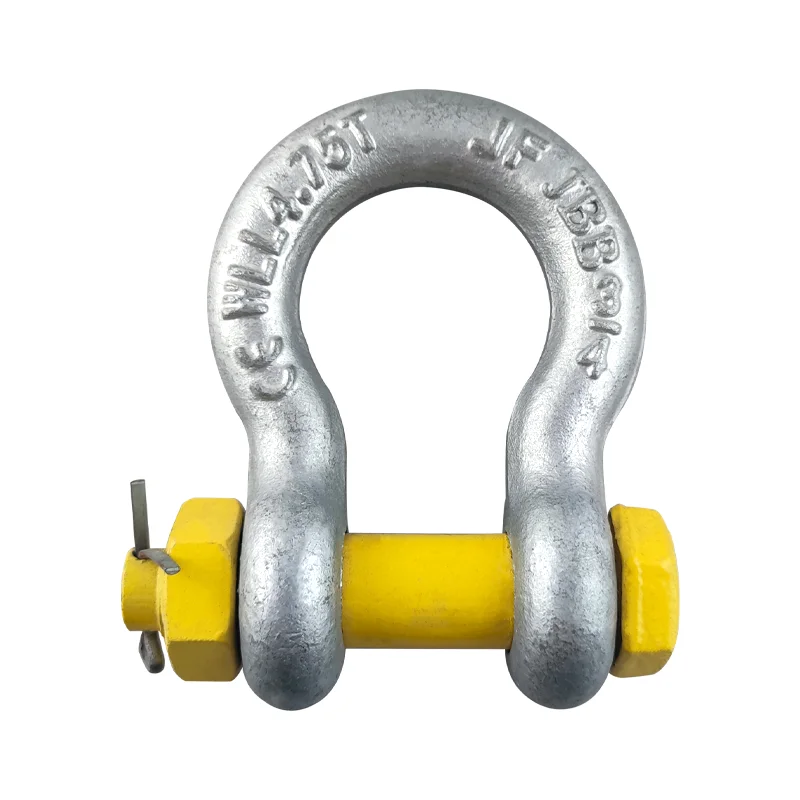
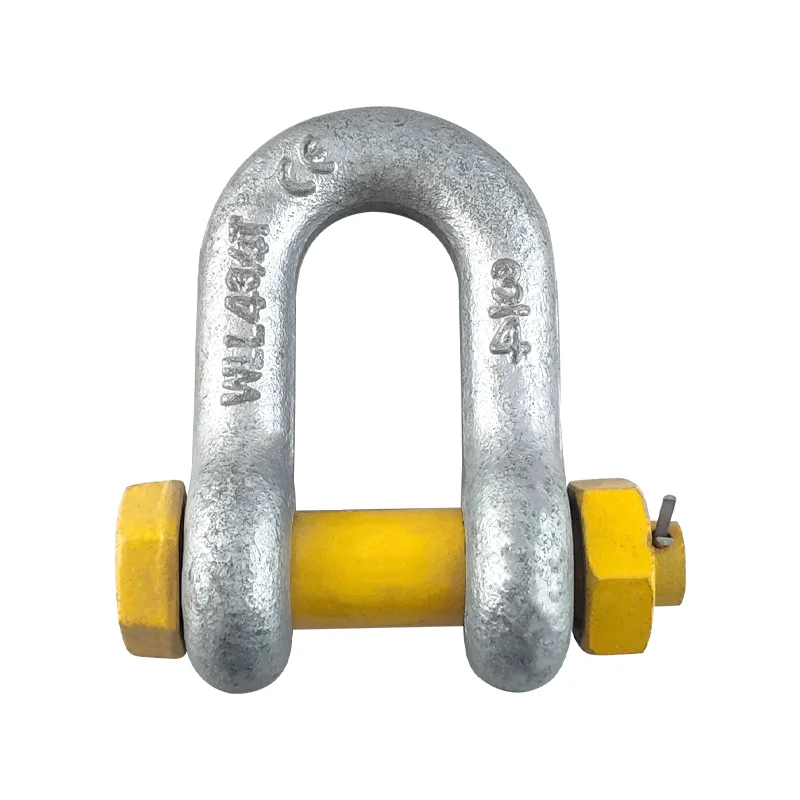
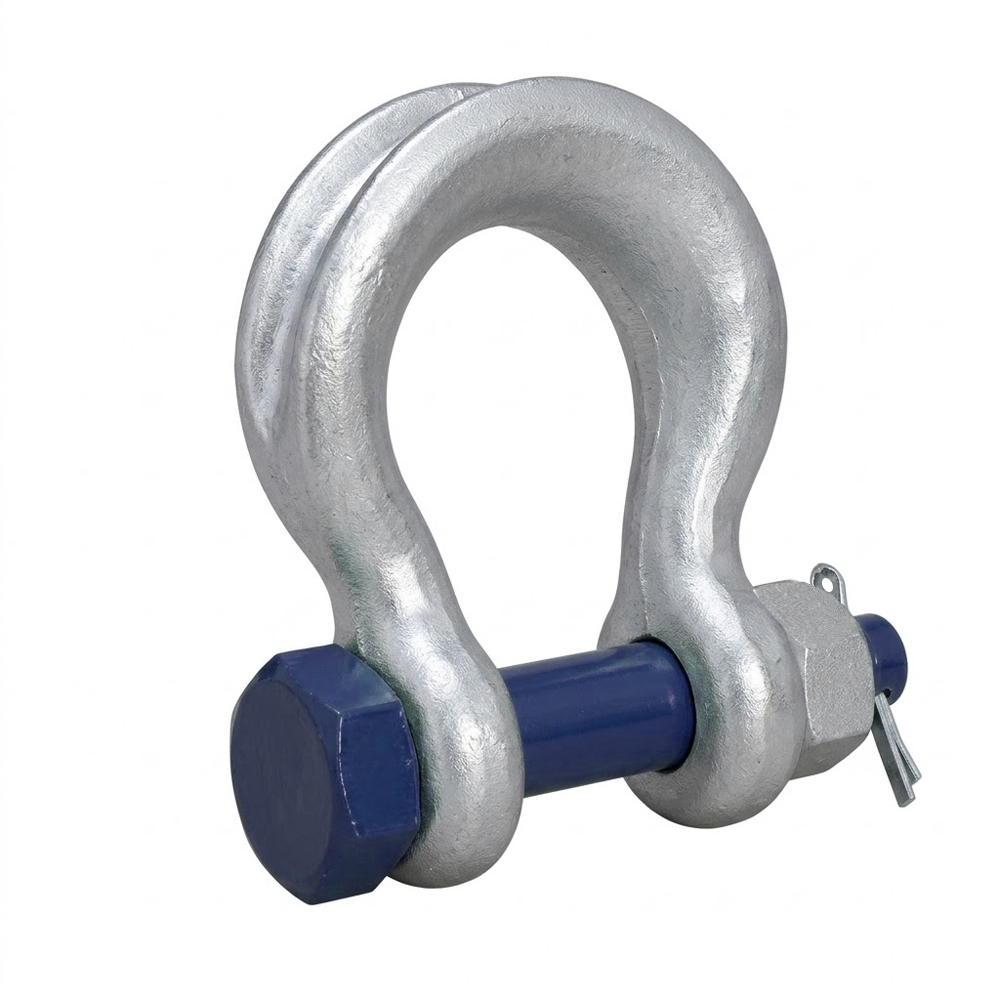
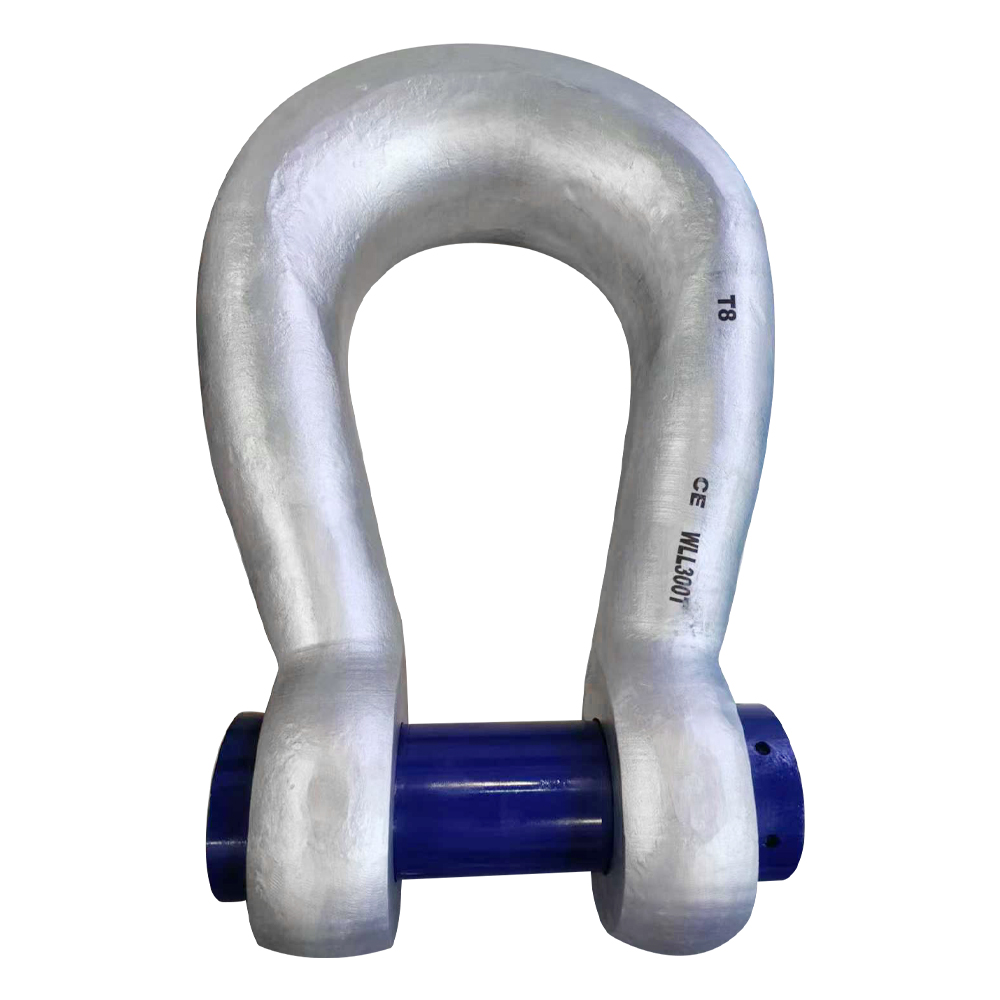
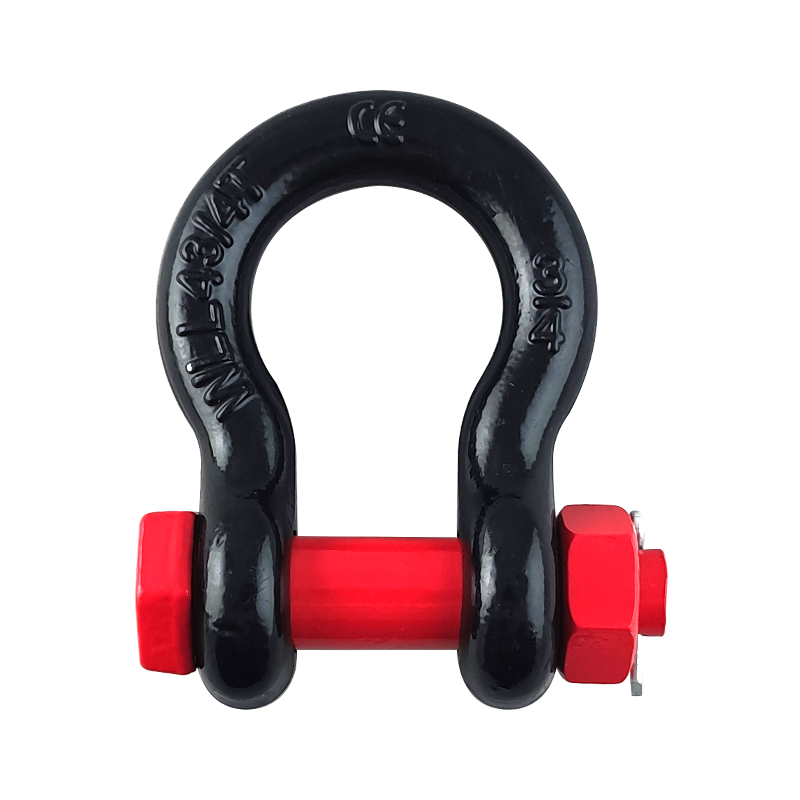
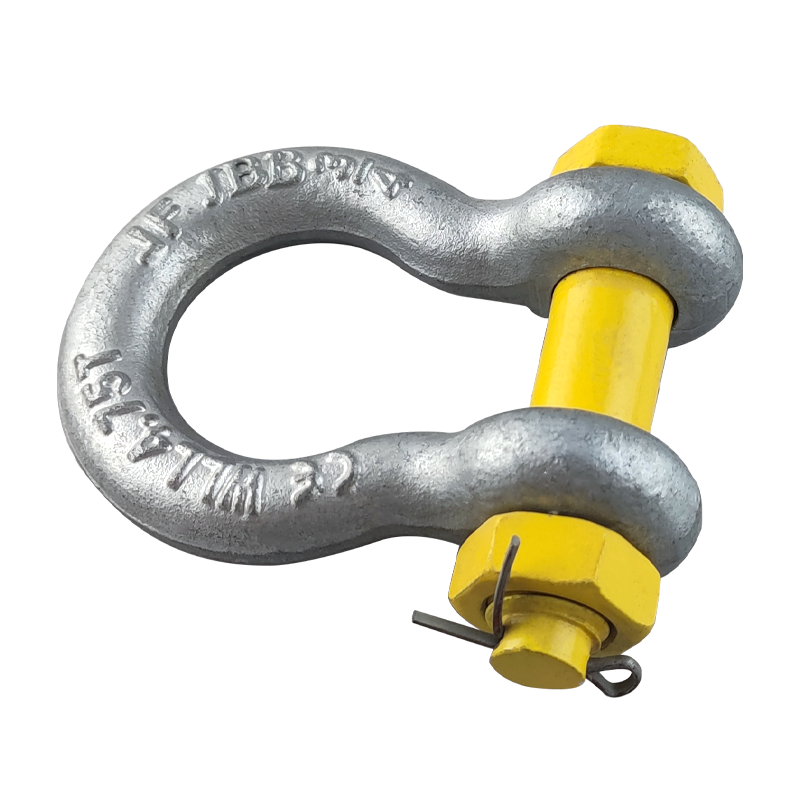
Choosing the right LoadStar shackle of lock is crucial for ensuring safety and efficiency in lifting applications, particularly within construction and marine environments. As a B2B buyer, you may face concerns regarding load capacity, material durability, and the specific requirements of your projects. This article will help you navigate the complexities of selecting and sourcing stainless bow shackle, focusing on the essential specifications and potential challenges you might encounter.
Our Products

Where to Source Reliable Shackles for Construction and Marine Projects

Where to Source Reliable Shackles for Construction and Marine Projects

Sourcing shackles from reputable manufacturers is essential to ensure quality and compliance with necessary safety standards. Begin your search by identifying manufacturers with CE and ISO certifications, as these indicate adherence to international quality and safety standards. Suppliers like Shandong Lisheng Machinery leverage advanced production technology, which can enhance product reliability and performance. 

Furthermore, consider the supplier’s experience in the industry and their track record in delivering products for similar applications. Engaging with suppliers that have a strong reputation in construction and marine sectors can provide you with insights into product performance and customer service quality. Finally, assess the supplier’s ability to provide customized solutions based on your project requirements, which can be crucial for specialized applications. 
Key Specifications to Compare in Lock Shackles for Optimal Performance

Key Specifications to Compare in Lock Shackles for Optimal Performance

When evaluating LoadStar lock shackles, focus on several specifications to ensure optimal performance. Key factors include: 

Material Type: Verify whether the kenter shackles are made of carbon steel, stainless steel, or another alloy, as this affects strength and corrosion resistance. 

Working Load Limit (WLL): This is critical for safety; ensure it exceeds your maximum load requirements. 

Dimensions: Measure the diameter of the pin and the overall shackle of lock length to confirm compatibility with your rigging system. 

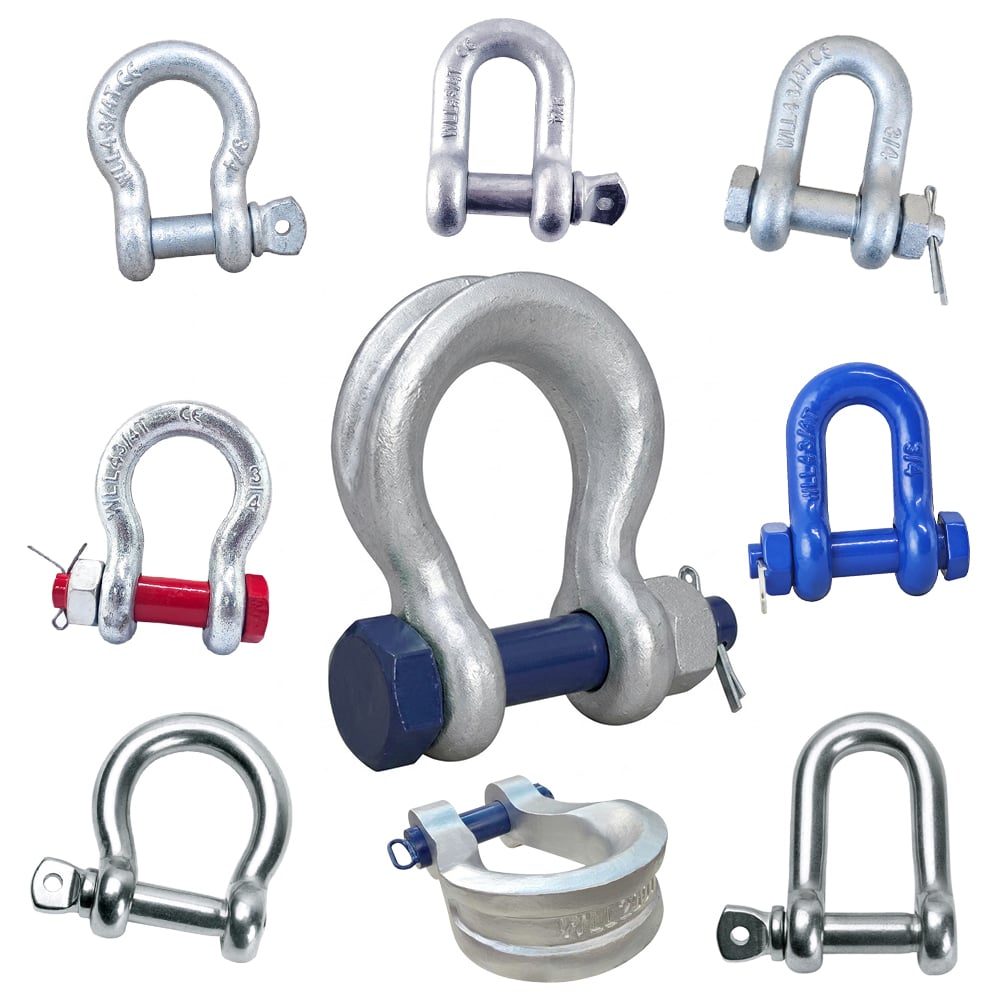
Finish: A protective coating can enhance corrosion resistance. Options include galvanization or powder coating, which are particularly beneficial in harsh environments. 

Certification: Look for products that come with a test certificate, verifying that they meet relevant safety standards. 

By comparing these specifications, you can make informed decisions that enhance both safety and efficiency in your operations.

Cost Factors to Assess When Purchasing Lock Shackles Wholesale

Cost Factors to Assess When Purchasing Lock Shackles Wholesale

Understanding the cost factors associated with purchasing lock shackles in bulk is essential for effective budgeting. The price of shackles can vary significantly based on material, specifications, and manufacturing processes. For instance, stainless steel shackles typically command a higher price due to their superior corrosion resistance. 

Additionally, consider the volume of your order. Many manufacturers, such as Shandong Lisheng Machinery, offer competitive pricing for larger orders, which may also include discounts or cost savings on shipping. It’s important to request quotes from multiple suppliers to compare not just the unit price, but also any potential hidden costs such as shipping, handling, and import duties. 

Lastly, factor in the long-term value of the shackle of lock. Investing in high-quality, durable shackle of lock may result in lower maintenance and replacement costs over time, making it a more economical choice in the long run.

Common Problems with Lock Shackles and Effective Solutions

LoadStar Lock shackles can present various challenges that may affect their performance and safety. Common issues include: 

Corrosion: Exposure to harsh environments can lead to rust and reduce the shackle's strength. To combat this, choose shackles made from corrosion-resistant materials, such as stainless steel, and ensure proper storage when not in use. 

Misalignment: If a shackle is not properly aligned with other rigging components, it can lead to uneven load distribution and potential failure. Always check alignment before use, and consider using shackle of lock with suitable design features to enhance compatibility. 

Wear and Tear: Regular use can lead to wear on the pin and the body of the shackle of lock. Implement a routine inspection process to identify signs of fatigue or damage, replacing shackles that show significant wear. 

Improper Sizing: Using a shackle of lock that is too small or too large can result in safety hazards. Always verify dimensions against your operational requirements and ensure a proper fit within your rigging setup. 

By addressing these common problems proactively, you can enhance the reliability and safety of your lifting operations.

What to Consider When Choosing a Shackle for Your Locking Needs

When selecting a shackle of lock, several key factors must be considered to ensure you meet your operational requirements. First, assess the load capacity. Shackles are rated according to their working load limit (WLL), which should align with the maximum load you anticipate during use. Next, consider the material; shackle of lock are commonly made from steel or alloy, each offering different strength and corrosion resistance levels. For example, stainless steel is preferred in marine applications due to its resistance to rust and saltwater. 

Another vital aspect is the shackle of lock design, which can affect its compatibility with other rigging components. A screw pin shackle is generally easier to operate and can be secured more reliably, while a bolt-type shackle offers higher security but may require tools for opening. Additionally, ensure that the stainless steel shackles dimensions fit your existing equipment, as improper sizing can lead to operational inefficiencies or safety hazards.

Frequently Asked Questions

What is a shackle of lock used for?

A shackle of lock is a secure connector used in lifting, rigging, and load-securing applications to join chains, wire ropes, or slings and prevent accidental release.
Our shackle of lock is manufactured from high-grade alloy steel with corrosion-resistant finishes to ensure strength and durability in harsh environments.
Yes. Our products are CE and ISO certified and produced under strict quality control to meet industry safety standards for lifting and rigging.
Shackle load capacities vary by model; we offer multiple rated working load limits. Contact us with application details to recommend the correct capacity.
Regularly inspect for wear, deformation, cracks, and corrosion. Lubricate pins, ensure proper assembly, and replace any damaged parts before use to maintain safety and performance.

Why choose LoadStar Shackle of lock

We own our own factory

The ownership of a factory allows businesses to oversee and control the entire process of hot dipped galvanized chain. This helps reduce production costs.

We company produced are sold to more than 30 countries

the products of the company are of high-quality are fully-specified designs they have a good reputation across more than Galvanized chain including china iran pakistan saudi arabia the united arab emirates

Professional service team

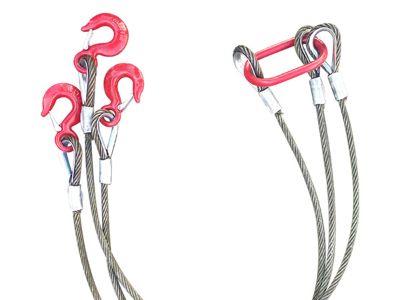
When you make an wire rope sling with hook, our skilled service staff can customise products to meet your requirements and, after the completion of production our professional team is available for product quality inspection packaging, delivery and quality inspection to ensure your satisfaction.

We have many years of production experience, products in line with national certification standards

our products have passed ce certification covering g30 Galvanized chain g70 g80 g100 and meet the standards we are committed to providing high quality products that meet international standards to meet the growing needs of our customers our products are used in engineering construction in various countries and they still maintain their strength and quality after many years of use

Our Blog Posts

What Are the Common Mistakes to Avoid When Using Snap Hooks?

03

Apr

What Are the Common Mistakes to Avoid When Using Snap Hooks?

Hello, friends. Today, we are going to discuss some really important stuff: snap hooks. Snap hooks are small devices used to provide security, but users sometimes make mistakes with them. Let’s go through these top 5 mistakes so we can stay safe whil...
View More
Why Is It Important to Regularly Inspect Eye Bolt & Nut?

08

Apr

Why Is It Important to Regularly Inspect Eye Bolt & Nut?

The eye bolt and nut– you see these on your equipment and probably don’t give them much thought. These parts are tiny, but they're critical for ensuring safety. This is why you should check these parts regularly to ensure that they run smoothly.Regul...
View More
What Are the Most Common Causes of Wire Rope Failure in the Field?

24

Jul

What Are the Most Common Causes of Wire Rope Failure in the Field?

Wire Rope: We Don’t Always Think About It But It Is So Critical Wire rope is one of those things you don’t even realize how much you truly depend upon it. It is sturdy and able to carry heavy stuff. But wire rope can sometimes break, and this breaks ...
View More
How To Select The Wire Rope Thimble According To The Size Of The Steel Wire Rope

26

Sep

How To Select The Wire Rope Thimble According To The Size Of The Steel Wire Rope

When you are using wire ropes with your rigging applications, you need to make sure that you are using the right size wire rope thimble every time. Wire rope thimble is a small but very necessary item to protect the steel wire rope. It also maintains...
View More

Related product categories