Choosing the Right Shackle Dee for Your Projects

All Categories

shackle dee

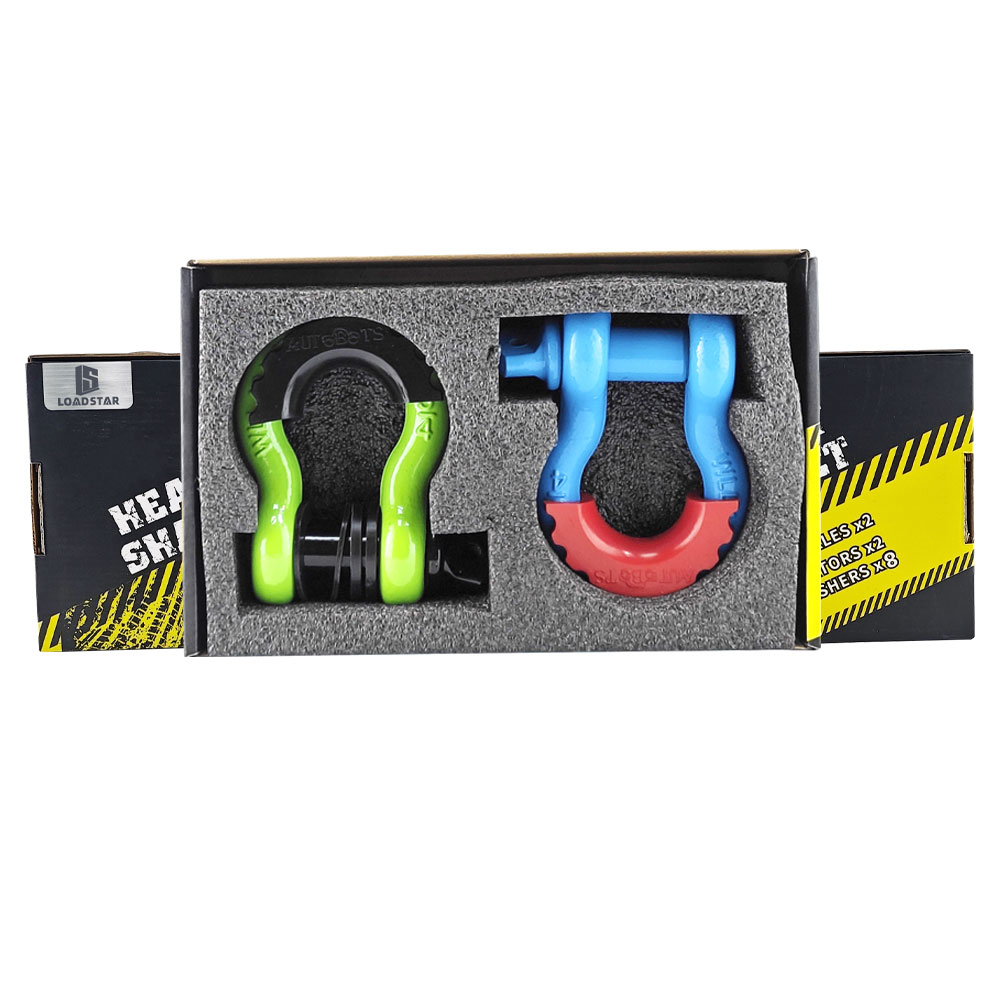
Selecting  the right  lifting accessories, such  as shackle dees, is critical for  ensuring safety  and efficiency in various applications, including construction and  marine engineering. Shackle dees  are  essential components used  to connect rigging  and lifting equipment,  and choosing the right type  requires an understanding of specifications,  materials, and intended use. This article aims to provide  comprehensive insights  into shackle dees, addressing key considerations  for B2B  buyers, purchasing managers, and contractors to help  them  make informed decisions. For those looking for reliable products, consider exploring our Rigging Hardware options.
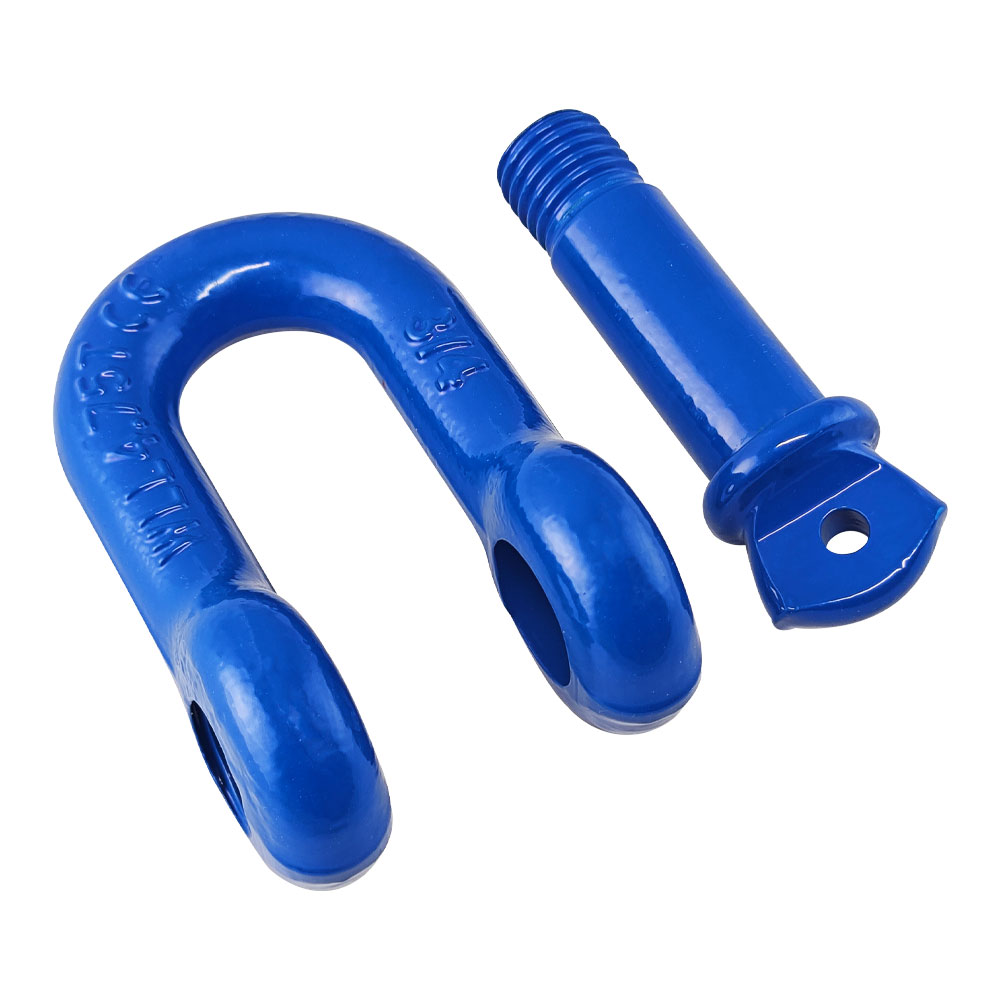
 
How to Evaluate the Quality of Shackle Dee Products for Bulk Orders

How to Evaluate the Quality of Shackle Dee Products for Bulk Orders

Evaluating the quality of  shackle dees, especially when ordering in bulk, involves several steps. First, request detailed product specifications from the supplier. This should include information  on  material quality, load ratings, and dimensions.  A reliable  manufacturer will provide certificates  of compliance  and test  results demonstrating the product's performance under specified conditions.

Next, inquire about  the manufacturer’s quality control processes. Understanding the inspection methods used  during production  can give you  confidence in the reliability of the  product. For instance, look for manufacturers who utilize advanced production equipment and  technology, as these are indicative of higher manufacturing standards.

It’s also wise  to request samples before  placing a large order. This  allows you to  inspect the product firsthand and verify that it meets your  quality expectations. Pay attention to the finish and any potential defects, as these can affect the product's  performance. Lastly, consider the manufacturer's reputation and customer feedback. A well-established brand with positive reviews is often a safer choice for bulk purchases.
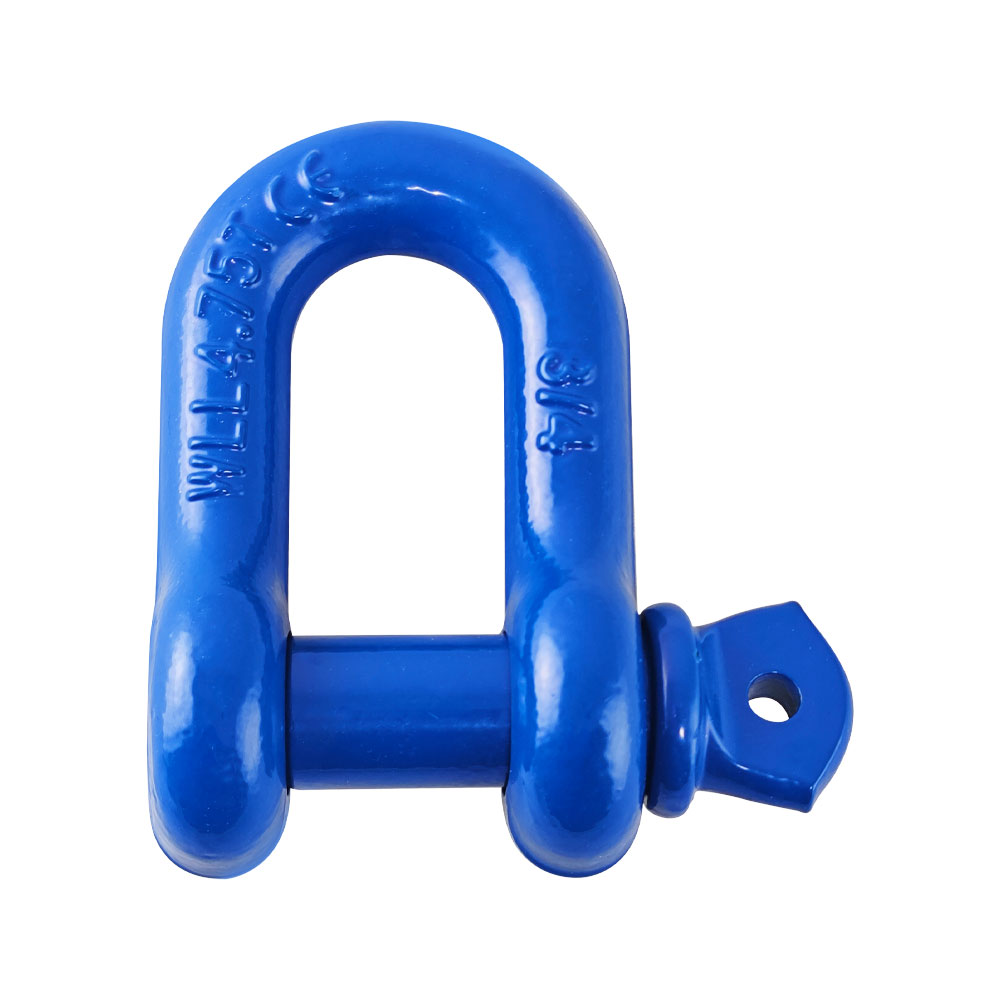
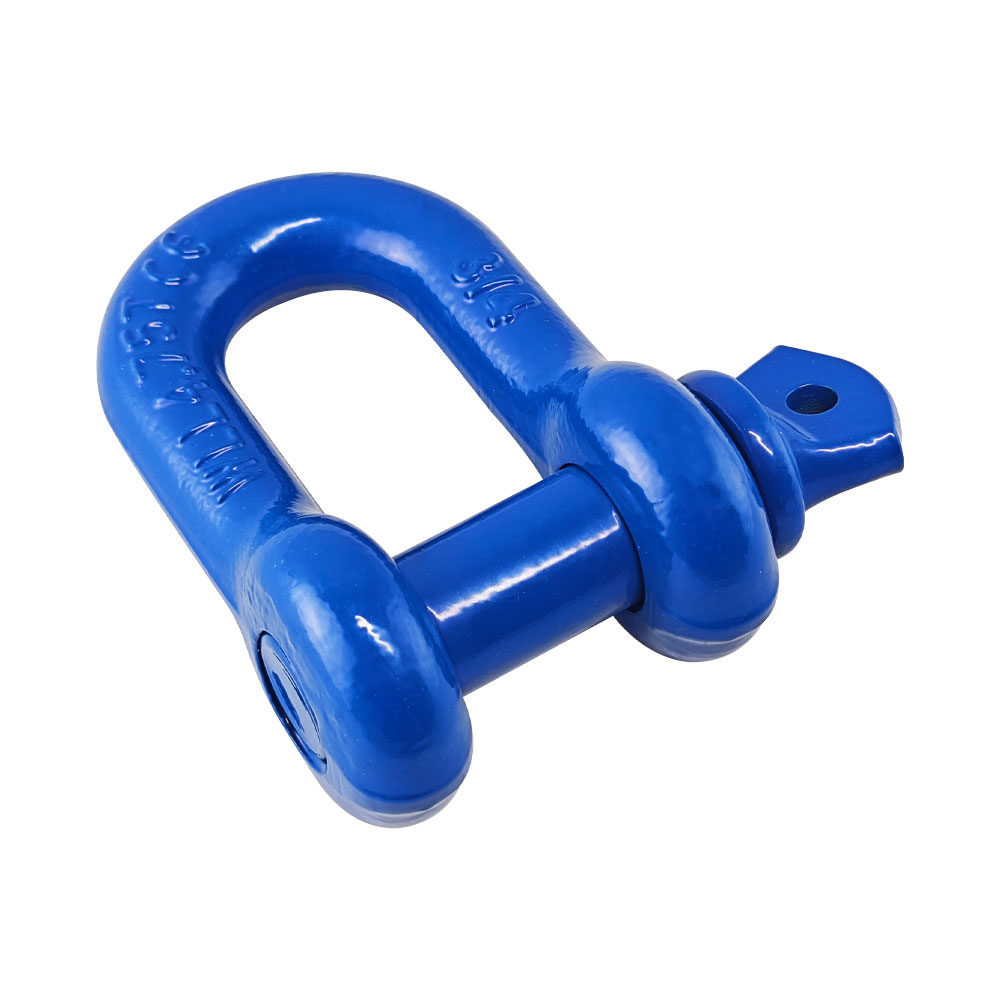
 
Common Problems with Shackle Dee and Effective Solutions for Contractors

Common Problems with Shackle Dee and Effective Solutions for Contractors

Contractors  may encounter several common problems with shackle dees, including improper  sizing,  corrosion, and failure during operation. One significant issue is selecting a shackle dee that does  not match the load requirements of the application. This can lead to  catastrophic  failures, so it is essential to verify load ratings against the expected weights before installation.

Corrosion is  another frequent concern, particularly  in marine  environments. To mitigate  this, selecting shackle  dees made  from corrosion-resistant materials, such as  stainless steel, is  advisable. Additionally, regular maintenance and inspections can help identify early signs of wear or corrosion, allowing for  timely replacements.

If problems arise during operation, it’s critical to have contingency measures in place. For instance,  implementing a routine inspection schedule can  catch issues before they escalate. Training  workers on proper usage and handling of shackle dees can also reduce the  likelihood of errors that lead to damage. 

 
Cost Factors to Consider When Purchasing Shackle Dee in Bulk

Cost Factors to Consider When Purchasing Shackle Dee in Bulk

When purchasing  shackle dees in bulk, several cost factors come into play. The unit price is  the most  obvious consideration;  however, it is important to look  beyond this figure to understand the  total cost of  ownership. Factors such as shipping costs, customs duties, and  any additional fees for inspections or certifications can significantly affect the  overall expenditure.

Volume discounts are also commonly available when ordering in bulk, so it’s beneficial to discuss pricing  tiers with your supplier. Additionally, consider the long-term costs  associated with the quality of the shackle dees. Investing in higher-quality products may result in  lower replacement rates  and maintenance costs over  time.

Lead times can impact project timelines, so  factor this into your purchasing decision. A supplier with  a shorter lead time can help you avoid project delays, even if their unit prices are slightly higher. Lastly, don’t overlook the importance of warranty and return policies. A manufacturer that offers a solid warranty can  provide peace of  mind, as it  protects your investment against potential defects or  failures.


Applications of Shackle Dee in Construction and Marine Engineering

Shackle dees are versatile  components widely used in both construction and  marine engineering. In construction, they  are essential for lifting  heavy loads, connecting various  rigging equipment, and securing loads during transport. Their ability  to handle significant weight makes them invaluable for cranes, hoists, and other lifting machinery.

In marine  engineering, shackle dees play  a crucial role in anchoring, towing, and securing cargo. The corrosive nature  of seawater  necessitates the use of  high-quality, corrosion-resistant materials to ensure reliability and safety during operations.

Additionally, shackle dees are used in rigging applications for offshore platforms, where  they  connect cables and chains used in lifting  and hoisting operations. Their design must accommodate the harsh marine  environment, requiring  careful selection based on  the specific operational conditions.

Understanding these applications can help B2B buyers choose the right type of shackle dee  for  their needs, ensuring that they meet performance requirements while maintaining safety standards. Working with a trusted manufacturer like Shandong Lisheng Machinery can provide access to a range of specialized  shackle dees tailored for various applications, including our Lifting Webbing Slings & Tie Downs.

What to Consider When Choosing Shackle Dee for Your Projects

When selecting shackle dees, several factors should  be taken into account to  ensure they meet  the specific needs of your project. First, the load capacity is paramount; shackle dees come in various sizes and weight ratings, and it is essential to  choose one  that can handle  the maximum load expected  in  your application.

Additionally, the material of the shackle dee plays a  crucial role in its durability and  performance. Common materials include carbon steel, stainless steel, and alloy steel, each offering different resistance to corrosion and wear. For marine applications, stainless steel is often preferred due to its superior corrosion  resistance. If you're interested in marine-grade options, check out our Marine & Anchor Equipment.

Another consideration  is the design of the shackle dee. Different designs, such as screw pin, bolt-type, or safety pin, offer varying levels  of  security and  ease of use. Depending on  the application, you may require a specific design that allows for quick connection and disconnection while maintaining a secure hold.

Lastly, it’s important to look for certifications such as CE and  ISO,  which indicate that the product meets  industry standards for safety and performance. Working with a reputable manufacturer like Shandong Lisheng Machinery ensures  that you are sourcing high-quality shackle dees.


Why choose LoadStar shackle dee

We own our own factory

A Chain link galvanized owned by the owner ensures that every link between raw materials and the finalization of the product can be controlled. Owned factories allow companies to directly oversee and control the manufacturing process, thereby cutting production costs in a more efficient manner.

Professional service team

After the product is produced by 5 16 galvanized chain professional, they will test the product for quality, then package it and deliver it to you.

We company produced are sold to more than 30 countries

the 5 16 galvanized chain of the company are top-quality with complete specifications models they are sold in over 30 countries including china iran pakistan saudi arabia the united arab emirates

We have many years of production experience, products in line with national certification standards

our wire rope sling with hook have passed ce certification covering g30 g43 g70 g80 g100 and meet the standards we are committed to providing high quality products that meet international standards to meet the growing needs of our customers our products are used in engineering construction in various countries and they still maintain their strength and quality after many years of use

Our Blog Posts

How Do Aluminium Ferrules Enhance the Durability of Lifting Gear?

06

Apr

How Do Aluminium Ferrules Enhance the Durability of Lifting Gear?

Aluminium ferrules are less prominent components by which lifting gear can be made stronger and safer to use. So, let us find out how these ferrules ensure that when lifting heavy objects, everything stays in good condition.The Importance of Aluminiu...
View More
The secret to a secure termination starts with the right Wire Rope Thimble

07

Oct

The secret to a secure termination starts with the right Wire Rope Thimble

Find the Best Cable Thimble for A Secure TerminationIn the business of industrial production, safety and efficiency are paramount. That’s why finding the right tools, like a wire rope thimble, can mean all the difference when it comes to getting secu...
View More
The Difference Between aluminium alloy and Carbon steel Snap Hook

26

Nov

The Difference Between aluminium alloy and Carbon steel Snap Hook

Snap hooks are integral elements for different sectors which help to join ropes, chains or straps quickly. If you buy snap hooks in quantity, the material could make a huge difference. LoadStar provides snap hooks in aluminium alloy and carbon steel....
View More
Comparing alloy steel versus carbon steel in a Lifting shackle

28

Apr

Comparing alloy steel versus carbon steel in a Lifting shackle

The main concentration of LoadStar is to make robust and dependable lifting shackles. They are important because it ensures heavy load carrying, safely. With comparison of alloy steel and carbon steel in these types of shackles the selection can be v...
View More