 EN
EN
 AR
AR
 BG
BG
 HR
HR
 CS
CS
 DA
DA
 NL
NL
 FI
FI
 FR
FR
 DE
DE
 EL
EL
 HI
HI
 IT
IT
 JA
JA
 KO
KO
 NO
NO
 PL
PL
 PT
PT
 RO
RO
 RU
RU
 ES
ES
 SV
SV
 TL
TL
 IW
IW
 ID
ID
 LT
LT
 SR
SR
 SL
SL
 SQ
SQ
 HU
HU
 TH
TH
 TR
TR
 FA
FA
 AF
AF
 MS
MS
 HY
HY
 AZ
AZ
 BN
BN
 SO
SO
 KK
KK
Choosing the right rigging hook for your project is crucial for ensuring safety and efficiency during lifting operations. Rigging hooks, essential components in lifting and rigging applications, come in various types and specifications tailored for specific uses. B2B buyers, such as purchasing managers and engineers, often face concerns regarding load capacity, material quality, and compliance with safety standards. This article aims to provide practical insights into selecting the right rigging hook, understanding buyer considerations, sourcing options, safe usage, and common issues to watch out for.
What Buyers Must Know
When purchasing rigging hooks, buyers should be aware of several critical considerations:
Specifications: Always verify the specifications of the rigging hook, including dimensions, weight ratings, and material properties. Ensure that these align with your project requirements.
Sample Approval: Before placing a bulk order, request samples to test under actual operating conditions. This will allow you to assess the hook's performance, compatibility with other rigging components, and overall quality.
Packaging and Shipping: Understand how the hooks will be packaged and shipped. Proper packaging is essential to avoid damage during transit. Discuss with the supplier about shipping methods and lead times to ensure timely delivery.
Minimum Order Quantity (MOQ): Inquire about the supplier's minimum order requirements. This helps in budgeting and planning your procurement strategy, especially if you are sourcing for large projects.
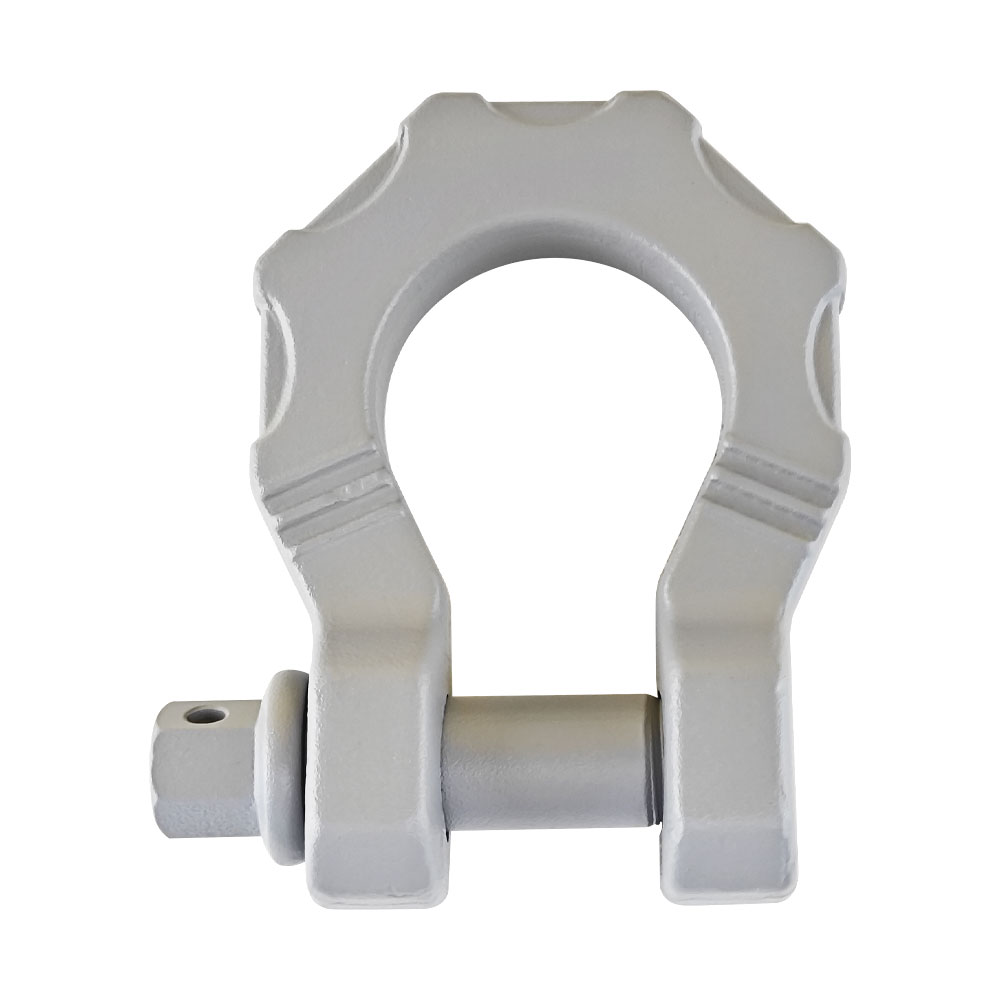
Supplier Evaluation: Assess potential suppliers based on their manufacturing capabilities, product quality, and customer service. Look for manufacturers with a strong reputation and experience in the rigging industry, such as Shackles:G209/G210/G2130/G2150/G2160/European, known for its high-quality lifting rigging and accessories.