Choosing the Right Ratchet Tie Straps for Your Needs

All Categories

ratchet ties straps

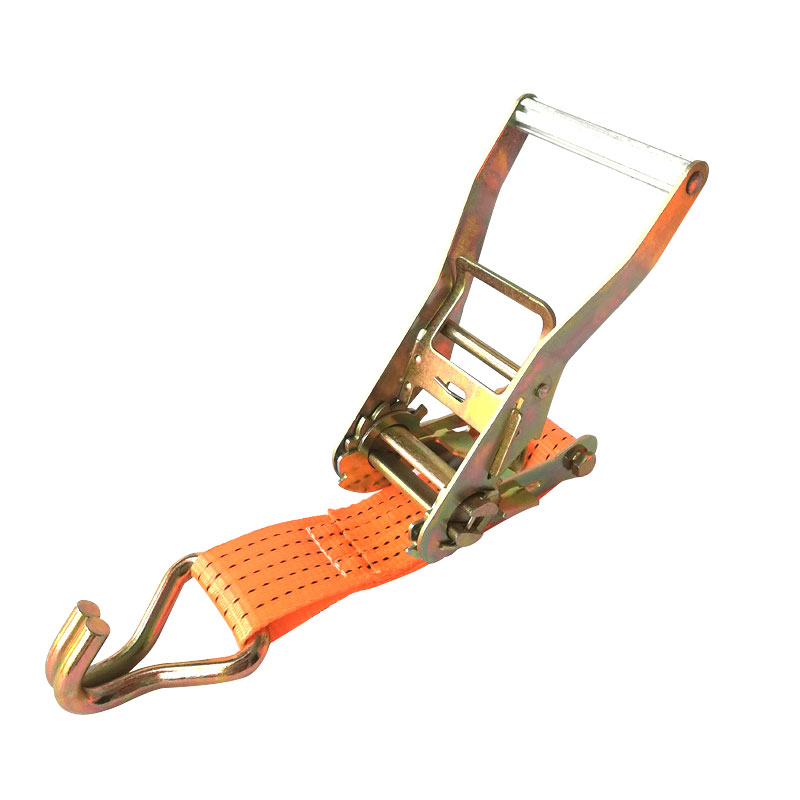
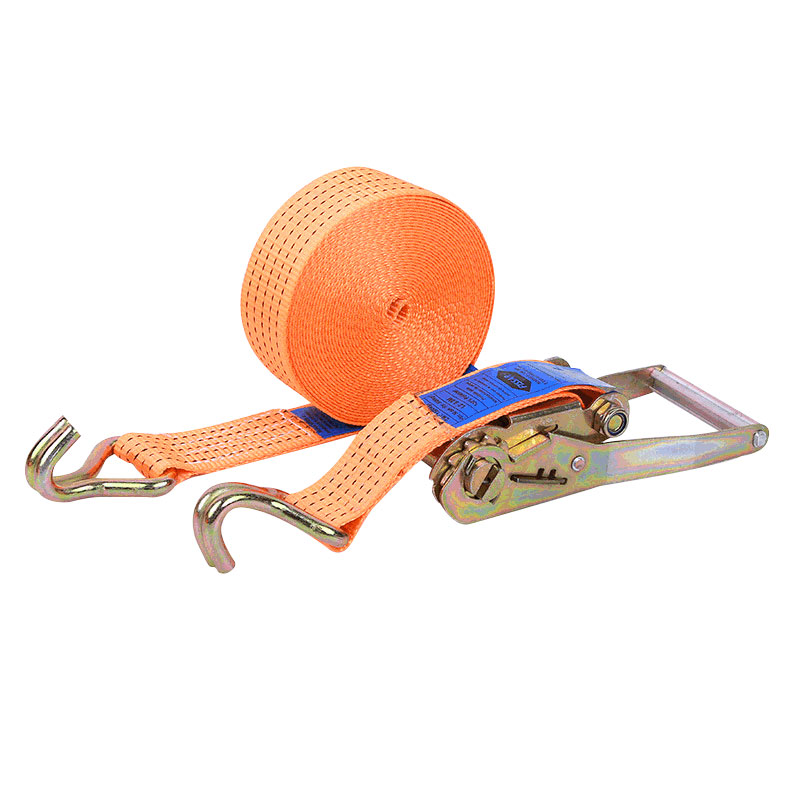
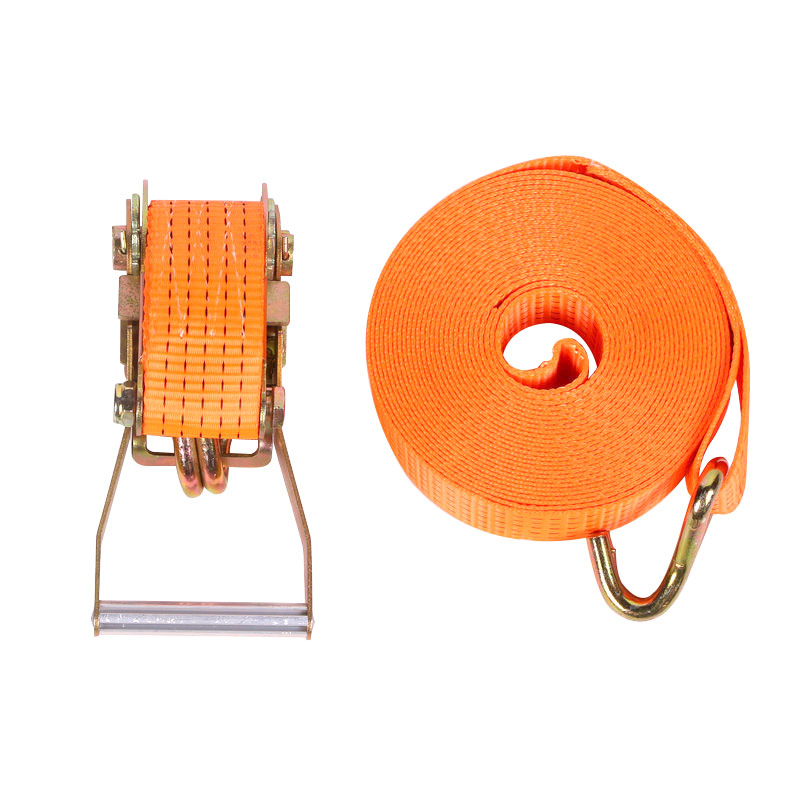
Ratchet  tie straps are essential tools in  the  manufacturing and transportation industries, designed to  secure and stabilize cargo during  transit. These straps utilize a  ratcheting mechanism to provide  a reliable hold, ensuring that loads remain  stable and  intact. For B2B buyers, understanding the specifications, quality, and applications of ratchet tie straps is crucial to  making informed purchasing  decisions. This article will delve into  key  specifications, evaluate quality  considerations, address common problems,  explore  applications, and outline cost factors to help buyers navigate  the  procurement  process  effectively.
Sourcing from Reliable Suppliers

Sourcing from Reliable Suppliers

When evaluating the quality  of ratchet tie straps, particularly for bulk orders, consider both the production process and the material quality.


Manufacturing Process: Understanding the manufacturing  capabilities of the supplier is  crucial.  A reputable manufacturer, like Shandong Lisheng Machinery, utilizes advanced  production equipment  and technology, ensuring  consistency and precision in the production of lifting rigging and accessories, including G80/G100 Lifting Rigging.

Quality Control: Assess the quality control processes in place. Manufacturers should conduct regular inspections at various stages of production, including raw material checks, in-process inspections, and final product testing. This helps ensure that each batch meets the  specified standards.

Sample  Approval: Before placing a bulk order, request samples to evaluate the straps'  performance under actual working conditions.  This step  is critical to  confirm that the straps meet your operational requirements and safety standards.

Customer Feedback: Look for testimonials or case studies from other  buyers who  have sourced ratchet  tie straps from the  supplier. This  can provide insight into the  product's performance and reliability in real-world applications.

By focusing on these quality evaluation criteria, buyers can mitigate risks associated with bulk purchases and ensure they receive a product that meets their expectations.
Cost Factors to Consider When Purchasing Ratchet Tie Straps

Cost Factors to Consider When Purchasing Ratchet Tie Straps

While ratchet tie straps are  generally reliable, there are common problems that buyers should be aware of, along with effective solutions.

Slippage: A frequent  issue is slippage, where the strap loosens during transport. This can  occur if the ratchet mechanism is not engaged correctly or if the strap is  worn. To address this, ensure that the strap is properly tightened  and consider  using straps with  non-slip features, such as rubberized backing.


Wear and Tear: Over time, exposure to UV light, moisture, and chemicals can degrade the materials, leading to premature  failure.  Regularly inspect straps for signs of wear and replace them as necessary. Choosing high-quality, weather-resistant materials  can help extend the lifespan of the straps.

Incorrect Load  Capacity: Using a strap that does not have an adequate  working load limit  for the intended application can lead to  failures. Always verify the WLL  against the weight of the cargo and select straps that provide an  adequate safety margin.

Improper Usage: Many issues arise from improper usage, such as incorrect threading through the ratchet mechanism. Providing  training for staff on the correct  use of ratchet tie straps can minimize  these errors and enhance safety.

By being aware of these potential problems and their solutions, buyers can improve the reliability and safety of their cargo securing processes.

Installation Guidance for Effective Use of Ratchet Tie Straps

Installation Guidance for Effective Use of Ratchet Tie Straps

Ratchet tie straps play a vital role in various industries, particularly construction and transportation. 

Construction: In construction, ratchet tie straps  are used to secure materials like lumber, steel beams, and heavy equipment during transport. Their ability to provide a solid hold makes them ideal for securing  loads  on trucks or trailers, reducing the risk of shifting during transit.

Transportation: In the transportation sector, these straps are employed to secure  cargo  in shipping containers, flatbed trucks, and during intermodal transfers. The durability  and strength of  ratchet tie  straps ensure that  goods remain stable,  preventing damage or  loss  during transportation.

Marine  Engineering: In marine applications, ratchet tie straps are used to  secure equipment and materials on boats and  ships. Their resistance to moisture and UV exposure makes them suitable  for marine environments. For marine applications, you can also explore our range of Marine & Anchor Equipment.

Warehousing: Within warehouses, ratchet tie straps help secure goods on pallets or during  storage. They are also  useful for bundling items together to optimize space and improve organization.

Understanding these applications can help buyers select the  right type of ratchet tie straps tailored to their industry needs.

Common Problems with Ratchet Tie Straps and Effective Solutions

When purchasing ratchet tie straps, several cost factors  should be considered to ensure a  sound investment.

Material Quality: The choice  of  materials directly affects the price. Higher quality polyester or nylon straps may have  a higher upfront cost but can offer better durability and longer  lifespan, ultimately reducing replacement costs.


Order Quantity: Bulk purchases often lead to discounted pricing. Buyers should evaluate their needs  to determine the optimal quantity for purchase, balancing upfront costs with long-term savings.

Customization Options: If specific customization is required—such as unique lengths, colors, or branding—this may impact  pricing. Discuss these  needs with suppliers to understand how  they affect the overall cost.

Shipping and Handling: Shipping costs can vary based on the supplier's  location and the order size. Consider these costs when budgeting for your purchase, as they can significantly impact the  total expenditure.

Supplier  Reliability: The reliability  of the supplier can also influence costs. Choosing a trusted  manufacturer with a proven track record may result in higher initial costs  but  can save money in the long run through reduced failures and improved product performance.

By considering these cost factors, buyers can  make informed purchasing decisions that align with their budget and operational  requirements.

Choosing the Right Ratchet Tie Straps for Your Needs

When sourcing ratchet tie straps, several specifications should be prioritized to ensure the product meets your operational needs.

Material: Ratchet  tie straps are typically made from polyester  or  nylon,  each offering different  levels of stretch and weather resistance. Polyester is often preferred for its durability and lower stretch, making it suitable for heavy loads.

Width and Length: The width of the strap affects its load-bearing capacity; wider straps can generally handle  more  weight. Length is also essential, as it determines how much cargo can be securely fastened. Common widths range from 1 inch to 3 inches, while lengths can vary from 10 feet to over 30 feet.

Working Load Limit  (WLL): This specification  indicates  the maximum load the strap can safely handle. It's essential to choose a strap with a WLL that exceeds the  weight of the cargo being secured to ensure safety and compliance.

End Fittings: The type  of end fittings—such  as hooks,  flat hooks, or D-rings—should match the application requirements.  Ensure that the fittings are compatible with the anchorage points on your equipment or vehicles.

Certification: Look for CE and ISO certifications to ensure  the straps meet international safety standards,  which is particularly crucial in industries  like construction and transportation. For more information on equipment used, consider checking our Hoisting & Lifting Equipment.

These specifications directly  impact the performance and safety of ratchet tie straps, making  them vital considerations during the sourcing process.

Why choose LoadStar ratchet ties straps

Professional service team

Prior to placing your order, our expert service personnel can customize products according to your specifications and, after the completion of the production process we have a team of professionals to inspect the quality of the product hot dipped galvanized chain, delivery and quality inspection to ensure that you are satisfied.

We own our own factory

A factory is a place for companies to manage and control the wire rope sling with hook of production. This reduces production costs.

We company produced are sold to more than 30 countries

the 5 16 galvanized chain of the company are top-quality with complete specifications models they are sold in over 30 countries including china iran pakistan saudi arabia the united arab emirates

We have many years of production experience, products in line with national certification standards

our products have passed ce certification covering 3 8 galvanized chain g43 g70 g80 g100 and meet the standards we are committed to providing high quality products that meet international standards to meet the growing needs of our customers our products are used in engineering construction in various countries and they still maintain their strength and quality after many years of use

Our Blog Posts

Why Is Wire Rope Essential for Heavy-Duty Lifting Tasks?

29

Mar

Why Is Wire Rope Essential for Heavy-Duty Lifting Tasks?

For heavy lift applications done at particular heights, solid materials such as wire rope are used. Wire rope consists of several strands of wire ropes twisted together. This makes it very well-suited for lifting. This article discusses about the imp...
View More
What Are the Best Applications for a Double-Ended Snap Hook?

23

Jul

What Are the Best Applications for a Double-Ended Snap Hook?

Double Ended Snap Hook  A great item by Webrings Double ended snap hooks are extremely handy for a wide range of uses(JH4C). They’re handy for tying things up or bringing things together and simplifying jobs. LoadStar has some of the best double...
View More
The Importance of Proper Thread Engagement for an Eye Bolt & Nut

26

Jul

The Importance of Proper Thread Engagement for an Eye Bolt & Nut

When it comes to eye bolts and nuts, thread engagement is a very important factor. It will help keep things in order and secure on your Mac. Improper thread engagement can cause an accident or injury. This is why it is so crucial to ensure that the e...
View More
Are Your Lifting Operations Compliant? A Guide to Certified Eye Bolt & Nut Use

25

Sep

Are Your Lifting Operations Compliant? A Guide to Certified Eye Bolt & Nut Use

When you’re lifting heavy things around at a construction site or a factory, it’s really important to use the right tools. Eye bolts and also nuts are tiny, however they play a major duty in ensuring things can be lifted securely. LoadStar, our compa...
View More